
🇧🇭 – COMPLETE TRAVEL GUIDE
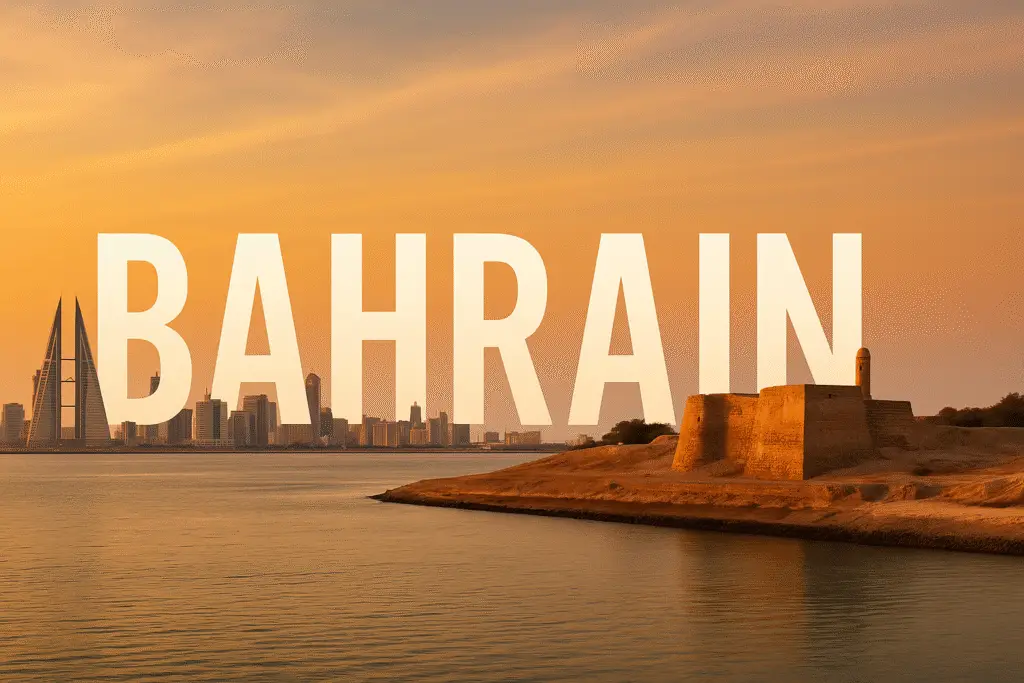
Bahrain: The Island Nation Where Ancient History Meets Modern Gulf Life
is one of the most captivating and underrated countries in the Middle East — a small island nation filled with thousands of years of history, layered cultures, warm hospitality, and a relaxed coastal lifestyle that sets it apart from its larger neighbors. Located in the Arabian Gulf, Bahrain feels like a bridge between past and present, where ancient civilizations, pearling heritage, Islamic culture and modern life blend effortlessly.
Unlike many places in the region, Bahrain offers an atmosphere that is both cosmopolitan and intimate. It is modern without losing its roots, historical without feeling frozen in time, and lively without being overwhelming. Travelers often describe Bahrain as a place with soul — a country of soft breezes, turquoise water, bustling souks, archaeological treasures, artistic neighborhoods and people who welcome visitors with genuine warmth.
The country has a long, extraordinary past. Once the center of the Dilmun civilization, one of the oldest cultures in the world, was known in ancient texts as a land of immortality and prosperity. Throughout history, traders, sailors, merchants and scholars passed through these islands, contributing to a cultural richness that remains visible today.
And yet, is not only shaped by its past. It is a modern financial hub, a cultural capital, a place of festivals and art, a growing tourism destination, and one of the most open, progressive societies in the Gulf. Its skyline, though smaller than neighboring cities, is stylish and elegant. Its cafés, markets and waterfront districts attract people from all backgrounds, making Bahrain feel multicultural, dynamic and full of life.
For travelers, Bahrain offers more variety than its size suggests. Within minutes, you can journey from sleek shopping districts to historical forts, from desert landscapes to coastal fishing villages, from modern art galleries to ancient temple sites. Bahrain proves that small countries can hold deep stories — and that some of the region’s most memorable experiences often come from unexpected places.
Manama – The Vibrant Heart of Bahrain
Manama, the capital city, is the energetic center of Bahrain’s modern identity. It is a place of bright lights, cultural contrasts, contemporary architecture, peaceful seaside promenades and vibrant neighborhoods that reflect the country’s diversity. As you arrive in Manama, one of the first things you notice is its skyline — a striking blend of futuristic towers, financial institutions, hotels and residential buildings that sparkle by night and shimmer in the desert light by day.
One of the city’s most iconic structures is the Bahrain World Trade Center, a pair of sleek, sail-shaped towers connected by massive wind turbines. The building symbolizes Bahrain’s focus on sustainability and innovation. Nearby, the Financial Harbour rises proudly above the water, its twin towers reflecting beautifully in the calm Gulf waters.
Yet Manama is much more than modern architecture. Beneath its urban surface lie layers of culture, tradition and history. The Manama Souq, located near Bab Al Bahrain, is a maze of narrow streets filled with spices, sweets, perfumes, textiles, antiques and gold. The souq is more intimate and relaxed than many markets in the region, making it a perfect place to wander slowly, observe local life and enjoy the smells and colors of Arabian trade.
Bab Al Bahrain, the historic gateway to the city, stands at the entrance of the souq. Built in 1945, it once marked the coastal boundary of Manama before land reclamation expanded the city. Today, it remains one of Bahrain’s most recognizable landmarks, symbolizing the country’s heritage and evolution.
In contrast to the souks, Manama’s newer districts showcase international dining, malls, cafés and nightlife. Block 338, one of Bahrain’s most popular neighborhoods, is filled with restaurants, art galleries, boutique stores and pedestrian-friendly streets. It is a lively, creative area where locals, expatriates and travelers gather for evenings filled with food, music and conversation.
Bahrain National Museum, located on the waterfront, is one of the finest cultural institutions in the Gulf. Its exhibits trace the country’s history from prehistoric times to modern life, including archaeological artifacts, traditional costumes, pearl-diving tools, manuscripts and reconstructions of ancient settlements. The museum provides an immersive introduction to Bahrain’s identity and is essential for any traveler wishing to understand the depth of the country’s heritage.
Manama is more than just a city — it is a crossroads of cultures, a blend of old and new, and a place where urban energy meets coastal calm.
Muharraq – The Cultural Soul and Birthplace of Bahrain’s Pearling Heritage
Just across the bridge from Manama lies Muharraq, Bahrain’s former capital and one of the most atmospheric places in the country. Muharraq retains much of its historical charm with narrow alleys, restored merchant houses, traditional cafés, and architectural details that reflect the island’s maritime history.
Muharraq is the heart of Bahrain’s pearling legacy, a tradition that shaped the country’s economy and society for centuries before the oil era. The Pearling Path, a UNESCO World Heritage Site, is a walking route that winds through historic homes, warehouses, mosques and coastal spots related to the pearling industry. Along the path, visitors discover how divers once risked their lives retrieving pearls from the depths of the Gulf, and how this craft created a thriving trade network.
Several beautifully restored buildings stand out in Muharraq’s heritage quarter. The Sheikh Isa Bin Ali House, with its wind towers, courtyards and wooden ceilings, offers an intimate look at traditional Gulf architecture. The Bin Matar House, once home to a prominent pearl merchant, now serves as a cultural center hosting exhibitions and events. Each building reveals Bahrain’s architectural legacy, with design elements crafted to maximize airflow and provide comfort in the days before air-conditioning.
The Muharraq Souq is smaller and more traditional than Manama’s souq. Here, you find local snacks, sweet shops selling halwa (Bahraini dessert), cafés tucked into corners, and stores specializing in oud and incense. In the evening, the area comes alive as families stroll, merchants chat with regular customers, and the scent of spices fills the air.
For travelers seeking culture, history and authentic Bahraini charm, Muharraq is one of the most rewarding areas in the country — a place where heritage is not only preserved but lived.
Bahrain Fort (Qal’at al-Bahrain) – The Epicenter of an Ancient Civilization
On the northern coast of Bahrain stands Qal’at al-Bahrain, or Bahrain Fort — one of the country’s greatest archaeological treasures and another UNESCO World Heritage Site. This ancient fortified site sits on a historic tell that contains layers of civilization dating back over 4,000 years.
The site was once the capital of the Dilmun civilization, one of the oldest trading cultures in the Arabian Peninsula and a major hub connecting Mesopotamia, Persia and the Indus Valley. Walking through the ruins, travelers see remnants of palaces, fortifications, temples, residential quarters and administrative buildings that speak to Bahrain’s ancient importance.
The fort itself, built by the Portuguese in the 16th century, stands proudly overlooking the sea. Its thick limestone walls, towers and battlements create a dramatic silhouette against the sky, especially at sunset when golden light bathes the ruins. A wooden walkway leads visitors through the site, making it easy to explore its layered history.
Adjacent to the fort is the Bahrain Fort Museum, which displays artifacts uncovered during excavations — pottery, tools, seals, jewelry and everyday objects that provide insight into the lives of early Bahrainis. For history lovers, Qal’at al-Bahrain is essential.
The Bahraini Desert – A Landscape of Silence, Stories and Subtle Beauty
Although Bahrain is known for its coastline and urban energy, its desert interior holds a quiet and mystical charm. The Bahraini desert is not as vast as the Empty Quarter or as mountainous as the deserts of Oman, but it has a unique character — soft, warm, peaceful and filled with subtle details that reveal themselves slowly.
The sand here forms gentle dunes, wind-patterned ridges and wide open plains dotted with small shrubs. From a distance, the landscape may look empty, but when you spend time in it, you start to notice its textures, footprints, colors and skies that feel impossibly wide. Desert silence in Bahrain is deep and calming, and the sense of space creates a meditative atmosphere.
For centuries, Bedouin tribes traveled across this land with their camels, following the seasons, gathering at wells and living in close harmony with nature. Today, fragments of this nomadic heritage remain alive through camel farms, desert gatherings, storytelling traditions and hospitality rituals preserved by older generations. Bahrain’s desert is also a popular place for weekend barbecues, stargazing trips and off-road drives, especially during the cooler months.
At sunrise and sunset, the desert glows in soft tones of gold and pink. Travelers often say that Bahrain’s desert has a gentle, emotional beauty — less imposing than other deserts, but intimate and soulful.
The Tree of Life – A Lone Legend in the Heart of the Desert
One of Bahrain’s most iconic natural landmarks is the Tree of Life, a single acacia tree standing alone in the desert with no visible water source. Estimated to be over 400 years old, the tree has survived harsh heat, winds and droughts, becoming a symbol of resilience and mystery.
Scientists have theories about how it survives — including deep underground water reserves or unique salt tolerance — but none are fully confirmed. For locals and travelers, the mystery is part of the magic. The tree stands on a small rise, its branches twisting outward in graceful arcs, casting a wide shadow over the sand. Its silhouette is especially beautiful against dawn or dusk skies.
Visiting the Tree of Life is a quiet, reflective experience. There is nothing around it except desert, sky and wind. The isolation of the tree creates an emotional contrast — life flourishing where none should exist. The site also carries cultural significance, with legends, stories and spiritual associations preserved by local traditions.
The Tree of Life reminds travelers that Bahrain’s landscapes hold depth and surprises, even in their simplicity.
The Hawar Islands – One of the Gulf’s Most Undisturbed Natural Paradises
Off the southwestern coast of lie the Hawar Islands, a group of uninhabited or lightly inhabited islands known for their pristine nature, wildlife reserves and calm turquoise waters. These islands are among the most important ecological areas in the region, designated as a UNESCO-recognized site for their biodiversity and untouched landscapes.
The islands host a wide variety of birds, including flamingos, ospreys, herons and rare socotra cormorants. The shallow waters surrounding the islands are home to dugongs — gentle marine mammals similar to manatees — as well as dolphins and fish species. The tranquility of Hawar makes it feel worlds away from mainland Bahrain, even though it is only a short boat ride away.
The landscape is simple yet breathtaking: sandbars that shift with the tides, flat islands covered with low vegetation, stretches of smooth white beach and warm, crystal-clear water that sparkle under the sun. Travelers come here for nature-focused trips — kayaking, birdwatching, photography, or simply relaxing on quiet shores.
Because the islands are protected, human impact is limited. This makes the Hawar Islands a paradise for travelers seeking a natural escape and a glimpse of the Gulf’s original marine environment before modern development.
Wildlife in Bahrain – Desert Creatures, Marine Life and Migratory Birds
Though small in size, Bahrain has surprisingly diverse wildlife. Its marine environment hosts some of the region’s most iconic species. Dugongs, for example, gather in large numbers in Bahraini waters, feeding on seagrass. Dolphins are often spotted near the coast, their fins cutting through calm water during early mornings.
Birdlife is especially rich. Bahrain lies along migratory routes, making it a seasonal home for flamingos, herons, sandpipers, ospreys, eagles and hundreds of smaller bird species. The Hawar Islands, in particular, are a birdwatcher’s paradise, with vast colonies gathering during cooler months.
On land, animals such as desert hares, foxes, lizards and Arabian gazelles can be found in protected areas or rural landscapes. Bahrain’s environment may be delicate, but efforts to preserve wildlife and marine ecosystems continue to grow, with new conservation projects underway.
Riffa – Heritage, Tradition and the Heart of Bahraini Identity
South of Manama lies Riffa, one of Bahrain’s most historically significant and culturally authentic cities. Riffa is divided into East and West, both offering glimpses into traditional Bahraini life, architecture and customs.
The highlight is Riffa Fort (also known as Sheikh Salman Bin Ahmed Al Fateh Fort), a beautifully preserved fortress overlooking a wide desert valley. The fort’s courtyards, wooden balconies, white walls and watchtowers create a serene atmosphere. Its elevated location provides sweeping views that feel timeless — a reminder of Bahrain’s strategic importance in earlier centuries.
Riffa’s neighborhoods are filled with traditional homes, family-run shops, bakeries, sweet shops and local markets. The city moves at a slower pace than Manama, offering a chance to observe daily routines and community life. Traditional generosity remains strong here, with residents often gathering for coffee, conversation and weekend meals.
In the evenings, Riffa’s streets come alive with the aroma of grilled meats, spices and fresh bread. The city’s relaxed charm makes it a meaningful stop for travelers who want to experience Bahrain beyond its modern capital.
Beaches & Coastal Life – Calm Waters, Sunset Views and Island Breezes
Because Bahrain is an island nation, the coastline is central to its identity. The waters surrounding Bahrain are calm, warm and shallow — a perfect environment for swimming, kayaking, sailing and paddleboarding.
One of the most popular coastal spots is Al Dar Islands, a short boat ride from the mainland. The islands offer clear water, sandy beaches and a laid-back atmosphere ideal for day trips. The simplicity of the island — huts, picnic areas, soft sand — gives it a rustic charm.
Closer to Manama, Amwaj Islands offer a more modern beach experience, with resorts, marinas, cafés and water sports. The atmosphere is stylish and relaxed, drawing young residents and expatriates.
Marassi Beach, located on the northeastern coast, has become one of new favorite seaside destinations, with long sandy stretches and modern waterfront development.
Sunsets along coast are particularly stunning. Because the country faces westward, the setting sun paints the sea in shades of gold, pink and violet. Locals gather at cafés, parks and seaside roads to enjoy the cool evening breeze.
Modern – Arts, Architecture and Urban Lifestyle
In the last two decades, Bahrain has embraced modern development while maintaining a friendly and relaxed atmosphere. Unlike mega-cities with overwhelming scale, Bahrain’s urban areas feel manageable, creative and human-centered.
The Avenues Mall, situated directly along the water, offers a beautiful blend of shopping and seaside views. Manama’s modern cafés and rooftop lounges attract young professionals and travelers seeking social, stylish experiences.
Art and culture are thriving. Galleries in Adliya host exhibitions by local and regional artists. Cultural festivals, film screenings, theater performances and literary events take place throughout the year, especially in the cooler months. Bahrain’s creative community is strong, blending traditional craftsmanship with modern artistic expression.
also hosts major sporting events, including the Formula 1 Bahrain Grand Prix, which draws global attention every year. The race track at Sakhir has become a major landmark and symbol of Bahrain’s international presence.
modern identity is one of balance — not too fast, not too quiet, and always warm, inviting and culturally rich.
Culture in Bahrain – A Blend of Heritage, Diversity and Warmth
culture is rich, multi-layered and shaped by centuries of trade, migration, maritime history and modern openness. As one of the Gulf’s oldest civilizations and one of its most internationally connected societies, Bahrain’s cultural identity is both deeply traditional and naturally cosmopolitan.
At the heart of culture lies hospitality. Guests are welcomed with generosity and kindness, whether for coffee, a meal or an informal gathering. The concept of “majlis” — a space for conversation, advice and social bonding — remains central in Bahraini homes. In the evenings, people gather to talk, enjoy sweet tea, share stories or discuss the events of the day.
is also known for its community-driven lifestyle. Families remain close, neighborhoods are friendly, and social life often takes place outdoors during the cooler months. Cultural festivals highlight music, poetry, craftsmanship and food. Traditional dances, drumming and folk songs are performed during national celebrations, weddings and seasonal events.
Unlike some Gulf countries where expatriate communities and local life can feel separated, Bahrain is known for its integrated multicultural environment. Bahrainis interact comfortably with expats from dozens of countries, and cultural exchange plays a major role in the country’s identity. This openness has shaped Bahrain into one of the region’s most welcoming places for travelers.
Religion in Bahrain – Foundations of Harmony and Tradition
Islam is the dominant religion and plays a central role in Bahrain’s cultural foundation. Mosques are present in every neighborhood, from small community prayer halls to beautifully designed, historical mosques with intricate minarets and domes.
The atmosphere during prayer times is calm and rhythmic — the call to prayer echoes across the city, creating moments of reflection even within busy districts.
What makes Bahrain particularly unique is its religious diversity. The country is home to both Sunni and Shia communities, each with their own cultural traditions, mosques, rituals and social customs. This diversity has shaped Bahrain’s cultural depth and contributed to a society that values co-existence.
Bahrain is also known for religious openness. Non-Muslim communities have places of worship, including churches and temples, making the island one of the most religiously tolerant societies in the Gulf. This coexistence is part of Bahrain’s modern identity — respectful, peaceful and balanced.
During Ramadan, Bahrain transforms into a world of night markets, family gatherings and spiritual connection. Even travelers who do not fast are welcomed into iftar experiences, where the atmosphere is warm, festive and generous.
Cuisine – A Delicious Mix of Gulf Flavors and Maritime Heritage
Food plays a central role in Bahraini culture, reflecting influences from Arabia, Persia, India, East Africa and the island’s own maritime traditions. Bahraini cuisine is aromatic, colorful and comforting — full of slow-cooked spices, rice dishes, grilled seafood and sweet desserts.
One of the most famous dishes is Machboos, a richly spiced rice meal served with chicken, lamb or fish. Its warm blend of turmeric, cinnamon, cardamom and dried limes gives it a deep, distinctive flavor.
Muhammar, a sweet rice dish often served with grilled fish, shows Bahrain’s long connection to the sea.
Thareed, a stew of vegetables and meat layered with thin bread, is popular during Ramadan.
Bahraini kebabs, fragrant with spices and herbs, are served with fresh bread or salads.
Traditional sweets like halwa, a gelatinous saffron dessert, are sold in family-owned shops in Muharraq, where the recipe has been passed down through generations. Visitors often describe Bahraini halwa as one of the most unique desserts in the Gulf — warm, aromatic and deeply symbolic of local hospitality.
Cafés serving karak tea — strong black tea mixed with milk, spices and sugar — are an everyday ritual. You’ll find people lining up for karak late at night, especially near coastal promenades and food streets.
Modern Bahrain also offers international cuisine, from rooftop restaurants in Manama to trendy coffee shops in Adliya. The food scene is vibrant, diverse and constantly evolving.
Daily Life in Bahrain – Calm, Family-Oriented and Community-Focused
Bahraini daily life moves at a gentle, balanced pace. The country is known for its laid-back atmosphere, friendly neighborhoods and strong sense of community.
During the cooler months (November to April), much of daily life takes place outdoors. Families enjoy beaches, picnics, parks, fishing spots and evening walks along waterfronts. Groups gather for barbecues, social nights, music gatherings and cultural events.
During the hot summer months, life shifts indoors. Malls, cafés, cultural centers, libraries and restaurants become social hubs. Bahrain’s relaxed lifestyle makes it easy for travelers to blend into local routines and feel at home after only a few days.
Bahrainis value togetherness. Weekends are for visiting relatives, sharing meals and spending time with extended family. Weddings and celebrations often last several days and include dancing, storytelling and traditional music.
Despite its modern infrastructure, Bahrain has maintained a small-town warmth and friendliness that many global travelers find refreshing.
Island Lifestyle – Calm Waters, Breezes and Coastal Identity
Because Bahrain is an island nation, much of its identity is shaped by the sea. For centuries, Bahrainis relied on fishing, pearling and maritime trade. Today, the coast continues to influence daily life, but in new and modern ways.
Beaches are spread across the island, each with its own character — from lively family-friendly shores to quiet retreat-like spots. The sea remains a gathering place for sunset watchers, joggers, families and fishermen.
The island lifestyle is also reflected in watersports culture. Paddleboarding, kayaking, sailing, jet-skiing and diving are all popular, especially around Amwaj Islands, Juffair, Reef Island and Marassi. The warm Gulf waters make maritime activities enjoyable almost year-round.
Pearling, once Bahrain’s most important industry, remains symbolically significant. Exhibitions, museums and restored houses in Muharraq preserve the stories of divers who risked their lives for pearls. Modern pearl jewelry still holds special value — a reminder of Bahrain’s maritime heritage.
The combination of sea breezes, gentle waves and the scent of saltwater gives a distinct coastal charm that stays with travelers long after they leave.
Art, Creativity & Modern Society
Bahrain has one of the strongest artistic scenes in the Gulf. The country has embraced creativity with enthusiasm, supporting local artists, hosting cultural festivals and integrating public art into modern spaces.
Neighborhoods like Adliya and Manama’s arts districts are filled with galleries showcasing regional painters, photographers, sculptors and installation artists. Outdoor murals, sculptures and contemporary cultural centers show how Bahrain balances heritage with modern expression.
The country’s multicultural population enriches its creative identity. Influences from East Asia, South Asia, Persia, Africa and the Arab world merge naturally, creating a cultural mix reflected in food, music, fashion and design.
Bahrain’s social atmosphere is famously friendly. Locals and expats mingle easily, and the small size of the island makes social life interconnected and vibrant. The country’s nightlife, café culture and community events give it an energy that feels cozy, artistic and welcoming.
7-Day Bahrain Itinerary – A Beautiful Introduction to the Island
A one-week journey through Bahrain gives travelers the perfect mix of culture, coastal calm, city life and historical heritage. Because Bahrain is compact and easy to explore, a week allows you to deeply experience both modern and ancient sides of the island without feeling rushed.
Day 1–2: Manama – Museums, Souks & Modern Districts
Start your journey in Manama, the dynamic heart of the island. Wander through the winding lanes of Manama Souq, where the scent of spices, incense and fresh halwa fills the air. Explore Bab Al Bahrain, the historic gate that marks the entrance to the souq, and then transition to the modern part of the city — sleek towers, waterfront promenades and trendy cafés.
Spend a full afternoon at the Bahrain National Museum, where you walk through beautifully curated exhibitions detailing thousands of years of Dilmun history. End your evening in Block 338, the artistic, restaurant-filled district that glows with energy.
Day 3: Muharraq – Heritage, Pearling & Old Architecture
Dedicate day three to Muharraq, the cultural soul of Bahrain. Follow the Pearling Path, explore restored merchant houses like the Bin Matar House, and step into the narrow alleys where traditional Bahraini architecture is perfectly preserved. Taste local sweets, visit heritage cafés and enjoy a slower, more intimate side of the country.
Day 4: Bahrain Fort & Seaside Sunset
Visit Qal’at al-Bahrain — the Bahrain Fort — one of the most impressive archaeological sites in the Gulf. The layered history, sea-facing walls, fortified structure and surrounding walking paths make it one of the country’s most atmospheric places, especially at sunset.
Day 5: The Desert & The Tree of Life
On day five, head into the desert interior. Visit the Tree of Life, standing alone in silence, and then explore the gentle dunes, small camel farms and open landscapes. The desert is not overwhelming; instead, it is peaceful, almost meditative.
Day 6: Riffa – Heritage & Daily Life
Spend a day in Riffa, exploring the fort, the traditional neighborhoods and small shops. It offers a deep look into Bahraini daily life, culture and customs.
Day 7: Coastal Relaxation
End your week along the coastline — perhaps at Amwaj Islands, Marassi Beach, or a calm shore near Al Dar Islands. Enjoy swimming, walking along the sand and watching a final Bahraini sunset.
10-Day Bahrain Itinerary – A Deeper Exploration
A 10-day trip allows for slower rhythms and more natural escapes.
Days 1–5: Follow the 7-Day Itinerary
Explore Manama, Muharraq, the fort, the desert and Riffa.
Day 6–7: Hawar Islands Nature Escape
Venture to the Hawar Islands, where calm waters, birdlife and quiet shores create an untouched natural retreat. Spend time kayaking, birdwatching or simply enjoying the isolated, pristine environment.
Day 8: Modern Bahrain – Art, Cafés & Culture
Return to Manama to explore art galleries in Adliya, modern cultural spaces and exhibitions. Experience Bahrain’s artistic side and vibrant café culture.
Day 9: Coastal Day Trips
Relax at Marassi, Juffair Beach or the quieter shores in the north. Bahrain’s waters are warm and gentle — perfect for swimming or paddleboarding.
Day 10: Nightlife & Farewell Dinner
Spend your final night in Block 338 or along the Avenues waterfront. The island comes alive in the evening, offering a warm farewell mood.
14-Day Bahrain Journey – The Complete Experience
Two weeks in Bahrain transform your visit into something deeper — not just a trip, but an immersion in island life.
Days 1–10: Follow the 10-Day Itinerary
Day 11–12: Explore Villages, Mangroves & Hidden Spots
Visit Karzakan Forest, a surprising patch of green trees near the west coast. Explore rural areas where farmers sell fresh fruit, and walk through Al Areen Nature Reserve to learn about Bahrain’s wildlife.
Day 13: Full Relaxation Day
Take a slow day — a spa, a beach club, or a peaceful afternoon drinking karak tea by the water.
Day 14: Final Cultural Highlights
Spend your last day revisiting favorites, shopping in Manama Souq or enjoying one final Arabian meal before departure.
Final Conclusion – Why Bahrain Is One of the Gulf’s Most Beautifully Balanced Destinations
Bahrain is a country that stays with you long after you leave. It is small, gentle and warm — but filled with depth, culture and stories thousands of years old. Unlike destinations built around extremes, Bahrain’s beauty lies in its balance:
Balance between past and present — where ancient forts, pearling houses and UNESCO heritage sites sit beside modern galleries, financial towers and waterfront promenades.
Balance between city and nature — where you can go from lively cafés to quiet beaches, from art-filled neighborhoods to silent desert plains, all within minutes.
Balance between tradition and openness — where Bahraini families hold on to their customs while welcoming expatriates, travelers and new ideas with genuine warmth.
Balance within daily life — where evenings are peaceful, cities feel human-sized, the sea is always near, and the atmosphere is friendly rather than overwhelming.
What makes Bahrain truly special is not only what you see, but how it feels.
The island has a softness, a calmness and an authenticity that many travelers don’t expect. The scent of spices in the souks, the sea breeze at dusk, the hospitality of locals, the stories woven into the Pearl Path, the glow of the fort at sunset — these are experiences that create emotional connection.
Bahrain does not shout; it welcomes.
It does not overwhelm; it soothes.
It does not try to impress with scale; it moves you with soul.
For travelers seeking culture, ease, warmth, authenticity and a beautifully balanced island nation,is one of the most rewarding destinations in the Middle East.
 Related Articles
- Kakslauttanen Arctic Resort
- Top 10 Most Unique Places to Stay in Europe
- 10 Incredible Castles Around the World