
🇮🇶 — COMPLETE TRAVEL GUIDE
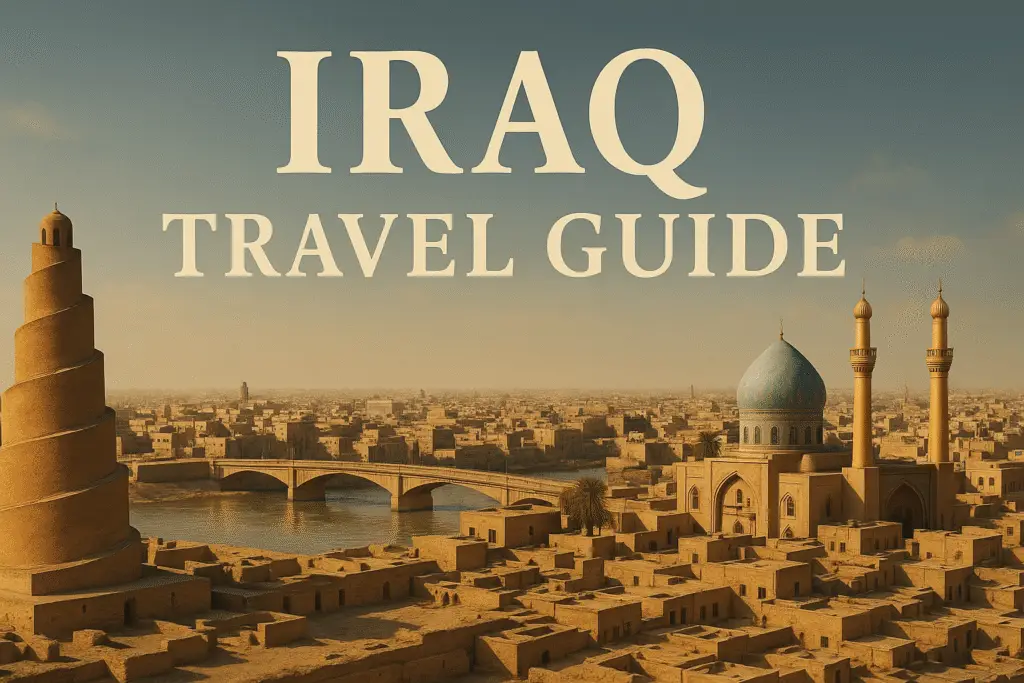
Iraq: A Land of Civilization, Rivers, Ancient Cities and Boundless Cultural Memory
Iraq is one of the most historically significant lands on Earth. Known as the cradle of civilization, it is where humanity first developed writing, law codes, literature, cities and early scientific knowledge. Mesopotamia — the land “between the rivers” — was home to the Sumerians, Akkadians, Babylonians, Assyrians and countless cultures that shaped human history.
Today, Iraq is a country of immense cultural depth, warm hospitality, breathtaking landscapes, and cities filled with layers of memory. From the Tigris flowing through Baghdad to the marshlands of the south, from the ruins of Babylon to the ancient streets of Erbil, Iraq remains one of the most fascinating cultural destinations in the world.
Travelers who explore Iraq often describe a powerful emotional connection: the feeling of walking through the birthplace of writing, mathematics, astronomy, poetry and architecture; the atmosphere of bustling markets; the warmth of Iraqi families sharing meals; the quiet beauty of date palm groves; and the contrast of ancient ruins standing beside vibrant modern life.
Iraq is a country of stories, hospitality, tradition and timeless heritage — a destination that leaves a deep impression on anyone who experiences it.
BAGHDAD — The Heartbeat of Iraq, Where the Tigris Flows Through Culture and Life
Baghdad, founded in the 8th century, was once the greatest city in the world — a center of science, literature, philosophy, and art during the Golden Age of Islam. Today, Baghdad remains the cultural heart of Iraq: energetic, complex, deeply human and full of emotion.
The Tigris River divides the city into two halves. Along its banks, cafés fill with people sipping tea, reading, writing poetry, or simply watching boats glide through the water. Palm trees line the waterfront, and bridges connect lively districts filled with markets, restaurants and bookstores.
Old Baghdad
The old city is a maze of narrow streets, brick houses, traditional shops and ancient mosques. The scent of spices, kebabs, incense and fresh bread fills the air. Markets hum with life — vendors sell dates, nuts, silver crafts, textiles, perfumes and antiques. Streets echo with conversation, laughter and local music.
Al-Mutanabbi Street
This iconic street is the literary heart of Baghdad. Booksellers line the sidewalks with towers of books in Arabic, English and many other languages. Families, writers, students and artists stroll through the street, stopping at cafés filled with traditional Iraqi décor. Poetry readings, art displays and lively discussions take place daily.
Modern Neighborhoods
Districts like Al-Mansour, Karrada and Jadriya showcase Baghdad’s modern side — cafés with rooftop terraces, art galleries, museums, shopping streets and vibrant social life. Evenings are warm and lively, with families enjoying ice cream, tea, grilled corn and outdoor gatherings.
Baghdad is a city of contrast and emotion, where ancient culture and modern life blend seamlessly.
BASRAH — The Southern Port City of Rivers, Palms and Warm Hospitality
Basrah, Iraq’s southern cultural capital, sits on the Shatt al-Arab waterway — where the Tigris and Euphrates merge and flow toward the Gulf. The city is surrounded by palm groves, waterways, and a warm, humid climate that shapes its atmosphere.
Waterfront Life
Basrah’s canals are lined with cafés, boats, gardens and traditional houses. The reflections of palm trees on the water create a peaceful, tropical ambiance unique in Iraq.
Markets and Food
The city’s souks are famous for spices, dates, seafood, handmade products and colorful clothing. Basrah’s cuisine blends Gulf, Arabic and southern Iraqi flavors — fresh fish, shrimp, spiced rice, samak masgouf, date syrup desserts, and fragrant stews served with warm bread.
Basrah’s Culture
The city is known for its storytelling, poetry, music and strong sense of community. Nights in Basrah are filled with warm breezes, laughter from families walking along the river, and the glow of cafés that stay open late.
Basrah carries a gentle, welcoming energy — a place where travelers feel immediately embraced.
ERBIL — The Ancient Citadel and Gateway to Kurdistan’s Mountains
Erbil, in the Kurdistan Region of northern Iraq, is one of the oldest continuously inhabited cities in the world. At its center stands the Erbil Citadel, a massive, ancient settlement perched atop a circular hill, overlooking the modern city below.
The Citadel
Its stone walls glow golden in the afternoon sun, and narrow lanes lead to old houses, museums and courtyards. The citadel feels alive with history — Sumerians, Assyrians, Ottomans and countless others lived here over millennia.
Modern Erbil
Beneath the citadel lies the bustling Shar Park, full of fountains, tea stands, gardens and families relaxing in the shade. Night markets illuminate the city with stalls selling kebabs, bread, sweets, toys, clothing and crafts.
Cafés and Neighborhood Life
Erbil’s café culture is strong: modern coffee shops blend with traditional tea houses. The city feels safe, warm and full of life, with a youthful energy shaped by universities, cultural events and music.
The Kurdish Mountains
Beyond the city rise dramatic landscapes — rolling hills, green valleys, waterfalls and snow-covered mountains in winter. The air is crisp and clean, and the scenery breathtaking.
Erbil offers both ancient memory and modern comfort, making it one of Iraq’s most travel-friendly cities.
THE MARSHES OF SOUTHERN IRAQ — A Dreamlike Water World of Reeds, Birds and Floating Homes
The Mesopotamian Marshlands, near the cities of Amarah and Nasiriyah, are one of Iraq’s most magical natural environments. This vast wetland of shimmering water, green reeds and water buffalo herds is believed by many historians to resemble the landscape described in ancient Mesopotamian stories.
Life in the Marshes
The Marsh Arabs (Ma’dan) have built homes of woven reeds for centuries. Their floating guesthouses, traditional canoes, and warm hospitality create an unforgettable atmosphere. Families welcome visitors with tea, dates, fish cooked over open flames, and stories of life connected to water and nature.
Wildlife and Scenery
Birds soar above the reeds, buffalo swim lazily through the channels, and the sunsets paint the marsh water in warm shades of gold, red and purple.
The marshes feel timeless — a peaceful world far removed from city noise.
NINEVEH & MOSUL — Ancient Assyrian Legacy and a Reborn Cultural Landscape
Mosul, one of the most storied cities in northern Iraq, sits along the Tigris and is surrounded by the archaeological treasures of ancient Nineveh.
Nineveh
The ruins of the Assyrian Empire’s ancient capital include massive gates, palace remains, and carved stone reliefs depicting kings, warriors and mythological creatures. Standing at the site’s ancient walls gives a sense of the city’s immense scale and power.
Modern Mosul
Mosul is a city of resilience and cultural revival. Its markets are returning to life, its architectural heritage is being restored, and its people — known for their hospitality — are rebuilding their cultural identity with determination and pride.
The atmosphere is warm, proud and deeply emotional.
BABYLON — The Legendary City of Kings, Temples and Ancient Memory
Babylon, one of the most iconic cities in human history, sits along the Euphrates River. Its archaeological remains evoke stories of ancient kings, monumental architecture and early scientific advancements.
The Ishtar Gate (Reconstructed Section)
The deep blue glazed bricks, decorated with lions and bulls, represent Babylon’s former grandeur. Though the original gate stands in a museum abroad, the reconstructed sections allow visitors to imagine the city’s scale.
Nebuchadnezzar’s Palace
Large foundations reveal the layout of the vast royal complex.
Wide Open Plains
The surrounding landscape — riverbanks, date palms, and golden fields — adds quiet atmosphere to this ancient site.
Babylon carries a mythic quality that connects travelers to some of the oldest stories ever written.
KURDISTAN’S MOUNTAINS — Lakes, Valleys and Alpine Beauty
Northern Iraq is filled with dramatic mountain scenery.
Rawanduz Canyon
One of the country’s most breathtaking natural wonders — deep cliffs, turquoise rivers and winding mountain roads.
Dukan Lake
A peaceful reservoir surrounded by gentle hills and picnic spots.
Hamilton Road
A historic route carved into narrow gorges, waterfalls and steep cliffs.
The Kurdish mountains feel fresh, green and inviting — a serene contrast to the southern deserts.
IRAQI CULTURE — Hospitality, Tradition and Deep Social Warmth
Iraqi culture is rooted in community, family, generosity and memory. Hospitality is central: guests are offered tea, coffee, sweets or meals before anything else. People speak with warmth, humor and pride in their traditions.
Iraqis value storytelling — sharing poetry, history, jokes and personal stories. Family gatherings are frequent and filled with food, music and conversation. Markets are lively and colorful, with strong traditions of craftsmanship.
Iraq’s culture is emotional, expressive and deeply connected to heritage.
IRAQI CUISINE — Rich, Flavorful and Hearty
Iraqi food is aromatic, warm and delicious.
Key dishes include:
Masgouf — river fish grilled slowly over flames
Quzi — slow-cooked lamb served over rice
Tashreeb — bread soaked in broth with meat and vegetables
Dolma — stuffed grape leaves, peppers, tomatoes and onions
Biryani — fragrant spiced rice with vegetables and meat
Desserts include date pastries, halva, honey cakes, and rosewater-scented sweets. Iraqi tea is strong and sweet; coffee is aromatic with cardamom.
Meals in Iraq are large, generous and filled with love.
ITINERARIES (No driving instructions)
7 Days
Baghdad → Babylon → Karbala region → Mosul/Nineveh → Erbil → Kurdish mountains → return flight.
10 Days
Add Basrah, the Marshlands, and time in Erbil’s countryside.
14 Days
Add extended hiking in Kurdistan, cultural days in Baghdad, and southern heritage routes.
CONCLUSION — Why Iraq Leaves a Lasting Mark
Iraq is one of the world’s most meaningful destinations — a land where civilization began, where great rivers shaped cities, where ancient wonders rise from plains, and where warm people welcome visitors with open hearts.
It is a country of:
Rivers and palm groves
Poetry and storytelling
Ancient ruins and modern life
Markets filled with color and sound
Deserts glowing beneath the sun
Cities pulsing with culture and memory
Iraq stays with travelers because it touches something deep — a connection to humanity’s earliest chapters, combined with the beauty, pride and warmth of its people.
Iraq is not only a journey through history — it is a journey through the heart.
Related Amazing Bucketlist Articles
- 5 Once-in-a-Lifetime Floating Stays
- Hurawalhi Island Resort
- Top 10 Most Romantic Countries in the World for Couples