
🇶🇦 COMPLETE TRAVEL GUIDE
A Small Nation With Global Ambition and Arabian Elegance
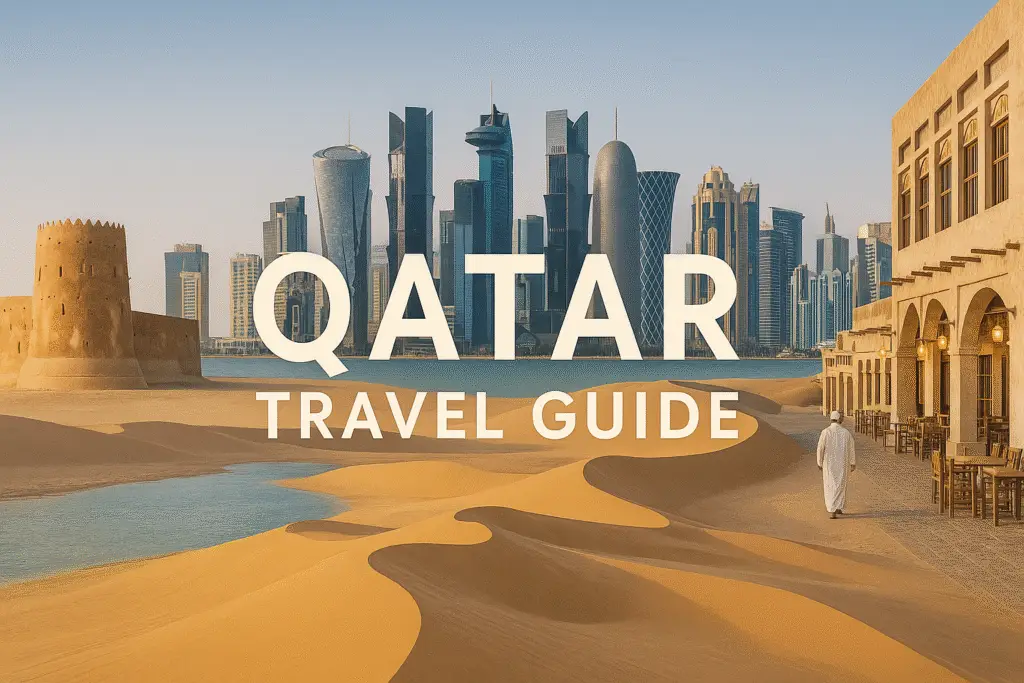
Qatar is one of the most intriguing countries in the Middle East — a place where futuristic architecture rises from the desert coastline, traditional culture blends with global luxury, and the energy of rapid development sits beside quiet heritage sites shaped by centuries of Arabian history. Despite its small size, Qatar stands tall on the global stage, hosting world events, investing in art and culture, preserving historic neighborhoods, and reinventing itself as a world-class travel destination.
The country feels both intimate and grand. Doha, its capital, has one of the world’s most beautiful skylines, with towers shaped like sculptures and a waterfront lined with museums, souks, parks and beaches. Yet just outside the city, wide desert landscapes stretch toward the horizon — places where silence is deep, dunes roll like waves, and Bedouin traditions remain alive. Qatar’s identity sits between these two worlds: cosmopolitan innovation and ancient heritage.
Qatar’s history is shaped by pearl diving, trade routes, nomadic tribes, and its strategic location along the Arabian Gulf. Before the oil era, Qatar’s economy revolved around maritime communities living in coastal villages. Today, the country invests heavily in arts, sports, sustainability, education and tourism — creating a unique blend of modern global influence and traditional Gulf culture.
What sets Qatar apart is its attention to detail. Whether in architecture, hospitality, museums, transportation or cultural preservation, the country approaches development with a refined, intentional style. Doha’s museums, designed by world-famous architects, are among the most impressive on the planet. Its waterfront districts are built for beauty. Even the desert, protected through conservation programs, is treated with respect.
For travelers, Qatar offers a surprising amount of diversity. One day you explore futuristic skyscrapers and world-class museums; the next, you ride across soft sand dunes toward the Inland Sea, visit restored forts, wander through traditional souks, or relax on beaches that blend modern comfort with natural beauty. Qatar welcomes visitors with warmth, luxury and a sense of safety that allows travelers to slow down, enjoy the culture and truly absorb the environment.
Doha – A City Where Future, Tradition and Art Intersect
Doha is the heart of Qatar and one of the most visually striking capitals in the Middle East. Its skyline rises along the curve of the Doha Corniche — a sweeping waterfront promenade that frames the sea, the city, and the desert beyond. Doha’s atmosphere is both calm and ambitious: quiet mornings by the water contrast with evenings where the skyline glows in neon colors and the city comes alive with dining, shopping and cultural events.
One of Doha’s greatest strengths is its dedication to world-class architecture. The Museum of Islamic Art (MIA) is the crown jewel, designed by I.M. Pei, the architect behind the Louvre Pyramid. The building stands on an artificial island, its geometric forms casting shadows across the water. Inside, the museum holds one of the most exceptional collections of Islamic art in the world — ceramics, jewelry, manuscripts, textiles, metalwork and scientific instruments from centuries of artistic refinement.
Not far away lies the National Museum of Qatar, designed by Jean Nouvel. Its shape, inspired by the desert rose crystal, is one of the most impressive architectural structures created in the last decade. The museum takes visitors through Qatar’s history, from its geological origins to Bedouin life, maritime traditions, modernization and national vision. The storytelling is immersive, emotional and beautifully curated.
Doha’s modern skyline is a piece of art itself. Districts like West Bay reflect Doha’s futuristic personality, with towers shaped like torches, curved sails, diamonds and spirals. The city feels polished, clean and visually captivating, especially during the golden hour when sunlight reflects off the glass facades.
Yet beyond the modern buildings, Doha has a soul rooted in tradition. Souq Waqif captures this beautifully. This traditional marketplace is a maze of spice shops, textile stalls, perfume boutiques, restaurants and artisan workshops. Even though it has been restored, it retains an authentic Arabian atmosphere. Narrow lanes smell of incense and saffron, while cafés serve tea, coffee and local dishes. The souq is lively at night, filled with families, travelers, artists and merchants — a cultural meeting point that blends heritage with modernity.
Doha also has a strong coastal identity. The Corniche is a long promenade perfect for sunset walks, cycling, jogging or simply enjoying the view of the sea and skyline. Traditional wooden dhow boats glide across the water, their lights reflected on the waves. For travelers who want a more luxurious experience, Doha’s marina areas offer yacht trips, waterfront dining, beaches and modern resorts.
The city’s creative scene is rapidly growing. Art centers, galleries, film festivals, design studios and cultural events attract an international crowd. Places like Katara Cultural Village highlight this artistic energy. Katara is an open-air cultural complex with theaters, museums, beaches, exhibitions and architectural details inspired by Arabian design. It is a place where modern art conversations meet the region’s cultural heritage.
Doha is a city that feels carefully crafted — not rushed, not chaotic, but intentionally designed to offer beauty, culture and comfort. It is a place where travelers can walk through centuries of Islamic art, sit by the sea with a cup of karak tea, explore heritage markets, and end the day in a modern district that feels futuristic yet calm.
The Pearl-Qatar – Luxury Island Living and Mediterranean Atmosphere
North of Doha’s West Bay lies The Pearl-Qatar, an artificial island designed with elegance, sophistication and global appeal. Its neighborhoods resemble a blend of Mediterranean harbors, modern high-rise living and waterfront promenades. The Pearl is one of Qatar’s premier destinations for dining, shopping and seaside relaxation.
The island is divided into distinct districts, each with its own atmosphere. Porto Arabia is inspired by European marinas, with yachts lining the circular harbor, surrounded by cafés, luxury boutiques and apartments. The boardwalk is perfect for evening strolls — the lights of the harbor reflecting on the water create a serene, upscale ambiance.
Nearby, Qanat Quartier resembles a colorful Venetian neighborhood. Pastel buildings, pedestrian bridges, canals and balconies give the area a romantic, dreamy look. Visitors enjoy walking along the waterways, taking photos on the signature bridges and exploring boutique shops and small restaurants hidden among the narrow streets.
The Pearl also offers beaches, plazas, hotels and landscaped promenades. It is a place where travelers experience modern waterfront life, with a multicultural vibe reflected in its international restaurants and stylish architecture. While Doha feels bold and futuristic, The Pearl adds a soft, cosmopolitan, European-inspired charm.
Lusail – Qatar’s City of the Future
Just north of Doha lies Lusail, a visionary city designed to represent Qatar’s future. Sleek skyscrapers, wide boulevards, green boulevards, luxury hotels, residential districts and entertainment venues define this modern metropolis. Lusail is one of the most cutting-edge urban developments in the Middle East.
Lusail’s architecture stands out — futuristic towers, curved facades, geometric structures and artistic public spaces create a visually striking environment. The city’s crown feature is Lusail Boulevard, a pedestrian-friendly avenue lined with palm trees, cafés, shops, LED light shows and seasonal events. It has quickly become one of Qatar’s trendiest walking streets.
Further inside Lusail, visitors find Place Vendôme Mall, a Paris-inspired luxury shopping and lifestyle complex complete with dancing fountains, grand façades and designer boutiques. It blends European grandeur with Qatari luxury.
Lusail is also home to Lusail Stadium, a monumental piece of architecture that hosted major events and symbolizes Qatar’s rise on the global sports stage.
The city stretches toward the coast, where marinas, beaches, parks and residential islands create a relaxed seaside lifestyle. Lusail illustrates Qatar’s ambition: modern, sustainable, artistic and designed for beauty and comfort.
The Qatari Desert – Silence, Golden Dunes and Bedouin Traditions
Just outside the modern skyline of Doha lies one of Qatar’s greatest treasures — its desert. The Qatari desert is warm, soft, golden and surprisingly peaceful. It stretches endlessly toward the horizon, forming dunes that roll like waves frozen in time. The silence of the desert is deep and calming, and the feeling of stepping on its sun-warmed sand connects travelers to centuries of Bedouin life.
Unlike harsher desert regions elsewhere in the Middle East, Qatar’s desert has a sense of gentleness. The dunes are smooth and rhythmic, making them ideal for dune driving, camel trekking, sandboarding and stargazing. During winter months, the desert becomes a social gathering place for Qataris who set up traditional majlis tents, prepare tea or Arabic coffee, grill food and enjoy time with family under the open sky.
The deeper you go into the desert, the more you feel Qatar’s heritage. Bedouin values of hospitality, honor, simplicity and connection to nature are still part of the national identity. Even though Qatar is now one of the most modern countries in the world, desert roots remain central to its culture. Sitting around a fire, listening to stories or music, and watching the night sky fill with stars brings a sense of serenity that is rare in modern life.
Travellers often describe the desert as the most spiritual and peaceful part of their journey — a reminder that Qatar’s history began in places exactly like this.
Khor Al Adaid – The Inland Sea Where Desert Meets Ocean
Perhaps Qatar’s single most awe-inspiring natural wonder is Khor Al Adaid, also known as the Inland Sea. It is one of the few places on Earth where massive sand dunes descend directly into seawater — a breathtaking meeting of desert and ocean. The landscape feels surreal: sweeping dunes rolling toward a calm, pale-blue lagoon that stretches into the distance.
Khor Al Adaid is located near the border with Saudi Arabia and can only be reached by 4×4 vehicles. The journey to get there is part of the adventure. Drivers cross soft dunes, climb sandy ridges, and follow winding tracks until the horizon suddenly opens to reveal the sea. The moment when the view appears — dunes cascading into water — is unforgettable.
The Inland Sea is a UNESCO-recognized natural reserve because of its geological uniqueness and biodiversity. The waters are tranquil and shallow, reflecting the colors of the sky. Wildlife thrives here, including rare birds, fish, crabs and occasional desert foxes. At sunrise and sunset, the colors become extraordinary — soft gold, orange, pink and deep blue blending into a painterly landscape.
Many travelers spend evenings camping near the Inland Sea. Nights here are magical: the sound of water meets the silence of the dunes, the temperature cools, and the stars blanket the sky in a brilliant spectacle. Sitting by a campfire, surrounded by nothing but nature, is one of the most unforgettable experiences in Qatar.
Zekreet Peninsula – Sculpted Rocks, Wild Shores and Desert Mystery
On the opposite side of the country, west of Doha, lies the Zekreet Peninsula, a region known for its dramatic rock formations, desert plateaus and abandoned film sets. This area is wilder, harder, and more rugged than Qatar’s eastern desert — a landscape shaped by wind erosion and geological history.
The highlight of the region is the Zekreet Rock Formations, where limestone cliffs have been carved naturally into mushroom-like shapes, arches and flat-topped structures. The formations rise from an otherwise flat desert, giving the area a surreal and almost lunar atmosphere.
Driving through Zekreet feels like exploring an open-air sculpture park created by nature. The rock layers, textures and colors change throughout the day based on sunlight. Photographers love the area for its dramatic contrasts and minimalistic beauty. It’s also a peaceful place to wander on foot, climb small cliffs and enjoy the silence.
Film City – A Mysterious Desert Town
Deep within the Zekreet Peninsula lies Film City, an abandoned film set constructed to resemble a traditional Arabian village. Although built for cinematic productions, its quiet streets, wooden doors, palm-lined paths and mud-style buildings create a strangely authentic atmosphere. Many travelers describe it as a “ghost town,” sitting alone in the vast desert.
Film City has no official signage or commercial shops; it simply exists as a curious remnant of a creative project. Walking through it feels like stepping onto a movie set frozen in time. The place is peaceful, with nothing but wind and distant sea breeze filling the air. Its isolated location and mysterious history make it one of Qatar’s most intriguing and unusual attractions.
Just beyond Film City lies a quiet, hidden lagoon — a place where the desert meets the sea in a more remote way than at Khor Al Adaid. Flamingos and birds occasionally appear here, adding life to the still landscape.
The West Coast – Windswept Beaches and Untouched Nature
The western coast of Qatar is quieter than the east and north, offering long stretches of coastline where few tourists go. The atmosphere is raw and natural, with waves crashing against rocky shores and sandy beaches that feel isolated and wild.
One of the most beautiful spots is Umm Bab, sometimes called “Palm Tree Beach” for its iconic line of palm trees growing along the shore. The area is simple, peaceful and perfect for picnics or watching sunsets.
Further south, beaches become even more remote — with cliffs, shallow bays and views across the Gulf’s open waters. The west coast is ideal for travelers seeking quiet nature, photography opportunities and slow, meditative landscapes.
Northern Qatar – History, Forts and Coastal Calm
Northern Qatar is one of the most culturally important regions in the country, filled with old fishing settlements, historical sites, forts and quiet beaches. Life here moves at a slower pace, and the landscapes feel more open and airy.
The centerpiece of the north is Al Zubarah, Qatar’s most significant archaeological site and a UNESCO World Heritage location. Once a thriving trading port during the 18th and 19th centuries, Al Zubarah is now an immaculately preserved snapshot of Gulf history.
Al Zubarah – Qatar’s UNESCO Treasure and Window into the Past
Al Zubarah Fort stands proudly against the desert backdrop, its pale sandstone walls glowing warmly in the sun. Built in 1938, the fort now functions as a museum that explains the history of the lost city of Al Zubarah — an ancient pearl-diving and trading hub that connected Arabia with Persia, India and East Africa.
But the fort is only part of the story. Surrounding it are the ruins of the ancient town — an extensive archaeological site with homes, courtyards, defensive walls, mosques, markets and storage buildings. Excavations have revealed pottery, tools, coins and remnants of everyday life. Walking along the sand-covered pathways, travelers begin to imagine the bustling energy that once filled this coastal settlement.
The atmosphere at Al Zubarah feels timeless. The sea stretches calmly in the distance, and the desert winds carry a quiet sense of ancient mystery. Many travelers consider it one of Qatar’s most memorable historical experiences.
Al Ruwais and Northern Fishing Villages
Near the northern tip of Qatar lies Al Ruwais, a small coastal town with a fishing harbor, traditional houses and quiet beaches. Fishermen still bring in fresh catch every morning, continuing a way of life that has existed here for generations.
The entire northern coastline is dotted with small settlements, mangroves, abandoned villages and scenic viewpoints. The region feels authentic, grounded and connected to the sea — a beautiful contrast to Doha’s modern energy.
Wildlife in Qatar – Desert Species, Marine Life and Migratory Birds
Despite its small size, Qatar has diverse ecosystems that support a wide range of wildlife. The desert hosts Arabian gazelles, desert hares, lizards, foxes and hedgehogs. At night, the desert becomes alive with nocturnal creatures searching for food in the cooler temperatures.
Along the coast, turtles nest on quiet beaches, and Qatar’s surrounding waters are home to dugongs — gentle marine mammals that gather in one of the world’s largest dugong populations. Dolphins, fish, rays and sea turtles also inhabit Qatar’s warm gulf waters.
Birdwatching is surprisingly good in Qatar. Migratory birds cross the region during spring and autumn, bringing colorful species to mangroves, wetlands and lagoons. Flamingos gather in some areas, their pink feathers creating a contrast against Qatar’s golden and blue landscapes.
Qatar’s wildlife is subtle and often hidden, but for travelers who appreciate nature, the country offers rewarding glimpses of desert and coastal ecosystems.
Qatari Culture – Hospitality, Honor and the Heart of Gulf Tradition
Qatari culture is built on strong social values shaped by centuries of desert living, tribal identity, Islamic principles and maritime traditions. Although Qatar today is modern, international and constantly evolving, the essence of its culture remains deeply tied to hospitality, respect, generosity and community.
Hospitality
Hospitality is the most important cultural value in Qatar. Guests are treated with warmth and generosity, whether they are close friends or complete strangers. Serving Arabic coffee (gahwa) — poured from a dallah pot into small cups — is a symbolic gesture of welcome. The ritual is elegant, slow and meaningful. Gahwa is often served with fresh dates, sesame sweets or cardamom-flavored pastries. Even in Qatar’s most modern homes, hotels and cultural centers, this tradition remains alive.
Family & Community
Family is the foundation of Qatari society. Large families often live close together, and gatherings are frequent, especially on weekends and holidays. Elders are respected, and decisions are often made in consultation with family members. Celebrations, weddings, seasonal festivals and religious events form the rhythm of community life.
Cultural Expression
Traditional arts remain important. Poetry, especially nabati poetry, carries a long history in Qatar. Folk dances, drum rhythms and oral storytelling are part of family gatherings and cultural festivals. Falconry — training and caring for falcons — is considered an art passed down through generations. Camel racing, dhow sailing and pearl-diving exhibitions preserve the maritime and desert heritage of the country.
Clothing
Traditional Qatari clothing reflects modesty, identity and pride.
Men typically wear a thobe (a white robe) and a ghutra headscarf secured with an agal.
Women traditionally wear an abaya — a black cloak — often paired with elegant embroidery or embellished details. In modern society, traditional clothing is worn daily, even in corporate offices or government spaces, demonstrating Qatar’s respect for cultural continuity.
Qatar’s culture is therefore a balanced blend of ancient Bedouin traditions and refined modern living — a combination that gives the country its unique atmosphere.
Religion – A Central Part of Daily Life
Islam is the official religion of Qatar, and it shapes daily life, values, architecture and traditions. The call to prayer echoes across the city five times a day, reminding residents of spiritual rhythm and reflection.
Mosques are present in every neighborhood, ranging from simple community prayer halls to stunning architectural masterpieces like the State Grand Mosque or the Education City Mosque, known for its modern geometric design.
Religious Tolerance
Qatar is an Islamic country but welcomes other faiths. Churches operate freely in designated complexes, and expatriate communities practice their traditions respectfully. The atmosphere is one of coexistence — a multicultural society rooted in Islamic principles of compassion, honesty and hospitality.
Ramadan
Ramadan is one of the most important periods of the year. During this month of fasting, the atmosphere becomes peaceful, spiritual and community-focused. Even non-Muslims can enjoy Ramadan traditions such as iftar buffets, night markets, and seasonal gatherings where families and friends come together after sunset.
Religion in Qatar is woven naturally into everyday life — calm, respectful and harmonious.
Qatari Cuisine – A Warm, Aromatic Reflection of Gulf Living
Qatar’s cuisine blends Arabian flavors with influences from East Africa, Persia, India and the wider Gulf region. Food plays a central role in hospitality and is often shared in large, communal dishes.
Signature Flavors
Qatari dishes often include ingredients like saffron, cinnamon, cloves, cardamom, turmeric, raisins, nuts and slow-cooked meats. Rice dishes are central to Qatari cuisine, usually served with lamb, chicken or fish.
Traditional Dishes
Machboos is Qatar’s most iconic dish — spiced rice cooked with meat or seafood, filled with aromatic flavors.
Madrouba, a creamy mixture of rice, spices and chicken, is comforting and hearty.
Thareed, known as Qatari lasagna, combines bread soaked in broth with vegetables and meat.
Harees, a soft mixture of wheat and chicken, is popular during Ramadan.
Seafood is important as well, especially grilled fish and shrimp, reflecting Qatar’s coastal history.
The Modern Food Scene
Doha’s restaurant scene is extremely diverse, offering everything from fine dining to street-style shawarma stalls. The city’s international population has brought cuisines from around the world, making Qatar a global culinary destination. Cafés serving karak tea — a sweet, spiced milk tea — are almost everywhere, and locals often gather late into the evening to talk and relax.
Daily Life in Qatar – Calm, Safe and Multicultural
Daily life in Qatar is structured, peaceful and filled with small moments of luxury and comfort. The country is extremely safe, clean and well-organized, making it easy for travelers and residents alike.
Multicultural Society
More than 80% of Qatar’s population is expatriate, creating a multicultural environment where dozens of languages are spoken on the streets. Despite diversity, social cohesion remains strong — people respect each other’s cultures and follow local etiquette.
Modern Lifestyle
Qatar offers high standards of living:
– modern malls and souks
– beachfront promenades
– art centers, festivals and concerts
– public parks and waterfront cafés
– international schools and universities
Even though the cities are modern, the lifestyle remains calm and family-focused. People enjoy evening walks along the Corniche, sunset drives to the desert, and weekend gatherings at beaches or farms.
Work and Leisure
Because of Qatar’s hot summers, many activities take place indoors or after sunset. Mornings are often quiet, while evenings are vibrant and social. During winter, outdoor life flourishes — markets, gardens, beaches and parks become full of life.
Qatar balances tradition with modern ease, offering a lifestyle that is comfortable, safe and culturally rich.
Modern Identity – Art, Creativity and Qatar’s Global Future
Over the last decade, Qatar has invested heavily in education, heritage protection, sports and the arts. This vision is visible everywhere.
Art & Museums
Qatar’s museums rank among the most impressive in the world — modern in architecture, deep in cultural value. Public art installations decorate highways, parks and districts. Doha hosts film festivals, design exhibitions, music events and global conferences.
Architecture
Buildings such as the Museum of Islamic Art, National Museum of Qatar, Qatar National Library, and Lusail Stadium showcase innovative designs shaped by world-renowned architects.
Sports Nation
Qatar has become a major global sports hub, hosting events from football to athletics, equestrian competitions and Formula 1 races. Sports infrastructure is top-tier, modern and beautifully integrated into the urban landscape.
Vision for the Future
Through its national development plan, Qatar is shaping a future focused on sustainability, culture, knowledge and global connection — making it one of the most forward-thinking nations in the region.
7-Day Qatar Itinerary – A Perfect Introduction to the Country
A week in Qatar offers a complete, well-balanced journey through its modern highlights, heritage districts, desert landscapes and coastline. Because Qatar is compact, travelers can experience an impressive variety of environments without rushing.
Day 1–2: Doha – Museums, Skyline & Souq Life
Your journey begins in Doha, where the contrast between tradition and innovation is felt immediately. Spend the first day exploring the Museum of Islamic Art, wandering along its serene waterfront, and enjoying the panoramic skyline views from the Corniche.
In the late afternoon, head to Souq Waqif, where the narrow alleys glow under lantern lights and the smell of spices fills the air. The souq is both vibrant and intimate — the perfect introduction to Qatari culture.
On your second day, explore the National Museum of Qatar. Its architecture — shaped like a desert rose — feels futuristic yet deeply connected to nature. Continue into West Bay, where glass skyscrapers rise above the marina. Finish the day at Katara Cultural Village, attending an exhibition or walking along its beachfront.
Day 3: The Pearl-Qatar & Lusail
Spend the morning at The Pearl-Qatar, wandering through Porto Arabia or the canals of Qanat Quartier. The island has a soft, Mediterranean feel and is filled with cafés, promenades and photogenic streets.
In the afternoon, explore Lusail, Qatar’s city of the future. Lusail Boulevard, Place Vendôme and the marina create a modern, international atmosphere. At night, the city glows with LED colors and feels alive with cafés and families enjoying the cooler evening air.
Day 4: Desert Adventure
On day four, leave the city and head directly into the Qatari desert. Dune driving, camel rides and panoramic viewpoints prepare you for the highlight: Khor Al Adaid, the Inland Sea. Few places on Earth feel as surreal — soft dunes sliding straight into blue water.
Spend the evening at a desert camp, enjoying a meal under the stars. Nights in the desert are peaceful, cool and nearly silent; the sky is brilliantly clear.
Day 5: Zekreet Peninsula & Film City
Head west of Doha into the Zekreet Peninsula, where eroded limestone formations create a dramatic, cinematic landscape. Visit the mysterious Film City, then explore the wind-shaped cliffs and quiet coastline.
Day 6: North Qatar & Al Zubarah
Travel north to Al Zubarah, Qatar’s most important archaeological site and a UNESCO World Heritage treasure. Explore the fort, walk the desert trails and imagine how the ancient town once thrived as a pearl-trading hub.
Finish in Al Ruwais, where fishermen still bring in their daily catch.
Day 7: Al Wakrah
Spend your final day relaxing in Al Wakrah. Visit Souq Al Wakrah, stroll along the beach promenade and enjoy fresh seafood with views over the water. It’s the perfect calm ending to your journey.
10-Day Qatar Itinerary – Culture, Nature & Deeper Exploration
A 10-day trip allows travelers to experience more depth, slower rhythms and additional regions such as Al Thakira’s mangroves or the southern coast.
The first five days follow the 7-day itinerary, then:
Day 6–7: Al Thakira Mangroves & Purple Island
Travel to Al Khor for kayaking through the mangrove channels of Al Thakira. Birds, crabs and calm waterways create a different side of Qatar — green, sheltered and full of hidden wildlife.
Nearby lies Purple Island, a peaceful place for walking, photography and exploring shallow lagoons.
Day 8: Mesaieed & Sealine Coastline
South of Doha, the Sealine area blends desert and sea. Ride a camel, enjoy a beach day, or explore the soft dunes rising behind the shoreline.
Day 9: Doha Modern Districts
Explore Doha’s modern culture — contemporary art galleries, Hamad Port murals, Education City, the Qatar National Library or Msheireb Downtown Doha. Each area blends creativity with architecture.
Day 10: Relaxation Day
End your trip with a slow morning by the sea, a spa day, or a sunset dhow cruise along the Corniche.
14-Day Grand Qatar Journey – The Full Experience
A two-week trip allows you to absorb the country’s rhythm more deeply and explore nearly every region.
The first ten days follow the itinerary above. Then:
Day 11–12: Deeper Desert Exploration
Spend two days exploring more remote dune areas south and west of Doha. Visit off-road routes less traveled, where dunes are pristine and silence feels absolute. Overnight in a private desert camp or eco-retreat.
Day 13: Coastal Villages & Heritage Sites
Return north to revisit small coastal communities like Al Jemail or Freiha — abandoned villages where old coral-stone houses remain. These hidden spots offer some of the best photography opportunities in Qatar.
Day 14: Doha Farewell
Spend your final day enjoying Doha one last time: a walk on the Corniche, a final dinner in Souq Waqif or a visit to your favorite museum. Qatar feels even more beautiful when you know it’s your last evening.
Final Conclusion – Why Qatar Is One of the World’s Most Surprising and Elegant Destinations
Qatar is a small country with an enormous soul. It is a place where modern architecture sparkles beside the deep silence of the desert, where cultural pride blends effortlessly with global ambition, and where visitors feel welcomed with sincerity and warmth. It is contemporary yet traditional, luxurious yet humble, fast-growing yet grounded in identity.
What makes Qatar unique is the harmony between its contrasts:
The desert is silent, ancient and peaceful.
The cities are artistic, futuristic and refined.
The coastline is calm, turquoise and filled with wildlife.
The culture is generous, elegant and deeply rooted.
The vision of the country looks boldly toward the future while protecting the soul of its heritage.
Travelers who visit Qatar often leave with a profound sense of admiration — not only for the beauty of the landscapes, but for the people, the atmosphere, and the way the country balances calmness with creativity. Qatar is not a destination that shouts; it whispers. It invites visitors to slow down, to look closely, to appreciate details, to feel the rhythm of its traditions and to experience modernity expressed with grace.
Whether wandering through souks, exploring museums, driving across dunes, kayaking through mangroves or simply sitting by the sea watching dhow boats drift across the water, travelers discover a country full of elegance, subtlety and depth.
Qatar is one of the most surprising destinations in the world — a place that stays with you long after you leave.
 Related Articles
- Kakslauttanen Arctic Resort
- Top 10 Most Unique Places to Stay in Europe
- 10 Incredible Castles Around the World