🇸🇦 COMPLETE TRAVEL GUIDE
A Land Reborn, Ancient and Visionary at the Same Time
Saudi Arabia is one of the most fascinating countries on earth, a place where deep-rooted tradition meets extraordinary transformation, and where ancient civilizations stand beside a modern future built at an almost unimaginable speed. For decades, the country remained largely closed to tourism, known mostly for religious pilgrimages to Mecca and Medina. But in recent years, Saudi Arabia has opened its doors to the world, offering visas, world-class attractions, archaeological wonders, futuristic cities, and natural landscapes that rank among the most dramatic anywhere in the Middle East.
Travelers entering Saudi Arabia today discover a nation experiencing a cultural renaissance. Vision 2030 — the country’s ambitious national plan — is reshaping cities, building eco-regions, restoring cultural sites, and developing tourism in a way that both honors heritage and looks boldly toward the future. The result is a destination unlike any other: mysterious, monumental, modern, authentic, and deeply spiritual.
What makes Saudi Arabia so compelling is its diversity. The country stretches across deserts, seas, volcano fields, oases, red-sand valleys, pine-covered mountains, coral reefs, ancient Nabataean tombs, palm-filled wadis, and vast provinces with distinct cultures. Walking through Saudi Arabia can feel like walking across different worlds: the sandstone cliffs of AlUla resemble Arizona’s desert canyons; the terraced mountains of Asir bring to mind the landscapes of East Africa; the modern towers of Riyadh rival those of global cities; and the Red Sea coastline feels like a quieter, unspoiled version of the Maldives.
Saudi Arabia is both timeless and new. Its heritage is shaped by Bedouin traditions, poetry, hospitality, the art of the desert, and the trade routes that once connected empires. Its future is shaped by innovation, technology, sustainability, architecture and multinational culture. This contrast — old and new, desert and coastline, religion and modernity — defines the country’s identity and creates a one-of-a-kind travel experience.
Riyadh – The Capital of Ambition, Culture and Modern Vision
Riyadh is the beating heart of modern Saudi Arabia, the center of business, politics, art, and rapid innovation. It is a city defined by wide boulevards, futuristic skyscrapers, historic districts, and a growing creative scene. Although Riyadh might appear purely modern at first glance, the city is layered with history, culture, and traditions that reveal themselves as you explore its neighborhoods.
The most iconic landmark in Riyadh is the Kingdom Centre Tower, a sleek skyscraper with a striking skybridge carved through its upper floors. Standing on this skybridge, looking over a sea of lights and highways stretching into the desert, gives travelers a sense of the scale and momentum behind Saudi Arabia’s growth. Nearby, the Al Faisaliah Tower, with its distinctive glass sphere, adds another architectural signature to the skyline.
But beyond the modern towers lies Riyadh’s deep cultural core. Diriyah, the birthplace of the Saudi state, is one of the most important heritage sites in the country. Its mud-brick architecture, narrow passageways, and fortified walls tell the story of the early Saudi kingdoms and the rise of the Al Saud family. The At-Turaif district — now a UNESCO World Heritage Site — has been beautifully restored as part of the Diriyah Gate project, blending museums, cultural centers, cafés, and traditional architecture into an expansive open-air heritage experience. At night, the district glows with soft golden lighting, creating an atmosphere that feels both ancient and cinematic.
The National Museum of Saudi Arabia is another essential stop, offering an immersive exploration of Arabian history, from prehistoric times to the present. Its exhibits highlight the region’s role in trade, religion, archaeology, and cultural development. The nearby Murabba Palace showcases the royal legacy of King Abdulaziz, the founder of modern Saudi Arabia.
Riyadh is also becoming a cultural and artistic capital. The city hosts major festivals, international exhibitions, fashion shows, concerts, tech conventions, and food events. Districts like the Boulevard Riyadh City and Riyadh Season venues attract millions of visitors each year, offering entertainment on a scale rarely seen anywhere else. The dining scene has exploded with Michelin-quality restaurants, artisanal cafés, and global cuisine reflecting the country’s new openness.
Yet despite its rapid modernization, Riyadh remains deeply connected to Saudi traditions. Souks such as Souk Al Zal offer antique jewelry, carpets, swords, incense, and traditional handicrafts. Tea houses and Arabic coffee (gahwa) remain central to social life. Hospitality is warm, generous, and rooted in centuries-old customs. In Riyadh, the past and future coexist seamlessly.
Jeddah – The Gateway to the Red Sea and Saudi Arabia’s Cultural Soul
Jeddah is one of the most atmospheric cities in the Middle East — artistic, historic, coastal, cosmopolitan, and full of charm. For centuries, it served as the entry point for pilgrims traveling to Mecca and Medina, infusing the city with multicultural influences from Africa, Asia, Persia, and the wider Arab world. Today, Jeddah remains the heart of Saudi Arabia’s cultural diversity and one of the most enjoyable cities for travelers.
The historic district of Al-Balad is the soul of the city. Walking through its narrow alleyways feels like stepping back several centuries. Coral-stone houses with wooden Roshan balconies rise above the streets, creating a unique architectural style found nowhere else in the world. Many of these houses have been restored and transformed into museums, galleries, cultural centers and boutique cafés. The scent of incense, spices and street food fills the air as locals gather in the souks. Al-Balad is a UNESCO World Heritage Site for a reason — it is a living monument of Saudi society, history and identity.
Along the coastline, the Jeddah Corniche stretches for kilometers, offering stunning views of the Red Sea. Palm trees, sculptures, walking paths, beaches and modern cafés give the Corniche a lively, coastal atmosphere. The Red Sea itself is a treasure: calm, warm, and full of coral reefs that rival the most famous diving destinations in the world. Snorkeling and diving excursions reveal sea turtles, colorful reef fish, and unspoiled underwater landscapes.
Jeddah is also undergoing a major transformation, with projects such as the Jeddah Waterfront, Jeddah Central, and massive cultural developments. The city blends art and modern design effortlessly — from large outdoor sculptures to contemporary galleries and creative districts. Jeddah even hosts cultural festivals, fashion shows, film events and concerts that attract a global audience.
At night, the city comes alive with lights, markets and restaurants serving the multicultural cuisine that Jeddah is famous for. Locals gather in cafés, on beaches, and in open-air restaurants. The warmth and friendliness of Jeddah’s people create an atmosphere that feels both international and deeply rooted in Arabian hospitality.
Jeddah is not just a city — it is an experience, a cultural mosaic, and the gateway to one of the most important coastlines in the world.
AlUla – The Jewel of Saudi Arabia and One of the World’s Greatest Ancient Landscapes
AlUla is arguably the most breathtaking destination in Saudi Arabia and one of the most extraordinary desert landscapes in the world. Located in the northwestern region of the country, it is a place where monumental rock formations, hidden oases, ancient tombs, sandstone canyons and golden valleys collide to create an atmosphere that feels almost otherworldly. For centuries, AlUla was an important stop along the incense trade route, connecting the Arabian Peninsula with Egypt, Mesopotamia and the Mediterranean. Today, it is the centerpiece of Saudi Arabia’s cultural and archaeological tourism.
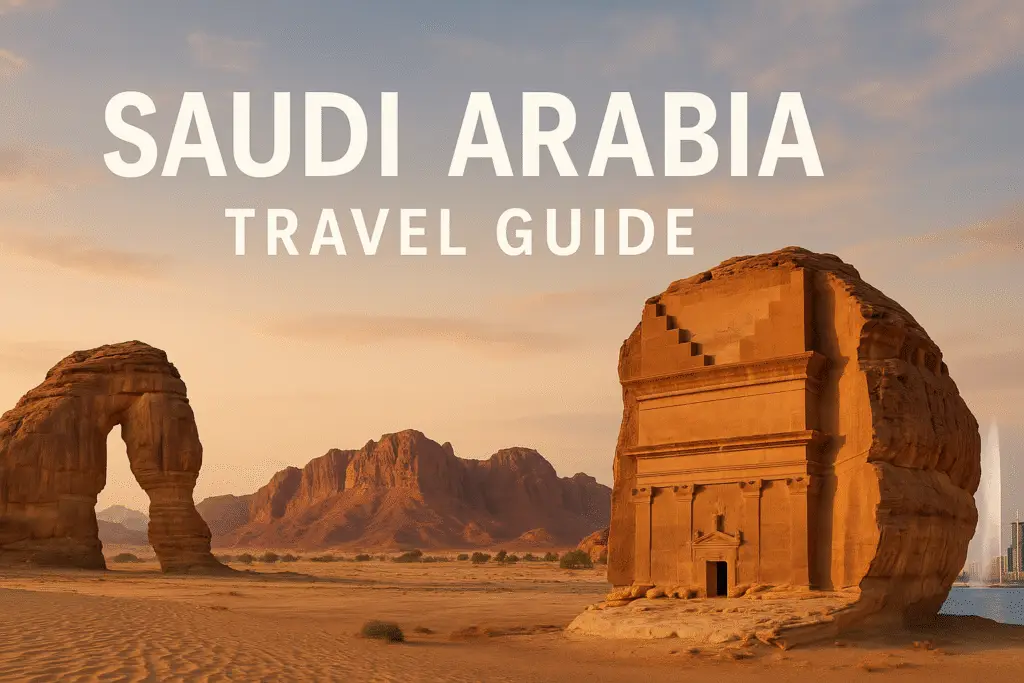
The crown jewel of AlUla is Hegra (Madain Salih), Saudi Arabia’s first UNESCO World Heritage Site and the southern sister city of Jordan’s Petra. Hegra was once a major city of the Nabataean civilization, and its rock-cut tombs are astonishingly well preserved. Each tomb is carved directly into massive sandstone cliffs, adorned with intricate facades, inscriptions and symbols that reveal the sophistication of the ancient kingdom. Walking through Hegra at sunrise or sunset is magical — the golden light casts long shadows across the desert, illuminating the tombs in warm, glowing hues. The silence and scale of the site give visitors a sense of timelessness.
But AlUla is far more than Hegra. The region’s landscapes are filled with dramatic rock formations shaped naturally over millions of years. Elephant Rock, one of AlUla’s most iconic formations, rises like a giant sculpture against the horizon. Jabal Ikmah, known as an open-air library, contains thousands of inscriptions left by travelers over centuries. The Dadan and Lihyan kingdoms, predecessors of the Nabataeans, left behind archaeological wonders including tombs, temples and statues. Old Town AlUla, with its narrow mud-brick alleyways, provides a window into the traditional life of the oasis settlements.
Today, AlUla is transforming into a global cultural hub. The Royal Commission for AlUla has developed luxury boutique resorts, eco-lodges and high-end desert camps. Events such as Winter at Tantora, outdoor concerts in Maraya (the world’s largest mirrored building), and cultural festivals bring together art, music, history and nature in unforgettable ways. Travelers can take hot air balloon rides over the desert, hike through ancient valleys, ride horses through palm groves and enjoy stargazing in one of the clearest night skies in the region.
AlUla is a destination that blends archaeological depth, natural wonder and modern creativity — making it one of the world’s most exciting new travel frontiers.
Madinah Region – Mountains, Peaceful Landscapes and Holy Significance
The region surrounding Madinah is filled with volcanic fields, mountains, oases, historic wells and farming communities. While the holy city of Madinah itself is a deeply sacred site for Muslims and not a general tourism location, the broader province holds immense natural and cultural value that travelers can experience respectfully.
North of the city lies the Harrat Khaybar volcanic field, one of the most dramatic geological landscapes in the Arabian Peninsula. Lava flows, extinct craters and basalt formations stretch across vast plains, creating a terrain that feels like another planet. This region is particularly fascinating for geologists, hikers and adventure travelers seeking off-the-beaten-path experiences.
The AlUla–Madinah corridor is rich with oases, date farms and ancient trade routes once used by caravans crossing the Arabian Peninsula. Mountains rise suddenly from the desert plains, offering viewpoints, picnic spots and hiking trails with breathtaking panoramas.
The province also hosts several traditional villages built from stone and mud-brick where time seems to stand still. Markets sell dates, honey, spices and handmade goods. The atmosphere surrounding Madinah is peaceful and spiritual, shaped by centuries of culture and devotion.
Taif – The City of Roses, Cool Breezes and Mountain Culture
Located in the Sarawat Mountains above Mecca, Taif is one of Saudi Arabia’s most refreshing and scenic cities. Known as the “City of Roses,” Taif is famous for its cool climate, terraced farms, lush valleys and fragrant rose fields used to produce some of the world’s finest rose water and essential oils.
The city’s elevation — more than 1,800 meters above sea level — makes it a popular summer retreat for residents and travelers seeking relief from the desert heat. Mountains covered with juniper trees surround Taif, creating a landscape that feels more like Lebanon or northern Oman than the central Arabian desert.
One of Taif’s most charming features is its ancient rose farms. Every spring, millions of pink Damask roses bloom across the highlands, filling the air with an intoxicating fragrance. Local farmers harvest the petals early in the morning and transport them to small, traditional distilleries where they are turned into rose water, perfumes and oils. Visitors can watch these distillation processes and purchase the finished products directly from the source.
Taif is also home to Al Hada Mountain, which offers hairpin mountain roads, cable car rides and panoramic viewpoints that overlook dramatic valleys. The cool air and refreshing climate make it ideal for hiking, picnics and nature walks. Wildlife such as baboons is often seen along the mountain roads, adding an unexpected but memorable element to the journey.
In the city, traditional markets sell fruits, flowers, crafts and spices. Taif’s pomegranate and grape harvests are well known. The Shubra Palace, a beautifully restored building with wooden mashrabiya windows, reflects the city’s architectural heritage.
Taif represents a different side of Saudi Arabia — green, fragrant, mountainous and deeply connected to agricultural traditions. It is one of the country’s most charming and underrated destinations.
Asir Mountains – One of the Most Beautiful Regions in the Arabian Peninsula
The Asir region, located in the southwest near Yemen, contains some of the most spectacular landscapes in Saudi Arabia. The mountains rise to elevations above 3,000 meters, creating cooler temperatures, terraced villages and lush forests rarely associated with the Arabian Peninsula. For travelers seeking scenic drives, mountain culture, and dramatic viewpoints, Asir is one of the top destinations in the country.
The regional capital, Abha, sits among green hills and cloud-covered peaks. Its cool climate, vibrant houses and artistic neighborhoods give it a modern yet village-like charm. At times, fog rolls through the mountains, covering everything in a mystical white veil.
Nearby, the village of Rijal Almaa is a UNESCO-nominated heritage site built from stone, clay and wood. Its multi-story stone houses with geometric patterns create one of the region’s most photogenic landscapes. The village holds centuries of history, once serving as a major trade center between Yemen and Saudi Arabia.
The Asir National Park offers forests, waterfalls, mountain trails and viewpoints overlooking deep valleys. The region is ideal for hiking, photography, paragliding and cultural exploration. The Habala Hanging Village, suspended along cliff faces, offers a dramatic look into historical mountain lifestyles.
Asir’s culture is vibrant and distinct. Traditional clothing features bright colors and woven patterns, unlike the attire seen in central or northern Saudi Arabia. Festivals showcase local dances, music and foods unique to the region. Travelers often describe Asir as one of the most unexpected and enchanting places in Saudi Arabia.
The Red Sea Coast – Coral Reefs, Marine Life and the Future of Luxury Travel
Saudi Arabia’s Red Sea coastline stretches for more than 1,500 kilometers, making it one of the most pristine and untouched marine environments in the world. Unlike Egypt’s Red Sea resorts, which have been developed for decades, Saudi Arabia’s coastline has remained largely natural, preserving its coral reefs, islands and clear waters.
This coastline is at the center of several major tourism projects, including the Red Sea Project, NEOM, and Amaala. These developments aim to create sustainable, luxury destinations focused on nature, wellness, marine life and eco-friendly design.
The Red Sea is home to over 200 coral species, vibrant fish, sea turtles, dolphins, manta rays and even whale sharks during migration seasons. Diving and snorkeling are extraordinary, with reefs that rival the Great Barrier Reef in color and diversity — yet without the mass tourism typical of other destinations.
Remote islands with white-sand beaches, mangroves and shallow lagoons are being carefully developed to balance accessibility with environmental protection. Travelers can expect overwater villas, eco-resorts, wellness retreats, and marine sanctuaries that feel both luxurious and untouched.
The city of Yanbu, often considered the gateway to the northern Red Sea region, offers coral diving, beaches and an attractive old town. Further south, Jeddah’s coastline combines urban life with beach clubs, marinas and snorkeling spots.
Saudi Arabia’s Red Sea is poised to become one of the world’s top future travel destinations — a place where nature, serenity, luxury and sustainability meet.
The Eastern Province – Coastlines, Culture and One of the World’s Largest Oases
Eastern Saudi Arabia feels completely different from the rest of the country. It is shaped by the energy of the Arabian Gulf, the softness of coastal breezes, and the agricultural richness of one of the world’s most ancient oases. The Eastern Province is also the industrial heart of Saudi Arabia, known for its oil history, but beyond the industrial image lies a beautiful blend of waterfront cities, heritage villages, islands, art centers and green landscapes.
The main city, Dammam, sits along a long, curved coastline with palm-lined promenades, cafés, parks and a calm sea stretching toward Bahrain. The atmosphere is relaxed and coastal, with families gathering on weekend evenings and fishermen casting lines along rocky shores. The Dammam Corniche is one of the loveliest promenades in the country, especially during sunset when the sky turns soft pastel shades over the water.
Just north of Dammam lies Al Khobar, the Eastern Province’s most cosmopolitan city. With its modern cafés, international restaurants, beach areas, malls, art galleries and waterfront districts, Al Khobar attracts young Saudis and expats alike. Its iconic Water Tower sits on a small island overlooking the city, offering panoramic views. Half Moon Bay, with its smooth sandy beaches and warm shallow waters, is one of the best coastal relaxation spots in the country.
But the true jewel of the East lies inland: Al Ahsa Oasis — a UNESCO World Heritage Site and one of the largest natural oases in the world. Al Ahsa’s vast fields of palm trees stretch across the desert for kilometers, fed by ancient underground springs that have supported life here for thousands of years. Walking through the palm groves, hearing the sound of water channels and feeling the cool shade beneath the leaves creates an atmosphere unlike anywhere else in Saudi Arabia.
Al Ahsa’s Qaisariya Souq is one of the oldest markets in the region, filled with spices, traditional perfumes, coffee, pottery, woven baskets and handicrafts. The marketplace feels like stepping into an early chapter of Arabian history, where traders once crossed deserts with caravans carrying goods.
Nearby sits Jabal Qarah, a rocky mountain with narrow caves and carved pathways formed naturally by erosion. The caves stay cool in summer and warm in winter, making them an atmospheric spot to explore. The views from atop the cliffs reveal the striking contrast between green oasis and golden desert.
Eastern Saudi Arabia offers a blend of tradition, nature and modern coastal lifestyle, making it an essential part of any deep exploration of the Kingdom.
Najran – A Land of Castles, Culture and Desert Greenery
In the far south, near the Yemeni border, lies Najran, one of the most culturally rich and historically layered regions in the Kingdom. The landscapes here are surprising: green valleys filled with palm trees, traditional mud-brick fortresses, colorful tribal houses, fruit farms, mountain slopes and ancient archaeological sites.
Najran’s most iconic structure is Al-Ukhdood, a vast archaeological settlement dating back thousands of years, mentioned in early Islamic history and tied to dramatic stories of conflict and endurance. Excavated inscriptions, pottery and walls give insight into civilizations that once thrived along these trade routes.
Another highlight is Najran Fortress, a massive mud-brick palace with traditional architectural patterns and views across the city’s green farmland. Its blend of historical charm and natural beauty makes it one of the most photogenic locations in the region.
Najran is also known for its distinctive traditional architecture: tall, multi-story houses with geometric painted designs, often using bright colors such as red, yellow and white. These designs, unique to southern Arabia, reflect tribal identity and artistic heritage.
The region’s oasis landscape is lush and fertile. Date farms, citrus orchards and fields stretch along the Najran Valley, creating a striking contrast to the surrounding desert plateaus. The people of Najran are known for exceptional hospitality, strong tribal culture, traditional music and poetry — all of which give the region a deep cultural soul.
The Empty Quarter – Silence, Majesty and the Raw Heart of the Desert
The Rub’ al Khali, or Empty Quarter, is one of the largest and most untouched sand deserts on the planet. Covering parts of Saudi Arabia, Oman, the UAE and Yemen, it is a place of endless dunes, deep silence and overwhelming beauty. In Saudi Arabia, the Empty Quarter stretches across the southern part of the country like an ocean of sand.
Visiting the Empty Quarter is an awe-inspiring experience. The dunes here are enormous, rising hundreds of meters high and stretching endlessly into the horizon. The colors shift from pale gold to deep amber depending on the light. At sunset, the desert glows, creating a surreal landscape of shadows and waves. At night, the stars blanket the sky in a brilliance rarely seen in the modern world.
The desert is also home to important historical routes. Explorers such as Bertram Thomas and H. St. John Philby crossed this vast wilderness in the 20th century, documenting its extreme conditions and mysterious beauty. Today, guided expeditions allow travelers to explore parts of the Empty Quarter, offering dune drives, camping experiences, camel rides and cultural insights.
Despite its name, the Empty Quarter is not empty. It contains unique wildlife, rare desert plants, Bedouin traditions and stories that shape the identity of Arabia. The silence of the Rub’ al Khali is unlike anything else — powerful, humbling and unforgettable.
Saudi Culture – Hospitality, Faith, Identity and Transformation
Saudi culture is shaped by thousands of years of history, desert life, tribal traditions and Islamic values. Even as the country modernizes rapidly, these foundations remain deeply rooted in daily life.
Hospitality is one of the most important cultural principles. Guests are treated with honor, generosity and warmth. Serving Arabic coffee (gahwa) with dates is a symbolic gesture of welcome and respect. Traditional gatherings often take place in a majlis, a room or tent dedicated to hosting guests, discussing community matters and sharing food.
Religion plays a central role in Saudi identity. Islam influences everyday rhythms, architecture, social customs and national holidays. The call to prayer echoes across every city and village five times a day, marking moments of reflection and devotion.
Family and community are pillars of Saudi society. Strong bonds between generations shape social life, and extended families often live in close proximity. Cultural festivals, weddings, poetry gatherings and seasonal celebrations bring people together frequently.
Despite modernization, Saudis embrace their heritage with pride — from traditional clothing like the thobe and abaya to camel festivals, falconry competitions, sword dances (Ardah), and locally produced handicrafts.
At the same time, younger generations are reshaping cultural expression. Music festivals, art exhibitions, film events and fashion shows highlight a new creative era. The cultural landscape of the country is expanding rapidly, blending tradition with modernity in exciting ways.
Saudi Cuisine – A Warm, Aromatic Reflection of History
Saudi Arabia’s cuisine is rich, flavorful and influenced by desert life, Bedouin traditions, spice routes and regional diversity. Food plays a central role in hospitality, family gatherings and celebrations.
In the central Najd region, dishes like kabsa and madhbi reflect traditional cooking methods using rice, meat, spices and slow roasting. In the western Hijaz region around Jeddah and Mecca, the cuisine is influenced by centuries of multicultural contact — resulting in dishes like mandi, saleeg, and flavorful stews.
In the south, mountain regions offer fresh produce, honey, herbs and unique breads. Coastal areas specialize in seafood dishes, including grilled fish and spiced rice.
Common ingredients include saffron, cardamom, black lime, cloves, turmeric, cinnamon, raisins, nuts and roasted meats. Traditional bread, known as khubz, accompanies most meals, and small cups of tea or coffee are served throughout the day.
Saudi food is more than nourishment — it is a symbol of generosity, connection and cultural pride.
Daily Life – Tradition and Modern Lifestyle Hand in Hand
Daily life in Saudi Arabia is a fascinating balance between tradition and rapid modernization. Cities like Riyadh, Jeddah and Dammam have world-class infrastructure, international restaurants, shopping malls, art venues, theme parks and entertainment districts. At the same time, traditional markets, mosques, family gatherings and cultural customs remain central to everyday routines.
Saudi Arabia feels both deeply rooted and forward-looking. This duality shapes the lifestyle of its people: proud of heritage, yet actively participating in global innovation, technology, business, sports and modern culture. It is a country in motion, constantly evolving, yet firmly connected to its identity.
Tabuk Region – Mountains, History and the Future of NEOM
The Tabuk region, located in the northwest of Saudi Arabia, is one of the most visually diverse and historically rich parts of the country. It is a land of sandstone formations, dramatic canyons, volcanic fields, beaches, mountain valleys and archaeological sites. Tabuk’s environment combines desert, sea and highlands in a way that feels almost surreal — every turn reveals a new landscape.
The city of Tabuk itself is calm and atmospheric, with palm-lined streets, local souks, traditional bakeries and historic buildings such as Tabuk Castle, a centuries-old fortress linked to early Islamic history. But the true magic of the region lies in the landscapes that surround the city.
One of the most famous attractions in northern Saudi Arabia is Wadi Tayeb Al-Ism, a breathtaking canyon that locals often compare to the landscapes of Wadi Rum or the American Southwest. Towering rock walls rise dramatically on both sides, while the valley floor contains date palms, streams and shaded resting spots. The contrast between rugged cliffs and pockets of greenery creates a scene that feels ancient and cinematic.
Another highlight is Maghaer Shuaib (Caves of Prophet Shuaib), an archaeological site filled with rock-cut tombs and Nabataean-style facades. These ancient structures resemble small versions of those found in Petra and Hegra, showcasing the historical depth of this region.
And then there is NEOM — one of the most ambitious projects on Earth. NEOM is a futuristic mega-region being built along the Red Sea and inland mountains, designed to blend sustainability, innovation, architecture and nature. Parts of the region include:
- The Line, a linear smart city stretching 170 km but only 200 meters wide, designed to operate without cars and with zero emissions.
- Trojena, a mountain development with lakes, ski resorts, hiking trails and luxury architecture embedded into alpine-like peaks.
- Sindalah, a luxury island destination offering yacht ports, coral reef diving and high-end tourism.
- Oxagon, an advanced port and innovation hub shaped like an octagon across the Red Sea.
Whether or not travelers come specifically for NEOM, the surrounding landscapes are worth exploring — steep canyons, hidden springs, deep-red mountains and coastal strips that remain untouched by mass tourism. As NEOM develops over the coming years, the Tabuk region will become one of the most exciting travel destinations in the world.
Northern Saudi Arabia – History, Desert Art and Hidden Wonders
Beyond Tabuk, northern Saudi Arabia contains an extraordinary variety of archaeological sites, ancient inscriptions, natural formations and hidden valleys. This region feels raw, remote, wild and rich with untold stories.
Jubbah, located in the Hail Province, is famous for its rock art sites that date back more than 7,000–9,000 years. Carvings depicting animals, hunters, camels and human figures spread across sandstone formations, offering a rare glimpse into prehistoric desert life. These petroglyphs are among the most important archaeological treasures in the Arabian Peninsula.
Nearby, the Hail Mountains rise in dramatic shapes, creating a landscape of cliffs, boulders and deep valleys. Hiking in this region feels like stepping into a prehistoric world shaped entirely by nature.
The northern provinces also contain remnants of ancient kingdoms, caravan routes and settlements. Dumat Al-Jandal, a historic city in the Al-Jawf region, features ancient fortresses, mosques, wells and stone houses that stand as witnesses to centuries of trade and migration.
Even the open desert landscapes are filled with surprises — black basalt fields, golden dune seas, rocky plateaus, fossilized coral beds and unexpected oases. Northern Saudi Arabia is a dream region for photographers, historians, geologists and travelers seeking the world’s last great untouched desert frontiers.
Nature and Wildlife – Volcanoes, Coral Reefs, Mountains and More
Saudi Arabia’s natural environment is one of the most underrated in the world. Although many imagine it as endless desert, the Kingdom contains mountains over 3,000 meters high, green valleys, tropical coastlines, volcanic craters, coral reefs, salt flats, islands and wildlife reserves.
In the west, the Sarawat Mountains stretch along the Arabian Peninsula, shaping the landscapes of Taif, Asir and Jazan. These mountains capture rainfall, creating forests, terraced farms and biodiverse ecosystems. Animals such as Arabian leopards, baboons, wolves, mountain goats and dozens of bird species live in these highlands.
The central region contains desert plateaus and volcanic fields such as Harrat Rahat, where ancient lava flows extend for miles. The massive Al Wahbah Crater, located between Makkah and Medina provinces, is a spectacular volcanic crater with a bright white salt lake at its center — one of the most unique natural formations in the country.
The Red Sea coast, stretching from Tabuk to Jazan, offers coral reefs, mangroves, dolphins, sea turtles, whale sharks and crystal-clear waters ideal for diving and snorkeling. Because so much of the coastline remains undeveloped, its reefs are healthier and more vibrant than many popular tourist destinations around the world.
Saudi Arabia’s nature is raw, untouched and incredibly diverse — a paradise for travelers who love geology, wildlife, underwater life and dramatic landscapes.
Itineraries – Explore Saudi Arabia at Your Own Pace
7-Day Classic Saudi Arabia Itinerary
A one-week journey offers a powerful introduction to the Kingdom, focusing on the golden triangle of Riyadh, Jeddah and AlUla.
Travelers begin in Riyadh, exploring historical sites like Diriyah and modern districts that reflect the country’s transformation.
Next, they fly to AlUla, wandering through Hegra, Elephant Rock and desert canyons.
The journey concludes in Jeddah, where visitors explore Al-Balad, the Corniche, and the Red Sea.
This itinerary offers a perfect mix of heritage, nature and culture.
10-Day Cultural + Nature Itinerary
With 10 days, travelers can experience Riyadh, AlUla, Jeddah, and add Taif or Asir for cooler mountain retreats.
Riyadh’s museums and heritage sites provide cultural grounding;
AlUla offers awe-inspiring landscapes;
Taif or Asir offer greener mountains;
Jeddah ends the trip with coastal charm and cosmopolitan energy.
14-Day Grand Tour of Saudi Arabia
A two-week journey allows a full exploration across regions:
- Riyadh and Diriyah (culture + modernity)
- AlUla and Hegra (archaeology + desert beauty)
- Jeddah and the Red Sea (coastline + culture)
- Taif or Abha in Asir (mountain lifestyle)
- The Eastern Province (oasis landscapes)
- Northern Saudi Arabia (rock art + hidden deserts)
This is the ultimate way to understand Saudi Arabia’s diversity.
Final Conclusion – Why Saudi Arabia Is One of the World’s Most Unexpected and Extraordinary Destinations
Saudi Arabia is a country of contrasts and discovery — a place where the world’s largest sand desert meets coral seas, where ancient tombs stand beside futuristic cities, where tradition is honored while innovation accelerates at stunning speed. For centuries, this land remained a mystery to outsiders, its secrets hidden among dunes, mountains and caravan towns. But today, Saudi Arabia is opening itself to the world, inviting travelers to experience landscapes, heritage and culture that have existed for millennia.
What makes Saudi Arabia so extraordinary is its scale and variety. It feels like an entire continent in one country—
the red canyons of AlUla,
the green highlands of Asir,
the volcanic craters of Harrat Khaybar,
the turquoise waters of the Red Sea,
the modern skylines of Riyadh,
the historic coral houses of Jeddah,
and the quiet palm groves of Al Ahsa.
The Kingdom offers a travel experience that is both ancient and modern, luxurious and raw, familiar and completely new.
At its heart lies the hospitality of the Saudi people — warm, welcoming, proud of their heritage and eager to share the beauty of their homeland. Whether drinking Arabic coffee in a majlis, exploring markets filled with spices and crafts, or hiking through mountains that few tourists have ever seen, visitors feel a deep sense of connection.
Saudi Arabia is not just opening to tourism — it is redefining what a travel destination can be. It is a land of stories, dreams, and possibilities, where horizons stretch endlessly and history lives in every rock and breath of desert wind.
For travelers seeking something extraordinary, authentic and unforgettable, Saudi Arabia is one of the most compelling destinations in the world.
 Related Articles
- Kakslauttanen Arctic Resort
- Top 10 Most Unique Places to Stay in Europe
- 10 Incredible Castles Around the World