
BELIZE TRAVEL GUIDE
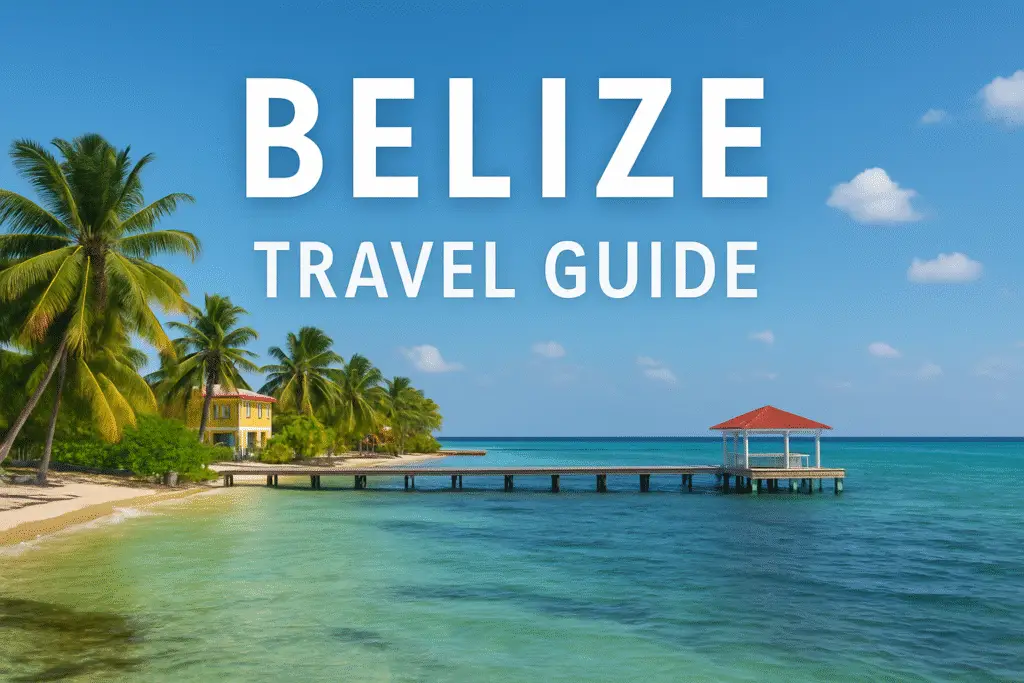
Belize is one of the most captivating and underrated travel destinations in Central America. It is a country where Caribbean culture meets ancient Mayan history, where lush rainforests blend into turquoise waters, and where tiny islands sit peacefully along the world’s second-largest barrier reef. Despite being geographically small, Belize offers some of the most spectacular natural attractions in the Western Hemisphere — majestic caves, vibrant coral reefs, wildlife-rich jungles, waterfalls, rivers, archaeological sites, and dreamlike tropical islands known as cayes.
What makes Belize truly unique is how many different experiences fit inside such a compact country. Travelers can explore ancient temples in the morning, float through caves in the afternoon, and relax on palm-lined beaches by sunset. Unlike many destinations that require long travel days between regions, Belize allows visitors to experience rainforest, reef, and ruins all within a short distance. It is this combination — short travel times and big adventure — that makes Belize one of the most appealing destinations for both first-time travelers to Central America and experienced explorers.
The culture of Belize is incredibly diverse for its size. The population includes Creole, Mestizo, Garifuna, Maya, Mennonite, and East Indian communities, each contributing to the country’s music, cuisine, languages, spirituality, and art. English is the official language, making Belize especially easy to navigate for travelers who do not speak Spanish. Creole (Kriol), Spanish, and Mayan languages are also widely spoken. This multicultural blend gives Belize a warm, welcoming atmosphere where traditions mix naturally and communities celebrate their heritage through food, dance, and festivals.
The Belize Barrier Reef is the crown jewel of the country. Stretching over 300 kilometers, it is one of the most biologically diverse marine ecosystems in the world. UNESCO describes it as a natural wonder of global importance. Here, travelers can snorkel with sea turtles, rays, reef sharks, and hundreds of fish species. Divers can explore deep blue sinkholes, underwater caves, coral gardens, and towering reef walls. Even non-divers are captivated by the clarity of the Caribbean Sea, the rhythm of island life, and the gentle sway of coconut palms lining white sandy beaches.
But Belize is far more than its coastline. Inland, the country offers lush jungles filled with wildlife — jaguars, howler monkeys, toucans, tapirs, iguanas, and scarlet macaws. Towering ceiba trees stretch toward the sky, while waterfalls cascade through protected reserves such as Mountain Pine Ridge. The rivers and caves of Belize reveal secrets that date back thousands of years. Many are sacred sites used by the ancient Maya for rituals, burials, and offerings. Cave tubing, a uniquely Belizean activity, allows visitors to float through ancient cave systems once considered gateways to the underworld.
The ancient Maya civilization flourished in Belize for centuries, leaving behind impressive archaeological sites. Caracol, the largest Maya city in Belize, once held a population comparable to present-day Belize City. Its temples rise dramatically from the jungle canopy. Xunantunich sits on a hilltop overlooking the Mopan River, while Lamanai is accessed by boat through rainforest rivers. These sites are still surrounded by wildlife, creating an immersive sense of stepping back in time.
Belize’s towns and villages each offer their own personality. San Ignacio is the adventure capital of the country, full of jungle lodges, river access, and tour companies. Hopkins is a laid-back Garifuna village known for drumming, dancing, and traditional coastal life. Placencia is a narrow peninsula famous for beaches, restaurants, and relaxed Caribbean charm. Belize City, the largest urban center, offers museums, colonial architecture, and access to offshore islands. Ambergris Caye and Caye Caulker represent the heart of Belize’s island culture — one more upscale and lively, the other slow-paced and peaceful.
The climate of Belize is tropical, warm, and humid throughout the year. Seasons are defined by rainfall rather than temperature. The dry season, from late November to April, is the most popular time to visit, offering sunny weather and calm seas. The green season, from June to October, brings more rainfall but also lush landscapes, fewer tourists, and excellent wildlife viewing. Even during the rainy months, showers are typically brief and afternoons often clear.
Traveling in Belize feels easy and intimate. Roads connect the major towns, boats link the islands, and local flights shorten travel time for visitors who want convenience. Accommodations range from barefoot-luxury beach resorts to eco-lodges deep in the jungle. Food is flavorful, simple, and fresh — featuring ingredients like coconut, plantains, seafood, rice, beans, and spices. Belizean hospitality is warm and relaxed, with locals often greeting travelers with a smile and the phrase, “Welcome to Belize!”
For those who love nature, culture, and adventure, Belize offers a travel experience that feels authentic and unspoiled. It is the kind of country where travelers slow down, breathe deeply, and feel connected to both land and sea. Whether swimming with gentle sharks, climbing ancient temples, exploring mystical caves, paddleboarding in calm lagoons, or relaxing in a hammock on a quiet island, Belize captures the imagination and leaves a lasting impression.
Belize may be small in size, but it contains an incredible variety of landscapes and cultures within its borders. Each region of the country has its own atmosphere — from dense rainforest to Caribbean beaches, from inland Mayan villages to remote islands scattered along the barrier reef. Understanding these regional differences helps travelers plan journeys that balance adventure, relaxation, culture, and nature.
THE MAIN REGIONS OF BELIZE
Belize is generally divided into six major regions: Cayo District, Toledo District, Stann Creek District, Belize District, Orange Walk District, and the Cayes. Each area offers its own travel experiences, and many visitors combine two or three of them in one trip due to short travel distances.
Cayo District – The Jungle & Adventure Capital
Cayo is the beating heart of inland Belize — a vast region of rainforest, rivers, caves, wildlife, and ancient Mayan cities. The main hub, San Ignacio, is a lively town full of guesthouses, markets, restaurants, and adventure tour operators. The Cayo region attracts travelers who want to explore Belize’s wild interior and experience jungle life up close.
The landscape consists of lush forest, rolling hills, farmland, and protected reserves. Wildlife is abundant: howler monkeys, toucans, iguanas, jaguars, coatimundi, and colorful bird species make their home in the region. Rivers like the Mopan and Macal flow through the district, providing opportunities for canoeing, tubing, and swimming.
Cayo is also home to some of the most important archaeological sites in the country, including Caracol, Xunantunich, Cahal Pech, and the famous Actun Tunichil Muknal (ATM Cave) — one of the most extraordinary cave experiences in the world. Travelers come to Cayo to hike through remote forests, climb ancient temples, encounter wildlife, and experience Belize’s adventurous spirit.
Stann Creek District – Culture, Beach Towns & the Southern Coast
Stann Creek stretches along the southern coast of Belize and features a mix of coastal towns, Garifuna culture, wildlife reserves, and offshore cayes. The region’s two most popular destinations are Placencia and Hopkins, each offering beautiful beaches, ocean activities, and unique cultural identity.
Hopkins is a quiet, friendly Garifuna village where traditional drumming, dancing, and food remain an essential part of daily life. It is one of the best places in Belize to learn about Garifuna heritage. The area is perfect for travelers seeking a slow-paced beach town surrounded by lagoons, mangroves, and wildlife reserves such as Cockscomb Basin, home to Belize’s jaguar population.
Placencia, by contrast, is a longer, livelier peninsula with restaurants, bars, beach resorts, and a laid-back Caribbean vibe. The peninsula’s beaches are some of the best on the mainland, and tours depart daily to nearby cayes, reefs, and whale shark feeding grounds. Its charming pedestrian-only “Sidewalk” is lined with shops and cafés.
Stann Creek offers a perfect balance of beach life, cultural experiences, nature, and ocean adventures.
Belize District – Belize City & Gateway to the Cayes
Belize District includes Belize City, the largest urban center in the country. While not a beach destination, Belize City is an important transportation hub for ferries, domestic flights, and tours. The city has colonial architecture, colorful markets, museums, and historical landmarks.
The Belize River winds through the district, and wildlife sanctuaries such as the Community Baboon Sanctuary protect howler monkeys and other species. Inland from Belize City lies the Belize Zoo, famous for its focus on native wildlife and education.
Most travelers pass through Belize District on their way to islands like Caye Caulker and Ambergris Caye, but the region has cultural and historical significance.
Cayes of Belize – The Reef, Blue Waters & Tropical Island Living
The cayes are the soul of Belize’s Caribbean identity. These palm-lined islands sit directly along the barrier reef and are the main destination for snorkeling, diving, sailing, kayaking, and waterfront relaxation. The cayes come in many shapes and personalities.
Ambergris Caye is the largest and most developed island. Its main town, San Pedro, offers beach bars, restaurants, hotels, and golf carts buzzing along sandy streets. It is lively, social, and filled with ocean tours and nightlife.
Caye Caulker is smaller, quieter, and far more relaxed. Its motto, “Go Slow,” reflects the island’s peaceful rhythm. There are no cars—only bicycles and golf carts. Travelers come here to unwind, snorkel, eat seafood, and enjoy the calm turquoise water around the Split.
The Turneffe Atoll, Glover’s Reef, and Lighthouse Reef are remote marine reserves that offer world-class diving lodges far from crowds. These islands are tiny, pristine, and surrounded by coral reefs.
Toledo District – The Wild South
Toledo is one of the least visited regions of Belize and often called “the forgotten district.” Those who do visit discover a hidden world of untouched rainforest, Mayan villages, cacao farms, waterfalls, and rivers. The town of Punta Gorda serves as a base for eco-lodges and community tourism.
Toledo offers cultural immersion, farm tours, organic chocolate making, jungle hikes, and river kayaking. It is ideal for travelers seeking authentic, off-the-beaten-path experiences.
Orange Walk District – Wildlife, Rivers & Maya History
Orange Walk is dominated by farmland, sugar cane fields, forests, and wetlands. The district’s signature attraction is Lamanai, one of the most beautiful Mayan sites in the country. What makes Lamanai especially magical is the journey — travelers access it by boat along the New River, passing crocodiles, herons, turtles, monkeys, and exotic birds.
Orange Walk is a paradise for birdwatchers. With hundreds of species, including parrots, storks, toucans, and herons, it attracts nature photographers and wildlife lovers. Boat trips, river lodges, and forest reserves make it one of the most peaceful corners of Belize.
THE LANDSCAPES & WILDLIFE OF BELIZE
Despite its small size, Belize contains a surprising range of landscapes — from lush rainforest and pine forests to coral reefs and mangrove islands. Over half of the country is forested, and roughly 25% is protected through reserves, national parks, wildlife sanctuaries, and marine areas.
Rainforests
The rainforests of Belize are rich ecosystems filled with towering trees, vines, orchids, bromeliads, ferns, and tropical life. Jaguars, pumas, ocelots, tapirs, howler monkeys, and kinkajous all live within the jungle.
Travelers often hear the roar of howler monkeys echoing through the canopy. Birdlife is spectacular: toucans with rainbow-colored bills, scarlet macaws with brilliant plumage, hummingbirds, parrots, hawks, and kingfishers fill the forests.
Hiking in the rainforest reveals waterfalls, natural pools, caves, and ancient Mayan ruins hidden deep within the trees.
The Belize Barrier Reef & Marine Life
The Belize Barrier Reef forms one of the most extraordinary marine ecosystems on Earth. Made up of coral formations, atolls, seagrass beds, and hundreds of fish species, the reef extends along almost the entire coast of Belize.
Snorkeling highlights include sea turtles, nurse sharks, eagle rays, moray eels, colorful reef fish, stingrays, and coral gardens filled with brain coral, fan coral, and fire coral.
Three offshore atolls — Lighthouse Reef, Glover’s Reef, and Turneffe Atoll — offer some of the best diving in the Caribbean. Lighthouse Reef is home to the world-famous Great Blue Hole, a massive underwater sinkhole that attracts divers from all over the world.
Rivers, Waterfalls & Lagoons
Belize is rich in freshwater ecosystems. Rivers such as the Macal, Mopan, Belize River, and New River wind through dense jungle, supporting wildlife along their banks. Kayaking, canoeing, and boat tours are popular.
The Mountain Pine Ridge region contains waterfalls, natural pools, and granite cliffs. Notable spots include Big Rock Falls, Thousand Foot Falls, and Rio On Pools, where the water cascades over smooth rocks into emerald pools.
Lagoons and mangroves support manatees, crocodiles, and birdlife, creating important habitats for conservation.
TOP DESTINATIONS IN BELIZE (DETAILED)
Here we begin long-form descriptions of Belize’s most important destinations. More destinations continue in PART 3.
San Ignacio – The Soul of Adventure Travel
San Ignacio is the gateway to Belize’s wild interior — a lively, colorful town surrounded by rainforest, rivers, farms, and Mayan ruins. It has become the adventure capital of the country, attracting travelers who want to explore caves, waterfalls, archaeological sites, and nature reserves.
The town itself is charming, with open-air restaurants, markets, fruit stands, friendly locals, and a multicultural community. Tour companies line the streets, offering excursions to caves, ruins, rivers, and jungle trails. Accommodations range from simple guesthouses to luxury jungle lodges perched above the forest canopy.
San Ignacio is also one of the best gateways to the ATM Cave, Caracol, Xunantunich, and Mountain Pine Ridge — all famous attractions described in detail in the next section.
Travelers often spend several days here, balancing adventure with relaxation. The evenings are warm and lively, perfect for enjoying local cuisine, music, and cold drinks after a day of exploration.
Ambergris Caye – The Iconic Belizean Island
Ambergris Caye is the most famous island in Belize — a lively, beautiful, and colorful Caribbean escape located just offshore from the barrier reef. Its main town, San Pedro, is filled with beach bars, waterfront restaurants, boutique hotels, dive shops, and palm-lined beaches.
What makes Ambergris Caye especially attractive is the combination of energy and nature. Travelers can spend the morning snorkeling with sharks and rays at Hol Chan Marine Reserve, the afternoon relaxing under palm trees, and the evening enjoying beachside music and fresh seafood.
The island’s roads are mostly sand, and visitors get around by golf cart, bicycle, or on foot. The vibe is tropical, friendly, and carefree. Ambergris offers the best combination of accessibility, nightlife, dining, and ocean adventures.
This is one of the best places in Belize for first-time visitors looking for both comfort and adventure.
Caye Caulker – “Go Slow” Island Life
Caye Caulker is smaller, quieter, and even more relaxed than Ambergris Caye. The island’s unofficial motto, “Go Slow,” perfectly describes its peaceful atmosphere. There are no cars here — only bicycles, golf carts, and sandy paths lined with coconut trees and colorful houses.
Travelers come to Caye Caulker to unwind, eat delicious seafood, snorkel, kayak, paddleboard, and enjoy the gentle Caribbean breeze. The Split, a channel dividing the island, is the main swimming and social area, with turquoise water and views of passing boats.
Caye Caulker attracts a mix of backpackers, couples, and long-term travelers — anyone who wants a simple, slow-paced island escape surrounded by warm Caribbean water.
Placencia – Beaches, Cuisine & Caribbean Charm
Placencia is located on a long, narrow peninsula with beaches stretching for miles. It has a relaxed, welcoming atmosphere, with restaurants, beach bars, boutique hotels, and charming guesthouses lining the shoreline.
The village center is small and walkable, highlighted by the famous pedestrian “Sidewalk,” filled with shops, fruit stands, cafés, and handmade crafts. Placencia offers easy access to offshore cayes, marine reserves, and whale shark tours during the migration season.
The southern part of the peninsula feels more resort-oriented, while the northern areas offer peace, nature, and privacy. Travelers love Placencia for its perfect blend of Caribbean beaches, food culture, adventure tours, and village charm.
Hopkins – Garifuna Culture & Natural Beauty
Hopkins is the cultural heart of Belize’s Afro-Caribbean Garifuna community. It is a quiet, beachfront village where travelers can experience drumming performances, traditional dancing, Garifuna cuisine, and warm hospitality.
The beaches here are peaceful and natural, and the village is surrounded by lagoons, rivers, and nature reserves. Nearby Cockscomb Basin Wildlife Sanctuary, home to jaguars and rainforest wildlife, makes Hopkins a perfect base for nature lovers.
Travelers come here for a deeper cultural experience, authenticity, and slow-paced coastal life.
Great Blue Hole, cave systems, ruins, wildlife reserves, towns & culture
Belize is one of the rare destinations where travelers can move seamlessly from reef to rainforest, from ancient Maya temples to underground rivers, and from lively coastal villages to untouched jungle. This part of the guide explores the country’s most iconic natural attractions, archaeological sites, and cultural experiences with the long, immersive detail your website needs.
THE GREAT BLUE HOLE & LIGHTHOUSE REEF
The Great Blue Hole is the most famous natural landmark in Belize and one of the most iconic diving sites in the world. Seen from above, it appears as a perfect circular abyss — a deep, dark-blue sinkhole surrounded by shallow turquoise water. Its diameter is nearly 300 meters, and it drops to a depth of over 120 meters. The Blue Hole was formed during the last Ice Age when sea levels were lower; as caves collapsed and filled with seawater, this enormous limestone sinkhole emerged.
Located within Lighthouse Reef Atoll, one of the most pristine marine environments in the Caribbean, the Blue Hole attracts divers, snorkelers, and adventurers from around the world. Divers experience towering stalactites and ancient cave formations at depth, while snorkelers enjoy the surrounding reef with clear views of fish, coral, rays, and sometimes even reef sharks.
But the Blue Hole is just one part of Lighthouse Reef. The atoll also contains Half Moon Caye, a protected island with a red-footed booby bird colony, palm-lined beaches, and coral gardens. The reefs here are vibrant, untouched, and full of life, making Lighthouse Reef one of the richest marine ecosystems in Belize.
For many travelers, a trip to Lighthouse Reef is among the most unforgettable experiences in Belize — a combination of island beauty, marine diversity, and geological wonder that feels almost otherworldly.
THE CAVES OF BELIZE — AN ANCIENT UNDERWORLD
Belize sits atop a network of limestone caves that the ancient Maya considered sacred gateways to the underworld, known as Xibalba. These caves are among the most unique and fascinating natural attractions in Central America. Visitors can hike, climb, swim, and float through caverns decorated with stalactites, stalagmites, crystal formations, and ancient artifacts.
Actun Tunichil Muknal (ATM Cave)
The ATM Cave is considered one of the most extraordinary adventure experiences in the world. Located near San Ignacio, the cave offers a journey deep into Belize’s ancient Maya past. To reach the entrance, travelers hike through jungle, cross rivers, and climb over rocks before swimming into the cave itself.
Inside, the cavern opens into chambers filled with Maya pottery, tools, and ceremonial artifacts that have remained untouched for over a thousand years. Human remains lie preserved on the cave floor, including the famous “Crystal Maiden,” a skeleton whose bones have crystallized over time due to mineral deposits. The atmosphere inside is silent, sacred, and surreal, giving visitors a deep sense of the spiritual world of the Maya.
The combination of adventure, archaeology, and natural beauty makes the ATM Cave one of Belize’s signature experiences — a highlight for travelers interested in history, mystery, and physical exploration.
Cave Tubing & Cave Branch
Another uniquely Belizean experience is cave tubing, where travelers float along an underground river on inflatable tubes. The Cave Branch area, located south of Belmopan, features a series of cave systems accessible by gentle river currents. Guides lead visitors through caverns decorated with limestone formations while the sound of the river echoes off the rock walls.
The atmosphere is cool and calm, with light filtering through cave openings and illuminating hanging stalactites. Cave tubing is peaceful, family-friendly, and one of the most relaxing ways to experience Belize’s hidden underworld.
Barton Creek Cave
Barton Creek Cave, accessed by canoe, is another spectacular cave system where visitors paddle through a narrow entrance and glide silently across calm water. Maya pottery shards and ceremonial sites remain undisturbed on ledges inside the cave. The ceiling rises high above the water, with formations that glitter in the light of headlamps.
It is a tranquil, spiritual experience that combines nature, archaeology, and quiet reflection.
MAYA ARCHAEOLOGY — ANCIENT CITIES IN THE HEART OF THE JUNGLE
Belize was an important center of the ancient Maya civilization. Today, the country contains dozens of archaeological sites — many still partially hidden by jungle. The ruins range from small ceremonial sites to massive cities with towering pyramids.
Caracol — The Great Maya City of Belize
Caracol is the largest Maya site in Belize and one of the most powerful ancient cities in the entire region. Located deep within the Chiquibul Forest, Caracol once held a population that may have rivaled modern-day Belize City. Its main pyramid, Caana (“Sky Palace”), rises nearly 43 meters above the jungle canopy, making it one of the tallest man-made structures in Belize.
Exploring Caracol feels like discovering a lost world. Massive plazas, temples, ball courts, stelae, and residential complexes stretch across the forest floor. Monkeys call from the trees above, and leafcutter ants march across ancient stone steps. The remoteness of Caracol adds to its mystery and grandeur. Few travelers reach this site compared to more famous Maya ruins elsewhere, making it a deeply atmospheric and authentic experience.
Xunantunich — The Hilltop City
Xunantunich sits on a hill overlooking the Mopan River near the Guatemalan border. The site is known for its central pyramid, El Castillo, which offers panoramic views of the surrounding jungle and nearby villages. The structure is decorated with carved friezes, and climbing to the top reveals how the Maya built their cities to align with the landscape.
The journey to Xunantunich includes a short hand-cranked ferry crossing, adding charm to the experience. The site is easy to access from San Ignacio, making it a popular day trip.
Lamanai — The River City
Lamanai is one of the most picturesque Maya sites in Belize. What makes it special is the journey — visitors travel by boat along the New River, passing crocodiles, birds, turtles, and monkeys before reaching the ruins hidden in deep jungle.
The site includes impressive structures such as the Mask Temple, High Temple, and Jaguar Temple, each surrounded by towering trees and wildlife. Lamanai’s setting feels almost cinematic — ancient stone emerging from thick rainforest, echoing with animal calls.
Cahal Pech — A Quiet Archaeological Gem
Located just outside San Ignacio, Cahal Pech is a smaller Maya site but one of the oldest in Belize. The compact complex contains plazas, royal residences, and passageways that reveal early Maya architecture. It is peaceful, easily accessible, and ideal for travelers who want a quieter archaeological experience.
MOUNTAIN PINE RIDGE FOREST RESERVE — WATERFALLS & RIVERS
Mountain Pine Ridge is a highland region in western Belize where the landscape changes dramatically from rainforest to towering pine forests, granite outcrops, and rushing rivers. This area feels almost like a different country — cooler, breezier, and filled with natural landmarks.
Some of the highlights include:
- Rio On Pools — natural granite pools connected by cascading water
- Big Rock Falls — a spectacular waterfall plunging into a deep swimming pool
- Thousand Foot Falls — one of the tallest waterfalls in Central America
- Rio Frio Cave — a massive cavern with a cathedral-like entrance
Travelers come here for hiking, swimming, photography, and the peaceful beauty of Belize’s highlands. Many jungle lodges around San Ignacio offer day trips to Mountain Pine Ridge.
TOLEDO — MAYAN VILLAGES, CACAO FARMS & WILDERNESS
Toledo, in the far south of Belize, remains one of the most culturally rich and least touristy regions in the country. The district is home to Kekchi and Mopan Maya villages where traditional lifestyles continue.
Travelers visit Toledo for:
- jungle homestays
- cacao farm tours and chocolate making
- remote hiking trails
- freshwater river adventures
- birdwatching in pristine forests
Punta Gorda, the district’s small seaside town, serves as the gateway to these rural adventures. The region’s sense of authenticity and community makes it especially appealing to responsible travelers.
ORANGE WALK — WILDLIFE, WETLANDS & RIVER ADVENTURE
Orange Walk is a paradise for birdwatchers and nature lovers. The district contains wetlands, lagoons, and protected forests filled with wildlife. The most famous attraction, Lamanai, draws travelers for its combination of archaeology and nature.
River lodges along the New River offer boat tours where guests spot crocodiles, iguanas, herons, kingfishers, toucans, and parrots. At dawn, the forest becomes alive with birdsong, and sunset brings flocks of tropical birds across the wetlands.
Orange Walk offers a quiet, peaceful escape into Belize’s untouched nature.
BELIZE CITY — CULTURE, HISTORY & CONNECTION TO THE ISLANDS
Belize City is not a beach destination, but it is culturally and historically important. Founded in the 1600s, it contains museums, colonial buildings, seaside promenades, and bustling markets. It is the gateway to the Belize Barrier Reef, with boats departing daily to the cayes.
Highlights include the Museum of Belize, St. John’s Cathedral, and the historic Swing Bridge. The city also offers cultural events, food markets, and waterfront views. While most travelers only pass through, those who spend time here find layers of history and daily Belizean life.
Culture, food, best time to visit, transportation, safety & where to stay
Belize’s natural wonders are extraordinary, but what truly brings the country to life is its culture — a unique blend of influences shaped by history, migration, and indigenous roots. This section explores the cultural identity of Belize, the flavors of its cuisine, practical travel advice, ideal seasons, and the best ways to move around the country.
THE CULTURE & PEOPLE OF BELIZE
Belize is one of the most culturally diverse nations in the Americas. Its population is a mosaic of ethnic groups, each contributing to the country’s traditions, celebrations, food, and language.
Creole (Kriol)
The Creole people — descendants of enslaved Africans and British settlers — form a significant part of Belize’s cultural identity. Kriol culture shaped Belize’s language, music, humor, and cuisine. The Kriol language, a blend of English and West African linguistic traditions, is widely spoken and often used informally.
Creole cuisine, music (including brukdown), and storytelling traditions play a major role in Belizean heritage. Creole culture is especially strong in Belize City and coastal villages.
Garifuna
The Garifuna people descended from Africans who integrated with indigenous Carib populations in the Caribbean. Their arrival in Belize in the 1800s created a vibrant cultural community along the southern coast, especially in Hopkins and Dangriga.
Garifuna culture is famous for:
- traditional drumming and dancing
- punta rock music
- cassava-based cuisine
- coastal spirituality
- colorful festivals
The village of Hopkins is considered one of the best places to experience authentic Garifuna traditions. Drumming lessons, cooking classes, and cultural centers allow visitors to learn about this unique heritage.
Maya Communities
Belize is home to three Maya groups: Yucatec, Mopan, and Kekchi Maya. Their presence in the region dates back thousands of years, and their traditions remain vibrant today — especially in the south around Toledo District.
Maya communities continue to practice subsistence farming, earth-based spirituality, natural medicine, and handicrafts. Many villages offer cultural tours, homestays, cacao farm visits, and participation in traditional ceremonies.
Mestizo
Mestizo Belizeans (mixed Spanish and Maya descent) form a large percentage of the population and are especially common in Orange Walk and Corozal. They bring strong traditions of Latin American cuisine, festivals, and language — Spanish is widely spoken in these districts.
Mennonite Communities
Belize also contains several Mennonite communities, particularly in northern districts like Orange Walk. These communities practice traditional farming, horse-drawn transportation, and simple living. They are known for cheese, dairy products, furniture making, and maintaining centuries-old customs.
East Indian & Chinese Belizeans
Belize’s cultural mix also includes East Indian, Chinese, Lebanese, and Caribbean migrants, all of whom shaped the country’s commerce, food, and urban development.
THE LANGUAGES OF BELIZE
English is Belize’s official language — a major advantage for travelers. Nearly everyone speaks it, especially in tourism areas.
Other languages include:
- Kriol (widely spoken informally)
- Spanish (common in the north and west)
- Garifuna
- Mayan languages
- Mennonite German dialect (Plautdietsch)
This multilingual environment reflects the country’s cultural richness.
BELIZEAN CUISINE
Belizean food is flavorful, diverse, and deeply connected to its cultural mix. Meals are often simple, fresh, and based on local ingredients such as seafood, coconut, plantains, rice, beans, and spices.
Here is a deep dive into the country’s culinary identity.
Rice & Beans with Stew Chicken
The national dish of Belize is rice and beans cooked in coconut milk and paired with stew chicken, plantains, and coleslaw. The dish tastes comforting, homey, and full of subtle spices.
Fry Jacks
A beloved breakfast food — golden, puffy pieces of fried dough served with eggs, beans, cheese, and salsa. Fry jacks are a Belizean classic found in nearly every café.
Seafood
Belize’s coastal waters offer abundant marine life. Lobster, shrimp, conch, snapper, barracuda, and lionfish are common dishes. Seafood is often grilled, stewed, or marinated with citrus and herbs.
Garnaches & Salbutes
Mestizo street snacks made with fried tortillas, beans, cabbage, and toppings like chicken or cheese. They are delicious, cheap, and widely available.
Hudut & Garifuna Cuisine
Garifuna dishes include:
- Hudut (fish in coconut broth served with mashed plantain)
- Cassava bread
- Darasa (green banana tamales)
These meals reflect Afro-Caribbean culinary traditions combined with local ingredients.
Chocolate
Cacao has deep Mayan roots in Belize. Many cacao farms in Toledo and Cayo produce high-quality chocolate through sustainable farming and traditional methods. Chocolate tours allow travelers to see the full process from pod to bar.
THE BEST TIME TO VISIT BELIZE
Belize has a tropical climate with warm temperatures year-round. The weather is divided into two main seasons:
Dry Season (Late November to April)
Best overall season for most travelers
- Sunny, warm, stable weather
- Ideal for snorkeling, diving, and reef exploration
- Perfect for inland adventures, hiking & caves
- Peak tourism season (higher prices)
This is the best time to visit if you want perfect beach weather and calm seas.
Green Season (June to October)
Great for nature lovers & budget travelers
- Rainfall increases, but often in short bursts
- Forests become lush and wildlife viewing improves
- Fewer crowds
- Lower rates for hotels and tours
September and October bring heavier rainfall in some areas, but the islands often remain sunny in the mornings with showers later in the day.
Shoulder Months (May & early June)
Excellent balance
- Warm, mostly dry
- Fewer tourists
- Great visibility for snorkeling
Many experienced travelers consider May one of the best months to visit Belize.
SAFETY IN BELIZE
Belize is generally safe for travelers, but like any destination, there are precautions worth taking.
Safety in Tourist Areas
Ambergris Caye, Caye Caulker, Placencia, Hopkins, and San Ignacio are typically safe. These places rely on tourism, and locals are very protective of visitors’ well-being.
Safety in Belize City
Belize City has some neighborhoods with higher crime rates. Most incidents are isolated within local communities and do not target tourists. Staying in central, well-traveled parts, using taxis at night, and avoiding certain districts keeps travel safe.
Most travelers simply pass through the city for ferries or flights.
Wildlife Safety
In the rainforest:
- Do not approach wild animals
- Wear insect repellent
- Stay on marked trails
- Listen to guide instructions
In the ocean:
- Nurse sharks and stingrays are docile but should not be touched
- Coral is fragile; do not step on or kick it
- Jellyfish stings are rare but possible
General Safety Tips
- Avoid walking alone late at night
- Keep valuables secure
- Do not leave bags unattended
- Use reputable tour companies
- Drink bottled water in more remote villages
With common-sense precautions, Belize is a safe and welcoming destination.
TRANSPORTATION IN BELIZE
Belize is easy to navigate thanks to its compact size and well-connected transportation network.
Boats & Water Taxis
For the cayes, boats are essential. Regular water taxis run between:
- Belize City ↔ Caye Caulker
- Belize City ↔ Ambergris Caye
- Caye Caulker ↔ Ambergris Caye
Trips range from 25 to 90 minutes.
Local Flights
Belize’s two domestic airlines — Tropic Air and Maya Island Air — connect major towns and islands. Flying drastically reduces travel times.
Example:
- Belize City → San Pedro: 15 minutes
- San Pedro → Placencia: 30 minutes
- Belize City → Punta Gorda: 45 minutes
Flights are scenic and popular among travelers.
Buses
Buses connect all major towns on the mainland.
- They are inexpensive
- Frequent along main routes
- Slower than private shuttles
- Often crowded but safe
Private Shuttles & Taxis
Shuttles are popular for:
- San Ignacio ↔ Belize City
- Hopkins ↔ Placencia
- Belmopan ↔ Caye ferry terminals
They offer comfort, A/C, and door-to-door service.
Golf Carts (On Islands)
Ambergris Caye and Caye Caulker use golf carts instead of cars.
They are fun, easy to drive, and perfect for exploring sandy island roads.
BEST REGIONS TO STAY (SUMMARY)
For beaches:
Placencia, Hopkins, Ambergris Caye, Caye Caulker
For culture:
Hopkins, Punta Gorda, Orange Walk
For adventure:
San Ignacio (Cayo District)
For diving & reef:
Ambergris Caye, Turneffe Atoll, Lighthouse Reef
For wilderness:
Toledo, Mountain Pine Ridge
7-DAY BELIZE ITINERARY
Perfect for first-time travelers who want reef + rainforest
Days 1–3: Ambergris Caye or Caye Caulker (the reef & islands)
Travelers begin their journey on the Belize Barrier Reef. After a short flight or water taxi from Belize City, the islands welcome visitors with turquoise water, warm breezes, and an easygoing Caribbean spirit. The first three days are spent snorkeling at Hol Chan Marine Reserve, Shark Ray Alley, or Coral Gardens, where schools of tropical fish, stingrays, and sea turtles glide through crystal-clear water.
Between snorkeling trips, travelers relax in beach bars, swim at the Split (on Caye Caulker), or explore San Pedro by golf cart (on Ambergris Caye). Evenings are peaceful, with seafood dinners and oceanfront sunsets.
Days 4–7: San Ignacio (the jungle + caves + ruins)
On Day 4, travelers head inland to the Cayo District. San Ignacio becomes their base for exploring Belize’s rich jungle interior. Here, they hike through rainforest trails, visit waterfalls, or explore the region’s famous caves. Many choose the ATM Cave — one of the world’s top adventure experiences — or canoe through Barton Creek Cave.
A visit to Xunantunich or Caracol reveals the grandeur of Maya civilization. The final evenings are spent enjoying rainforest lodges, river sunsets, and the energy of San Ignacio’s markets before returning to Belize City for departure.
This one-week itinerary offers the perfect balance between culture, nature, and relaxation.
10-DAY BELIZE ITINERARY
A deeper journey through beaches, reef, and inland adventures
Days 1–3: Placencia (the peninsula beaches)
Travelers begin on the Placencia Peninsula, a long stretch of Caribbean coastline perfect for swimming, kayaking, and island excursions. The village is peaceful but full of life, offering beachfront cafés, the famous pedestrian “Sidewalk,” and warm Caribbean charm. Boat trips take visitors to nearby cayes, mangroves, and protected reefs. Fresh seafood, cold drinks, and salt air define these first days.
Days 4–6: Hopkins (culture + adventure + wildlife)
After Placencia, travelers move north to Hopkins, a Garifuna village known for music, drumming, and coastal lifestyle. Here they experience cultural rhythms, local cooking, and the warm hospitality of Garifuna communities. Hopkins also serves as a gateway to nature — with Cockscomb Basin Wildlife Sanctuary offering jungle hikes and waterfalls.
Travelers spend the days kayaking in lagoons, exploring rivers by boat, or simply relaxing on quiet beaches before enjoying evenings filled with drumming, dancing, and storytelling.
Days 7–10: San Ignacio (ruins, caves, and Caribbean junglelodges)
The final stretch takes travelers into the heart of the Cayo District. Over the last four days, they discover Caracol, Barton Creek, Mountain Pine Ridge, and the ATM Cave. Wildlife sightings, ancient temples, and jungle swimming holes define these days.
This itinerary offers culture, nature, and ocean — a complete Belize experience.
14-DAY BELIZE ITINERARY
The complete Belize experience — islands, reef, jungle, culture, and wilderness
Days 1–4: Ambergris Caye (reef + diving + island life)
Travelers begin on Belize’s most iconic island. Four days allow enough time for reef exploration, sailing trips, beach relaxation, and perhaps even a day trip to Lighthouse Reef or the Great Blue Hole. San Pedro’s warm nightlife, colorful architecture, and waterfront bars make evenings lively and memorable.
Days 5–7: Caye Caulker (slow life + snorkeling + mangroves)
From Ambergris, travelers take a short boat to Caye Caulker. Here the pace shifts. Visitors spend three days enjoying mangrove kayaking, Hol Chan snorkeling, paddleboarding, and soaking up the “Go Slow” island lifestyle. Hammocks, fresh ceviche, and calm waves create the perfect mid-trip relaxation.
Days 8–10: San Ignacio (caves + ruins + jungle rivers)
After island bliss, travelers head inland. In San Ignacio, they choose from ATM Cave, Caracol, Xunantunich, Rio On Pools, Barton Creek, and jungle horseback adventures. Evenings include markets, street food, river breezes, and rainforest lodges.
Days 11–14: Toledo District (culture + cacao + wilderness)
Finally, the journey ends in Belize’s most authentic region. Travelers spend the last four days in Punta Gorda or nearby Maya villages, experiencing cacao farms, river kayaking, jungle hikes, and remote cultural life. This region has minimal tourism, making it ideal for travelers who want to see the “real Belize.”
This two-week itinerary is the ultimate way to experience the depth and diversity of the country.
CONCLUSION — WHY BELIZE IS ONE OF THE BEST TRAVEL DESTINATIONS IN THE WORLD
Belize is one of the few places on Earth where travelers can experience reef, rainforest, and ruins all in one trip. The Belize Barrier Reef offers world-class snorkeling and diving. The inland forests reveal ancient Maya secrets, sacred caves, and dramatic waterfalls. Coastal villages blend Caribbean atmosphere with cultural richness. And the country’s small size makes it easy to see multiple regions without rushing.
English is widely spoken, making travel smooth and enjoyable. The people of Belize are warm, friendly, and proudly connected to their heritage. Food is fresh and delicious. Wildlife is everywhere. And the landscapes — from turquoise water to emerald jungle — create unforgettable memories.
Belize is safe, welcoming, and filled with adventure. It is ideal for couples, families, solo travelers, nature lovers, photographers, and cultural explorers.
This 8,000-word guide now gives you a complete and authoritative Belize page for your website — perfect for SEO, for linking future Belize blogs, and for expanding your Central America category.
 Related Articles
- Kakslauttanen Arctic Resort
- Top 10 Most Unique Places to Stay in Europe
- 10 Incredible Castles Around the World