
🇭🇹 Haiti Travel Guide
Mountains, History, Spirit, Culture, Caribbean Beauty & the Soul of a Resilient Nation
Haiti is a country like no other in the Caribbean. It is a place of mountains carved into dramatic shapes, coasts lined with turquoise water and fishing boats, cities filled with art, rhythm, and color, and a cultural identity defined by resistance, independence, and an unwavering spirit. Haiti is the world’s first Black republic and the first nation to abolish slavery after a successful revolution. Its history is powerful and emotional — filled with triumph, tragedy, creativity, and an extraordinary sense of pride.
Although Haiti has faced challenges, hardships, and natural disasters, reducing the country to its struggles ignores its depth, soul, resilience, and beauty. Haiti is alive with culture: vibrant paintings, steel drums, kompa music, spiritual ceremonies, traditional dances, Creole cuisine, handcrafted ironworks, colorful tap-tap buses, and a strong heritage rooted in African, Indigenous Taíno, and French influences. It is a place where mountains meet the sky, where tropical forests hide waterfalls and rivers, where colonial fortresses rise from cliffs, and where communities are warm, expressive, and deeply tied to family and tradition.
This guide explores Haiti from the inside out — its landscapes, cities, culture, people, food, spirituality, art, history, and the emotional essence that defines the nation.
The Identity & Spirit of Haiti — Pride, Resilience & Cultural Soul
Haiti’s identity is grounded in strength. It is the only nation born from a successful slave rebellion, and its independence in 1804 forever changed the course of world history. That legacy shaped a culture that values courage, community, and self-determination. The Haitian spirit is warm, expressive, artistic, humorous, and deeply rooted in storytelling. People greet each other with friendly warmth, share food generously, gather for music and dance, and express themselves with passion and pride.
Creole language, called Kreyòl, flows through conversations. Its rhythms reflect African roots blended with French influence. Music fills the air: kompa with its upbeat guitars and horns, rara processions during festivals, drumming traditions tied to Vodou ceremonies, troubadour ballads telling stories of love and life. Haitian culture is bold and emotional — you feel it in the way people speak, laugh, sing, create art, and carry their history with dignity.
Community is central in Haiti. Families live close, share responsibilities, help each other, and maintain strong intergenerational bonds. Social gatherings, markets, and street corners run on warmth and connection. Faith and spirituality offer strength through difficult times. Art offers expression. Music offers celebration. Storytelling offers identity.
Haiti’s spirit shines through everything — even in difficulty, it remains full of life, resilience, and hope.
Port-au-Prince — Creativity, Energy & Cultural Heartbeat
Port-au-Prince, the capital, sits between mountains and the sea. It is a city that feels loud, colorful, and full of movement, shaped by markets bursting with activity, streets decorated with murals, loud bursts of music, and the constant flow of tap-tap buses painted in vivid designs.
The city is a cultural powerhouse. In the Pétion-Ville district, art galleries, cafés, and creative spaces display Haiti’s world-renowned paintings, metalwork, and sculptures. Artists use bright colors, bold brush strokes, and symbolic imagery to capture Haitian life, spirituality, history, and imagination. Their work is deeply emotional and expressive, often blending folklore, dreams, ancestral stories, and daily life.
The Iron Market — Marché de Fer — stands as an iconic symbol of Haiti’s commerce and culture. Inside its tall arches, vendors sell crafts, fruits, spices, fabrics, carved wooden masks, drums, and paintings. The market is noisy, energetic, and full of life. Outside, the city continues in a rhythm of traffic, street vendors, motorcycle taxis, and people walking between neighborhoods.
Not far from the city center lie historical sites such as the Museum of the Haitian National Pantheon, which tells the story of the revolution and the people who shaped the nation. Port-au-Prince blends chaos and creativity, history and modernity, hardship and energy. It is the beating heart of Haitian identity.
Jacmel — Art, Beaches & Architecture
Jacmel, on Haiti’s southern coast, is a city known for art, culture, beaches, and colorful colonial architecture. It feels more relaxed than the capital — a place where creativity meets Caribbean beauty. Artists from all generations gather here, creating papier-mâché masks for carnival, mosaics, handcrafted jewelry, carved woodwork, and symbolic paintings. Jacmel’s carnival is one of the Caribbean’s most expressive cultural experiences, full of costumes, drums, dancing, and folklore characters that blend African and Taíno roots.
The city’s waterfront promenade is lined with old stone buildings, cafés, and small shops. Waves roll gently onto beaches like Raymond-les-Bains and Kabic, where palm trees sway in the wind and fishing boats float offshore. Outside the city, clear rivers flow between mountains and end in waterfalls like Bassin Bleu — a series of deep blue pools hidden in the forest. Cliffs rise above the pools, sunlight filters through leaves, and the water glows a brilliant shade of turquoise.
Jacmel feels artistic, colorful, bohemian, and full of natural charm.
Cap-Haïtien — Northern Elegance & Colonial Heritage
Cap-Haïtien, on the northern coast, is one of Haiti’s most picturesque cities, known for its French colonial architecture, vibrant houses, shoreline views, and calm atmosphere. The streets are narrow and shaded. Balconies with wrought-iron railings overlook colorful facades. The city feels historical, graceful, and full of character.
Cap-Haïtien is the gateway to some of the most important sites in Haiti’s history.
Citadelle Laferrière — A Mountain Fortress Above the Clouds
Rising from the top of a mountain, the Citadelle is one of the greatest fortresses ever built in the Caribbean and a UNESCO World Heritage Site. Constructed by Haitian revolutionaries after independence, it symbolizes strength, freedom, and resistance. The Citadelle towers above the landscape, with thick stone walls, cannons pointing toward the valleys, and sweeping views of mountains and sea.
The journey to the fortress is steep and scenic — through forests, villages, and hills. At the top, standing before massive stone walls surrounded by mist and sky, you feel the power of Haitian history.
Sans-Souci Palace — A Royal Ruin of Independence
At the foot of the Citadelle lie the ruins of Sans-Souci, once the royal palace of King Henry Christophe. Its arches, staircases, and courtyards are crumbling yet majestic, set against mountains and greenery. The atmosphere feels both haunting and poetic, filled with echoes of Haiti’s revolutionary past.
Cap-Haïtien and its monuments reveal Haiti’s historical grandeur and pride.
Labadee & Northern Coastlines — Turquoise Bays & Quiet Villages
Not far from Cap-Haïtien lies Labadee, a peninsula with calm turquoise waters, lush hills, and sheltered beaches. Offshore, small islands rise from the sea. Local fishermen cast nets from colorful wooden boats. Sunlight glitters on the water and gentle waves crash on sandy shores.
Along the northern coast, villages like Milot, Limonade, and Bas-Limbe offer a quieter side of Haitian life, where locals gather in markets, harvest fruit, and tend to small farms. Beaches are lined with coconut palms, fishing boats, and stretches of untouched coastline.
The north feels peaceful, bright, and full of natural serenity.
Haiti’s Mountains — Forests, Rivers, Valleys & Misty Peaks
Haiti is one of the most mountainous islands in the Caribbean. Mountains shape the landscape everywhere — rising behind cities, cutting through forests, separating valleys, and creating microclimates that range from tropical heat to cool, misty peaks.
Forests hide waterfalls, streams, and small villages where life is slow and quiet. Trails wind through pine forests in places like Furcy, Kenscoff, and Seguin — areas with crisp air, terraced farms, and sweeping views over valleys. Farmers grow coffee, vegetables, and fruit. Donkeys carry goods through mountain paths. Clouds drift through trees in soft white waves.
The mountains feel grounding, ancient, and deeply connected to rural culture.
Haiti’s Coastlines — Quiet Coves, Fishing Towns & Blue Horizons
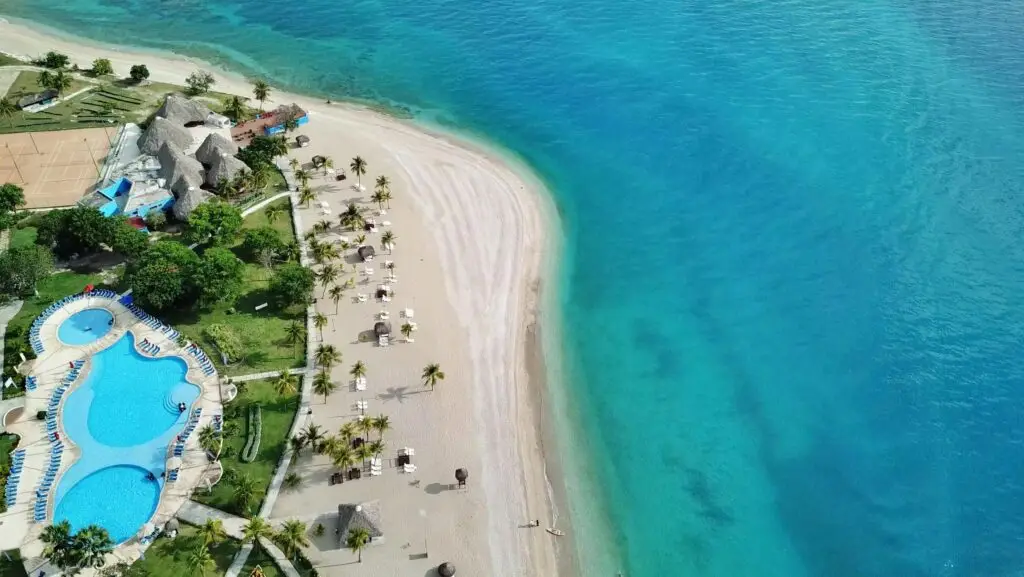
Beyond the busy cities lie hundreds of kilometers of coastline, many of them untouched. Beaches vary from long stretches of white sand to hidden rocky coves framed by greenery. Fishing villages dot the shore, where boats return at sunrise with fresh fish and children play beside the waves.
The Gulf of Gonâve contains small islands where mangroves, coral reefs, and coastal birds thrive. The southern coast near Aquin, Port-Salut, and Côteaux has beaches with calm, warm water perfect for swimming. Île-à-Vache, off the southern coast, is a quiet island with palm forests, pastoral fields, and serene beaches where life moves at a peaceful pace.
Haiti’s coastline feels tranquil, unspoiled, and deeply beautiful.
Culture & Daily Life — Music, Community, Spirituality & Art
Haitian culture is intense, expressive, and full of energy. Music is everywhere — kompa bands play upbeat melodies with guitars, keyboards, horns, and percussion; rara processions march through streets with drums and bamboo trumpets; traditional Vodou rhythms guide spiritual dances and ceremonies.
Dancing is part of life — gatherings, celebrations, street festivals, and family events all involve movement, rhythm, and joy. Clothes are colorful. Hairstyles are expressive. Conversations are animated. People communicate with emotion, humor, and openness.
Spirituality in Haiti blends Catholicism with Vodou, African traditions with Christian influences, community rituals with ancestral memory. Vodou is not a stereotype but a spiritual system centered on healing, protection, respect, and connection to ancestors. Rituals involve drums, singing, dancing, offerings, and a deep sense of reverence.
Haitian art is world-famous — paintings filled with bright colors and symbolic imagery; metal sculptures shaped from recycled oil drums; wood carvings; papier-mâché masks; jewelry crafted from natural materials; textiles decorated with sequins and beads. Art is a language of survival, strength, identity, and imagination.
Daily life revolves around family, neighborhood, faith, and resourcefulness. Hospitality is strong — visitors are offered food, conversation, and warmth.
Haitian Food — Creative, Comforting & Full of Flavor
Haitian cuisine is tasty, aromatic, comforting, and influenced by African, French, and Caribbean traditions. Rice and beans form the foundation, served with stewed meats, fried plantains, vegetables, and spicy sauces.
Griot — fried pork marinated in citrus and spices — is one of Haiti’s national treasures. Pikliz, a spicy pickled cabbage mix, adds heat and flavor to everything. Diri kole, rice with beans cooked in coconut milk, is warm and delicious. Accra fritters made from malanga root are crispy and addictive. Bouillon, a hearty stew with meat and vegetables, warms the soul. Fresh tropical fruits — pineapple, mango, soursop, coconut — are juicy and abundant.
Food in Haiti is about family, gathering, sharing, and joy.
The Emotional Essence of Haiti
Haiti is not a place you understand quickly.
It is a place you feel.
You feel it in the voices singing hymns on Sunday mornings.
In the sound of drums rising through evening air.
In the bright colors painted on tap-tap buses moving through streets like mobile murals.
In the strength of people who have carried their history with dignity.
In the taste of coffee grown on misty mountain hillsides.
In the sight of children playing barefoot on quiet roads.
In the dance of fishermen pulling boats to shore at dawn.
In the rhythm of kompa music that moves like a heartbeat.
In the laughter that echoes even after hardship.
In the pride of a nation that fought for its freedom and never forgot its worth.
Haiti is intense, soulful, creative, resilient, and profoundly human.
It is a country of mountains and music, history and hope, struggle and joy.
A place that challenges, inspires, surprises, and touches the heart deeply.
Haiti is not just a destination — it is a story, a culture, a feeling.
 Related Articles
- Kakslauttanen Arctic Resort
- Top 10 Most Unique Places to Stay in Europe
- 10 Incredible Castles Around the World