
🇭🇳 Honduras Travel Guide
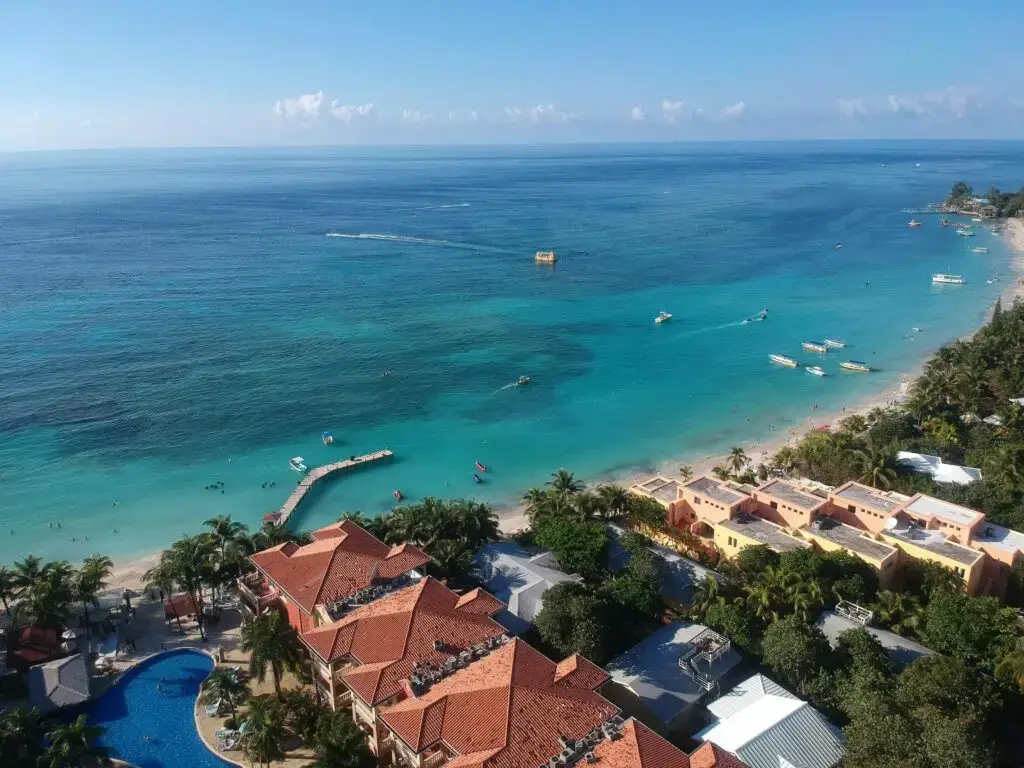
Rainforests, Caribbean Islands, Ancient Maya Cities, Coffee Highlands & Soulful Central American Culture
Honduras is a country of deep contrasts and powerful landscapes, where dense rainforests meet turquoise Caribbean seas, where ancient Maya cities lie hidden beneath jungle canopies, and where mountains rise in blue layers above fertile valleys. It is a destination that many travelers overlook, yet those who come here discover a nation rich with culture, warmth, nature and unforgettable beauty. Honduras feels raw, vibrant and alive — a place where adventure blends naturally with history, where traditional towns coexist with tropical islands, and where the rhythm of daily life flows in sync with nature.
The essence of Honduras is shaped by its diversity. Along the northern coast, the Caribbean Sea rolls in with gentle waves, touching white-sand beaches lined with palm trees. Offshore lie the Bay Islands — Roatán, Utila and Guanaja — where coral reefs stretch infinitely beneath crystal-clear water. Inland, mountains covered in pine forests rise dramatically into the sky, dotted with coffee plantations and small colonial towns. To the west lies Copán, one of the most important Maya archaeological sites in the world, filled with intricate carvings, temples and monuments that reveal a sophisticated ancient civilization.
But beyond its landscapes, Honduras is defined by its people — warm, humble, welcoming and deeply connected to their cultural roots. Daily life moves at a gentle pace. Families gather outside their homes at dusk. Children play soccer in the streets. Vendors sell baleadas, tamales and fresh fruit in busy markets. The atmosphere is honest and grounded, shaped by community, tradition and resilience.
This guide takes you through the soul of Honduras — its cities, coasts, mountains, ruins, islands, food, culture and spirit — through long, immersive storytelling that brings the country to life.
The Identity of Honduras — Calm, Colorful, Mountainous & Caribbean-Spirit
Honduras is a country that feels peaceful in its rhythm. It is not hurried. It does not pretend. It moves with a natural flow shaped by the passing of seasons, the rise of the sun over mountains, the sound of rain on rooftops and the scent of coffee drifting through morning air. The landscapes influence the culture deeply — mountain communities are calm and quiet, Caribbean towns are lively and musical, and rainforest regions are soft, humid and full of life.
The nation’s cultural identity is a blend of Indigenous Lenca and Maya heritage, Spanish influence, Afro-Caribbean Garifuna traditions and contemporary Central American life. This mixture creates a society that values family, religion, music, food, storytelling and connection. Hondurans carry a quiet pride, grounded in their history and geography.
Traveling through the country, you feel a sense of authenticity. People treat strangers with kindness. Markets are full of local produce. Towns maintain traditional festivals and celebrations. Nature is woven into every aspect of daily life.
Honduras feels real, grounded, culturally rich and deeply human.
Tegucigalpa — Mountain City, History, Culture & Local Rhythm
Tegucigalpa, the capital, sits in a valley surrounded by mountains that rise like silent guardians around the city. The air is cooler than many expect, softened by altitude and breezes that drift down from pine forests. The city is a blend of colonial heritage, sprawling neighborhoods, lively markets, modern malls and everyday Honduran life.
Walking through the historic center, you see old churches with weathered façades, public squares filled with movement, vendors selling snacks and souvenirs, and narrow streets lined with shops. The Cathedral of San Miguel stands proudly in the central plaza, surrounded by people going about their daily routines. Nearby, small bakeries fill the air with sweet aromas. Street musicians play guitar and marimba. Taxi drivers chat among themselves, waiting for the next passenger.
The city climbs up steep hillsides where colorful houses cling to the slopes. At viewpoints, the entire valley spreads out beneath you — rooftops, mountains, morning mist and glowing sunsets that turn the city into golden light. Tegucigalpa is full of contrasts, but this is exactly what makes it intriguing.
The rhythm of life here reflects the national identity — humble, busy, patient and warm.
Comayagua — Colonial Beauty & Historical Soul
North of the capital lies Comayagua, one of Honduras’ most charming colonial towns. Cobblestone streets lead to beautiful plazas surrounded by whitewashed buildings, wooden balconies and old churches. The town feels peaceful and traditional, full of cultural heritage preserved through architecture, festivals and community life.
The Cathedral of Comayagua houses one of the oldest clocks in the Americas, ticking quietly above the plaza while children play below. The air feels slower here, shaped by the town’s religious and colonial past. During Holy Week, Comayagua becomes famous for its intricate alfombras — colorful carpets made from dyed sawdust that decorate the streets during processions. These artworks are created by hand, showing incredible detail and devotion.
Cafés serve strong coffee grown in nearby mountains. Vendors sell pastries, pupusas and tortillas fresh from the comal. Locals sit in the shade sharing stories. Everything feels calm, gentle and rooted in tradition.
Comayagua is a place where time seems to pause, allowing visitors to connect with the historical essence of Honduras.
The Western Highlands — Green Mountains, Coffee Plantations & Indigenous Culture
As you travel west, the landscape becomes mountainous and lush. Pine forests stretch across hills. Mist rises from valleys in the early morning. Villages sit quietly along winding roads. Coffee plantations blanket the slopes in endless green rows. The air feels cool, fresh and full of the scent of earth and leaves.
This region is home to many Indigenous Lenca communities whose traditions remain strong. Handwoven textiles, pottery, wooden carvings and handmade crafts fill local markets. Festivals celebrate ancestral customs through dancing, music and colorful clothing. Women wear traditional garments embroidered with vibrant patterns. Elders tell stories passed down for generations.
The mountains here have a soothing presence — calming, natural and spiritually grounding.
Copán Ruinas — Ancient Maya Civilization, Jungle Atmosphere & Archeological Wonder
One of the crown jewels of Honduras lies near the Guatemalan border — Copán, a UNESCO World Heritage Site and one of the most important Maya cities ever discovered. Walking through Copán feels like entering a sacred world where stone monuments, pyramids and plazas whisper stories of a civilization that flourished centuries ago.
The site is known for its detailed carvings — intricate faces, hieroglyphics and sculpted figures that remain remarkably preserved. Every stone tells a story. The Great Plaza spreads out in front of you, lined with altars and stelae carved with kings, gods and important events. The Hieroglyphic Stairway, one of the most significant inscriptions in the Maya world, rises like an ancient book carved in stone.
Jungle surrounds the ruins. Scarlet macaws fly overhead in bursts of red, yellow and blue. Birds call from hidden branches. Leaves rustle gently in warm air. The atmosphere feels mystical — quiet, powerful and filled with history.
Nearby, the town of Copán Ruinas adds charm with cobblestone streets, clay-tile roofs, small cafés, artisan shops and friendly locals. It is peaceful and welcoming, a perfect base for exploring the ruins.
Copán feels ancient, wise, breathtaking and deeply emotional.
The Bay Islands — Roatán, Utila & Guanaja: Caribbean Paradise, Coral Reefs & Island Culture
The northern coast of Honduras touches the Caribbean Sea, and offshore lie the country’s most famous destinations — the Bay Islands. These islands are part of the Mesoamerican Barrier Reef, the second-largest coral reef system in the world. The water is unbelievably clear, glowing turquoise in sunlight and deep blue under cloudy skies. Colorful fish, rays, turtles, sharks and coral gardens fill the ocean in every direction.
Roatán — Beaches, Resorts, Diving & Green Hills
Roatán is the largest and most developed of the Bay Islands. It is full of white-sand beaches, palm trees, tropical hills, small villages and offshore reefs that offer world-class diving and snorkeling. West Bay Beach is famous for its crystal water, soft sand and postcard-perfect scenery. Boats float gently offshore. Tropical fish swim close to shore. Sunlight sparkles across the water like diamonds.
The island’s interior is covered in forest where hummingbirds, iguanas and exotic birds move through the trees. Locals live in colorful wooden houses painted in shades of blue, green and yellow. Restaurants serve fresh seafood, coconut-rich dishes and Caribbean specialties influenced by Garifuna culture.
Roatán feels peaceful, tropical, vibrant and full of ocean energy.
Utila — Backpacker Vibe, Affordable Diving & Island Simplicity
Utila is smaller, quieter and more relaxed. Known for having some of the cheapest dive courses in the world, it attracts travelers from all corners seeking coral gardens, marine life and island serenity. The town is tiny — a few streets lined with dive shops, cafés, hostels and small restaurants. People move around by scooter, bicycle or boat.
The water around Utila is incredibly clear. Whale sharks are often seen here, especially during certain seasons. Sunsets turn the entire horizon pink and gold. At night, the island feels calm and cool, with ocean breezes drifting through narrow streets.
Utila feels intimate, laid-back, social and beautifully simple.
Guanaja — Untouched Nature, Quiet Beaches & Blue Water
Guanaja is the least visited of the three islands — remote, authentic and almost untouched by development. Waterfalls tumble down forested hills. Mangroves grow thick along the coast. The reefs offshore are pristine. The island feels like a hidden paradise where time moves slowly and nature takes center stage.
Guanaja feels wild, quiet, green and emotionally soothing.
La Ceiba — Caribbean Gateway, Rainforest Adventures & Garifuna Culture
On the mainland, the city of La Ceiba serves as the gateway to the Bay Islands, but it is worth exploring on its own. The city sits along the northern coast, where the ocean meets rivers and rainforest-covered mountains. The atmosphere is lively, tropical and full of cultural energy.
Near La Ceiba lies Pico Bonito National Park, one of Honduras’ most incredible natural reserves. Tropical rainforest climbs steep mountainsides. Rivers flow through deep valleys. Waterfalls cascade into clear pools. The park is full of wildlife — toucans, monkeys, jaguars, butterflies and tropical birds with shimmering feathers.
The region is also home to Afro-Caribbean Garifuna communities whose culture is central to the identity of northern Honduras. Music, dance, language, storytelling and food — especially seafood dishes and plantain-based cuisine — shape the cultural atmosphere. Drums beat rhythmically during traditional celebrations. Songs fill the air with history and emotion.
La Ceiba feels tropical, energetic, multicultural and vibrant with life.
Tela — Beaches, Relaxation & Garifuna Heritage
Tela is one of Honduras’ most peaceful beach towns — calm, warm and surrounded by natural beauty. The beaches stretch wide and grow golden in sunlight. Palm trees sway gently in Caribbean breezes. Offshore, the ocean glows turquoise and stretches endlessly toward the horizon.
Near Tela lie Garifuna villages such as Triunfo de la Cruz and San Juan, where traditional food, dance, music and language remain alive. Visitors are welcomed with warmth. Children play near the shore. Elderly women cook fish stews flavored with coconut, herbs and spices. Drums echo across the sand during celebrations.
Tela is also home to Jeannette Kawas National Park and Punta Sal, where rainforest meets beach and wildlife thrives in a pristine environment.
Tela feels gentle, sunny, cultural and deeply connected to the sea.
Gracias & Lempira Highlands — History, Tradition & Mountain Serenity
The highland town of Gracias, once the capital of the Spanish Empire in Central America, sits among mountains covered in pine forests. The air here is cool and crisp, filled with the scent of wood smoke from traditional kitchens. Horses graze in fields. Rivers run through valleys. The town center boasts colonial buildings, old churches and a quiet atmosphere that feels timeless.
Nearby lies Celaque National Park, home to the highest mountain in Honduras — Cerro Las Minas. The park is covered in cloud forest where moss blankets branches, orchids cling to trees and cool mist floats silently between leaves. Hiking here feels peaceful, refreshing and deeply immersive.
Gracias feels historical, mountainous, safe and spiritually calming.
Food of Honduras — Comforting, Traditional & Full of Heart
Honduran cuisine is comforting and flavorful, built on corn, beans, plantains, fresh vegetables, cheese and meat. The most iconic dish is the baleada — a soft flour tortilla filled with beans, cheese, cream, eggs, avocado or meat. It is simple but deeply satisfying, a symbol of home cooking and everyday life.
In Caribbean regions, coconut is part of nearly every dish — soups, stews, fish and bread. Cassava, plantains, fresh seafood and herbs give Garifuna cuisine its distinct identity.
In the mountains, people enjoy roasted meats, soups with vegetables, freshly harvested coffee, sweet breads and hot chocolate infused with cinnamon. Markets overflow with tropical fruit — mangoes, pineapples, papayas, bananas, melons and citrus.
Meals in Honduras feel warm, humble and full of tradition.
Nature, Wildlife & National Parks — The Green Spirit of Honduras
Honduras contains incredible biodiversity — tropical rainforest, pine forest, mangrove, cloud forest, coral reef, river systems, wetlands and mountain ecosystems. National parks are scattered across the country, preserving wildlife and protecting ecosystems.
Birdlife is especially rich — Honduras is a paradise for birdwatchers. Scarlet macaws, quetzals, toucans, hummingbirds and parrots move through forests with flashes of color.
The rivers of Honduras run deep and fast, carving landscapes through canyons and valleys. Waterfalls fall from cliffs into cool pools surrounded by jungle. Pine forests offer quiet trails filled with the sound of wind moving through needles.
Nature feels alive everywhere — vibrant, colorful, abundant and inspiring.
The Emotional Essence of Honduras
Honduras is a country that reveals itself slowly, with sincerity and heart. It is a place of lush landscapes, ancient cities, warm people, powerful mountains and peaceful coasts. It is a land where sunsets turn the sea into gold, where mornings begin with the scent of coffee, where children run through plazas laughing, where fishermen mend nets under palm trees, and where travelers discover beauty in simplicity.
You leave Honduras with memories of turquoise water, volcanic peaks, Caribbean rhythms, pine-covered mountains, ancient temples and the smiles of strangers. You leave with a sense of calm, warmth and connection.
Honduras stays with you — not only through its landscapes, but through its spirit.
It is vibrant, humble, emotional, green, historical, tropical and profoundly human.
 Related Articles
- Kakslauttanen Arctic Resort
- Top 10 Most Unique Places to Stay in Europe
- 10 Incredible Castles Around the World