
SAINT LUCIA TRAVEL GUIDE
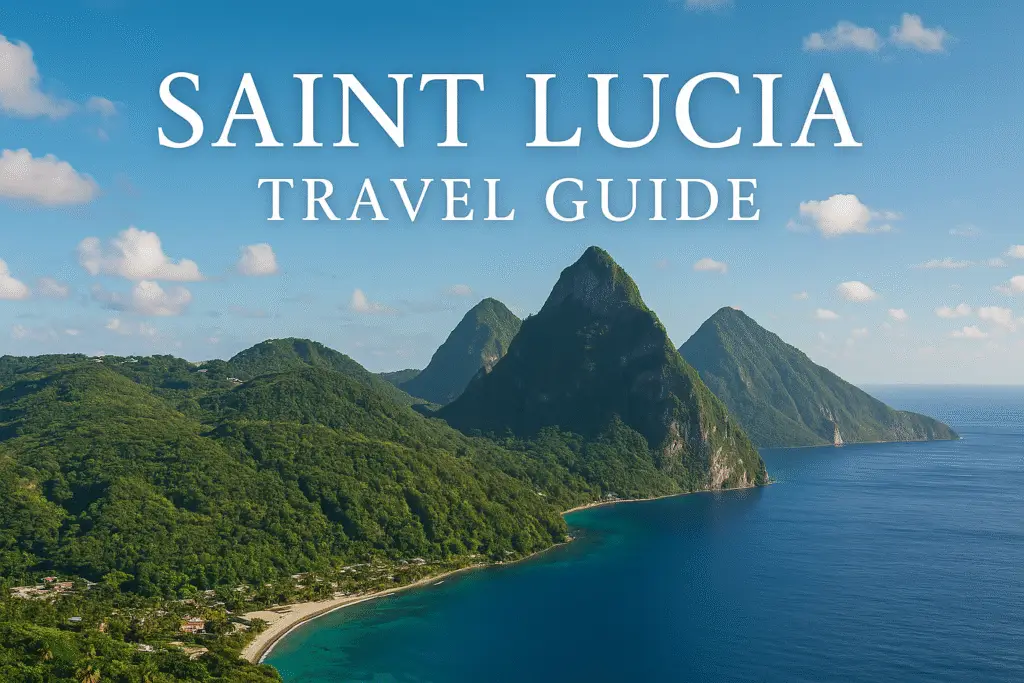
Saint Lucia is one of the most enchanting islands in the Caribbean, a place where volcanic mountains rise dramatically above turquoise seas, where lush rainforests hide waterfalls and hot springs, and where a rich blend of African, French, and British heritage shapes the island’s culture and identity. For many travelers, Saint Lucia stands apart from other Caribbean destinations because it combines natural grandeur with warm hospitality, deep cultural roots, and a peaceful rhythm of life. Every part of the island feels alive with beauty — the majestic Pitons rising from the sea, the soothing geothermal pools in Soufrière, the palm-lined beaches stretching across the west coast, and the small fishing villages where locals maintain traditions that date back centuries. Saint Lucia is not simply a beach destination; it is an island that tells a story through its landscapes and its people, offering layers of experience for visitors who are willing to look beyond the surface.
Located in the eastern Caribbean between Martinique and Saint Vincent, Saint Lucia is part of the Lesser Antilles, but its terrain is far more dramatic than many neighboring islands. Much of Saint Lucia was formed through volcanic activity, and the rugged mountains, fertile valleys, and mineral-rich soil are a direct result of the island’s geological history. The central region is mountainous, with dense tropical vegetation and rainforest canopies that create cooler air and abundant wildlife. The coastline varies from wide, sandy beaches on the west coast to windswept cliffs on the Atlantic side. The Caribbean coast is where most travelers stay, as the waters are calm, clear, and perfect for swimming, snorkeling, and sailing. The warm climate, with consistent temperatures and refreshing trade winds, makes Saint Lucia an appealing destination throughout the year.
One of the most recognizable features of Saint Lucia is the Pitons — Gros Piton and Petit Piton — two volcanic spires rising sharply from the sea near Soufrière. They form a UNESCO World Heritage Site and represent the island’s most iconic natural landmark. Seen from afar, the Pitons appear almost surreal, as if carved with artistic precision. Gros Piton is the larger and more climbable of the two, offering a challenging but rewarding hike that delivers panoramic views of the surrounding mountains and coastline. Petit Piton is steeper and more technical, typically attempted only by experienced climbers with guides. Together, the Pitons embody the island’s dramatic geological character and are a source of cultural pride for Saint Lucians.
Exploring the Wonders of Saint Lucia
Soufrière, located along the southwest coast, is one of the most historically and culturally rich parts of the island. It was once the French capital of Saint Lucia, and the town’s name reflects its volcanic environment. Here, travelers find the famous Sulphur Springs, the world’s only “drive-in volcano,” where geothermal vents release steam and hot mineral waters that have therapeutic properties. Visitors can bathe in the mineral mud baths, believed to rejuvenate the skin and improve circulation. Nearby, the Diamond Falls Botanical Gardens present a lush oasis filled with tropical flowers, plants, and mineral waterfalls that shimmer in hues of yellow, orange, and blue due to the volcanic minerals. The Soufrière estate, a historic plantation, offers a glimpse into the island’s colonial past while showcasing natural wonders such as warm waterfalls, bathhouses, and botanical trails.
The northern part of Saint Lucia has a different character, more energetic and modern compared to the traditional and historical essence of the south. Rodney Bay, located in the northwestern part of the island, is the main entertainment hub with restaurants, bars, marinas, and shopping centers. It is home to Reduit Beach, one of the island’s most popular stretches of sand, known for its golden color, gentle waves, and lively atmosphere. The Rodney Bay Marina attracts sailors from around the world, and the nightlife here includes live music, Caribbean cuisine, and waterfront lounges. Nearby Gros Islet hosts a famous Friday Night Street Party where locals and tourists gather for grilled seafood, rum punches, dancing, and music that fills the streets until late in the night. It is one of the best ways to experience the island’s hospitality and vibrant culture.
While the north is lively and developed, the eastern coast of Saint Lucia faces the Atlantic Ocean and offers a wilder, more rugged experience. The Atlantic winds create stronger waves and a sense of open space that differs from the tranquil Caribbean side. Towns like Dennery and Micoud reveal the island’s rural life, with fishing boats lined along the shore and farmers selling fruit and spices. The eastern coast is less visited by tourists, which makes it a peaceful place for scenic drives, coastal photography, and exploring villages untouched by major tourism.
The central rainforest region of Saint Lucia is another world entirely. Tall trees, thick canopies, and fertile valleys create habitats for birds, reptiles, and insects. Hiking trails wind through the rainforest, including the Edmund Forest Reserve and the Des Cartiers Trail, both offering serene journeys through nature where travelers hear the call of birds, the rustle of leaves, and the distant sound of waterfalls. Saint Lucia is home to several endemic species, including the Saint Lucia parrot, which features brilliant green and blue feathers. These forests also contain exotic plants such as orchids, ferns, and bromeliads, contributing to the island’s reputation as a destination of natural beauty.
Beaches in Saint Lucia vary widely depending on location. Those on the Caribbean coast offer calm waters and gentle waves ideal for swimming and snorkeling. Sugar Beach, located between the Pitons, is one of the most picturesque beaches in the world, with white sand imported from Guyana to complement the dramatic volcanic backdrop. Anse Chastanet, near Soufrière, is known for its dark volcanic sand and excellent snorkeling conditions thanks to coral reefs located just offshore. Reduit Beach in Rodney Bay is wide and lively, often filled with families and water sports. On the Atlantic side, beaches like Anse Louvet and Grande Anse are wilder and more remote, attracting adventurous travelers who appreciate their untouched beauty and strong surf. Grande Anse is also a nesting site for leatherback turtles during specific months of the year.
Water-based activities are a major part of Saint Lucia’s appeal. Sailing is particularly popular due to the island’s location along major Caribbean routes, and many visitors choose to explore the island by catamaran or private boat. Snorkeling and scuba diving around the coral reefs reveal colorful marine life such as parrotfish, angelfish, sea turtles, and occasionally even dolphins. Sea kayaking, stand-up paddleboarding, and windsurfing are also widely enjoyed. The island’s west coast is ideal for calm-water activities, while the east coast’s stronger winds attract kite surfers. Some travelers choose to embark on whale-watching or dolphin-watching tours, as several species migrate near the island’s waters throughout the year.
Saint Lucia’s culture is a blend of African, French, and British influences. The island was fought over by these two European powers 14 times, earning it the nickname “the Helen of the West Indies,” and both cultures left lasting impacts. The French influence is strongest in place names, cuisine, and the Creole language (Kwéyòl), which is widely spoken among locals. English remains the official language, making the island easy for international travelers to navigate. African heritage is deeply rooted in music, dance, and cultural traditions, including folk songs, drumming, storytelling, and festivals. The island’s population is warm, friendly, and welcoming, known for their hospitality and pride in their cultural identity.
Food is an essential expression of Saint Lucian culture. Local cuisine blends Caribbean flavors with African, French, and Indian influences. Staple ingredients include breadfruit, plantains, cassava, sweet potatoes, and fresh seafood. The national dish, green fig and saltfish, features boiled green bananas mixed with seasoned salted cod. Other popular dishes include bouyon (a hearty stew), callaloo soup, grilled lobster, fish broths, roti, and fried plantains. Street food is vibrant and delicious, especially during events like the Gros Islet Street Party, where fish, grilled meats, and local pastries become central to the experience. Saint Lucian cuisine also features spices such as cinnamon, nutmeg, turmeric, and cloves, reflecting the island’s history of spice cultivation.
Saint Lucia’s festivals highlight the island’s artistic spirit and cultural pride. Jounen Kwéyòl (Creole Day), celebrated annually in October, honors the island’s Creole heritage with traditional music, dance, clothing, and food. The Saint Lucia Jazz Festival, one of the Caribbean’s most famous music events, attracts international artists and showcases world-class performances in scenic settings. Carnival, held during the summer months, fills the streets with vibrant costumes, energetic soca music, and joyful celebrations. These festivals give travelers the opportunity to experience the island’s dynamic culture firsthand.
The history of Saint Lucia is complex and deeply intertwined with colonialism, indigenous heritage, and slavery. Before European arrival, the island was inhabited by the Arawaks and later the Kalinago (Caribs), both of whom maintained rich cultural traditions and close relationships with the sea and the land. European colonization brought conflict, forced labor, and cultural shifts that reshaped the island’s demographics and identity. Remnants of colonial forts, plantations, and architecture still exist, offering insight into this turbulent period. Today, Saint Lucia honors its African and indigenous roots while preserving elements of its colonial past in museums, heritage sites, and cultural practices.
Despite its small size, Saint Lucia offers a surprising range of accommodations, from luxurious resorts perched on cliffs overlooking the sea to eco-lodges nestled deep in the rainforest. The island’s world-class resorts, known for their open-air suites and panoramic views, attract honeymooners from around the world. Many of these resorts are designed to blend seamlessly with the natural environment, offering infinity pools, private terraces, and unobstructed views of the Pitons or Caribbean Sea. Travelers seeking more authentic experiences can find guesthouses, boutique hotels, and family-run inns in villages and towns throughout the island.
Saint Lucia has a tropical climate with consistent temperatures year-round. The dry season, from December to April, brings sunny skies, low humidity, and ideal conditions for beach activities, hiking, and outdoor exploration. This is also the peak tourist season. The rainy season, from June to November, offers lush landscapes, fewer crowds, and lower accommodation rates, though afternoon showers are common. The island occasionally experiences tropical storms or hurricanes during this period, though many days remain sunny and vibrant. Thanks to the island’s mountainous terrain, weather can vary from region to region — the rainforest receives more rainfall, while the coastal areas remain warm and breezy.
Safety in Saint Lucia is generally good, particularly in tourist areas, which are well-maintained and patrolled. Visitors are encouraged to use common sense, avoid isolated areas at night, and keep personal belongings secure. The island’s roads vary in quality, especially in mountainous or rural areas, but main highways are well-paved. Public transportation consists of minibuses that locals use daily, though many tourists choose taxis or rental cars for convenience and flexibility. Driving offers the advantage of exploring less accessible parts of the island, but visitors should be comfortable navigating narrow, winding roads.
Travelers planning a week-long visit to Saint Lucia can experience a balanced mix of adventure, relaxation, and culture. Many choose to split their time between the north and south of the island to appreciate both the lively atmosphere of Rodney Bay and the natural beauty of Soufrière. Longer stays allow for deeper exploration of the rainforest, remote beaches, local fishing villages, and offshore adventures. Whether travelers seek luxury, romance, family-friendly experiences, or outdoor adventure, the island adapts effortlessly to many styles of travel.
What makes Saint Lucia unforgettable is the feeling it creates — a sense of connection to the land, to the sea, and to the island’s cultural heartbeat. The blend of scenic beauty, cultural richness, and warm hospitality forms a travel experience that feels both deeply relaxing and profoundly enriching. Whether standing atop a mountain overlooking the Pitons, floating in warm Caribbean waters at sunset, exploring rainforest trails scented with wildflowers, or listening to drumming during a village celebration, Saint Lucia leaves a lasting impression that stays with travelers long after they return home.
The island is a place where nature and culture intertwine effortlessly. Its mountains, beaches, forests, and communities form a cohesive identity that celebrates both beauty and resilience. Saint Lucia invites visitors not only to admire its landscapes but to experience its stories, traditions, and spirit. This is an island for travelers who crave authenticity, adventure, tranquility, and connection — a place where every moment feels meaningful, whether spent hiking a volcanic trail or simply watching the sunlight dance across the sea.
 Related Articles
- Kakslauttanen Arctic Resort
- Top 10 Most Unique Places to Stay in Europe
- 10 Incredible Castles Around the World