
🇫🇯 THE ULTIMATE TRAVEL GUIDE
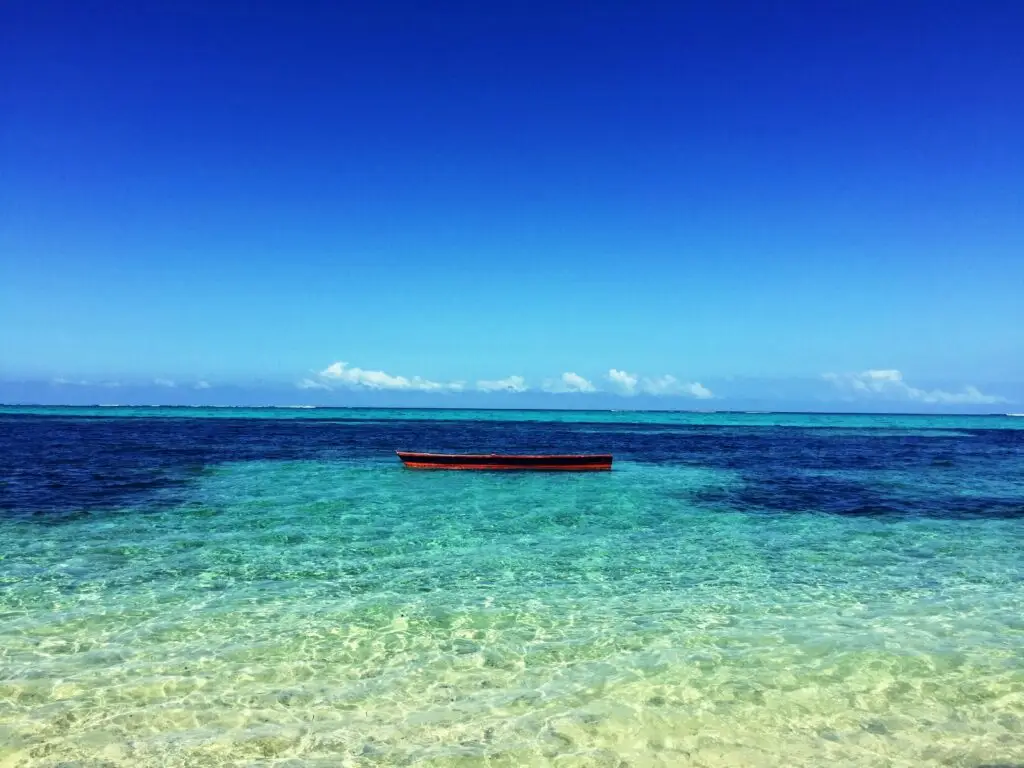
is the essence of South Pacific paradise: a scattered archipelago of emerald islands draped in lush rainforest, framed by white-sand beaches, ringed by coral reefs, and surrounded by warm, impossibly blue waters. Known officially as the Republic of Fiji, the nation comprises more than 330 islands and over 500 islets, though only about 110 are inhabited.
Despite its relatively small landmass — roughly 18,270 km² — Fiji’s surrounding ocean territory is enormous, giving the country a vast maritime identity. These islands are a geographic tapestry: volcanic mountains, dense forests, mangrove ecosystems, rural villages, cosmopolitan towns, and world-famous coastlines.
is celebrated for its beaches, marine life, warm climate, laid-back way of life, and, above all, its people. Fijians are known for extraordinary hospitality, joyful spirit, and the welcoming greeting heard everywhere — Bula!
Yet Fiji is far more than just a tropical postcard. It is a land of deep cultural roots, complex history, rugged interior landscapes, ancient traditions, diverse religious influences, and a strong communal identity centered around family, land, and spirituality.
This comprehensive guide explores s landscapes, culture, islands, history, wildlife, diving, snorkeling, hiking, cities, transportation, cuisine, and practical tips — everything you need to deeply understand this extraordinary Pacific world.
🌏 Introduction to Fiji
sits in the South Pacific Ocean, east of Australia and north of New Zealand. Its two largest islands — Viti Levu and Vanua Levu — account for the majority of the population. Viti Levu houses Fiji’s capital city, Suva, and the main international gateway, Nadi.
Though Fiji is popularly portrayed through images of palm-lined beaches, these islands offer tremendous biodiversity and dramatic topography. Some islands are mountainous with volcanic origins, rising sharply from the sea; others are flat coral atolls encircled by lagoons. Along the coasts, coconut-fringed beaches and turquoise seas dominate. Inland, rainforests, rivers, and waterfalls reveal a softer, wilder
✅ Quick Facts
| Category | Details |
|---|---|
| Official Name | Republic of Fiji |
| Capital | Suva |
| Largest City | Suva |
| Total Land Area | ~18,270 km² |
| Exclusive Economic Zone | ~1,290,000 km² |
| Population | ~930,000 |
| Languages | Fijian • English • Fiji Hindi |
| Currency | Fijian Dollar (FJD) |
| Time Zone | GMT +12 |
| Number of Islands | 330+ (110 inhabited) |
| Major Islands | Viti Levu • Vanua Levu |
| Religion | Christianity, Hinduism, Islam |
🌺 Cultural Background
original inhabitants are the Indigenous iTaukei, speakers of the Fijian language and custodians of rich traditions. Over time, interactions with Polynesian and Melanesian peoples shaped the cultural fabric.
A major turning point came in the 19th century, as European presence expanded and missionaries arrived. Fiji became a British colony in 1874.
A second significant demographic shift occurred after the abolition of slavery in the British Empire. Thousands of laborers from India were brought to Fiji under indenture to work on sugar plantations. Their descendants — Indo-Fijians — form a major portion of the population today.
Thus, has a distinctly multicultural identity. Today, Christianity is the dominant religion, especially among iTaukei, while Hindus and Muslims are mostly Indo-Fijian.
You will find:
- Fijian villages with traditional houses
- Hindu temples
- Churches
- Mosques
- Indo-Fijian foods, traditions, and clothing alongside Indigenous customs
This blend of cultures enriches every aspect of travel here — from cuisine and language to music, festivals, and daily life.
🌴 Regions & Major Islands
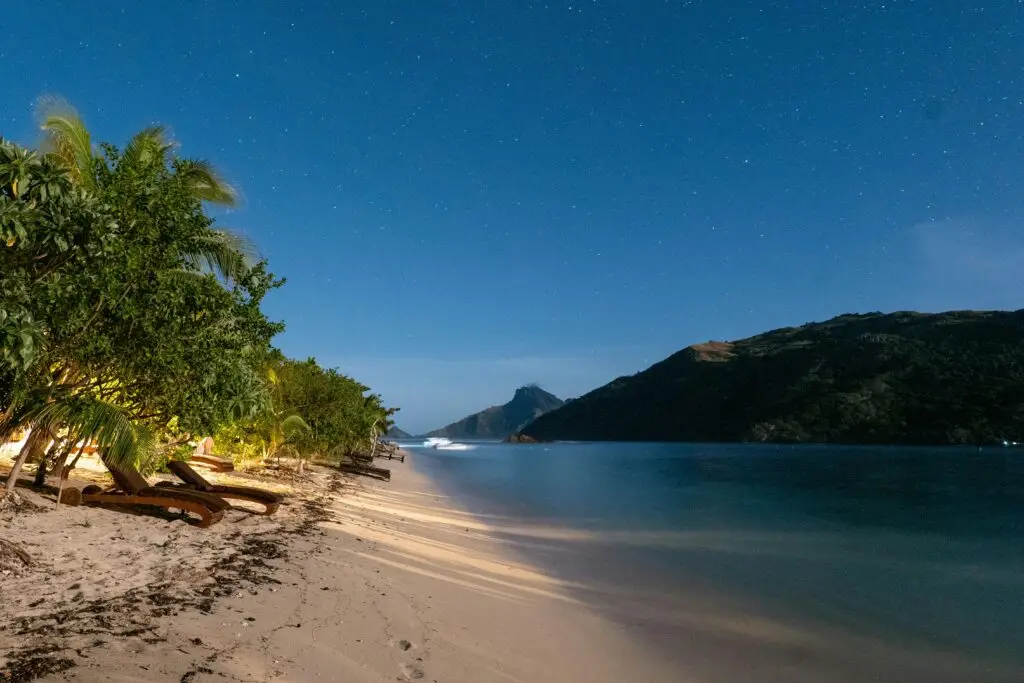
While hundreds of islands form Fiji, travel typically revolves around the following key regions:
✅ Viti Levu
Fiji’s largest island is home to:
- Suva (capital)
- Nadi
- Coral Coast
- Pacific Harbour
- Lautoka
Inland, mountains, rivers, and traditional villages dominate.
Viti Levu has the most infrastructure, making it the entry point for most visitors. The island’s coasts offer beaches, surf breaks, and resorts, while the highlands hold remote communities and rainforest trails.
✅ Vanua Levu
second-largest island is less developed than Viti Levu, offering quieter travel. The main towns are:
- Labasa
- Savusavu
Savusavu, in particular, attracts sailors and divers. The island’s interior is rugged and wild.
✅ Taveuni
Known as the Garden Island, Taveuni is lush, fertile, and full of waterfalls and rainforest. The Bouma National Heritage Park protects highland forest and coastal ecosystems. Diving here is world-class, including the famous Rainbow Reef.
✅ Mamanuca Islands
A group of small islands near Nadi, famous for:
- Beautiful beaches
- Clear lagoons
- Coral reefs
Easily accessible by boat, they are popular for snorkeling and relaxation.
✅ Yasawa Islands
Further north than the Mamanuca group, the Yasawa Islands are more remote and dramatic. Rugged volcanic islands rise steeply from the sea, surrounded by beaches and reef.
✅ Kadavu
Home to the Great Astrolabe Reef, Kadavu is a quiet, pristine island with rugged forest, few roads, and exceptional marine life.
✅ Lau Group & Lomaiviti Islands
Less visited, more traditional. These islands preserve ancient customs and offer excellent sailing, reefs, and villages with deep iTaukei heritage.
🌊 Natural Landscapes
nature is dominated by:
- Coral reefs
- Tropical forests
- Mangroves
- Rivers
- Volcanic peaks
- Waterfalls
Mountains
Viti Levu and Vanua Levu have mountainous interiors. The highest peak is:
- Mount Tomanivi – 1,324m on Viti Levu
These rugged regions host remote villages and hiking trails.
Forests
Fiji’s forests include:
- Lowland tropical forest
- Cloud forest
- Montane rainforest
Plants include orchids, palms, hardwood trees, and giant ferns. Much forest remains intact in the interior of larger islands.
Rivers & Waterfalls
Rivers cut through deep valleys, forming waterfalls and pools. Popular waterfalls include:
- Bouma Falls (Taveuni)
- Wainibau Falls
- Savuione Falls
Coral Reefs
sometimes called the Soft Coral Capital of the World due to prolific marine ecosystems. The Great Astrolabe Reef and Rainbow Reef are among the best-known.
🐠 Wildlife
wildlife includes:
Marine Life
- Sharks (reef species)
- Rays
- Sea turtles
- Reef fish
- Soft and hard coral
- Dolphins
- Whales (migratory)
Land Wildlife
Because Fiji is an isolated island chain, mammals are limited. Birds, reptiles, and insects dominate.
Birds
- Kadavu crimson shining parrot
- Orange dove
- Silktail
- Fiji goshawk
Reptiles
- Fiji banded iguana
- Fiji crested iguana
Flora
- Orchids (including rare species)
- Giant ferns
- Breadfruit
- Coconuts
🏙 Cities & Towns
✅ Suva
The capital city on Viti Levu’s southeast coast. A lively port with cultural institutions, markets, and historic colonial buildings. Suva is the political and business heart
✅ Nadi
Primary tourism gateway with the main international airport. Nadi is known for markets, restaurants, and Hindu temples. It is the main jump-off point for the Mamanuca and Yasawa islands.
✅ Lautoka
The second-largest city and a sugar industry hub. Located on Viti Levu’s west coast.
✅ Savusavu
A relaxed harbor town on Vanua Levu, popular with sailors and divers.
🏝 Best Islands to Visit
1) Viti Levu
Great for first-timers. Beaches, surf, culture, history.
2) Taveuni
Garden island with stunning rainforest and waterfalls.
3) Yasawa Islands
Remote, volcanic, dramatic landscapes.
4) Mamanuca Islands
Easy ferry access, classic white-sand islands.
5) Kadavu
Quiet, superb diving.
☀ Climate & When to Visit
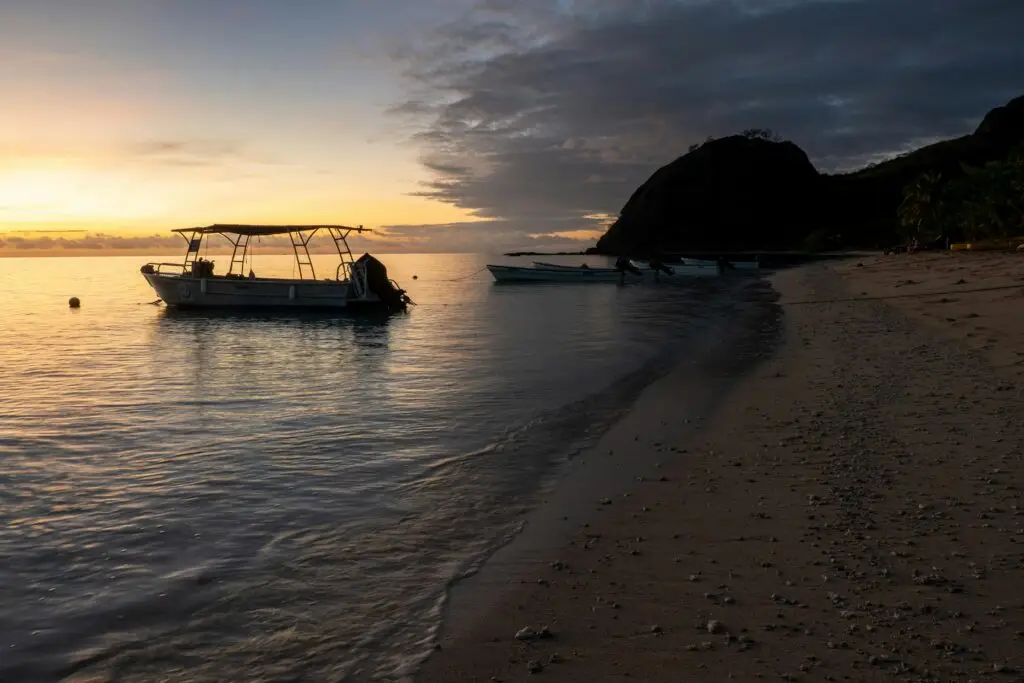
Fiji has a tropical marine climate.
Seasons
| Season | Months | Conditions |
|---|---|---|
| Dry | May–Oct | Sunny, less humid |
| Wet | Nov–Apr | Humid, rain, occasional storms |
The dry season is considered the best overall time to visit. However, temperatures are warm year-round.
🏝 Activities & Experiences
Fiji offers an incredible variety of things to do:
🌊 Water-Based
- Snorkeling
- Diving
- Sailing
- Kayaking
- Island hopping
- Surfing
- Paddleboarding
Reefs are healthy, with abundant coral life.
🏞 Nature & Outdoor
- Hiking rainforest trails
- Swimming in waterfalls
- Bird watching
- River rafting
- Exploring remote villages
🎭 Cultural
- Visiting villages
- Learning traditional crafts
- Music & dance
- Attending ceremonies
Kava drinking — a communal ritual — is central to Fijian hospitality.
🥥 Fijian Culture & Traditions
Fijian life is rooted in:
- The land
- Family (vanua)
- Respect
- Community
In villages, traditional structures are central to governance and identity. The chief (turaga) holds authority in ceremonies and daily matters.
Kava
Kava is a drink made from the pounded roots of the kava plant. It is consumed ceremonially and socially. It induces relaxation and mild numbness.
Ceremony protocols emphasize:
- Respect
- Order
- Community
Language
Three main languages:
- Fijian
- English
- Fiji Hindi
Most are multilingual.
🧭 Travel Routes
1–Week Itinerary
- Viti Levu + nearby islands
2–Week Itinerary
- Viti Levu + Yasawa or Mamanuca + Taveuni
3–Week Itinerary
- Add Vanua Levu or Kadavu
🚗 Getting Around
- Domestic flights connect islands
- Ferries serve most island groups
- Local buses operate on large islands
- Taxis available in cities
Remote islands require small boat transfers.
🍽 Food
Fijian cuisine blends:
- Indigenous flavors
- Indian inspiration
- Chinese & European influence
Typical ingredients:
- Coconut
- Taro
- Cassava
- Rice
- Fish
- Breadfruit
- Tropical fruit
Dishes include:
- Kokoda (citrus-marinated fish)
- Lovo (earth-oven feast)
- Roti with curry
- Taro leaves in coconut
🛡 Safety
Fiji is considered safe for travelers.
Main concerns:
- Weather (storms, cyclones)
- Strong sun exposure
- Ocean currents
In rural areas, services are limited.
Practical Info
- Currency: FJD
- Power: Type I plugs
- Tap Water: Safe in major towns
- SIM Cards: Available in airports & towns
Why Fiji is Special
is a world unto itself:
turquoise lagoons… volcanic peaks… deeply spiritual traditions… lush rainforest… and the warmest hospitality in the Pacific.
It feels both remote and intimate — a place where stories are shared beneath palm trees, where coral reefs stretch beyond imagination, where ceremonies remind visitors of the sacred connection between people and land.
Fiji is not only paradise; it is a living culture — one that will stay with you long after you leave.
Related Amazing Bucketlist Articles
- 5 Once-in-a-Lifetime Floating Stays
- Hurawalhi Island Resort
- Top 10 Most Romantic Countries in the World for Couples