
🇵🇬 THE ULTIMATE TRAVEL GUIDE
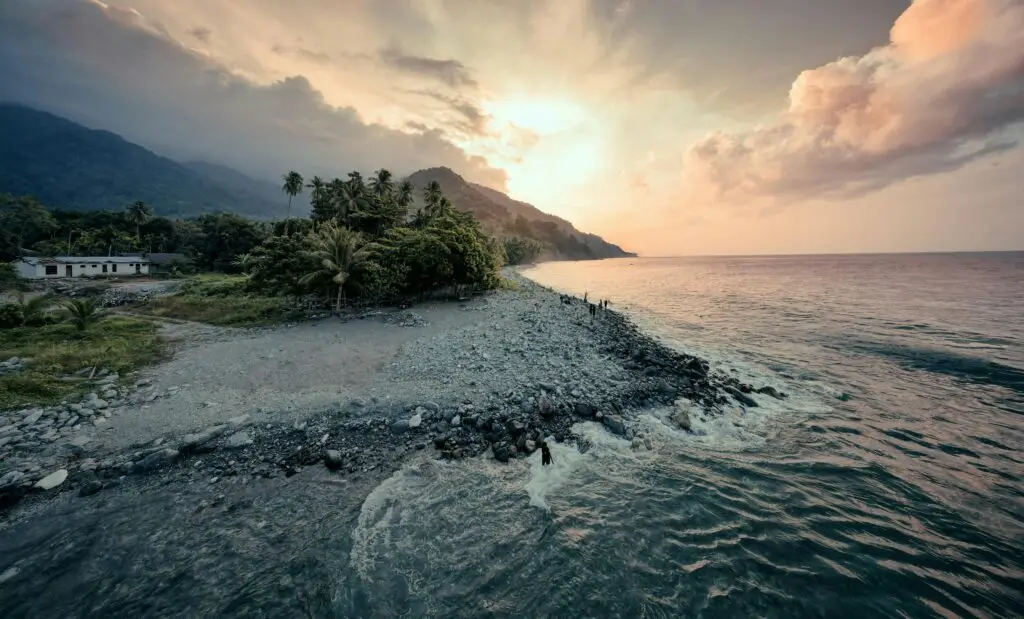
Papua New Guinea — commonly abbreviated as PNG — is one of the most fascinating, culturally diverse, and least explored countries on Earth. Located just north of Australia, it occupies the eastern half of the island of New Guinea and includes hundreds of outlying islands.
For adventurous travelers, Papua New Guinea is one of the final frontiers: cloud-piercing mountain ranges, dense jungles, ancient tribal cultures, volcanic islands, deep river valleys, and a coastline fringed with coral reefs. Papua New Guinea —
It is also one of the most culturally complex places in the world, with more than 850 languages spoken. Villages, tribes, and highland groups maintain rich traditions, art forms, ceremonies, and customs. PNG is not a typical tropical holiday destination — it is a place of immersion, challenge, and unforgettable depth.
Below, you’ll find a complete overview of Papua New Guinea: landscapes, history, cultures, cities, wildlife, national parks, trekking, diving, transportation, safety, and more. Papua New Guinea
🌏 QUICK FACTS
| Category | Details |
|---|---|
| Official Name | Independent State of Papua New Guinea |
| Capital | Port Moresby |
| Population | ~10 million |
| Continent | Oceania |
| Major Islands | New Guinea (east), New Britain, New Ireland, Manus |
| Languages | 850+ languages; Tok Pisin, English, Hiri Motu |
| Currency | Papua New Guinean kina (PGK) |
| Government | Parliamentary constitutional monarchy |
| Independence | 1975 (from Australia) |
| Time Zone | UTC +10 |
| Largest Cities | Port Moresby, Lae, Mount Hagen |
| Main Religion | Christianity |
🗺 GEOGRAPHY
Papua New Guinea occupies:
- The eastern half of New Guinea island
- Numerous offshore islands including:
- New Britain
- New Ireland
- Bougainville
- Admiralty Islands
- Trobriand Islands
- D’Entrecasteaux Islands
It is part of the Pacific Ring of Fire, so volcanoes, earthquakes, and geothermal activity are common.
The geography is dominated by:
- Towering mountains
- Dense tropical rainforest
- Deep river valleys
- Coral-fringed coastlines
- Volcanic islands
The Central Highlands form a dramatic mountain spine cutting east–west across the country, with peaks exceeding 4,500 meters. The highest point is Mount Wilhelm (4,509 m / 14,793 ft).
The interior was isolated for millennia due to rugged terrain — major valleys were only reached by outsiders in the 20th century.
🏛 BRIEF HISTORY
Human presence in New Guinea dates back at least 50,000 years, making it one of the earliest populated regions outside Africa.
Indigenous Development
Unlike many tropical environments, PNG’s interior highlands developed agriculture independently more than 7,000 years ago, cultivating crops such as taro, yams, bananas, and sugarcane.
Tribal identities formed across mountain valleys, lowland rivers, and coastal regions. Tribal boundaries remain significant today.
European Contact
- 16th century: First European sightings
- 19th–20th century: Colonial control divided between Britain, Germany, and later Australia
World War II brought major military campaigns to PNG, especially around Kokoda and Rabaul.
Independence
PNG gained full independence from Australia in 1975.
Today, PNG balances traditional life with modern statehood. Many remote regions maintain pre-industrial lifestyles.
🌍 CULTURE & PEOPLE
Papua New Guinea is considered the most culturally diverse nation on Earth — with over 850 distinct languages and thousands of cultural groups.
These groups differ in:
- Dress & ornamentation
- Music & dance
- Rituals & ceremonies
- Social hierarchies
- Art forms
- Beliefs
Many remote communities still rely on subsistence agriculture, hunting, and bartering.
Languages
- Tok Pisin — most widely spoken
- English — used officially & in education
- Hiri Motu — regional language
- 850+ local languages
Tok Pisin developed as a lingua franca and is widely understood across regions.
Traditions
Cultural identity is expressed through:
- Tattooing
- Body paint
- Feather headdresses
- Shell ornaments
- Ceremonial dances
- Ritual events
“Wantok” (“one talk”) is a cornerstone concept describing kinship, mutual obligation, and social identity within a linguistic group.
🎉 CULTURAL FESTIVALS
Festivals play an important role in showcasing cultural identity.
The most famous include:
✅ Goroka Show
Highlands tribes gather for displays of traditional dress, dance, body paint, and singing. One of PNG’s biggest annual events.
✅ Mount Hagen Show
Similar to Goroka, with stunning tribal performances.
✅ Rabaul Mask Festival
Focused on traditional masks, fire dancers, and Tolai traditions.
These events often combine:
- Music
- Chanting
- Ornaments
- Feathered headdresses
- Ritual dancing
Each highland group has unique attire and performance style.
🏞 NATURAL LANDSCAPES
Papua New Guinea landscapes are among the world’s most dramatic and least disturbed.
✅ Highlands
A rugged central mountain chain with:
- Deep valleys
- High grasslands
- Isolated villages
- Cloud forests
Temperatures are cool at altitude. Agriculture dominates village life.
✅ Rainforests
One of the largest remaining tropical rainforest areas outside the Amazon and Congo.
Home to:
- Tree kangaroos
- Birds of paradise
- Orchids
- Countless insects
Much forest remains unexplored scientifically.
✅ Islands & Coast
Coastal Papua New Guinea features:
- Coral reefs
- Atolls
- Mangroves
- Volcanic islands
The Bismarck Sea and Solomon Sea provide spectacular marine biodiversity.
✅ Volcanic Regions
Papua New Guinea sits on active tectonic zones. Rabaul on New Britain Island lies next to volcanic calderas that frequently erupt.
✅ Rivers
Major rivers flow from mountain interiors into swampy lowlands.
Largest rivers:
- Fly River
- Sepik River
The Sepik River region forms one of the most culturally rich and artistically significant areas in Oceania.
🐾 WILDLIFE
New Guinea has exceptional biodiversity — one of Earth’s great ecological treasure houses.
MAMMALS
Due to geographic isolation, mammals include:
- Tree kangaroos
- Echidnas
- Possums
- Bats
Marsupials dominate.
BIRDS
Birds are Papua New Guinea most iconic wildlife group.
Notable:
- Birds-of-paradise (over 30 species)
- Cassowaries
- Parrots
- Kingfishers
- Hornbills
The birds-of-paradise are globally famous for elaborate plumage and courtship behavior.
REPTILES
- Crocodiles
- Skinks
- Various snakes (venomous species exist)
INSECTS
Papua New Guinea hosts incredible insect diversity, including some of the world’s largest butterflies.
MARINE LIFE
Coastal waters contain:
- Coral reefs
- Sharks
- Dolphins
- Sea turtles
- Reef fish
- Manta rays
New Britain & Milne Bay are standout marine regions.
🏙 MAJOR CITIES & REGIONS
✅ PORT MORESBY
Capital city; government, business center.
Although culturally interesting, it is not considered the country’s main tourism highlight.
Features:
- Parliament House
- Museums
- Markets
Port Moresby is a gateway — most visitors transfer onward.
✅ LAE
Industrial center near coastal mountains; launching point for travel into the interior and highlands.
✅ MOUNT HAGEN
Major highland town.
Known for:
- Tribal festivals
- Access to highland valleys
✅ GOROKA
Home of the Goroka Show, university, and cultural institutions.
✅ MADANG
Coastal town; known for:
- Diving
- Coral reefs
- Scenic bays
✅ RABAUL & KOKOPO (NEW BRITAIN)
Volcanic landscapes with WWII history.
Rabaul was once the regional capital before eruptions reshaped the area.
✅ ALOTAU (MILNE BAY)
Gateway to remote islands, known for marine biodiversity.
🌴 BEST REGIONS & HIGHLIGHTS
- Highlands Tribes
- Goroka & Mount Hagen Festivals
- Kokoda Track Trek
- Rabaul Volcano Region
- Sepik River Culture
- Milne Bay Islands
- Tufi Fjords
- Madang Coast
- Port Moresby National Museum
⛰ ADVENTURE & OUTDOOR EXPERIENCES
Papua New Guinea is one of the world’s great adventure destinations.
✅ Trekking the Kokoda Track
A historic WWII trail ~96 km long, running through rainforest and remote villages.
Difficult terrain; requires fitness.
✅ Mount Wilhelm
Papua New Guinea s highest peak.
Challenging multi-day climb with alpine views.
✅ Sepik River Expeditions
River journeys to remote villages famous for:
- Spirit houses
- Carving art
- Crocodile symbolism
✅ Highland Valley Exploration
Cultural immersion among remote farming communities.
✅ Diving & Snorkeling
Top-tier coral reefs:
- Milne Bay
- Kimbe Bay (New Britain)
- Kavieng
- Madang
Marine life includes war wrecks, coral walls, large pelagics.
🌺 TRIBAL ART & CRAFTS
PNG’s artistic traditions are among the richest in the Pacific.
Key forms:
- Carved masks
- Wooden statues
- Shields
- War canoes
- Clay pots
- Shell jewelry
- Bark cloth
Styles vary dramatically by region.
The Sepik River is particularly renowned for:
- Canoe prows
- Ancestral figures
- Spirit masks
Art objects often have spiritual significance.
🍛 FOOD & CUISINE
Papua New Guinea cuisine is heavily influenced by local agriculture.
Staples:
- Taro
- Yams
- Sweet potatoes
- Sago
- Bananas
- Greens
Protein sources:
- River fish
- Chicken
- Pork
A dominant highland dish is mumu, where meat & vegetables are wrapped and baked in an underground earth oven.
In urban areas, international cuisines are available.
🌤 CLIMATE & BEST TIME TO VISIT
Tropical climate — hot & humid.
SEASONS
| Season | Months | Notes |
|---|---|---|
| Dry | May–Oct | Best for trekking |
| Wet | Nov–Apr | Heavy rain; cyclones possible |
Highlands are cooler due to elevation.
Best trekking season = May–October.
🚗 TRANSPORTATION
Travel in Papua New Guinea is challenging; geography dictates logistics.
MAIN MODES
✅ Domestic flights — essential
✅ 4×4 driving — limited road networks
✅ Boats — used along rivers & coasts
✅ Trekking — interior access
Road networks rarely connect regions across mountain boundaries.
Because of isolated valleys, some communities are only accessible by:
- Small aircraft
- Footpaths
- Canoes
🛡 SAFETY
Papua New Guinea can be safe for prepared travelers, but requires awareness.
Challenges:
- Infrastructure limited
- Crime in some urban environments
- Remote medical access
- Natural hazards (volcanoes, earthquakes, flooding)
- Trekking risks
Travelers must plan carefully and respect local customs.
✅ PRACTICAL INFORMATION
- Currency: PGK
- Languages: Tok Pisin, English, Hiri Motu
- Plugs: Type I (same as Australia)
- Internet: Limited outside urban areas
- ATMs: Found in cities, scarce in villages
Respect local customs — always seek permission to photograph individuals or villages.
🏞 WHY PAPUA NEW GUINEA IS SPECIAL
Papua New Guinea is one of Earth’s last truly wild destinations.
Where many countries promote culture as an attraction, PNG lives its cultures — vibrant, intact, and rooted in ancestral landscapes.
Traveling here means:
- Entering remote valleys where traditions remain strong
- Witnessing performances that pre-date modern states
- Trekking rainforest paths connecting ancient communities
- Exploring reefs and mountains few outsiders have seen
Papua New Guinea diversity — linguistic, cultural, ecological — is unmatched. Over 850 languages and thousands of tribal identities coexist in a single nation.
This is a destination for intrepid travelers seeking:
- Raw nature
- Cultural immersion
- Deep connection
- Discovery
It is not “easy travel” — but it is profoundly rewarding.
Papua New Guinea is not just visited.
It is experienced.
And that experience will stay with you forever.
Related Amazing Bucketlist Articles
- 5 Once-in-a-Lifetime Floating Stays
- Hurawalhi Island Resort
- Top 10 Most Romantic Countries in the World for Couples