
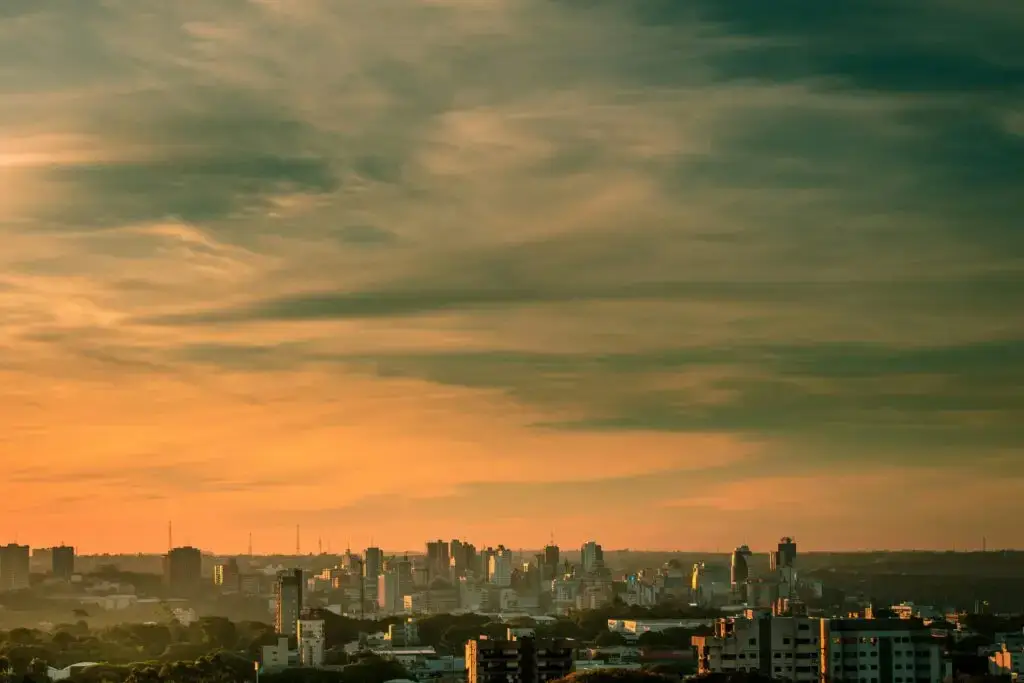
Paraguay Travel Guide
Paraguay is one of South America’s most overlooked yet fascinating countries, a landlocked nation filled with quiet charm, cultural depth, untouched wilderness, Indigenous heritage and a slow-paced rhythm that feels completely different from its neighbors. Travelers who seek dramatic landscapes, tourist crowds or flashy world-famous highlights often skip Paraguay, but those who take time to explore soon discover one of the continent’s most authentic destinations. Paraguay offers unpolished beauty—serene rivers, dense forests, rural villages, colonial missions, wildlife-filled wetlands and the expansive Chaco region where silence stretches across the horizon. It is a place where life moves gently, where locals welcome you with warmth, and where every journey reveals stories that remain hidden from mainstream tourism.
Paraguay’s identity is shaped by its cultural blend of Spanish and Guaraní influences. Guaraní is not just a remnant of the past—it is widely spoken today, woven into daily life, humor, music, spirituality and traditions. Few countries in the world have Indigenous languages so deeply integrated into modern society. This bilingual nature gives Paraguay a unique cultural voice, one that travelers hear in conversations, market interactions, village gatherings and songs played on the traditional Paraguayan harp.
The history of Paraguay is marked by resilience, conflict, independence and cultural fusion. Unlike many South American countries, Paraguay developed with relative isolation, shaping a national character that is proud, family-oriented and deeply connected to the land. The devastating War of the Triple Alliance (1864–1870), one of the bloodiest conflicts in South American history, left lasting scars, but the country rebuilt slowly and preserved its traditions. Today, Paraguay balances rural simplicity with growing urban centers, modern developments and emerging creative communities.
Geographically, Paraguay is divided into two very different regions: the Western Region (the Chaco) and the Eastern Region, separated by the Paraguay River. The Eastern Region contains most of the population, rolling green hills, colonial towns, fertile farmland and lively cities like Asunción and Encarnación. The Western Region, known simply as “El Chaco,” is a vast, dry, sparsely populated wilderness home to ranches, Indigenous groups and Mennonite colonies that transformed parts of the desert into agricultural powerhouses. The contrast between these two halves of the country is dramatic and forms a central theme in Paraguayan identity.
Paraguay may not promise dramatic Andean peaks or Amazonian jungles, but it delivers something rare: authenticity. It is a place where visitors feel connected not through museums or bucket-list attractions but through small interactions—sharing tereré with locals, watching children play football in dusty fields, listening to folk songs carried through warm evenings or observing the gentle flow of the Paraguay River at sunset. The slower pace encourages travelers to relax, observe and appreciate experiences that feel genuine and human.
Asunción: The Capital of Warmth and History
Asunción, one of the oldest cities in South America, sits along the banks of the Paraguay River and functions as the cultural, political and historical heart of the nation. Unlike fast-paced metropolitan cities like Buenos Aires or Santiago, Asunción feels laid-back and approachable, with tree-lined avenues, colonial buildings, vibrant markets and a youthful creative scene. The city blends history with modern life, and visitors quickly sense its intimate charm.
The historic center is anchored by the Palacio de los López, the presidential palace whose white façade gleams beautifully at night when illuminated. Nearby, the Cabildo—an elegant colonial building—houses cultural exhibits reflecting Paraguay’s past. Walking through the downtown streets, travelers find plazas shaded by lapacho trees, whose pink and yellow blossoms transform the city each spring. These plazas serve as meeting points, cultural stages and relaxing spaces for locals.
Asunción’s riverside area, known as the Costanera, offers wide promenades for walking, biking and enjoying sunsets over the Paraguay River. The river forms a central part of the city’s personality; its calm flow reflects the relaxed rhythm of daily life. Families gather here in the evenings, food vendors serve grilled snacks and teenagers practice music or dance routines.
Modern Asunción is also a hub of creativity. Neighborhoods like Carmelitas and Villa Morra feature trendy cafés, boutique stores, colorful murals, coworking spaces and gourmet restaurants blending local ingredients with innovative cuisine. Paraguayan artists, designers and musicians are increasingly shaping the cultural landscape, making Asunción an emerging hub for contemporary Latin American expression.
Markets reveal another layer of local life. Mercado 4, one of the largest markets in the country, stretches across numerous streets and offers everything from fresh fruit and medicinal herbs to clothing and electronics. It is busy, lively and full of character. Smaller artisan markets showcase handmade crafts, ceramics, textiles and carved wooden objects that reflect Indigenous and rural traditions.
Asunción’s architecture tells the story of Paraguay’s evolution. Colonial-era buildings sit beside mid-century structures and new glass towers. This blend reflects the city’s complex history and gradual development. Museums like the Museo de la Memoria offer insight into Paraguay’s dictatorship period under Alfredo Stroessner, while the Museo del Barro highlights Indigenous art, contemporary works and traditional ceramics.
Despite its status as capital, Asunción retains the feel of a large town rather than a demanding metropolis. The lifestyle is relaxed, friendly and intimate. Travelers often fall in love with Asunción not because of monumental attractions but because of the atmosphere—warm, welcoming and subtly vibrant.
Encarnación: Beaches, Jesuit Missions and Riverfront Life
Encarnación, located in southern Paraguay along the Paraná River, is one of the country’s most beautiful and livable cities. Often called “the pearl of the south,” Encarnación has grown rapidly with improved infrastructure and a renewed focus on tourism. Its riverfront—the Costanera de Encarnación—is lined with palm trees, modern walkways, sandy beaches and open recreational spaces that come alive during summer months.
Playa San José, the city’s main beach, becomes a lively gathering spot when temperatures rise. Families swim in the calm waters of the Paraná, groups of friends play volleyball on the sand and music drifts from beach bars as the sun sets. The atmosphere resembles a coastal city despite Paraguay being landlocked, and many travelers are surprised to find such a beautiful beach environment far from the ocean.
Encarnación is also the gateway to the Jesuit Missions of La Santísima Trinidad del Paraná and Jesús de Tavarangue, both UNESCO World Heritage Sites. These mission complexes date back to the 17th and 18th centuries when Jesuit priests worked with Indigenous Guaraní communities to build self-sustaining towns centered around education, agriculture, music and spirituality. The missions were impressive architectural achievements, featuring stone churches, workshops, communal housing and wide plazas.
Trinidad de Paraná is the best-preserved site, with towering stone walls, arches and remnants of the grand church that once stood at the center. Walking among the ruins at golden hour, when the warm light touches the stones and birds circle overhead, creates a sense of stepping into another era. At night, sound-and-light shows illuminate the mission’s history, offering a beautiful retelling of Guaraní and Jesuit life.
Jesús de Tavarangue, though incompleted due to historical events, showcases remarkable architectural ambition. Its large unfinished stone walls and high arches hint at what would have been one of the grandest churches in the region. Both missions reflect the complex relationship between Indigenous communities and European settlers and remain deeply important to Paraguayan cultural identity.
Encarnación’s atmosphere feels peaceful and refined. Its streets are clean, modern and welcoming. Markets offer fresh fruits, artisan products and traditional sweets, while small restaurants serve sopa paraguaya, chipa, mandioca and grilled meats. The city’s growing tourism infrastructure makes it an excellent base for exploring the southern region of Paraguay.
Ciudad del Este: Commerce, Energy and the Itaipú Dam
Ciudad del Este, located at the border with Brazil and Argentina, is one of the busiest commercial zones in South America. Known for its extensive shopping districts, electronics stores and bustling streets, the city attracts thousands of international shoppers daily. While it lacks the charm of Asunción or Encarnación, Ciudad del Este offers unique experiences and provides access to natural and cultural wonders in the region.
The highlight of the area is the Itaipú Dam, one of the largest hydroelectric power plants in the world. Shared between Paraguay and Brazil, Itaipú generates a significant portion of Paraguay’s electricity and symbolizes engineering excellence. Visitors can take guided tours that explain the dam’s construction, environmental impact and technological achievements. The viewing platforms offer dramatic sights of water rushing through massive spillways, especially during high-flow periods.
Near Ciudad del Este, lush forests and rivers offer natural escapes from the city’s commercial intensity. The Monday Waterfalls (Saltos del Monday), located near the town of Presidente Franco, feature a powerful multilevel cascade framed by dense vegetation. The site includes walking trails, viewpoints and platforms where visitors can feel the mist rising from the falls.
Ciudad del Este’s urban atmosphere reflects the region’s cultural diversity. Lebanese, Korean, Chinese, Brazilian and Paraguayan communities coexist, creating a fusion of languages, foods and marketplaces. Street vendors sell everything from electronics to perfumes, clothing and handmade crafts. The city thrives on energy, movement and international exchange, offering a unique glimpse into Paraguay’s global connections.
The Paraguayan Chaco: Wilderness, Silence and Untamed Beauty
The Chaco, occupying the western half of the country, is one of the most mysterious and compelling landscapes in South America. It is vast, dry, sparsely populated and ecologically extraordinary. Known for its extreme temperatures, thorny vegetation, wetlands, savannas and remote ranches, the Chaco is a region where nature dominates and human presence remains minimal.
Travelers who venture into the Chaco discover enormous open skies, wildlife habitats, Mennonite colonies, Indigenous communities and remote national parks. The region’s isolation is part of its beauty. Sunsets stretch across endless horizons, stars shine intensely, and silence envelops the land at night.
Filadelfia, Loma Plata and Neuland are Mennonite colonies established by European immigrants in the 20th century. These communities transformed parts of the Chaco into productive agricultural zones through remarkable perseverance, innovation and cooperation. Visitors can explore museums, dairy factories, farms and cultural centers that illustrate Mennonite history, values and achievements. The atmosphere in these towns is peaceful and orderly, with wide streets, clean parks and welcoming residents.
Farther into the wilderness lies Defensores del Chaco National Park, a protected area home to jaguars, pumas, tapirs, peccaries and vibrant birdlife. The park is remote, often requiring well-equipped vehicles and experienced guides. For adventurous travelers, the Chaco offers a raw, immersive experience in one of South America’s last great frontiers.
The Chaco is also home to various Indigenous groups, including the Ayoreo, Enxet, Nivaclé and Guaraní peoples. Their traditions, worldviews and relationships with the land contribute significantly to Paraguay’s cultural richness. While many live in small villages near ranches or towns, others inhabit remote forest regions where they maintain traditional lifestyles.
Travel in the Chaco demands preparation, respect for nature and flexibility. Roads can be rough, distances long and services limited. But for those seeking solitude, untouched environments and cultural depth, the Chaco is unforgettable.
Nature and Wildlife in Paraguay
Paraguay’s ecosystems may be less internationally known than those of the Amazon or Andes, but the country is blessed with diverse environments. Wetlands, forests, savannas, rivers, marshes and dry Chaco plains create habitats for a wide range of species.
The Paraguayan Pantanal, part of the world’s largest tropical wetland system, extends into northern Paraguay. It is a paradise for wildlife, particularly birds, reptiles and aquatic life. Caimans sunbathe near water channels, capybaras graze on riverbanks and giant otters swim through streams. Birdwatchers can observe herons, storks, hawks, macaws and numerous migratory species.
Elsewhere, the Atlantic Forest in eastern Paraguay shelters remnants of once-vast biodiversity corridors that extended into Brazil and Argentina. Though reduced by deforestation, protected areas such as Mbaracayú Forest Nature Reserve conserve rare species like jaguars, pumas, maned wolves and endemic birds. This region’s dense canopy, waterfalls and rivers offer excellent hiking and nature photography opportunities.
Wetlands near Pilar and the Ñeembucú area showcase aquatic ecosystems filled with fish, amphibians, reeds and birds. Quiet boat trips or hikes reveal tranquil landscapes where water mirrors the sky and soft breezes rustle tall grasses.
Rivers like the Paraguay and Paraná serve as lifelines for communities and wildlife. Fishermen cast nets at sunrise, children play along riverbanks, and migratory birds use sandbars as resting spots. The tranquil rhythms of the rivers shape local culture in countless ways.
Paraguayan Culture and Identity
Culture in Paraguay is deeply intertwined with Guaraní heritage. Guaraní language and traditions form the backbone of national identity. It is common to hear daily conversations mixing Spanish and Guaraní seamlessly, creating a linguistic melody unique to the country. Guaraní expressions, humor and worldview are embedded in music, poetry, rituals, family life and folklore.
Music is central to Paraguayan identity. The Paraguayan harp, renowned for its graceful and melodic sound, features prominently in traditional songs. Polkas, guaranias and folk dances are performed during national holidays, festivals and family celebrations. These artistic expressions reflect rural life, nature, love, spirituality and historical struggles.
Tereré, Paraguay’s national drink, is another cultural symbol. This cold herbal infusion, served in guampa cups with metal straws, is shared among friends, family and even strangers. Tereré is not just a refreshment—it is a social ritual that brings people together throughout the day.
Traditional clothing, such as ao po’i embroidered shirts and ñandutí lacework, reflects delicate artistry passed down through generations. Ñandutí, meaning “spiderweb” in Guaraní, is a lace textile featuring intricate circular patterns often inspired by nature. These textiles are highly valued and commonly used in clothing, decorations and artwork.
Paraguayan cuisine revolves around corn, cassava, cheese and meat. Sopa paraguaya (a savory cornbread), chipa (a baked cheese bread) and mandioca (cassava) accompany nearly every meal. Grilled meats, stews and soups provide hearty comfort, especially in rural regions.
Family values are strong in Paraguayan society. Gatherings, celebrations and community events reinforce deep social bonds. Paraguayans are often described as warm, humble and welcoming, offering hospitality that makes travelers feel at home.
Travel Practicalities
Traveling in Paraguay requires some planning due to distances, climate and infrastructure. Public transport is available but can be slow in rural areas. Renting a car provides flexibility but demands caution, especially in the Chaco where roads are rough and fuel stations limited.
The climate varies between regions. Eastern Paraguay experiences warm, humid summers and mild winters. The Chaco is hot and dry, with temperatures soaring above 40°C during summer months. Travel outside peak heat seasons is more comfortable, though possible year-round.
Paraguay is generally safe for travelers, particularly in small towns and rural areas. Urban centers require standard precautions. The country receives relatively few tourists, so people are often curious and eager to assist visitors.
Spanish is spoken widely, but knowing basic Guaraní expressions enriches interactions and earns appreciation from locals. Currency is the Paraguayan guaraní, and while major cities have ATMs, rural areas may require cash.
Why Paraguay Is a Hidden Treasure
Paraguay does not seek to overwhelm visitors with dramatic attractions or record-breaking landmarks. Instead, it invites travelers to slow down, observe and immerse themselves in genuine culture. It offers moments rather than monuments: sharing tereré under shade trees, listening to harp music during warm evenings, exploring ruins lit by sunset, and driving across wide landscapes where silence becomes part of the experience.
Paraguay is a country of authenticity, resilience, warmth and deep-rooted heritage. It rewards those who look beyond the typical travel map and embrace discovery in its purest form. Whether wandering through Asunción’s historic streets, exploring the Chaco’s vast wilderness, visiting mission ruins, immersing in Guaraní culture or relaxing by the river in Encarnación, Paraguay leaves a quiet but unforgettable mark.
It may be one of South America’s least visited countries, but for many who explore it, Paraguay becomes one of the most meaningful.
 Related Articles
- Kakslauttanen Arctic Resort
- Top 10 Most Unique Places to Stay in Europe
- 10 Incredible Castles Around the World