
Uruguay
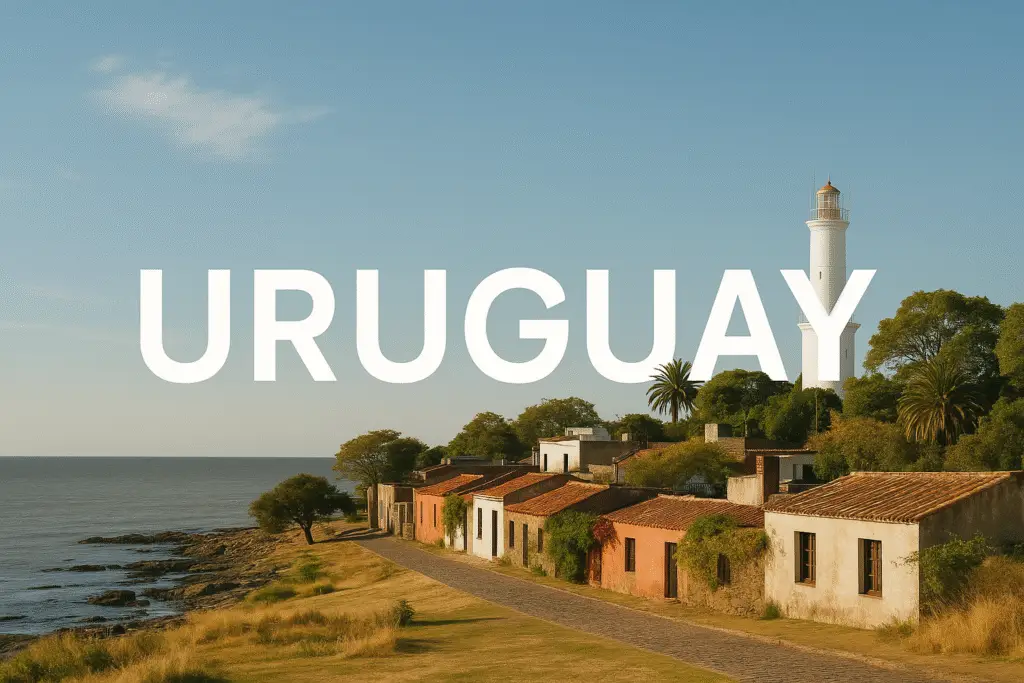
Geographically, Uruguay sits between Argentina and Brazil, with the Atlantic Ocean and the Río de la Plata forming its long waterfront. Much of the population lives near the coast, giving the country a breezy, maritime feel. The interior consists of soft, undulating hills, cattle ranches, pastures, vineyards and small rural towns that preserve traditional ways of life. While Uruguay lacks towering mountains or massive rainforests, it offers harmony, calm landscapes and an understated beauty that becomes more meaningful the longer you stay.
Culturally, the country reflects strong European influence, particularly Spanish and Italian, though Indigenous history, African heritage and gaucho traditions remain deeply rooted. Music, literature, tango, candombe drumming, football and asado (barbecue) play central roles in national identity. Uruguayans, known as “orientales,” value modesty, kindness and privacy. They are proud of their country but rarely loud about it, and this quiet confidence makes Uruguay’s culture especially charming.
From Montevideo’s leafy boulevards to Colonia’s colonial UNESCO district, from the glamorous beaches of Punta del Este to the bohemian calm of Cabo Polonio, from inland estancias to hidden thermal springs, Uruguay offers an enriching, slow-travel experience that encourages connection, contemplation and appreciation.
Montevideo: The Capital by the Sea
Montevideo, Uruguay’s capital and largest city, is a maritime metropolis with a relaxed personality. Set along the Río de la Plata, which is so wide it looks like an ocean, Montevideo blends European architecture with South American warmth. It is one of the safest and most livable capitals in the Americas, known for its parks, beaches, cultural festivals, football passion and historic neighborhoods.
The city’s Old Town, Ciudad Vieja, is the heart of its history. Its streets contain neoclassical buildings, colonial homes, museums, theaters and small cafés. Many buildings date back to the 18th and 19th centuries, giving the district an elegant charm. The iconic Solís Theatre, one of the oldest theaters in South America, hosts opera, ballet, concerts and drama. Plaza Independencia links the Old Town with the modern city, featuring the impressive statue of national hero José Artigas, whose remains lie in an underground mausoleum.
Montevideo’s Rambla is perhaps its most beloved attraction. This 22-kilometer waterfront promenade stretches along the coast, offering space for walking, cycling, fishing, sunset watching and drinking mate with friends. The Rambla is where Montevideo’s soul lives—families gather for picnics, joggers pass by, elderly couples sit on benches, teenagers play guitar and fishermen cast lines into the river. The sunsets here, turning the sky into shades of orange and violet, linger long in memory.
Montevideo’s neighborhoods reveal the city’s cultural diversity. Pocitos is a modern district with tall buildings, fashionable boutiques and a curved sandy beach that fills with sunbathers in summer. Carrasco, farther east, features luxurious homes, tree-lined streets and a tranquil atmosphere. Parque Rodó offers leafy parks, museums, lakes and a lively student scene, making it one of the city’s most dynamic areas. Palermo and Barrio Sur preserve Afro-Uruguayan identity, especially through candombe—a drumming tradition that fills the streets during Carnival and on weekend nights when drum groups rehearse.
Montevideo is also a culinary hub, famous for its beef and barbecued meats. The Mercado del Puerto, once a historic port building, now hosts numerous parrillas where grills sizzle with steaks, sausages, sweetbreads and ribs. The aroma of roasted meats blends with live music and conversations, making the market a sensory experience. Cafés, bakeries and modern restaurants serve everything from pastries to international cuisine, reflecting the city’s sophisticated culinary evolution.
Culturally, Montevideo is vibrant year-round. The city features museums such as the Museo Nacional de Artes Visuales, dedicated to Uruguay’s best artists, and the Torres García Museum, showcasing the geometric works of the country’s most influential modern painter. Literature also holds strong influence, with bookstores and libraries dotting the streets.
Despite being a capital, Montevideo never feels overwhelming. Its pace is gentle, its people friendly, and its atmosphere deeply welcoming.
Colonia del Sacramento: A UNESCO Jewel
Colonia del Sacramento is one of Uruguay’s most cherished destinations, beloved for its beautifully preserved colonial quarter, tranquil streets and romantic riverside sunsets. Founded by the Portuguese in 1680 and later contested by the Spanish, Colonia’s historic district is a UNESCO World Heritage Site where cobblestone lanes wind past whitewashed houses, ivy-covered walls, antique cafes and small museums housed in centuries-old buildings.
The town’s architecture blends Portuguese and Spanish influences, reflecting its complex past. Narrow streets such as Calle de los Suspiros (“Street of Sighs”) evoke a timeless charm, with stone pathways, rustic façades and legends that spark the imagination. The lighthouse, built in the 19th century atop the ruins of a 17th-century convent, provides stunning panoramic views of the river, old town and distant skyline of Buenos Aires shimmering across the water.
Colonia’s atmosphere is slow and peaceful. Many travelers visit for a day from Buenos Aires, but staying longer reveals deeper layers. Early mornings bring soft light to the colonial walls, afternoons invite wandering through artisan shops or enjoying coffee beneath fig trees, and evenings offer romantic walks along the waterfront promenade as the sun sets in golden hues over the wide Río de la Plata.
The city’s small museums highlight colonial history, Indigenous artifacts, religious art and Portuguese architecture. Restaurants within the historic center serve local wines, seafood, grilled meats and modern fusion dishes. The blend of history, nature and serenity makes Colonia one of Uruguay’s most enchanting places.
Punta del Este: Glamour, Beaches and Summer Energy
Punta del Este, Uruguay’s most famous beach resort, is synonymous with summer glamour, international visitors, luxury estates, bustling nightlife and endless sandy beaches. Located on the southeastern tip of the country, where the Río de la Plata meets the Atlantic Ocean, the city transforms every year between December and March into a vibrant social center for celebrities, surfers, families and sun-seekers.
The coastline offers two distinct beach areas: Playa Mansa, facing the river, is calm, warm and ideal for swimming, while Playa Brava faces the Atlantic and boasts bigger waves, making it popular for surfing. One of Punta del Este’s most iconic landmarks is La Mano, a sculpture of fingers emerging from the sand on Playa Brava—a symbol recognized across South America.
Beyond beaches, Punta del Este features luxury hotels, stylish restaurants, marina promenades, high-end boutiques and lively nightclubs. Gorlero Avenue serves as the main shopping and dining street, while the port area provides seafood restaurants, fresh fish markets and beautiful views of yachts.
Just outside the city center lies Casapueblo, a breathtaking white structure built by Uruguayan artist Carlos Páez Vilaró. Resembling Mediterranean architecture, Casapueblo functions as a museum, gallery and hotel, with terraces that overlook sunsets described as some of the best in the country.
Nearby La Barra and José Ignacio offer more relaxed alternatives to Punta del Este’s glamour. La Barra draws younger travelers with its surf culture, colorful buildings and bohemian vibe. José Ignacio, once a sleepy fishing village, has become an exclusive retreat known for boutique hotels, quiet beaches, fine dining and serene landscapes. It is Punta del Este’s quieter, more refined sibling.
During the off-season, Punta del Este becomes peaceful, allowing travelers to enjoy its natural beauty without crowds. Its combination of beaches, nightlife, nature and luxury makes it one of Uruguay’s signature destinations.
The Atlantic Coast: Wild Beauty and Bohemian Escapes
Uruguay’s Atlantic coast stretches east of Punta del Este toward the Brazilian border, revealing a series of coastal towns, dunes, forests, lagoons and fishing villages that feel remote, wild and wonderfully authentic. This region is beloved by nature lovers, backpackers, surfers and travelers seeking rustic charm.
Cabo Polonio is perhaps the most magical place on the Atlantic coast. Accessible only by authorized 4×4 vehicles that cross sandy dunes, Cabo Polonio is a car-free village with ramshackle wooden houses, artisanal restaurants, craft stalls, sandy paths and a lighthouse overlooking the sea. Sea lions gather in large colonies on rocky outcrops, waves crash on wide beaches and nights fill with stars. There is no grid electricity in most homes, so evenings glow with candlelight, lanterns and bonfires. Cabo Polonio offers a rare escape from modern life, inviting travelers to slow down and reconnect with nature.
Further northeast lies Punta del Diablo, a fishing village that has evolved into a relaxed beach town popular among surfers, artists and young travelers. Colorful wooden cabins, seafood shacks, beach bars and artisan markets create a laid-back atmosphere. Coastal trails lead to quiet beaches, rocky points and the wilderness of Santa Teresa National Park, where forests meet the sea and historic fortresses stand guard over the coastline.
Santa Teresa Park is a natural wonderland filled with hiking paths, dunes, gardens, lagoons, palm forests and sandy beaches. It is also home to the 18th-century Fortaleza de Santa Teresa, built by the Portuguese and later used by the Spanish.
Further north, Laguna Negra and the surrounding wetlands host birdlife, amphibians and peaceful nature reserves ideal for kayaking, hiking or wildlife watching. The town of Chuy, near the Brazilian border, reflects a mix of cultures and languages, offering duty-free shopping and access to rugged beaches.
This stretch of Uruguay showcases the country’s wilder side, offering tranquility, rustic charm and deep connection with the ocean.
Uruguay’s Countryside: Estancias, Gaucho Culture and Rolling Hills
Uruguay’s interior is defined by green hills, cattle ranches, quiet villages, winding rivers and open skies. This region, often overlooked by travelers focused on the coast, contains some of the country’s richest cultural traditions.
Estancias—traditional ranches—offer immersive experiences where travelers can learn about gaucho life, horseback riding, cattle work and rural cuisine. Gauchos are Uruguay’s iconic horsemen, similar to Argentina’s cowboys, known for their horsemanship, independence, hospitality and deep knowledge of the land. Staying at an estancia often includes horseback excursions across pastures, meals cooked over open flames, storytelling by the fireplace and peaceful nights beneath star-filled skies.
The countryside around Minas, Lavalleja and Maldonado features rolling hills, granite formations, waterfalls, hiking trails and scenic viewpoints such as Cerro Arequita and Salto del Penitente. Towns like Aigua, Villa Serrana and Mariscala offer rustic charm and access to nature.
To the northwest, near the town of Salto, lie Uruguay’s thermal springs. These hot water complexes offer relaxation, spa treatments and wellness experiences. The town of Paysandú also hosts thermal centers and beautiful riverside views along the Uruguay River.
Tacuarembó, deep in the northern interior, celebrates gaucho identity through festivals, folklore music, rodeos and cultural events. The region preserves the memory of poet Carlos Gardel, one of tango’s most iconic figures, who many believe had roots in Uruguay.
The central and northern countryside reveals Uruguay’s agricultural heart. Ranches, dairy farms, vineyards and small-scale producers craft cheeses, wines, olive oils and honey. This region feels untouched by mass tourism, offering authentic encounters with rural life.
Uruguay’s Wine Country
Uruguay is an emerging wine destination, best known for its robust Tannat variety, which has become the country’s signature grape. The wine regions near Montevideo, Canelones, and Maldonado offer vineyards, tasting rooms, boutique wineries and rural landscapes ideal for leisurely tours.
Tannat thrives in Uruguay’s coastal climate, producing rich, deep wines with balanced acidity and smooth tannins. Many wineries are family-run, focusing on craftsmanship and sustainability. Visitors can tour vineyards, meet winemakers, enjoy pairings with local cuisine and relax amid vine-covered hills.
Culture, Traditions and Daily Life
Uruguayan culture is a blend of European heritage, Indigenous roots, African rhythms and gaucho traditions. The country’s cultural identity emphasizes modesty, equality, solidarity and community.
Mate, the traditional herbal infusion, is a national ritual. Uruguayans drink mate everywhere—on beaches, in parks, at bus stops, workplaces and social gatherings. Travelers quickly notice people carrying thermoses of hot water and mate gourds throughout the day.
Football is another central pillar of national pride. Uruguay has a legendary football history, including winning the first FIFA World Cup in 1930 and defeating Brazil in the iconic 1950 final known as the “Maracanazo.” Football joins people across social classes and generations.
Candombe represents Uruguay’s Afro-descendant heritage. This drumming tradition, rooted in African rhythms brought by enslaved communities, fills the streets during Carnival and on weekends in Montevideo’s Barrio Sur. Candombe is more than music—it is a cultural identity expressing joy, resistance and community.
Tango also thrives in Uruguay, particularly in Montevideo, which shares tango heritage with Buenos Aires. Music, poetry and dance blend into an expressive cultural art form celebrated in milongas and festivals.
Literature and arts hold strong influence. Uruguay has produced internationally respected writers such as Eduardo Galeano, whose poetic prose reflects humanity, history and social justice.
Uruguayans value equality and social welfare. The country is known for progressive policies, high education levels, strong unions and a deeply ingrained respect for civil liberties. This atmosphere creates a sense of safety and stability that visitors instantly feel.
Nature and Wildlife
Uruguay’s natural environment consists of wetlands, grasslands, riverbanks, forests, coastal dunes and lagoons. Though the country lacks extreme biodiversity compared to tropical nations, its ecosystems remain rich and well-preserved.
Birdwatching is particularly rewarding. Lagoons, wetlands and forests host flamingos, herons, rheas, hawks, owls and migratory species from north and south. Coastal areas often reveal sea lions, dolphins and marine birds.
Wetlands near Rocha contain lush marshes that attract countless bird species. The Santa Lucía river estuary near Montevideo serves as a protected natural reserve with trails and observation towers.
The sandy dunes of Cabo Polonio and the forested areas of Santa Teresa showcase the diversity of Uruguay’s coast, while freshwater beaches along the Río Uruguay and Río de la Plata provide peaceful nature escapes.
Safety and Travel Practicalities
Uruguay is considered one of the safest countries in the Americas. Crime rates are low, especially compared to surrounding nations. Travelers can feel comfortable walking around most cities, even in the evening, though standard precautions still apply in busy areas.
Infrastructure is modern and reliable. Roads are well-maintained, buses connect cities efficiently, and ferries link Uruguay with Argentina. The country’s compact size makes travel between destinations easy and relaxing.
Spanish is the official language, though Uruguayan Spanish has a distinct accent and vocabulary. Many Uruguayans understand basic English, especially in tourist zones. The currency is the Uruguayan peso, and most urban areas offer ATMs and credit card facilities.
Healthcare is high-quality, supermarkets are widespread, and water is safe to drink. Uruguay’s climate is temperate, with warm summers and mild winters.
Why Uruguay Captivates Travelers
Uruguay is a country of subtle beauty and peaceful charm. It does not aim to overwhelm visitors with towering mountains or dramatic jungles—its allure is something softer, something that grows gradually. It invites travelers to slow down, breathe deeply, and appreciate the quiet joys of life.
It is the warmth of Montevideo’s Rambla at sunset, the tranquility of Colonia’s cobblestone streets, the sophistication of Punta del Este, the wild dunes of Cabo Polonio, the rhythm of candombe drums echoing through the night, the taste of Tannat wine, the simplicity of sharing mate with strangers and the comforting presence of open landscapes.
Uruguay gives you space—space to rest, reflect, connect and enjoy. It is a country that feels human, grounded and genuine, a place where travelers often extend their stay simply because it feels good to be there.
More than anything, Uruguay lingers in the heart because of its people: kind, thoughtful, proud, gentle and deeply connected to their traditions. In a world that often feels chaotic, Uruguay offers a different perspective—one of balance, peace and authentic living.
 Related Articles
- Kakslauttanen Arctic Resort
- Top 10 Most Unique Places to Stay in Europe
- 10 Incredible Castles Around the World