
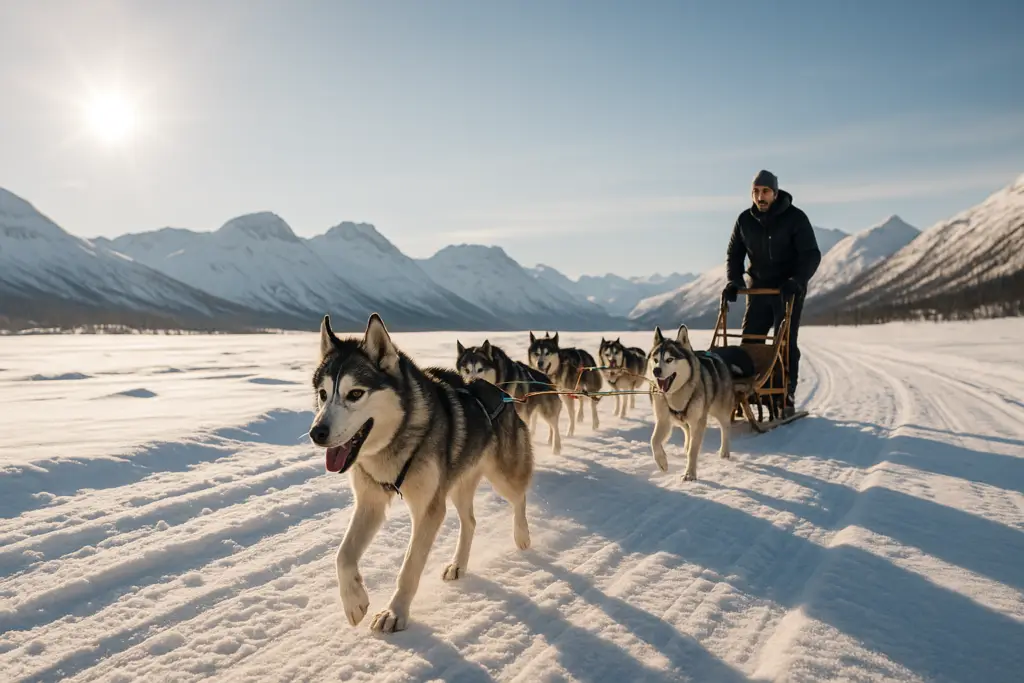
Dog Sledding Around the World is not just an activity — it is a journey into silence, nature, and tradition. Long before it became a bucket list experience for travelers, dog sledding was a way of life. For centuries, sled dogs carried people, food, and supplies across frozen landscapes where no roads existed. Even today, stepping onto a dog sled feels like stepping back in time.
There are few travel experiences that create such an immediate connection with nature. The moment the dogs start running, the world becomes quiet. No engines. No crowds. Just snow, breath, movement, and distance. That is why dog sledding remains one of the most unforgettable winter experiences anywhere on Earth.
In this guide, we explore dog sledding around the world, starting with Europe and North America — the most accessible and iconic regions for this experience.
Why Dog Sledding Belongs on Every Bucket List
Many bucket list activities are exciting, but dog sledding is different. It is not about speed or adrenaline alone. It is about rhythm, trust, and cooperation. The dogs are not machines — they are partners. Every sled team has its own personality, its own leader, and its own energy. Dog Sledding Around the World
Travelers often describe dog sledding as emotional. Seeing how eager the dogs are to run, how focused they become once the sled starts moving, and how calm the environment feels creates a deep impression. It is common to hear people say that dog sledding was the most meaningful experience of their entire trip. Dog Sledding Around the World
What makes dog sledding truly special is that it combines adventure with authenticity. This is not a staged attraction. In many regions, sled dogs are still trained year-round, and mushing remains part of local culture.
Understanding Modern Dog Sledding
Modern dog sledding experiences vary widely depending on location, length, and style. Some tours last less than an hour and are designed for first-time visitors. Others involve multi-day expeditions through wilderness, where travelers learn to care for the dogs, navigate terrain, and camp in extreme conditions.
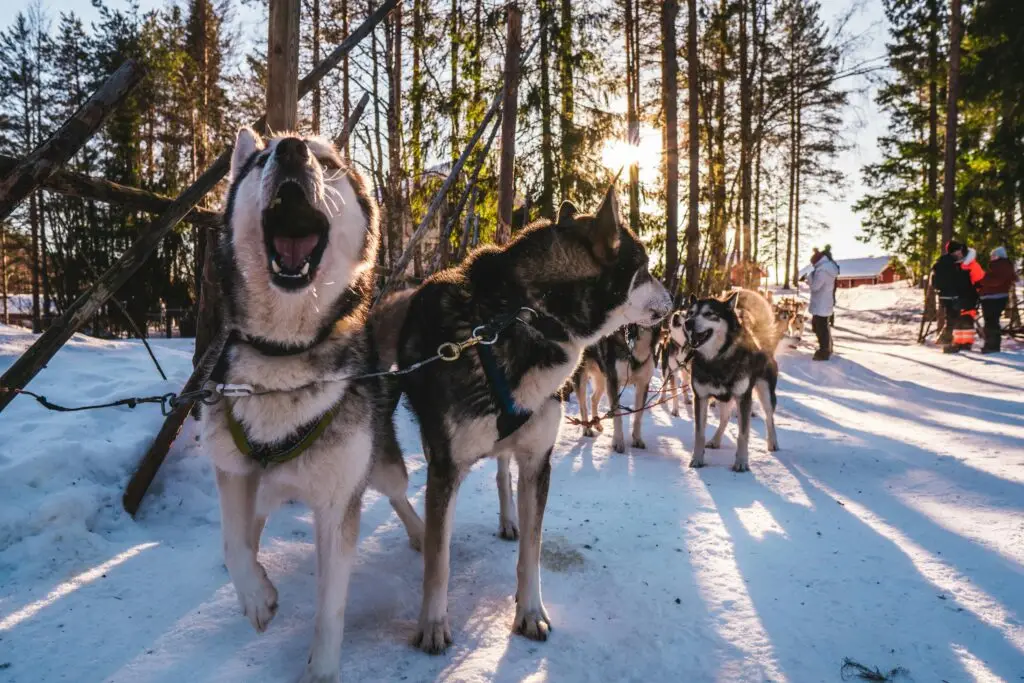
Ethical dog sledding operators focus heavily on animal welfare. Dogs are bred for endurance and cold climates, receive professional veterinary care, and are rotated to avoid exhaustion. A well-run husky farm is easy to recognize: the dogs are alert, social, and visibly excited when it is time to run. Dog Sledding Around the World
The Best Time of Year for Dog Sledding
Dog sledding depends entirely on snow conditions and cold temperatures. In most destinations, the season runs from late November until early April. January through March is considered the most reliable period, offering stable snow and longer daylight hours. Dog Sledding Around the World
In Arctic regions, temperatures can drop well below freezing, which enhances the experience but also requires proper clothing and preparation. Many tour providers include thermal suits, boots, gloves, and helmets, making dog sledding accessible even for travelers with no winter experience. Dog Sledding Around the World
Dog Sledding in Europe: Arctic Landscapes and Alpine Trails
Europe offers some of the most scenic and beginner-friendly dog sledding destinations in the world. The infrastructure is excellent, the travel distances are manageable, and the landscapes feel straight out of a winter postcard.
Lapland, Finland: The Heart of European Dog Sledding
Lapland is often the first place people think of when they imagine dog sledding — and for good reason. Located above the Arctic Circle, Finnish Lapland offers vast forests, frozen rivers, and endless snow-covered plains.
Dog sledding here feels immersive and authentic. Many husky farms are family-run and operate year-round, training dogs during summer and welcoming visitors in winter. Tours usually start with an introduction to the dogs, followed by clear instructions on how to steer, brake, and work with your team. Dog Sledding Around the World
The routes vary from gentle forest trails to long stretches across frozen lakes. The silence is striking, especially when the sled glides smoothly over fresh snow. In late winter, there is even a chance of witnessing the Northern Lights during evening or nighttime tours.
Lapland is also one of the best destinations for first-time dog sledders because of its safety standards and professional guides.
Sweden: Wild Arctic Nature and Fewer Crowds
Sweden offers a slightly different atmosphere compared to Finland. Regions such as Kiruna and Abisko are less crowded and feel more remote. The landscapes are dramatic, with wide valleys, mountain backdrops, and long frozen waterways.
Dog sledding in Sweden often emphasizes sustainability and small-group experiences. Many operators limit the number of guests per tour, allowing for a more personal connection with the dogs and the environment.
Abisko National Park is particularly famous for its dark skies and Northern Lights visibility, making dog sledding here a powerful combination of adventure and natural spectacle. Dog Sledding Around the World
Norway: Arctic Wilderness and Mountain Scenery
Norway offers two distinct dog sledding experiences. In the north, around Tromsø and Finnmark, travelers experience true Arctic wilderness. Here, dog sledding routes cross open plateaus and snowy tundra with views of fjords and distant mountains. Dog Sledding Around the World
Southern Norway, on the other hand, offers alpine dog sledding in mountainous regions. These tours are often shorter and more scenic, making them ideal for travelers combining dog sledding with skiing or winter hiking.
Norwegian dog sledding experiences often focus strongly on tradition. Many guides are experienced mushers who participate in long-distance races and train their dogs year-round. Dog Sledding Around the World
Dog Sledding in the European Alps
While the Alps are better known for skiing, dog sledding is quietly growing in popularity across Switzerland, France, and Italy. Alpine dog sledding differs from Arctic experiences in that routes are usually shorter and guided, with guests riding while the musher controls the sled.
The scenery, however, is spectacular. Snow-covered peaks, alpine forests, and wide mountain valleys create a postcard-perfect backdrop. This type of dog sledding is ideal for families or travelers who want a taste of the experience without committing to a full-day adventure.
Dog Sledding in North America: Where Legends Are Made
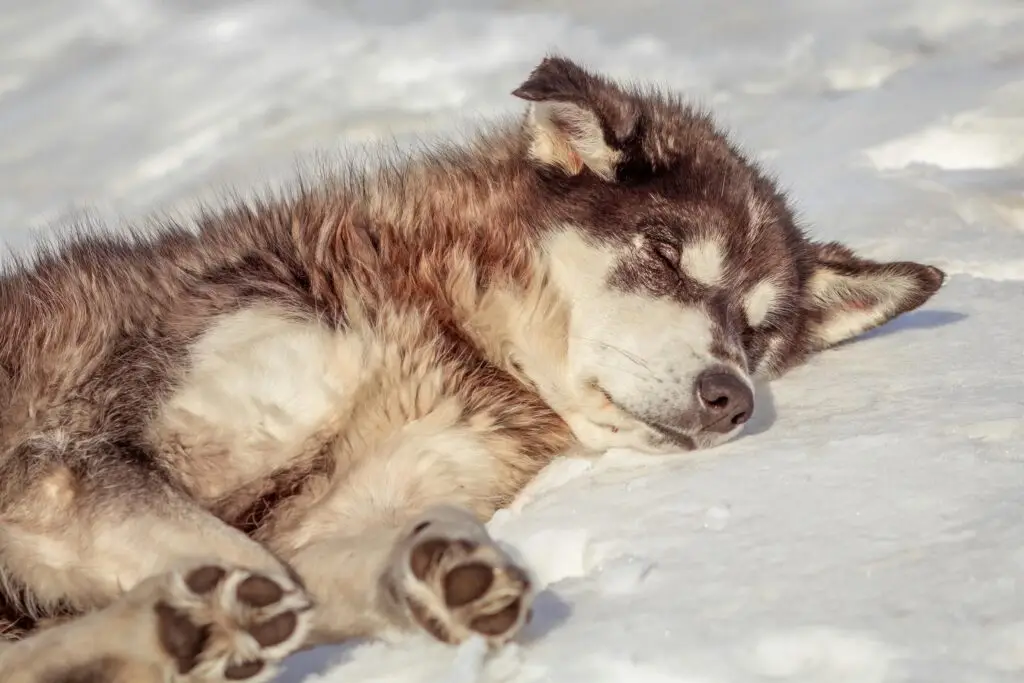
North America is deeply connected to the history of dog sledding. In Alaska and Canada, sled dogs were essential for exploration, survival, and communication long before modern transportation existed. Dog Sledding Around the World
Alaska, USA: The Ultimate Dog Sledding Destination
Alaska is widely considered the spiritual home of dog sledding. It is here that legendary long-distance races such as the Iditarod take place, following historic mail routes across extreme terrain.
Dog sledding in Alaska feels powerful and raw. The landscapes are vast, untouched, and intimidating in scale. Tours near Fairbanks and Denali allow travelers to experience long routes through wilderness that feels almost prehistoric.
One of the most unique options in Alaska is glacier dog sledding, where visitors take a helicopter to a remote glacier and sled across endless ice fields. This experience is expensive but unforgettable.
Canada: Diversity, Culture, and Wilderness
Canada offers a wide range of dog sledding environments. From the remote Yukon to the forests of Quebec and the mountains of British Columbia, each region provides a distinct experience. Dog Sledding Around the World
In many parts of Canada, dog sledding is closely connected to Indigenous culture and history. Some tours include storytelling, traditional techniques, and insights into how sled dogs supported communities for generations.
Canadian dog sledding experiences are often well-suited for travelers looking for longer routes and immersive wilderness adventures. Dog Sledding Around the World
After exploring Europe and North America, it becomes clear that dog sledding is far more than a regional winter activity. Beyond the familiar destinations lies a world of extreme landscapes, ancient traditions, and places where dog sledding is not a tourist attraction, but a living necessity. In these regions, dog sledding still connects remote communities, crosses frozen seas, and follows routes shaped by centuries of survival.
Part 2 takes us deeper into the Arctic and beyond, to places where dog sledding feels raw, isolated, and profoundly authentic.
Iceland: Small-Scale but Dramatic
Iceland is not traditionally known for dog sledding in the same way as its Arctic neighbors, but in recent years it has developed a small, carefully managed dog sledding scene.
Because of Iceland’s variable snow conditions, most dog sledding experiences take place in northern regions or in the highlands during winter. What Iceland lacks in size, it makes up for in atmosphere. Dog Sledding Around the World
Dog sledding here often takes place against a backdrop of volcanic mountains, wide open plateaus, and dramatic winter skies. The contrast between snow and dark volcanic rock gives Icelandic dog sledding a unique visual identity.
Tours are usually shorter and highly controlled, focusing on education, interaction with the dogs, and scenic routes rather than long-distance travel. This makes Iceland a good option for travelers who want to combine dog sledding with road trips, waterfalls, glaciers, and hot springs.
Siberia and Russia: The Ancient Heart of Dog Sledding
Long before Alaska or Canada became synonymous with sled dogs, Siberia was already shaped by them. In remote regions of Russia, dog sledding has existed for thousands of years, used by Indigenous peoples to travel across tundra, forests, and frozen rivers.
Siberian dog sledding is not widely commercialized, which makes it both fascinating and difficult to access. The distances are immense, the climate extreme, and the infrastructure limited. But for those who make the journey, the experience is unlike anywhere else on Earth.
Here, dog sledding routes follow ancient migration paths. Villages are separated by vast wilderness, and the dogs remain essential companions rather than attractions. Tours, where available, are often expedition-style and require a high level of preparation.
Siberia represents dog sledding in its purest form — demanding, isolated, and deeply connected to survival.
Mongolia: Where Snow Meets Nomadic Tradition
Mongolia may seem like an unexpected dog sledding destination, but in its northern regions, particularly near the border with Russia, winter landscapes allow for sledding experiences rooted in nomadic culture.
Dog sledding in Mongolia is rare and highly specialized. Instead of large husky farms, travelers encounter small groups of dogs raised by families who live in harmony with the land. The experience is deeply personal, often involving stays in traditional gers and shared meals with local communities. Dog Sledding Around the World
The terrain is wide and open, with rolling snow-covered plains stretching as far as the eye can see. Unlike forested Arctic regions, Mongolia’s dog sledding routes feel exposed and expansive, creating a strong sense of freedom and vulnerability.
This is dog sledding stripped of luxury, offering connection rather than convenience.
Dog Sledding in Extreme and Rare Destinations
Beyond the Arctic Circle, dog sledding exists in a handful of extraordinary places where conditions allow it only briefly or under strict control.
In some regions, dog sledding is offered as part of scientific expeditions, cultural preservation programs, or ultra-exclusive adventure travel. These experiences are not designed for casual travelers, but for those seeking the outer edges of exploration.
One of the most extreme environments where dog sledding has historically taken place is Antarctica. While modern regulations protect wildlife and limit animal introduction, historical expeditions relied heavily on sled dogs to explore the frozen continent. Today, Antarctica represents the symbolic limit of dog sledding — a reminder of how essential these animals once were in human exploration.
The Emotional Impact of Remote Dog Sledding
As destinations become more remote, the emotional experience of dog sledding deepens. In isolated regions, the absence of modern noise, infrastructure, and distractions forces travelers to slow down.
Many people report that dog sledding in remote destinations creates a sense of perspective. Time feels different. Distances feel larger. Progress feels earned rather than automated.
The bond between musher and dogs becomes more visible in these environments. Commands are subtle. Trust is essential. There is no room for haste or carelessness.
Why These Destinations Are Not for Everyone
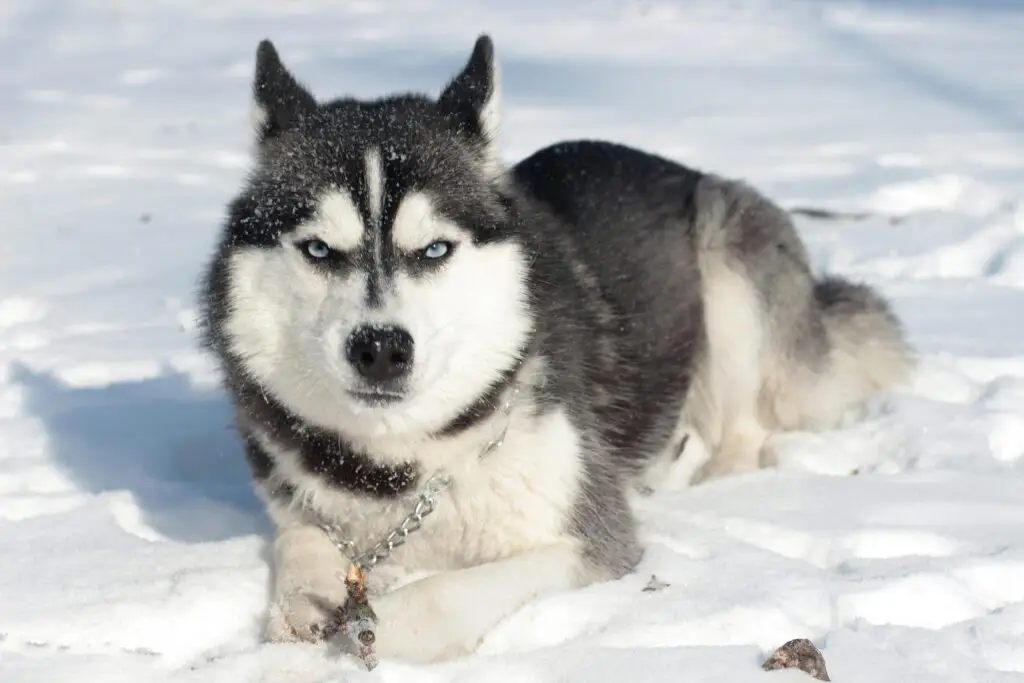
Remote dog sledding destinations require flexibility, patience, and respect. Weather conditions change quickly. Plans shift. Comfort is secondary to safety. Dog Sledding Around the World
These experiences are best suited for travelers who:
- Value authenticity over convenience
- Are comfortable with cold and isolation
- Want cultural depth rather than entertainment
For those travelers, dog sledding becomes more than an activity. It becomes a story they carry for life.
By the time most travelers reach the idea of dog sledding, they imagine snow, huskies, and beautiful winter landscapes. What they often don’t realize is that dog sledding is as much a mental and emotional experience as it is a physical one. Especially when moving beyond short introductory tours, dog sledding becomes a journey that challenges expectations, patience, and comfort. Dog Sledding Around the World
This final part focuses on what it truly means to experience dog sledding — from multi-day expeditions and preparation to ethics, costs, and the question every traveler eventually asks: is it really worth it?
Multi-Day Dog Sledding Expeditions: Living the Experience
Short dog sledding tours offer a taste of the experience, but multi-day expeditions reveal its true nature. These journeys often last anywhere from two days to over a week, crossing vast stretches of wilderness with no access to roads, towns, or modern facilities. Dog Sledding Around the World
During an expedition, travelers are not passive passengers. They participate in daily routines such as harnessing dogs, preparing sleds, managing supplies, and setting up camp. Evenings are often spent cooking over open fires or portable stoves, while dogs rest nearby after a day of running.
What makes multi-day dog sledding unique is the rhythm it creates. Days follow the pace of daylight, weather, and the dogs’ energy. There is no rushing. Progress feels slow but meaningful. Each kilometer traveled feels earned.
Many people describe these expeditions as transformative. Without constant digital distractions, the mind quiets. The repetitive motion of sledding, combined with physical effort and isolation, creates a powerful sense of presence.
Physical and Mental Preparation
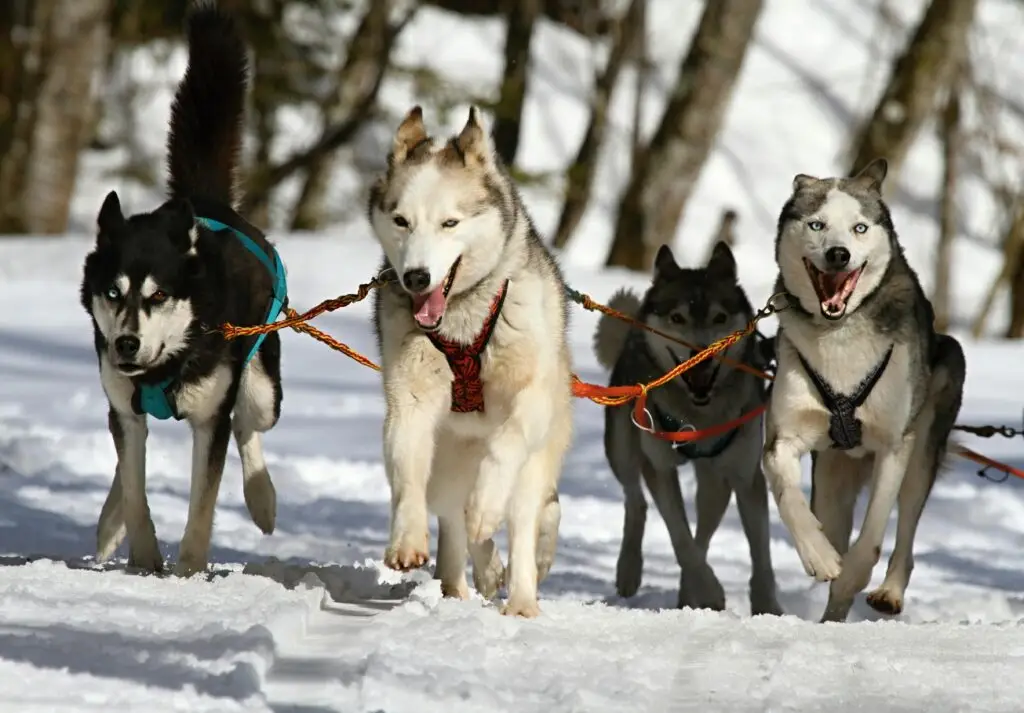
Dog sledding does not require elite fitness, but it does demand resilience. Steering, braking, and balancing a sled for hours in cold conditions can be physically taxing, especially when combined with heavy winter clothing.
Mental preparation is equally important. Weather delays are common. Temperatures can be extreme. Plans may change suddenly. Successful dog sledding experiences rely on flexibility and trust in guides and animals.
Travelers who struggle most are often those expecting luxury or control. Dog sledding rewards those who accept uncertainty and embrace simplicity. Dog Sledding Around the World
What to Wear: Surviving and Enjoying Extreme Cold
Proper clothing is essential for comfort and safety. Most reputable operators provide insulated suits, boots, gloves, and helmets, particularly in Arctic regions. These suits are designed to protect against wind chill and prolonged exposure to freezing temperatures. Dog Sledding Around the World
Layering remains important underneath provided gear. Natural materials that retain warmth even when damp, such as wool, are preferred. Hands and feet require special attention, as they are most vulnerable to cold.
When dressed correctly, dog sledding is surprisingly comfortable, even in temperatures far below freezing. The movement keeps the body warm, and the cold air often feels crisp rather than harsh. Dog Sledding Around the World
The True Cost of Dog Sledding
Dog sledding costs vary widely depending on location, duration, and exclusivity. Short introductory tours are relatively accessible, while expedition-style trips represent a significant investment. Dog Sledding Around the World
What many travelers don’t initially realize is that the cost reflects more than just the experience itself. Maintaining sled dogs is expensive. Ethical operators invest heavily in food, veterinary care, training, and infrastructure. Small group sizes and remote locations also increase operational costs. Dog Sledding Around the World
Viewed this way, dog sledding is not overpriced — it is resource-intensive. Travelers paying for quality experiences are supporting animal welfare, local communities, and preservation of tradition. Dog Sledding Around the World
Ethical Dog Sledding: What Responsible Travel Looks Like
As dog sledding has grown in popularity, questions around ethics and animal welfare have become increasingly important. Responsible operators are transparent about how dogs are treated, trained, and cared for.
Healthy sled dogs are energetic, social, and visibly eager to run. They are bred for endurance and cold climates and thrive on activity. Rest days are built into schedules, and dogs are rotated to avoid overwork.
Ethical travel means choosing operators who prioritize animal well-being over volume. Small groups, clear explanations, and openness are key indicators of responsible practices.
Travelers also play a role. Respecting guidelines, listening to instructions, and understanding that dogs are working partners — not props — contributes to a positive experience for everyone involved.
The Emotional Connection With Sled Dogs
One of the most unexpected aspects of dog sledding is the emotional bond that forms between humans and dogs. Spending time harnessing, resting, and traveling together creates familiarity and trust.
Many travelers remember individual dogs long after the trip ends — the calm leader at the front, the playful young dog learning the ropes, or the strong wheel dogs closest to the sled. Dog Sledding Around the World
This connection often becomes the most lasting memory. More than the landscapes or distances, people remember the dogs.
Is Dog Sledding Worth It?
This question depends on what a traveler values.
For those seeking comfort, predictability, and luxury, dog sledding may feel challenging. Cold, effort, and uncertainty are part of the experience. Dog Sledding Around the World
But for travelers drawn to authenticity, nature, and meaningful adventure, dog sledding offers something rare. It strips travel down to essentials: movement, trust, environment, and connection.
Dog sledding is not something you simply do. It is something you experience with your entire body and mind.
Why Dog Sledding Remains a Timeless Bucket List Experience
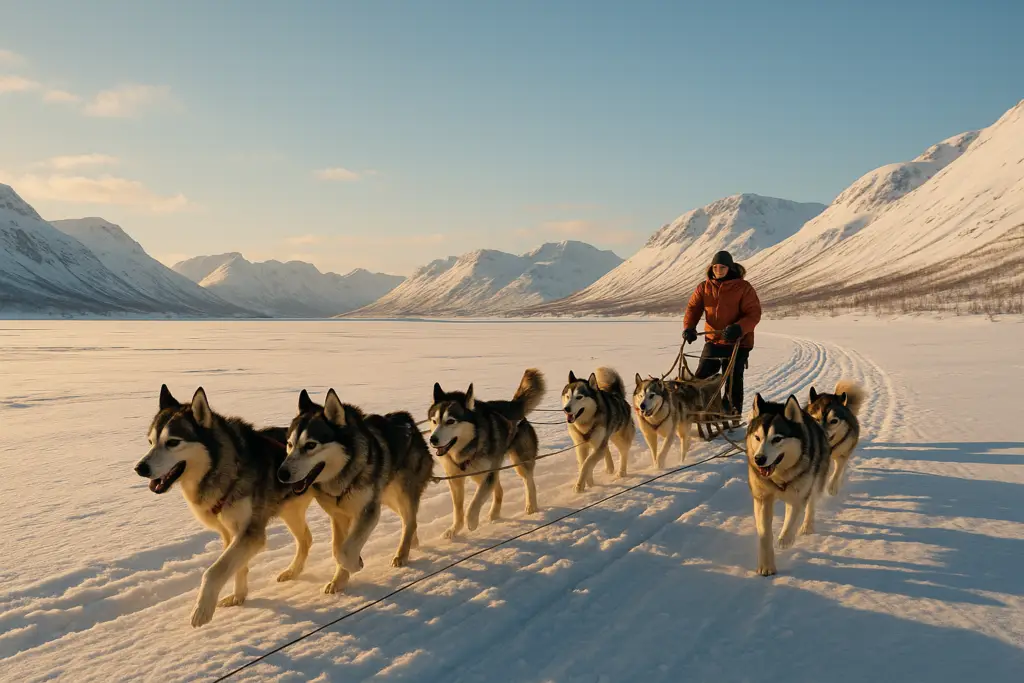
In a world where travel is increasingly fast and digital, dog sledding remains stubbornly analog. It cannot be rushed. It cannot be automated. It depends on weather, animals, and human cooperation. Dog Sledding Around the World
That is precisely why it endures. Dog Sledding Around the World
Across Finland, Alaska, Greenland, Mongolia, and beyond, dog sledding connects travelers to landscapes and traditions that have shaped human survival for centuries. It reminds us that progress once came slowly — one sled, one team, one frozen trail at a time.
For those willing to embrace its challenges, dog sledding is not just a bucket list item. It is a story that stays with you forever. Dog Sledding Around the World
Final Thoughts
Dog sledding around the world is more than a collection of destinations. It is a shared human experience that crosses borders, cultures, and centuries. Whether on a short tour through a snowy forest or a multi-day expedition across Arctic wilderness, dog sledding leaves a lasting imprint. Dog Sledding Around the World
It is quiet. It is powerful. And it is unforgettable.
 Related Articles