
Eleuthera – The Island of Freedom and Endless Shorelines
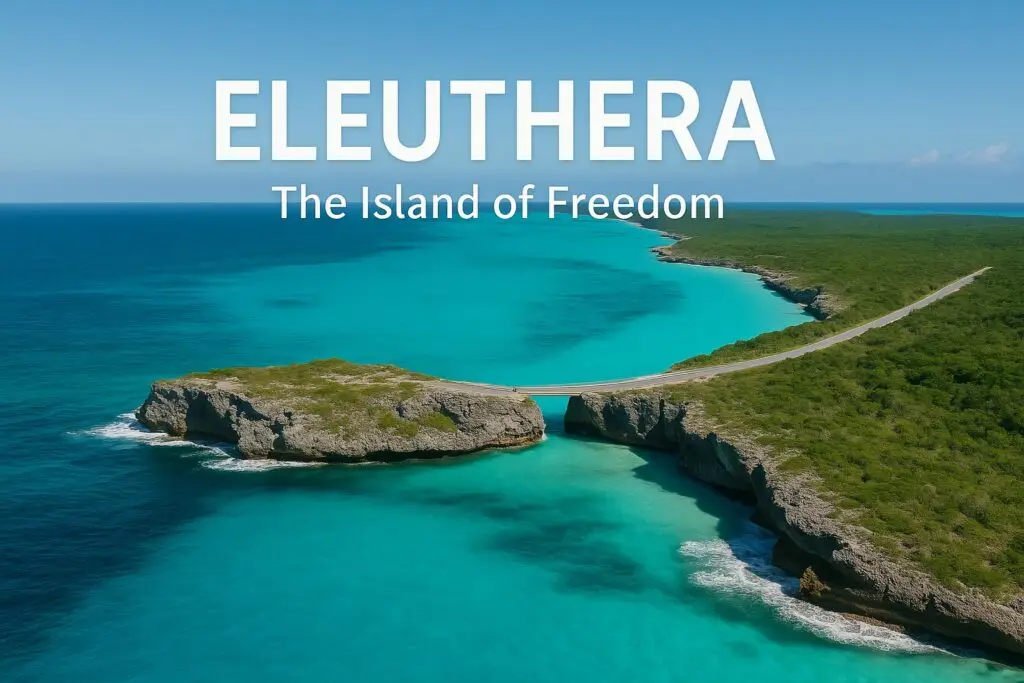
Long, slender, and gracefully curved like a conch shell, Eleuthera stretches for more than 100 miles through the heart of the Bahamas. Its name, derived from the Greek word “eleutheros” meaning “freedom,” perfectly reflects its spirit — a place of unspoiled beaches, colorful settlements, and a quiet independence that has endured for centuries.
Eleuthera is a land of contrasts: pink-sand coves meet rugged cliffs, Atlantic waves crash on one side while the Caribbean laps gently on the other, and colonial history intertwines with tropical wilderness. It is the soul of the Out Islands — authentic, radiant, and deeply Bahamian.
1. Geography and Landscape
Eleuthera is one of the most geographically striking islands in the Bahamas. Measuring just two miles wide at its broadest and less than a hundred yards at its narrowest, it forms a natural bridge between two oceans.
To the east lies the Atlantic Ocean, powerful and dramatic, where surf pounds against limestone bluffs. To the west spreads the Exuma Sound, a tranquil sea of aquamarine lagoons and sandbanks. Between them, the island’s spine of rolling hills, caves, and fertile valleys gives life to pineapple fields and wildflowers.
The island is divided into three main regions:
- North Eleuthera, home to the famous Glass Window Bridge and the gateway to Harbour Island.
- Central Eleuthera, with its historic heart in Governor’s Harbour.
- South Eleuthera, remote, scenic, and rich in caves and blue holes.
Small settlements dot the coastline — pastel houses, palm groves, and docks where fishermen repair nets beside children diving into clear water. From above, Eleuthera appears like a brushstroke of green set in endless blue.
2. A Journey Through History
Eleuthera’s story is one of resilience and freedom.
The Lucayans and Early Exploration
Before the arrival of Europeans, the island was home to the Lucayan people, skilled navigators and artisans who lived peacefully by the sea. Their pottery fragments and tools are still found in caves and blue holes, silent reminders of a vanished civilization.
In the 1600s, British Puritans known as the Eleutheran Adventurers fled Bermuda seeking religious freedom. Led by William Sayle, they landed on the northern shores of the island around 1648 and named it Eleutheria. Harsh conditions nearly destroyed the colony, but their courage left a lasting legacy — this was one of the first experiments in self-government in the New World.
Loyalists and the Plantation Era
In the late 18th century, after the American Revolution, Loyalists escaping the new United States settled in Eleuthera, bringing enslaved Africans and agricultural ambitions. Plantations rose briefly, growing cotton and pineapples, before soil exhaustion and storms forced a return to small-scale farming and fishing.
Modern Growth
By the 20th century, Eleuthera’s beauty began attracting travelers, artists, and scientists. Today it remains peaceful, sparsely populated, and largely untouched — a place where tradition endures, and the sound of the sea still sets the pace of life.
3. North Eleuthera – Gateway to the Cays
The northern end of the island is a labyrinth of coves, reefs, and offshore islets. This region serves as the gateway to Harbour Island and Spanish Wells, both reached by water taxi from the town of Geneva Creek.
The Glass Window Bridge
Perhaps the most iconic natural landmark in the Bahamas, the Glass Window Bridge spans a narrow rock fissure where the deep blue Atlantic meets the calm turquoise of the Caribbean. Standing here feels like straddling two worlds — one wild and restless, the other serene and infinite.
Originally a natural stone arch, the bridge was reinforced after a hurricane in the 1940s. Even today, waves sometimes surge over it, a humbling reminder of nature’s power. Nearby, the Queen’s Bath — tidal pools carved into the rocks — fills with warm, bubbling seawater, creating natural jacuzzis beneath the sun.
Preacher’s Cave
A short drive north lies Preacher’s Cave, a vast limestone cavern where the Eleutheran Adventurers first sought refuge. Inside, cool air and filtered light create a sense of reverence. The cave is considered the birthplace of Bahamian settlement — a sacred symbol of endurance and faith.
4. Central Eleuthera – Governor’s Harbour and the Island’s Heart
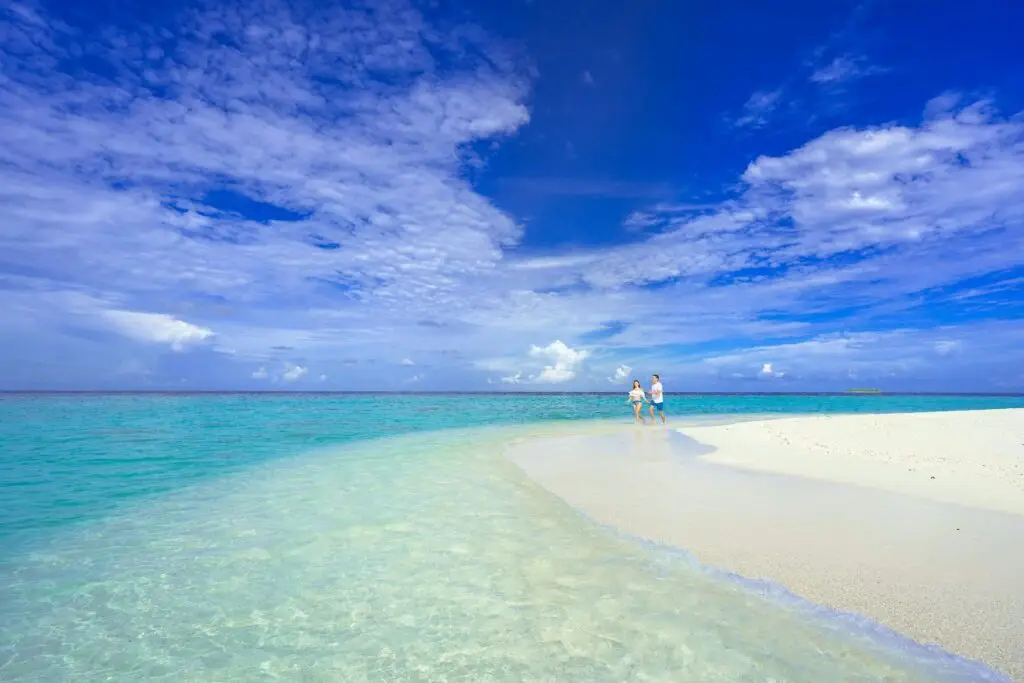
In the center of the island lies Governor’s Harbour, the cultural and historical capital of Eleuthera. Founded in the 1700s, it was once a bustling colonial port, exporting pineapple and timber to Nassau and beyond.
A Town Steeped in History
Governor’s Harbour is built around a sheltered bay lined with Georgian homes, churches, and colonial ruins draped in bougainvillea. Narrow lanes wind past white picket fences and pastel cottages. In the evening, the setting sun paints the harbor gold, and locals gather along Cupid’s Cay to watch fishing boats return.
The Haynes Library, built in 1897, stands as a proud landmark — its pink walls and turquoise shutters a symbol of community life and learning. Across the street, St. Patrick’s Church rises above the town, its bell still calling the faithful as it has for generations.
Island Life and Festivities
Every Friday, Governor’s Harbour transforms for the Fish Fry — an open-air gathering of food, laughter, and rake-and-scrape music. It’s where locals and travelers meet to dance barefoot in the sand and taste fried snapper, conch fritters, and Bahamian macaroni pie.
Just north of town lies French Leave Beach, a three-mile expanse of rose-tinted sand framed by rolling dunes — quieter than Harbour Island’s Pink Sands, but every bit as stunning.
5. South Eleuthera – Wild and Untamed Beauty
The southern region of Eleuthera is a world apart: remote, rugged, and rich in natural wonders.
Rock Sound
The largest settlement in the south, Rock Sound, has long been an important port. Its people are known for hospitality, craftsmanship, and deep community pride. At the center of town lies a blue hole, a mysterious inland sinkhole filled with seawater and legend. Locals say it has no bottom, though divers have measured depths of over 180 feet.
Nearby beaches like Winding Bay and Ten Bay Beach are postcard-perfect — gentle, shallow, and backed by casuarina trees.
Cape Eleuthera
At the southern tip, Cape Eleuthera marks the meeting of ocean currents. It is a place of wild cliffs, clear shallows, and endless views. Coral reefs flourish here, and dolphins, turtles, and reef sharks glide through the currents.
Cape Eleuthera is also home to an environmental field station where researchers study marine life and sustainable living. It stands as a beacon of conservation in the Caribbean.
6. Nature and Ecology
Eleuthera’s environment is remarkably diverse, encompassing pine forests, mangroves, wetlands, and coral reefs. The island’s narrow shape allows both Atlantic and Caribbean ecosystems to coexist within sight of each other.
Marine Life
Reefs around Eleuthera teem with angelfish, wrasse, rays, and turtles. The Current Cut, a natural channel at the island’s north end, offers world-class drift diving where currents sweep divers past coral canyons.
Birds and Wildlife
Egrets, ospreys, and herons thrive in the wetlands. The rare Bahama woodstar hummingbird flits among hibiscus, and curly-tailed lizards bask on rocks. Inland caves shelter fruit bats, and the surrounding seas host pods of dolphins and, occasionally, humpback whales during migration.
Flora
Casuarina and coconut palms dominate the coastline, while inland areas support pines, wild tamarind, and flowering lignum vitae trees. Orchids bloom after summer rains, adding splashes of purple to the island’s green palette.
7. Culture and People
Eleuthera’s population, about 11,000 residents, is spread across small settlements where life revolves around community, faith, and the sea.
Heritage and Spirit
The people are proud of their roots — descendants of Adventurers, Loyalists, and African settlers. Storytelling, music, and hospitality remain at the heart of daily life. Conversations often begin with “How ya doin’, my love?” — a genuine warmth that defines the island’s identity.
Music and Festivities
Rake-and-scrape music, Junkanoo parades, and gospel concerts fill the calendar. Festivals like the Pineapple Festival in Gregory Town celebrate local harvests with music, contests, and dancing.
Cuisine
Food tells its own story: fresh seafood, island-grown fruit, and homemade bread baked in outdoor ovens. Dishes like conch salad, baked grouper, and guava duff blend African, British, and Caribbean influences into a distinctly Bahamian flavor.
8. Architecture and Heritage
Eleuthera’s settlements preserve some of the oldest colonial architecture in the Bahamas. Wooden cottages with shuttered windows and steep roofs recall Loyalist craftsmanship, while coral-stone churches and pastel facades reflect both European and African heritage.
Governor’s Harbour and Spanish Wells in particular retain charming street layouts from the 18th century — a living museum of Bahamian resilience and design.
9. Adventure and Exploration
Beyond its beauty, Eleuthera invites exploration.
- Blue Holes and Caves: The island is riddled with underwater caverns, such as Boiling Hole near Rock Sound and Hatchet Bay Cave, where stalactites glisten in torchlight.
- Surfing and Diving: The Atlantic side offers surf breaks like Surfer’s Beach near Gregory Town, while the Exuma Sound shelters coral gardens ideal for diving.
- Hiking: Trails through the Leon Levy Native Plant Preserve showcase endemic species and panoramic views.
Every adventure here feels intimate — untouched by crowds, guided by nature’s rhythm.
10. Ecology and Conservation
Environmental stewardship is woven into Eleuthera’s identity. The Bahamas National Trust manages preserves that protect coral reefs and mangroves, while local schools teach marine awareness.
The Cape Eleuthera Institute leads studies in sustainable fisheries, renewable energy, and coral restoration. Solar initiatives and recycling projects continue to grow, ensuring the island’s future remains as bright as its waters.
11. Travel and Climate
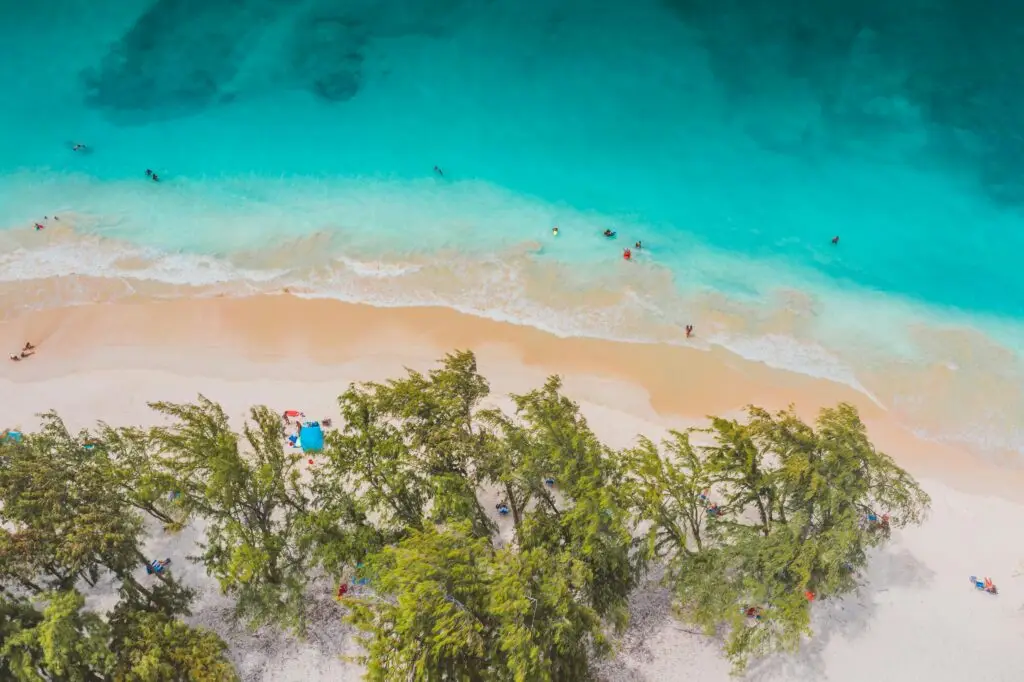
Eleuthera enjoys a tropical climate tempered by ocean breezes.
- Dry Season (Nov–April): Pleasant temperatures and calm seas.
- Wet Season (May–Oct): Lush landscapes, warm showers, and quiet charm.
Getting There
Flights arrive at three small airports — North Eleuthera (ELH), Governor’s Harbour (GHB), and Rock Sound (RSD) — connecting through Nassau, Miami, and Fort Lauderdale. Ferries and mailboats also link Eleuthera with nearby islands, including Harbour Island and Exuma.
Once there, travel is easy — by car, bicycle, or boat, always accompanied by friendly waves and open skies.
12. Final Reflection – The Spirit of Freedom
Eleuthera is more than a destination; it is a feeling — of liberation, of balance, of belonging. Here, the word freedom takes on many meanings: freedom from noise, from haste, from distraction. It is the freedom to breathe deeply, to wander barefoot along deserted beaches, to reconnect with what matters most.
From the roar of the Atlantic cliffs to the whisper of Exuma Sound, every element of Eleuthera seems to speak the same truth — that beauty, when left untouched, has the power to heal.
Standing at the Glass Window Bridge, watching two oceans meet, you feel the pulse of this island — calm yet powerful, simple yet profound. This is Eleuthera: the island of freedom, where nature and soul become one.