
Grand Bahama Island – The Northern Soul of the Bahamas
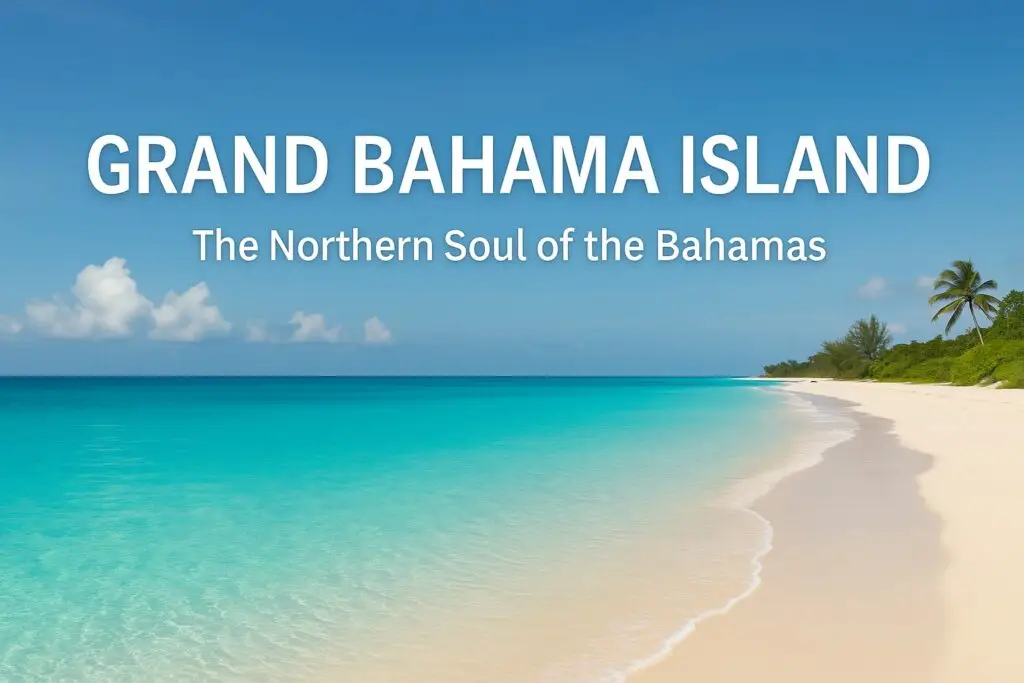
Grand Bahama Islands Lying closest to the Florida coast yet still carrying the unmistakable spirit of the Out Islands, Grand Bahama Island is a place of contrasts — where cosmopolitan ports meet wild mangrove swamps, coral gardens glow beneath turquoise water, and Bahamian warmth greets visitors with open arms.
Known for its sprawling beaches, underwater caves, and resilient people, Grand Bahama is more than a tropical getaway — it’s an island of rebirth, shaped by wind, water, and the enduring strength of community.
1. Geography and Setting Grand Bahama Islands
Grand Bahama Island sits at the northern edge of the Bahamian archipelago, roughly 55 miles east of Palm Beach, Florida. Measuring about 96 miles long and 17 miles wide at its broadest, it’s the fourth largest island in the Bahamas, bordered by the deep waters of the Atlantic Ocean to the north and the shallower Little Bahama Bank to the south.
The island’s geography is a tapestry of white-sand beaches, limestone caves, pine forests, and mangrove wetlands. Much of its coastline is still untouched — long stretches where the only footprints are those of shorebirds and crabs.
Grand Bahama is divided into six districts: Freeport, West Grand Bahama, East Grand Bahama, Eight Mile Rock, West End, and Sweeting’s Cay. The western and eastern ends remain largely rural and wild, while the center — dominated by Freeport and Lucaya — blends Bahamian charm with modern infrastructure.
The island’s climate is warm and subtropical year-round, averaging 26°C (79°F), cooled by steady trade winds that rustle through the pines and palms.
2. A Journey Through History Grand Bahama Islands
The Lucayan Heritage
Before Europeans arrived, Grand Bahama was home to the Lucayans, a branch of the Taíno people who lived sustainably by fishing, farming, and crafting tools from shell and coral. They called the island Guanima, meaning “beautiful waters.” Their society was peaceful and highly organized — but within decades of Spanish contact in the late 15th century, disease and enslavement wiped them from the Grand Bahama Islands
Pirates and Wreckers
During the 17th and 18th centuries, the shallow reefs surrounding Grand Bahama became both a hazard and a haven. Pirates and privateers used the cays and hidden bays to ambush ships bound for the Caribbean. Later, “wreckers” — locals who salvaged cargo from shipwrecks — made a living from the treacherous reefs known as the Little Bahama Bank.
The Modern Era
In the 19th century, small settlements formed along the coast, relying on fishing, sponge harvesting, and farming. The 20th century brought profound change: in the 1950s, American entrepreneur Wallace Groves established the Freeport Agreement, turning part of the island into a free-trade zone. Grand Bahama Islands
What followed was rapid development — the founding of Freeport, the creation of a deep-water harbor, and the birth of an economy centered on tourism and commerce. Hurricanes and global shifts have tested the island’s resilience, but Grand Bahama’s people have always rebuilt — stronger and more united each time.
3. Freeport and Lucaya – The Island’s Beating Heart Grand Bahama Islands
Freeport
Founded in 1955, Freeport is a unique city — a planned community born from a vision of economic freedom. It’s the island’s main commercial center, with wide boulevards, parks, and marinas.
The city is home to the Freeport Harbour, one of the deepest man-made harbors in the world, welcoming cruise ships, cargo vessels, and private yachts. Modern shops and offices line the avenues, but beyond the urban landscape lies a relaxed island rhythm — fruit vendors, friendly smiles, and music drifting from cafés.
Port Lucaya
Just south of Freeport lies Port Lucaya, the island’s social and cultural hub. Centered around the Port Lucaya Marketplace, it’s a lively blend of pastel buildings, open-air restaurants, and craft stalls. Bahamian bands play rake-and-scrape under the stars, while locals dance barefoot in the sand.Grand Bahama Islands
Nearby, the Lucayan Marina Village houses colorful boats, boutique shops, and seaside promenades. It’s also the gateway to Lucaya Beach, one of the island’s most beloved stretches of sand.Grand Bahama Islands
Despite the tourism, Port Lucaya retains a distinctly local feel — warm, musical, and filled with life.Grand Bahama Islands
4. The Beaches – Endless Horizons of Sand and Sea Grand Bahama Islands
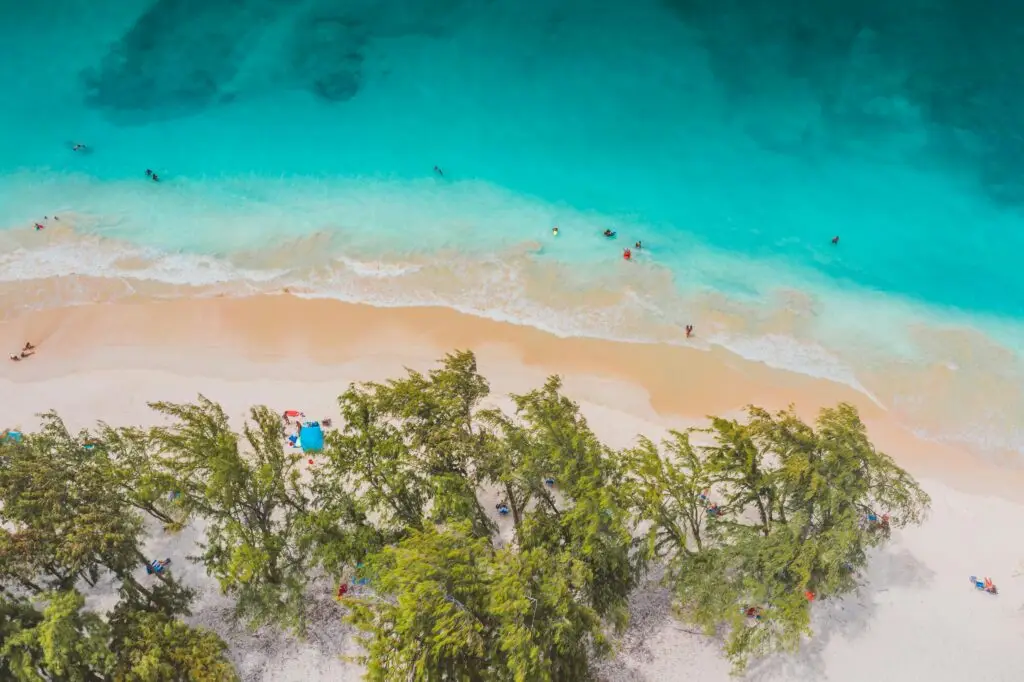
Grand Bahama’s coastline stretches for more than 100 miles, offering some of the most beautiful and varied beaches in the Caribbean.
Lucaya Beach
Located near the main resort area, Lucaya Beach is famous for its calm turquoise water and fine white sand. Parasails drift overhead, and the horizon glows with blues that defy imagination.
Taino Beach
Named after the island’s original inhabitants, Taino Beach combines beauty and culture. Local families gather here for picnics and festivals, and the Junkanoo Summer Festival fills the air with drums and color.
Gold Rock Beach
Part of Lucayan National Park, Gold Rock Beach is often called the most beautiful in the Bahamas. At low tide, its sand stretches nearly half a mile out to sea, shimmering like liquid gold. The surrounding mangroves and caves create a wild, cinematic landscape — used as a backdrop for scenes in Pirates of the Caribbean.
Barbary Beach & Fortune Beach
These quieter coves, east of Lucaya, are ideal for solitude. Palms arch over crystal water, and hermit crabs trace spirals in the sand.
In truth, every shore on Grand Bahama carries its own magic — from sunrise over the Atlantic to sunset along the Little Bahama Bank. Grand Bahama Islands
5. Nature and National Parks
Grand Bahama is home to some of the Bahamas’ most remarkable protected areas — sanctuaries where nature thrives and visitors can glimpse the island’s wild heart. Grand Bahama Islands
Lucayan National Park
Established in 1982, Lucayan National Park spans 40 acres of coastal forest, mangrove creeks, and beaches. Its highlight is the Ben’s Cave System, one of the longest underwater cave networks in the world, stretching for miles beneath the island. Divers and researchers explore these submerged labyrinths, discovering fossils and freshwater lenses that reveal the island’s geological past.
Wooden boardwalks wind through mangroves alive with herons and crabs. Trails lead to Gold Rock Beach, and interpretive signs explain the park’s ecosystems and Lucayan heritage.
Rand Nature Center
Located in Freeport, the Rand Nature Center offers a microcosm of Bahamian flora and fauna. Pine forests, orchids, and hummingbirds fill this 100-acre preserve, which also hosts art exhibits and cultural events.
Peterson Cay National Park
Off the southern shore, Peterson Cay is a tiny coral island — the smallest national park in the Bahamas. Surrounded by reefs, it’s a haven for snorkelers and seabirds alike.
Together, these parks protect the island’s biodiversity while offering visitors an intimate connection to its natural soul.
6. Culture and People Grand Bahama Islands
The spirit of Grand Bahama lies not just in its landscapes, but in its people. Known for their hospitality, creativity, and resilience, Bahamians here blend African, British, and Caribbean influences into a culture uniquely their own.
Music and Festivals
Music is the island’s heartbeat — from gospel harmonies in Sunday churches to rake-and-scrape rhythms played on saw blades and drums.
The annual Junkanoo Carnival, held during Christmas and New Year, transforms Freeport’s streets into a sea of feathers, glitter, and dance. Homecoming festivals in smaller settlements celebrate family, food, and island pride.
Art and Craft
Local artists create vibrant paintings, straw baskets, and shell jewelry that capture the colors of the sea. Murals in downtown Freeport tell stories of history and hope.
Faith and Family
Churches remain central to community life. Services are filled with song, laughter, and a deep sense of togetherness. Family bonds run strong — grandparents, parents, and children often live just steps apart.
7. Marine Life and Diving Grand Bahama Islands
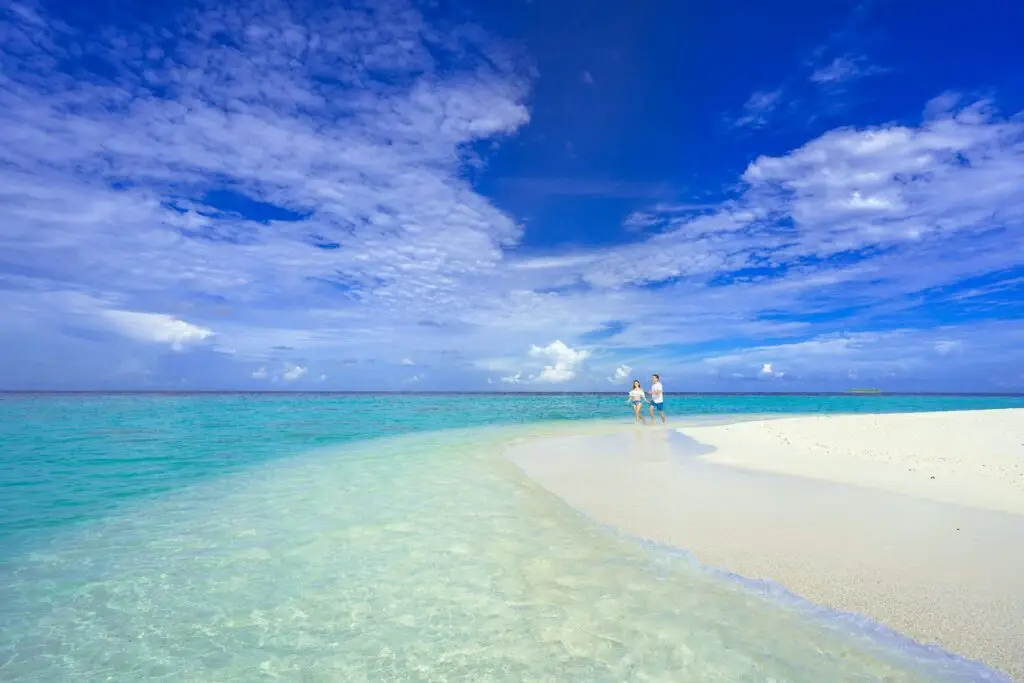
Grand Bahama’s surrounding waters are a paradise for divers and snorkelers.
The Reefs
Coral reefs fringe the southern coast, home to grouper, snapper, and angelfish. Dive sites like Shark Junction, Theo’s Wreck, and Ben’s Cavern attract adventurers from around the world.
At Shark Junction, divers encounter Caribbean reef sharks gliding gracefully through clear blue water — thrilling yet serene. Theo’s Wreck, a 230-foot freighter sunk in 1982, now serves as an artificial reef covered in sponges and coral.
Dolphins and Turtles
Wild dolphins are frequently seen off the island’s west end, where they play in the surf and follow boats with curiosity. Hawksbill and green turtles nest along the beaches, especially in remote eastern stretches.
The marine biodiversity here is astonishing — a reminder that Grand Bahama’s true wealth lies beneath the waves.
8. Food and Island Flavor
Bahamian cuisine reflects the sea’s abundance and the island’s creativity. Grand Bahama Islands
Fresh conch salad, flavored with lime, onion, and pepper, is a local favorite, often prepared right before your eyes at beach stands. Cracked conch, grilled lobster, and snapper stew showcase the day’s catch.
Side dishes include peas ’n’ rice, macaroni pie, and fried plantains, while desserts feature tropical fruits — guava, coconut, and pineapple.
On weekends, roadside grills fill the air with the scent of jerk chicken and sweet corn. Food here isn’t just sustenance — it’s celebration, an expression of togetherness.
9. Ecology and Sustainability Grand Bahama Islands
Grand Bahama faces environmental challenges, including hurricanes, coastal erosion, and coral decline. Yet it is also at the forefront of Bahamian conservation.
After Hurricane Dorian in 2019, communities and organizations came together to restore mangroves, replant pine forests, and rebuild reefs. The Bahamas National Trust and local schools lead programs on marine education and plastic reduction.
Renewable energy projects, solar installations, and eco-tourism initiatives are growing. The people of Grand Bahama understand that the island’s future depends on protecting its natural balance — preserving paradise not just for visitors, but for generations of Bahamians.
10. Travel and Climate Grand Bahama Islands
Getting There
Grand Bahama is easily accessible. Freeport International Airport (FPO) connects the island to Nassau, Miami, Fort Lauderdale, and other regional hubs. Cruise ships dock at Freeport Harbour, while ferries link to Florida and neighboring Grand Bahama Islands
Getting Around
Car rentals, taxis, and bicycles make exploring simple. The island’s road network runs from West End to East End, with countless scenic stops — hidden beaches, villages, and roadside fruit stands.
Climate
The weather is warm and inviting year-round.
- Dry Season (Nov–Apr): Clear skies, mild breezes — ideal for exploring.
- Wet Season (May–Oct): Occasional showers, lush vegetation, and quieter beaches.
The sea remains pleasantly warm throughout the year, rarely dipping below 26°C (79°F).
11. The Spirit of Resilience Grand Bahama Islands
Grand Bahama has endured hurricanes, economic shifts, and storms of every kind — yet its people remain unshaken. The island’s resilience is woven into every street, every song, every rebuilt home.
In Freeport, murals painted after Hurricane Dorian carry messages of hope: We Rise Again. In fishing villages, laughter rings out over the docks as new boats are launched. Nature itself echoes that recovery — mangroves regrowing, coral returning, dolphins leaping once more in clear blue water.
This is an island that refuses to fade. Grand Bahama Islands
12. Final Reflection – The Soul of the North
Grand Bahama Island stands as both gateway and guardian — the northern sentinel of the Bahamian chain, where the modern world meets the timeless sea.
To walk along Gold Rock Beach at low tide is to understand its essence: a vast expanse of sand stretching into horizon light, the whisper of wind in mangroves, and a feeling of renewal that belongs only to islands born of water and faith.
Here, paradise isn’t something built — it’s something remembered. It lives in the kindness of its people, the rhythm of the waves, and the unbreakable bond between nature and heart.
Grand Bahama is not just a destination — it is a testament to endurance, grace, and the endless beauty of the Bahamian spirit.