
Harbour Island – The Pink Jewel of the Bahamas
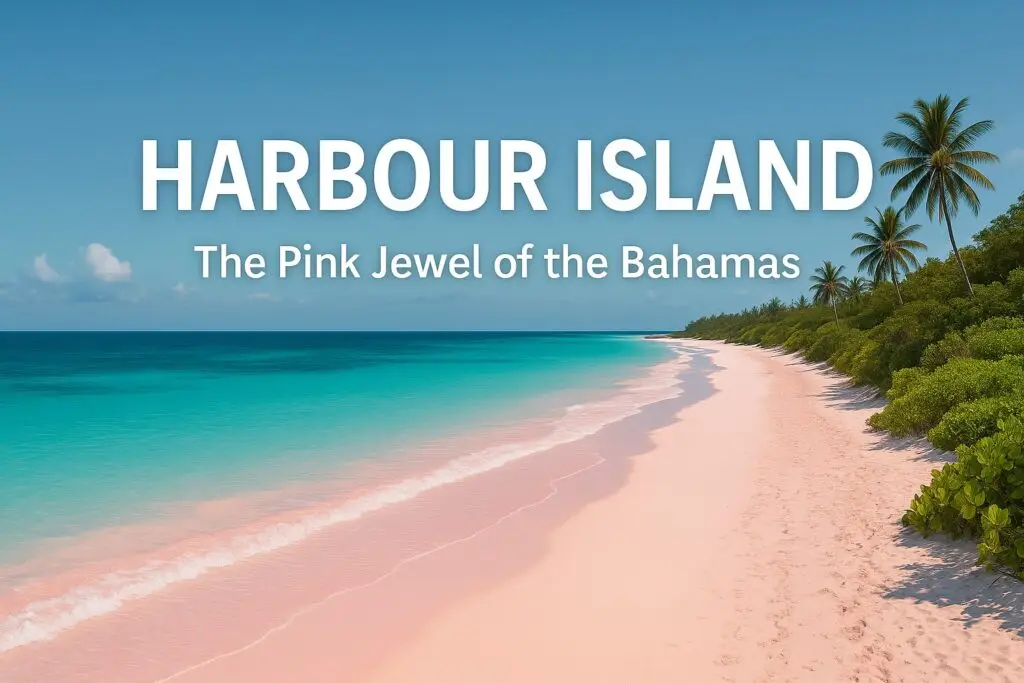
Harbour Islands Small in size yet grand in charm, Harbour Island is one of the Bahamas’ most enchanting treasures — a sliver of coral limestone wrapped in turquoise seas, crowned by the world-famous Pink Sands Beach and infused with a timeless island soul.
Just three miles long and a half mile wide, it seems almost impossibly delicate on a map, yet for centuries it has been a center of culture, trade, and beauty in the northern Out Islands.
Harbour Island, affectionately called “Briland” by locals, is a place where past and present merge effortlessly: pastel cottages bloom with bougainvillea, golf carts roll along sandy lanes once traveled by horse and carriage, and fishermen cast nets beside sleek yachts anchored offshore. It is a microcosm of the Bahamian dream — elegant, authentic, and radiantly alive.
1. Geography and Setting Harbour Islands
Harbour Island lies just off the northeast coast of Eleuthera, separated by a narrow strait known as The Devil’s Backbone — a treacherous coral reef that has both guarded and defined the island for centuries. The island is part of the Bahamas Out Islands, roughly 60 miles east of Nassau.
It is a land of contrasts: soft rolling dunes and towering palms to the east, quiet mangrove flats to the west, and the vibrant settlement of Dunmore Town nestled in between. From above, the island looks like a brushstroke of rose and green floating in a sea of liquid sapphire.
The climate is classically tropical, with gentle trade winds and warm temperatures year-round — rarely dropping below 22°C (72°F) or exceeding 31°C (88°F). The surrounding waters, protected by coral reefs, remain astonishingly clear, often allowing visibility to depths of 30 meters. Harbour Islands
2. A Glimpse into History Harbour Islands
Harbour Island’s story begins long before Europeans arrived. The original inhabitants were the Lucayan people, part of the Taíno cultural group that spread across the Bahamas from Hispaniola and Cuba. They lived sustainably from the sea, building thatched villages along sheltered bays. The Lucayans vanished after Spanish contact in the late 15th century, leaving the islands uninhabited for nearly a century.
In the 1600s, British Puritans known as the Eleutheran Adventurers sought refuge from religious persecution and settled nearby Eleuthera. Harbour Island quickly became their maritime outpost, blessed with fertile soil, fish-rich waters, and a safe harbor.
By the 18th century, Dunmore Town — named after Lord Dunmore, the British Governor of the Bahamas — had become one of the region’s busiest ports. Shipbuilders, fishermen, and traders flourished, exporting pineapples, salt, and sponges to Europe and America. The town’s Georgian architecture and narrow grid of streets still reflect that prosperous era.
After emancipation in 1834, Harbour Island evolved into a self-reliant Bahamian community. Boatbuilding and conch fishing remained the backbone of its economy, and many residents worked as sailors across the Caribbean. Though tourism later became the mainstay, the island’s soul remained unchanged: peaceful, proud, and deeply tied to the sea.
3. Dunmore Town – A Living Museum
At the heart of Harbour Island lies Dunmore Town, one of the oldest and most charming settlements in the Bahamas. Its pastel wooden houses — in shades of coral, mint, and sky blue — line flower-filled lanes framed by white fences and coconut palms.
Unlike the bustling capital Nassau, Dunmore Town feels intimate and timeless. Locals travel mostly by golf cart, children ride bicycles along the waterfront, and roosters wander between colonial verandas. Every corner reveals a detail worth pausing for: a weathered church bell, a handmade boat name, or an old fig tree shading a porch.
Key landmarks include:
- St. John’s Anglican Church (built in 1768), one of the oldest churches in the Bahamas.
- The Loyalist Cottage, a classic example of 18th-century Bahamian architecture with hand-carved shutters.
- Government Dock, where fishermen bring in the daily catch and mail boats connect the island to Eleuthera.
The town’s rhythm changes with the light: quiet mornings filled with bird song, sunlit afternoons where neighbors chat from verandas, and soft evenings as the sky turns lavender over the bay. Harbour Islands
4. Pink Sands Beach – A Natural Wonder Harbour Islands
If Harbour Island has a crown jewel, it is Pink Sands Beach — a three-mile stretch of powdered coral that glows in delicate shades of rose. The color comes from microscopic foraminifera, tiny red-shelled marine organisms that mix with white sand, creating a hue unlike anywhere else on Earth.
At sunrise, the sand blushes soft pink; by midday it fades toward champagne; and at dusk, it deepens to rose-gold. The sea here is calm and shallow, protected by an offshore reef, making it perfect for swimming and snorkeling.
Despite its global fame, Pink Sands Beach remains surprisingly tranquil. No high-rises, no crowds — just the sound of waves and the whisper of wind through casuarina trees. Many consider it one of the most beautiful beaches in the world, not just for its color, but for the feeling it evokes: serenity, infinity, and light.
5. The Sea and Its Life Harbour Islands
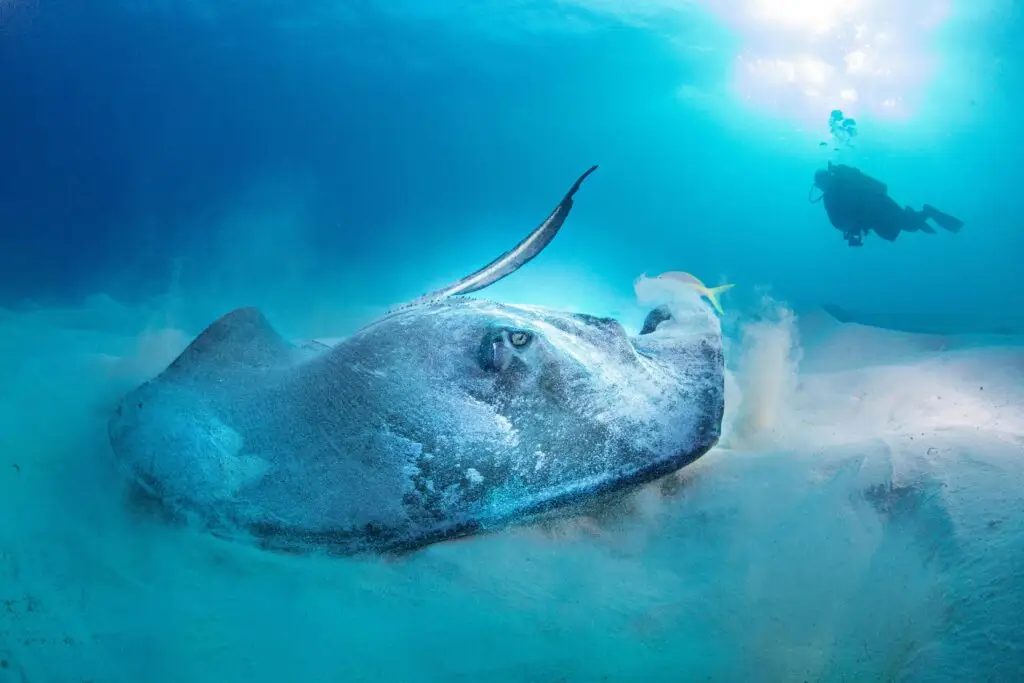
The waters around Harbour Island are a living aquarium — clear, warm, and alive with coral and marine life. Snorkeling reveals brain coral, sea fans, parrotfish, and stingrays gliding across the sandy bottom. Harbour Islands
To the north, The Devil’s Backbone reef is both danger and beauty: a maze of coral ridges where countless ships once wrecked. Local captains, known as “wreckers” in old times, still navigate it with deep knowledge passed down through generations.
West of the island, mangrove flats and seagrass beds shelter juvenile fish, turtles, and conch. The nearby Current Cut — a narrow channel between Eleuthera and Current Island — is one of the Bahamas’ most thrilling drift dives, where strong tides sweep divers through a canyon of coral alive with barracuda and eagle rays. Harbour Islands
Harbour Island’s residents have long understood the importance of these ecosystems. Fishing is done responsibly, and marine conservation has become a community pride. Harbour Islands
6. People and Culture Harbour Islands
Harbour Island’s people, often called Brilanders, are known throughout the Bahamas for their friendliness and charm. Most families trace their roots back centuries, to Loyalist settlers and African ancestors who built the island’s foundations.
Language and Music
The local dialect — a melodic Bahamian English — carries rhythm and warmth. Music fills daily life: from gospel harmonies echoing from churches on Sunday mornings to rake-and-scrape beats played on saw blades and drums during holidays. Harbour Islands
Faith and Family
Faith remains central to community identity. Churches are gathering points, not only for worship but also for education and mutual support. Family bonds are strong; elders are deeply respected, and every celebration feels like an extended reunion.
Festivals
Two highlights define the island’s festive spirit:
- Homecoming Festival (July): a weekend of regattas, parades, and food stalls celebrating the island’s heritage.
- Junkanoo (Boxing Day & New Year): a riot of color and rhythm, with costumes made from paper and feathers, drums pounding, horns blaring, and dancers winding through the narrow streets.
These celebrations reveal the Bahamian blend of African, European, and Caribbean traditions that give Harbour Island its soul.
7. Nature Beyond the Beach Harbour Islands
Though famous for its coast, Harbour Island hides lush greenery and quiet wildlife inland. Harbour Islands
Flora
Casuarina, sea grape, and coconut palms fringe the shores, while hibiscus, bougainvillea, and frangipani bloom throughout the town. The salty breeze gives every scent a softness unique to islands — floral yet oceanic.
Fauna
Egrets and herons wade in tidal pools; hummingbirds dart between blossoms; and curly-tailed lizards bask on warm stone walls. Offshore, dolphins and sea turtles appear regularly, and at dusk, bats flit through the palm groves. Harbour Islands
Just across the narrow channel on Eleuthera, inland ponds and blue holes offer glimpses into ancient ecosystems formed thousands of years ago. Together, the two islands form a natural mosaic — land, reef, and mangrove bound in harmony.
8. Architecture and Aesthetics Harbour Islands
The architecture of Harbour Island is part of its magic. Loyalist cottages with picket fences and wooden shutters evoke 18th-century New England, softened by tropical light. Coral limestone buildings line narrow lanes shaded by flamboyant trees.
Many homes are painted in candy colors — peach, turquoise, lemon, lilac — creating a cheerful palette against the blue sky. Verandas and porches, often with intricate latticework, invite breezes from the sea.
Preservation is taken seriously here. Strict local guidelines maintain the island’s traditional charm, ensuring that even modern villas blend with history rather than replace it.
9. Food and Island Flavors Harbour Islands
Harbour Island’s cuisine is a mirror of its geography — simple, fresh, and full of flavor.
Seafood reigns supreme: conch salad with lime and chili, grilled lobster, snapper, and grouper. Local cooks prepare stewed fish for breakfast and cracked conch for lunch, served with peas ’n rice, plantains, and johnnycake.
Fruit trees grow everywhere — guava, coconut, papaya, and soursop — while roadside stands sell homemade jam and Bahamian bread still warm from the oven.
Dining here is never rushed. Whether it’s a beach picnic or a backyard cookout, meals revolve around conversation, music, and laughter.
10. Daily Life and Island Rhythm
Time on Harbour Island follows the sun, not the clock. Mornings bring fishermen to the docks; afternoons unfold slowly under palm shade; evenings glow with pastel sunsets over the bay.
Most residents travel by golf cart or bicycle, and life feels gently detached from the modern world. There are no traffic lights, no skyscrapers, no chain stores — only the essentials, wrapped in kindness.
Children grow up close to nature; families gather nightly; and visitors often remark that the island seems to run on happiness rather than time. Harbour Islands
11. Ecology and Sustainability
Though small, Harbour Island faces modern challenges — rising seas, coral bleaching, and waste management among them. The community has responded with resilience and creativity.
Local groups promote beach clean-ups, reef restoration, and education on plastic reduction. Solar panels are appearing on rooftops, and eco-friendly practices are becoming the norm in guesthouses and restaurants.
Protected marine zones and partnerships with conservation foundations help preserve reefs and seagrass beds vital to both tourism and traditional fishing. Harbour Islands
Residents understand that the island’s greatest asset is its purity — the unspoiled beauty that must be guarded like treasure.
12. Getting There and Around Harbour Islands
Most visitors arrive via North Eleuthera Airport (ELH), followed by a short water taxi across the channel. The ride takes less than ten minutes but feels like crossing into another world.
On arrival, the first sight is the pastel skyline of Dunmore Town rising above the bay, framed by palms and anchored by church spires. From there, exploration is easy — the entire island can be crossed in minutes by golf cart.
Boats and ferries connect Harbour Island with Spanish Wells, Eleuthera, and Nassau, while small aircraft and charters link it to the rest of the Bahamas.
13. Seasons and Atmosphere
Harbour Island enjoys warm weather year-round.
- December–April: dry, sunny, and breezy — ideal for exploration.
- May–August: slightly warmer, with calm seas and lush vegetation.
- September–November: quiet season with occasional tropical storms.
Even during brief rains, the island’s colors seem to intensify — pink sand glowing brighter, bougainvillea blooming deeper.
Unlike busier Caribbean destinations, Harbour Island never feels crowded. Its luxury lies not in opulence but in stillness — the space to breathe, to feel the world slow down.
14. Legacy and Identity
What makes Harbour Island truly extraordinary is its sense of continuity. The same families who built wooden sloops in the 1800s now run restaurants or guesthouses. The same harbor that welcomed traders now shelters sailors seeking calm. The same songs echo across generations — hymns, work chants, and rake-and-scrape rhythms that connect past and present.
To visit is to feel part of that lineage. You’re not just a traveler here; you’re a temporary islander, embraced by a community that values simplicity and heart over spectacle. Harbour Islands
15. Final Reflection – The Soul of the Pink Island
In a world that rushes endlessly, Harbour Island invites stillness. It teaches that beauty need not be grand to be profound — it can exist in the curve of a seashell, the laughter of a fisherman, the blush of sand beneath bare feet.
To walk along Pink Sands Beach at sunrise, when sky and sea share the same hue, is to feel the island’s essence — gentle, luminous, eternal.
Harbour Island is not a place to check off a list; it is a feeling that lingers, a melody that plays softly long after you’ve left.