
✅ HISTORIC & CULTURE ROUTES AROUND THE WORLD — BY CAR
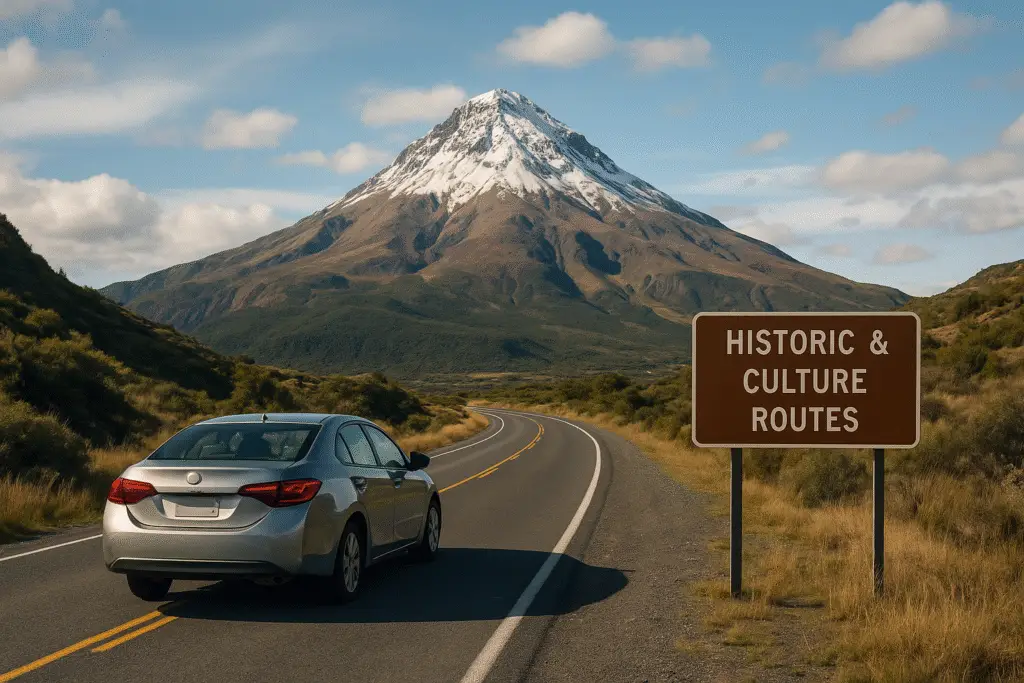
🌍 — Following the Roads of History & Tradition
Historic Culture Some roads are more than transportation corridors — they are living stories. Across continents, ancient trade paths, pilgrimage routes, royal roads, and heritage corridors still guide travelers across landscapes shaped by civilizations long gone. Driving these routes gives modern explorers a tangible connection to the past: following the same valleys, hugging the same coasts, and crossing the same mountain passes as merchants, warriors, pilgrims, inventors, and philosophers before them. Historic Culture
Historic and cultural road travel is an intimate journey: seeing old monasteries perched on cliffs, mosques touching the skyline, medieval citadels encircling hilltop cities, abandoned Silk Road inns fading into desert silence, and old marketplaces spilling into the streets. You hear languages blend, smell spices, and watch traditions unfold — music, food, architecture, rites of passage, community. Historic Culture
These routes celebrate humanity’s creative footprint — its imagination and its ability to build, trade, worship, or migrate across vast distances. They are reminders that civilization moves, adapts, and endures.
This guide highlights the most meaningful historic & cultural road routes across the world — from Europe and the Middle East to Africa, Asia, Oceania, and the Americas. These journeys connect UNESCO sites, ancient capitals, sacred mountains, colonial trade roads, battlefields, pilgrimage paths, and cross-cultural crossroads.
You may begin on well-paved highways or find yourself winding through remote mountain valleys where storytellers, silk traders, and nomads once passed. Either way, the stories are still there — waiting.
🇪🇺 EUROPE — Civilizations Intertwined
Europe is one of the most historically layered regions on Earth. Empires have risen and fallen; languages evolved; religions shaped identity; art re-imagined beauty. Many ancient roads still form the backbone of modern travel, linking medieval cities, vineyards, monasteries, castles, and old marketplaces.
Below are the most powerful cultural road routes in Europe. Historic Culture
1) The Roman Roads & Imperial Capitals
Rome’s road network transformed Europe. Today, travelers can loosely recreate sections of major imperial corridors connecting Italy, France, Spain, Germany, and beyond. Historic Culture
⭐ Via Aurelia & Western Mediterranean Route — Italy → France → Spain
Suggested route:
Rome → Tuscany → Ligurian Coast → French Riviera → Catalonia → Valencia → Andalusia
Ancient Roman roads followed this coastal sweep, enabling trade and troop movement. Today, the route crosses:
- Renaissance cities in Tuscany
- Port towns once used by Roman fleets
- Medieval seaside fortifications
- Provence villages dotted with Roman ruins
- Gaudí’s Barcelona
- Moorish Andalusia
Themes:
Roman empire → Medieval maritime → Moorish culture → Renaissance
Highlights:
- Pisa, Lucca, Florence
- Nice, Marseille, Arles
- Barcelona & Tarragona (Roman walls)
- Granada’s Alhambra
- Córdoba’s Mezquita Sevilla’s Alcázar
This is a crossroads of Latin, Roman, Greek, Islamic, and Iberian culture — all overlapping.
⭐ Rhine Cultural Route — Germany → France → Switzerland → Netherlands
One of Europe’s oldest communication corridors. The Rhine served Roman frontier defense, medieval trade, and later industrial development.
Highlights:
- Roman walls at Cologne
- Castle-lined Middle Rhine Valley
- Strasbourg’s cultural fusion
- Basel’s ancient ports
- Dutch merchant heritage
This route blends Roman history, Gothic cathedrals, fortified river towns, vineyards, and medieval trade networks.
2) The Silk Roads of Europe — Balkans to Italy
Europe’s western Silk Road branch passed through the Balkans toward Venice. Historic Culture
Suggested drive:
Istanbul → Bulgaria → North Macedonia → Albania → Montenegro → Croatia → Slovenia → Northern Italy
Highlights:
- Ottoman heritage in Istanbul & Skopje
- Orthodox monasteries
- Balkan mountains
- Adriatic Venetian ports
- Silk trade warehouses in Venice
Cultures encountered:
Greek → Roman → Byzantine → Slavic → Ottoman → Venetian
A rare corridor where East meets West.
3) Iberian Cultural Triangle — Spain & Portugal
Iberia is a mosaic of Roman, Visigothic, Islamic, and Christian influences.
Suggested drive:
Lisbon → Évora → Seville → Córdoba → Granada → Málaga → Ronda → Cádiz
Themes:
Moorish architecture, medieval trade, colonial sea power, traditional fado & flamenco.
UNESCO highlights:
- Alhambra
- Córdoba Mosque
- Historic Seville
- Évora
- Ronda cliffs
The mixture of Islamic, Jewish, and Christian architecture is stunning — synagogues next to palaces, minarets next to cathedrals. Historic Culture
4) Greece — Birthplace of Democracy & Myth
Driving through Greece is driving through the origins of Western philosophy. Every region tells a story of myth, empire, religion, and conquest.
Suggested drive:
Athens → Peloponnese → Delphi → Thessaloniki → Macedonian plains
Highlights:
- Ancient theatres & temples
- Byzantine chapels
- Spartans’ historic homeland
- Mycenae walls (Bronze Age)
- Meteora monasteries floating on pillars of stone
Culture blends:
Minoan → Mycenaean → Classical Greek → Roman → Byzantine → Ottoman
This route spans millennia of culture, architecture, and faith. Historic Culture
5) The Baltic Routes — Estonia → Latvia → Lithuania → Poland
A journey through Hanseatic trading cities, Soviet history, and medieval fortresses.
Highlights:
- Tallinn’s preserved Old Town
- Riga Art Nouveau
- Curonian Spit dunes
- Vilnius baroque fluidity
- Kaunas modernism
- Warsaw rebuilt identity
Themes:
Norse trade → German knights → Polish-Lithuanian Commonwealth → World Wars → Soviet era → modern EU
6) Celtic & Anglo-Norman Heritage — Ireland & UK
Suggested route:
Dublin → Wicklow → Kilkenny → Waterford → Killarney → Dingle → Galway → Belfast → Edinburgh → York
This loop highlights:
- Celtic history
- Monastic sites
- Norman castles
- English medieval cities
- Scottish clan tradition
Stone circles, storytelling roots, and coastal fortresses define the cultural character.
🇮🇹 Italy — Roads of Empire, Faith, & Art
Italy is the world’s most concentrated territory of ancient + renaissance cultural heritage.
⭐ Via Appia — Rome → South Italy
The “Queen of Roads,” linking Rome to the Adriatic. Modern driving covers:
- Castel Gandolfo (papal retreat)
- Terracina Roman cliffs
- Benevento Roman arch
- Bari seaports
This route moved soldiers, pilgrims, merchants — and ideas.
⭐ Tuscany & Umbria Culture Drive
Florence → Siena → Assisi → Perugia → Orvieto → Rome
Living museum:
- Renaissance art
- Monasteries
- Medieval hill towns
- Winemaking & folklore
Art, theology, and medieval commerce overlap here.
🇫🇷 France — Cathedrals, Wine Roads & Kingdoms
French historical routes combine Celtic, Roman, Frankish, feudal, and revolutionary eras.
⭐ Loire Valley — Route of Castles
Drive along the Loire River corridor — once the “royal valley.”
Highlights:
- Château de Chambord
- Chenonceau
- Amboise
The architectural shift from fortress → palace demonstrates cultural evolution.
⭐ Cathar Country Route — Southern France
Between Toulouse & Carcassonne. Historic Culture
Ruins of Cathar fortresses cling to cliffs — reminders of a medieval religious movement crushed by crusades.
🌍 THE MIDDLE EAST — Crossroads of Faith & Empires
The Middle East is one of the earliest regions to develop complex civilizations. Empires rose here, religions emerged, and trade routes stretched across deserts, connecting continents. Traveling these roads offers a look into ancient temples, desert citadels, caravanserais, and holy cities — places that shaped humanity.
Road travel here may pass through landscapes unchanged for thousands of years: stony plateaus once used by Nabatean traders, fertile river valleys where the first writing systems evolved, and pilgrimage routes active for centuries.
🇹🇷 1) Turkey — Empires Layered Like Stone
Turkey sits literally between continents. Greeks, Romans, Byzantines, Seljuks, and Ottomans all built their capitals here. The result is a tapestry of religion, language, cuisine, and architecture. Historic Culture
⭐ Anatolia Heritage Route — Istanbul → Central Turkey → Mediterranean
Suggested route:
Istanbul → Bursa → Ankara → Cappadocia → Konya → Antalya coast
Themes:
Roman → Byzantine → Seljuk → Ottoman
Major highlights:
- Hagia Sophia
- Blue Mosque
- Topkapi Palace
- Cappadocia cave monasteries
- Konya (spiritual home of Rumi & Whirling Dervishes)
- Lycian ruins along the coast
This route captures centuries of change, where mosques and churches coexist with Ottoman bazaars and Hellenistic ruins.
⭐ Aegean & Ionian Classical Road
Istanbul → Troy → Pergamon → Ephesus → Bodrum
This coastal route blends archaeology with seaside culture.
Ephesus stands as one of the most complete Greco-Roman cities anywhere. Historic Culture
🇯🇴 2) Jordan — Ancient Kingdoms in Desert Silence
Jordan holds some of the world’s most recognizable heritage sites — remnants of Nabateans, Romans, Crusaders, and Islamic dynasties.
⭐ King’s Highway — Amman → Kerak → Petra → Wadi Rum → Aqaba
One of the oldest continuously used roads in the world; its route predates written history.
Highlights:
- Crusader fortress of Kerak
- Petra — carved rock city
- Wadi Rum — desert of Bedouin culture
- Aqaba — Red Sea port
Cultures overlap so deeply that ruins often layer atop each other. Historic Culture
🇮🇱 / 🇵🇸 3) Israel & Palestine — Sacred Heartlands
Few places hold such spiritual concentration. Religious and cultural history is everywhere, from biblical landscapes to Ottoman quarters. Historic Culture
⭐ Jerusalem → Dead Sea → Masada → Galilee Loop
Pilgrimage and ancient history merge with modern life.
Desert fortresses cling to mountainsides; sacred sites anchor centuries of faith.
Galilee brings green hills dotted with villages and monasteries.
🇮🇶 4) Iraq — Cradle of Civilization
Road-travel here depends heavily on conditions, but historically this corridor connected Sumerian, Babylonian, and Assyrian capitals.
Key sites:
- Babylon
- Mosul (Niniveh)
- Baghdad
Travelers see remnants of the world’s earliest writing, mathematics, and state structure.
🐪 THE ARABIAN PENINSULA — Pilgrimage & Caravans
Millennia ago, incense, spices, silk, and gold flowed through Arabia, linking India to the Mediterranean. Oases and market cities formed cultural crossroads still alive today.
Primary historic motifs:
- Islamic pilgrimage routes
- Caravan trade paths
- Bedouin desert heritage
🌍 NORTH AFRICA — Kingdoms of Stone & Sand
North Africa sits at the junction of Mediterranean, Arab, and Saharan worlds. Phoenician, Roman, Berber, Arab, and French histories intertwine, forming rich cultural landscapes. Historic Culture
Driving historic roads here means:
- Desert kasbahs
- Roman amphitheaters
- Berber mountain villages
- Islamic architecture
🇲🇦 1) Morocco — Caravan Roads & Imperial Cities
Morocco’s cultural routes reflect centuries of Saharan trade, Amazigh (Berber) identity, Sufi practice, and Andalusian influence. Historic Culture
⭐ Imperial Cities Circuit — Rabat → Meknes → Fes → Marrakech
These capitals reflect different dynasties:
- Rabat (modern political)
- Meknes (powerful under Moulay Ismail)
- Fes (spiritual + artisan center)
- Marrakech (architectural + market culture)
Spice souks, madrasas, gardens, and ornate gates fill these labyrinthine cities. Historic Culture
⭐ Atlas Pass Route — Marrakech → Tizi-n-Tichka → Ouarzazate → Tinghir
The High Atlas Mountains carry old caravan roads linking North Africa to sub-Saharan trade. Historic Culture
Stops:
- Berber villages
- Dades Gorge
- Todra Gorge
- Aït Benhaddou (UNESCO ksar, caravan fortress)
This route blends high mountains with desert culture.
🇹🇳 2) Tunisia — Punic, Roman & Islamic Heritage
Tunisia’s coast was once dominated by Carthage — a rival to Rome itself. Later came medieval port cities shaped by Islamic schooling and Mediterranean trade. Historic Culture
⭐ Carthage → Tunis → Kairouan → El Djem → Sousse
Highlights:
- Carthage ruins (Punic empire)
- Kairouan — Great Mosque & holy center
- El Djem amphitheater — among the largest Roman arenas
This corridor captures three civilizations: Punic, Roman, and Islamic. Historic Culture
🇪🇬 3) Egypt — Along the Nile
Though many iconic sites are best explored by foot/boat, road travel accompanies the Nile valley and desert roads.
Suggested route:
Cairo → Giza → Saqqara → Fayoum → Luxor → Qena → Aswan
Landmarks:
- Pyramids of Giza
- Temple complexes at Luxor & Karnak
- Valley of the Kings
- Nubian culture in Aswan
Egypt’s cultural identity blends:
- Pharaonic
- Greek-Roman
- Coptic Christian
- Islamic
Driving makes it possible to stop at agricultural villages with roots deep into antiquity.
🌍 SUB-SAHARAN AFRICA — Ancestors & Kingdoms
South of the Sahara lie cultural regions alive with oral tradition, traditional kingdoms, colonial history, and ancient trade networks linking coasts to inland civilizations. Roads often cross savanna, tropical mountain forests, and deserts.
Historic road journeys here combine:
- Archaeological sites
- Traditional craft villages
- Music + storytelling
- Colonial-era forts
🇬🇭 1) Ghana — Gold Coast Heritage Route
A profoundly important cultural corridor intersecting African and Atlantic histories.
⭐ Coastal Forts Route — Accra → Cape Coast → Elmina → Axim
Forts built by Portuguese, Dutch, British, and Danes once served as nodes in the trans-Atlantic trade. Today, they stand as memorials and UNESCO sites.
Cultural elements:
- Fante fishing communities
- Drumming + dance
- Akan royal heritage
🇪🇹 2) Ethiopia — Birthplace of Legends
Ethiopia’s highlands carry millennia of narratives — from biblical kingdoms to Christian empires.
⭐ Northern Historical Circuit — Gondar → Simien → Lalibela → Axum
Routes pass:
- Rock-hewn churches of Lalibela
- Castles of Gondar
- Ark-legend sites of Axum
- Ancient highland villages
Faith traditions here predate most of Europe’s. Historic Culture
🇿🇦 3) South Africa — Culture Meets Landscape
South Africa’s culture corridor threads Zulu, Xhosa, Sotho, Boer, and Cape Malay heritage, blending African + European histories.
⭐ Garden Route + Cape Heritage Loop
Stretching along the Indian Ocean, this route continues into Cape Town — where Dutch + Malay + African traditions merge.
Stops:
- Cape Dutch wineries
- Townships w/ deep music culture
- Bo-Kaap (Malay quarter)
- Robben Island (modern history)
🐫 THE SILK ROADS — A GLOBAL HERITAGE SPINE
No cultural route is more iconic than the Silk Road — a network linking China with the Mediterranean, facilitating trade, religion, science, and diplomacy across thousands of kilometers. Historic Culture
It wasn’t one road; it was many.
Travelers encountered:
- Buddhist monasteries
- Persian palaces
- Nomadic encampments
- Caravanserais
- Oasis towns
Its legacy: the greatest cultural exchange system in pre-modern history. Historic Culture
⭐ Core Drive Route — Istanbul → Anatolia → Caucasus → Iran → Central Asia
While political conditions vary, many sections are driveable.
Major heritage hubs:
- Istanbul
- Cappadocia (Turkey)
- Tabriz (Iran)
- Merv + Khiva (Turkmenistan/Uzbekistan)
- Samarkand & Bukhara (Uzbekistan)
- Kashgar (Western China)
Travelers witness art, trade, and religion intertwined.
🇮🇳 INDIA — Heritage Highways of Empires & Faith
India’s cultural routes are some of the oldest in the world. Ancient empires, religious movements, trade guilds, and colonial history all left remarkable roads and cities.
1) Golden Triangle — Delhi → Agra → Jaipur
This is India’s most famous heritage circuit.
Themes:
- Mughal architecture
- Rajput citadels
- Imperial capitals
Highlights:
- Taj Mahal
- Amber Fort
- Old Delhi bazaars
The blending of Mughal Persian style with Indian carving and British-era urbanism fills these cities with layered identity.
2) Ganges Cultural Corridor — Varanasi → Allahabad → Patna → Kolkata
The Ganges is the spiritual spine of India.
Along this road:
- Pilgrimage rituals
- Ashrams + temples
- Buddhist history near Patna
- Colonial architecture of Kolkata
The atmosphere is intense and vibrant.
3) South Indian Temple Route — Tamil Nadu
Chennai → Mahabalipuram → Pondicherry → Thanjavur → Madurai
This unforgettable journey follows Dravidian architecture, French colonial towns, and spiritual centers with towering temple gates (gopurams). Historic Culture
🌏 EAST ASIA — Tradition, Empire & Living Heritage
East Asia’s cultural landscapes are defined by ancient dynasties, spiritual traditions, imperial capitals, and trade corridors that shaped philosophy, art, and technology. Driving here means moving through layers of tradition — temples that have stood for a thousand years, canals once filled with merchant boats, and gardens designed for contemplation.
🇨🇳 1) China — Dynasties, Silk Roads & Imperial Cities
China’s heritage routes showcase the world’s longest continuous civilization. Each region holds a unique cultural identity: Confucian academies, Tibetan temples, Mongol grasslands, and ancient capitals. Historic Culture
Driving is easiest in regions with modern infrastructure, particularly eastern and central corridors.
⭐ Beijing → Xi’an → Dunhuang — Imperial & Silk Road Spine
This east–west cultural axis mirrors millennia of history.
Beijing — heart of imperial China
- Forbidden City
- Temple of Heaven
- Hutong traditional neighborhoods
Xi’an — Silk Road capital
- Terracotta Army
- Muslim Quarter
- Ancient city walls
Dunhuang — desert crossroads
- Cave temples (Mogao Grottoes)
- Sand dunes of Gobi fringe
This route illustrates how cultures spread along trade corridors: Buddhism arrived from India; Islamic culture from Persia; Chinese inventions traveled west.
⭐ Grand Canal Heritage Drive — Beijing → Hangzhou
The Grand Canal is the world’s longest man-made waterway. Driving along its historic hubs brings you into old merchant towns and lake districts. Historic Culture
Stops:
- Tianjin
- Suzhou (garden culture)
- Hangzhou (West Lake traditions)
Art & intellectual culture flourished here.
🇧🇻 2) Japan — Roads of Samurai, Pilgrims & Ancient Capitals
Japan preserves tradition through architecture, pilgrimage routes, shrines, and philosophical landscapes. Driving here blends refined culture with natural scenery. Historic Culture
⭐ Kyoto → Nara → Osaka → Koyasan — Heart of Tradition
Kyoto — classical Japan
- Zen temples
- Heian gardens
- Tea houses
Nara — first imperial capital
- Todai-ji (giant Buddha)
- Deer that wander temple parks
Osaka — merchant culture
Mount Koya — sacred mountain monastery town
- Buddhist pilgrimage
- Lantern cemeteries
This route crosses 1,300 years of culture. Historic Culture
⭐ Tohoku Culture Road — Sendai → Hiraizumi → Aomori
A quieter region known for:
- Buddhist Pure Land temples
- Samurai history
- Rural traditions
Less visited; deeply evocative.
🇰🇷 3) Korea — Dynastic Cities & Mountain Temples
The Korea Peninsula has preserved Confucian academies, Buddhist monasteries, and Joseon dynasty palaces.
⭐ Seoul → Andong → Gyeongju → Busan
- Seoul — modern city with royal palaces
- Andong — folk villages & Confucian schools
- Gyeongju — ancient Silla kingdom + royal tombs
- Busan — port culture
Gyeongju is called an “open-air museum.”
🌍 CENTRAL ASIA — Nomads, Empires & the Silk Road
Central Asia is the historical meeting point between China, Persia, India, and Europe. Its caravan routes connected markets, languages, religions, and art. Driving here reveals Silk Road oasis towns, blue-tiled mosques, yurts, and high plateaus shared by nomadic herders. Historic Culture
🇺🇿 1) Uzbekistan — Cities of Blue Tile & Trade
The Silk Road’s most iconic city-states sit close together, making them a cultural road-trip dream.
⭐ Tashkent → Samarkand → Bukhara → Khiva
Each one tells a different chapter of Eurasian heritage. Historic Culture
Samarkand
- Registan Square
- Timurid architecture
- Scientific legacy
Bukhara
- Madrasas & bazaars
- Sufi tradition
Khiva
- Inner city walls
- Carpet & craft heritage
This road shows how Islam, mathematics, astronomy, and trade flourished in one of the world’s great transcontinental networks.
🇰🇬 2) Kyrgyzstan — Nomadic Traditions & Mountain Valleys
Trade routes here wove through high pastures dotted with yurts.
Bishkek → Issyk-Kul → Karakol → Naryn
Cultural highlights:
- Eagle-hunting families
- Felt workshops
- Yurt building
- Pony traditions
Small villages preserve nomadic culture that resists modernization.
🇮🇷 3) Iran — Poetry, Zoroastrians & Silk Roads
Persian civilization contributed hugely to math, astronomy, poetry, architecture, and mysticism. Driving key cities reveals one of the world’s richest cultural tapestries.
⭐ Tehran → Kashan → Isfahan → Yazd → Shiraz
Key heritage:
- Mosaic palaces
- Caravanserais
- Ancient desert cities
- Gardens of Persian poetic tradition
Isfahan’s squares & mosques are architectural masterpieces; Yazd preserves Zoroastrian tradition; Shiraz celebrates poetry + gardens. Historic Culture
🌏 SOUTHEAST ASIA — Royal Kingdoms & Sacred Temples
Cultural road-tripping in Southeast Asia blends artisan villages, temple complexes, canyon valleys, and diverse ethnic traditions.
🇹🇭 1) Thailand — Kingdom & Lanna Heritage
⭐ Bangkok → Ayutthaya → Sukhothai → Chiang Mai
Ayutthaya + Sukhothai were rival historic capitals filled with stone chedis, walls, elephant statues, and moats. Chiang Mai preserves Lanna temple style and artisan markets. Historic Culture
Night markets & crafts:
- Silverwork
- Ceramics
- Textile weaving
🇱🇦 2) Laos — Mekong Heritage
Luang Prabang → Plain of Jars → Vang Vieng → Vientiane
Luang Prabang’s Buddhist monasteries glow under saffron sunrise. The Plain of Jars remains mysterious — thousands of ancient stone jars with unknown origin.
Monks’ morning alms echo centuries of tradition.
🇰🇭 3) Cambodia — Khmer Glory
Siem Reap → Battambang → Phnom Penh
Angkor is the world’s largest religious complex — remains of a vast Khmer empire. Battambang holds colonial relics; Phnom Penh blends French quarters with royal palace.
🇻🇳 4) Vietnam — Imperial Cities & Coastal Culture
Hanoi → Hue → Da Nang → Hoi An
Hue was the imperial capital, rich in temples and tombs; Hoi An was a multicultural port blending Chinese, Japanese, and Vietnamese styles — today a preserved jewel.
🌎 THE AMERICAS — Civilizations, Migration & Colonial Worlds
The Americas have layered cultures: indigenous civilizations, colonial powers, and modern nations sharing complex heritage. Roads here weave through ancient ruins, Pacific valleys, Andean peaks, Afro-Caribbean cities, revolutionary routes, and old Indigenous trade corridors.
🇲🇽 1) Mexico — Aztec, Maya & Colonial Roads
Mexico is bursting with cultural energy. Road trips reveal sacred sites, colonial architecture, Indigenous markets, and living traditions.
⭐ Mexico City → Puebla → Oaxaca
A masterful blend of:
- Aztec ruins
- Spanish colonial cities
- Culinary heritage
- Artisan villages
Oaxaca’s weaving, pottery, and Day of the Dead tradition remain central.
⭐ Yucatán Route — Mérida → Uxmal → Chichén Itzá → Valladolid → Tulum
This route centers Maya civilization: pyramids, cenotes, temples, and jungle carvings.
🇬🇹 2) Guatemala — Maya Kingdoms & Colonial Charm
Antigua → Lake Atitlán → Chichicastenango → Quetzaltenango
Antigua’s baroque ruins sit beneath volcanoes; Lake Atitlán hosts Maya villages with distinct textile traditions. Markets remain essential to local life.
🇵🇪 3) Peru — Inca Empire Highways
Peru is defined by mountain civilizations.
⭐ Sacred Valley Drive — Cusco → Pisac → Urubamba → Ollantaytambo → Chinchero
You drive past terrace engineering, temples, weavers, and ancient storehouses.
Cusco was the capital of Tawantinsuyu (Inca Empire); Ollantaytambo preserves original stone planning.
⭐ Arequipa → Colca Valley → Puno
Volcano guardians, colonial monasteries, Indigenous Aymara + Quechua culture, reed-island traditions at Lake Titicaca.
🇧🇴 4) Bolivia — Plateau & Empire
The Altiplano is a world of wind, salt, volcanoes, and Indigenous ritual.
La Paz → Tiwanaku → Lake Titicaca
Tiwanaku predates the Inca empire; Lake Titicaca is sacred — birthplace of Inca origin stories.
🌏 OCEANIA — Stories of Migration, Discovery & Tradition
Although Oceania is geographically remote, its cultural history is extraordinarily rich. Long before Europeans arrived, Indigenous peoples navigated seas using the stars, creating communities based on reciprocity, oral tradition, and environmental harmony. Road travel here reveals colonial footprints, volcanic mythology, and living island culture.
The primary overland cultural routes in Oceania are found in Australia and New Zealand, where roads connect modern cities to ancient landscapes and sacred sites.
🇦🇺 AUSTRALIA — Songlines, Gold Rush Roads & Colonial Trails
Australia’s cultural roads follow two great narrative systems: Indigenous songlines and colonial development.
Songlines are sacred pathways that map the land spiritually; many modern roads overlay them. Later came European explorers, gold rush caravans, penal settlements, wool routes, and mining corridors.
⭐ Sydney → Canberra → Kosciuszko Region
This corridor blends:
- Indigenous heritage
- Colonial capitals
- Bush folklore
- Alpine pastoralism
Sydney holds the oldest European settlement in Australia, yet remains layered with Indigenous history beneath the modern skyline.
Driving inland toward Canberra, visitors encounter rural townships with stories of bushrangers and colonial pioneers.
Further south, the Snowy Mountains represent seasonal grazing, hydroelectric engineering, and outdoor history.
⭐ Melbourne → Ballarat → Bendigo → Echuca
Follow Australia’s gold rush heritage.
Stops:
- Ballarat — preserved gold-era streets
- Bendigo — Chinese immigrant legacy
- Echuca — river port culture
The road celebrates multicultural foundations, mining fortune, and frontier resilience.
⭐ Great Ocean Road — Shipwreck Coast & Memorial Highway
Although known for scenery, this road is also a WWI memorial, built by returning soldiers.
It weaves:
- Indigenous coastal sites
- Maritime shipwreck history
- Early settler farms
Anglesea → Lorne → Apollo Bay → Port Campbell
Each place blends modern life with layered history.
🥝 NEW ZEALAND — Māori Ancestry & Colonial Layers
New Zealand’s cultural identity rests on Māori tradition, Polynesian navigation, and British colonial influence. Roads trace coastal voyages, geothermal belief systems, and frontier farming.
⭐ Auckland → Rotorua → Lake Taupō → Napier → Wellington
This route connects:
- Māori North Island heartlands
- Volcanic stories
- Art Deco coastal towns
- Capital district
Rotorua is a center of Māori heritage — marae (tribal meeting grounds), haka performance, carving traditions, and geothermal worship traditions.
Napier showcases Art Deco architecture after 1931’s earthquake — a rebirth of community and creative identity.
⭐ South Island Cultural Drive — Nelson → Kaikōura → Christchurch → Dunedin
Coastal roads blend Māori history with Victorian-era settlement.
Dunedin reflects Scottish identity
Christchurch shows English colonial garden culture
Kaikōura hosts Māori maritime legend and whale tradition
🌏 GLOBAL PRACTICAL NOTES FOR CULTURAL ROAD TRAVEL
Cultural road routes differ from scenic or adventure drives. They ask the traveler to slow down, observe, and interact. These notes help create meaningful experiences.
✅ 1) Learn Local Context
Before driving a historic or cultural route, read about:
- Who lived here originally
- Who migrated later
- Why the route existed (trade, pilgrimage, defense)
- How communities changed
This transforms a road into a story.
✅ 2) Respect Sacred Spaces
Many sites — temples, monasteries, shrines, Indigenous lands — require:
- Modest dress
- Silence
- No photography in specific areas
Always follow local etiquette.
✅ 3) Support Local Knowledge
Seek:
- Family-run cafés
- Artisan workshops
- Small museums
- Street markets
These places capture cultural continuity better than large attractions.
✅ 4) Timing & Season
Cultural stops often happen in populated areas, so:
- Avoid rush traffic in big cities
- Visit sacred places early morning
- Allow extra time for festivals
✅ 5) Festivals Add Extraordinary Depth
Plan trips around:
- Japan’s matsuri
- Andean Inti Raymi
- India’s Holi or Diwali
- European medieval fairs
- Māori kapa haka competitions
These become memories that define the journey.
✅ 6) Photography Etiquette
Always ask before photographing:
- People
- Religious ceremonies
- Children
- Private property
Some communities restrict images to honor spiritual belief.
✅ 7) Language & Communication
Even basic phrases in local languages show respect and open doors.
Examples:
- Morocco → Tamazight / Darija
- Mexico → Spanish + Indigenous languages
- Japan → simple greetings
- Central Asia → Uzbek / Kyrgyz greetings
Many elder community members appreciate effort more than fluency.
✅ 8) Preservation & Responsibility
Be aware:
- Historical sites can be fragile
- Avoid touching carvings
- Stay on marked paths
- Buy ethically sourced crafts
Culture must be protected to survive.
🙏 WHY DRIVE CULTURAL ROUTES?
Because culture is movement.
Humans migrated, traded, prayed, built, fought, dreamed — all along these same valleys and coasts and deserts.
Driving historic and cultural routes lets us:
- Follow footsteps of ancestors
- Understand community identity
- Watch traditions evolve
- Hear layered histories
- See how trade shaped language
- Recognize shared human values
The deeper you look, the more you realize how interconnected humanity has always been.
🌏 CONCLUSION — ROADS THAT CARRY MEMORY
The world’s cultural and historic road routes are not just physical corridors — they are memory lines. Every curve holds echoes: merchants counting silver, poets reciting verse, pilgrims chanting prayers, sailors returning home, tribes gathering, families celebrating harvest.
Some routes were built by empire; others by necessity; others by faith. They tell stories not found in textbooks — stories written in stone, dust, sea wind, and architecture.
Whether you travel Roman roads across Europe, Silk Road cities across Central Asia, temple corridors across South India, Maya highlands across Guatemala, gold rush roads in Australia, or Māori coastal lands in New Zealand — you meet a living archive.
Historic & culture routes remind us:
- Civilizations rise and fall
- Cultures mix and adapt
- Belief carries people forward
- Art and language endure
- Identity is layered and plural
Modern travelers driving these routes are not tourists — they are witnesses. They watch how past becomes present, how traditions survive global change, how old stories still speak.
The world is a library; roads are its chapters.
You choose where to begin — and where the story carries you.
 Related Articles
- Kakslauttanen Arctic Resort
- Top 10 Most Unique Places to Stay in Europe
- 10 Incredible Castles Around the World