
MEXICO TRAVEL GUIDE
Mexico is one of the most culturally rich, geographically diverse, and historically fascinating countries in the world. It is a destination where ancient civilizations left monumental pyramids rising from dense jungles, where colonial cities glow with colorful architecture and cobblestone streets, where deserts meet turquoise seas, and where lively markets overflow with spices, crafts, and the spirit of daily Mexican life. Few countries offer such a wide range of landscapes, experiences, traditions, and flavors. Mexico is enormous — larger than all of Western Europe combined — and every region feels like a different world with its own identity, cuisine, history, and rhythm. This is a country where travelers can walk through pre-Hispanic ruins one day, relax on a Caribbean beach the next, and explore mountain villages or megacities soon after. Mexico’s diversity is unmatched, and exploring it is like traveling through many countries in one.
What sets Mexico apart is its deep cultural heritage that spans thousands of years. Before the arrival of the Spanish in the 16th century, Mexico was home to powerful civilizations: the Maya, Aztec, Olmec, Zapotec, Mixtec, Toltec, and many others. These cultures created cities marked by grand pyramids, temples, ball courts, palaces, and complex writing systems. Even today, their influence is visible in the ruins of Teotihuacán near Mexico City, the carved temples of Palenque in Chiapas, the coastal pyramids of Tulum overlooking the Caribbean Sea, and the massive stepped pyramid of Chichén Itzá in the Yucatán Peninsula. Many indigenous communities across the country still speak their ancestral languages, practice traditional crafts, and celebrate ancient rituals that survived centuries of colonization. Mexico is alive with ancient history — not as a distant memory, but as something woven into the fabric of everyday life.
The arrival of the Spanish brought new layers of culture, architecture, religion, and identity. Colonial towns like San Miguel de Allende, Guanajuato, Puebla, Oaxaca, Mérida, and Morelia are filled with baroque churches, brightly colored homes, central squares, and historic buildings that tell the story of Mexico’s colonial period. These cities blend indigenous and European influences in a way that feels uniquely Mexican. Today, they host art galleries, festivals, museums, craft markets, and culinary scenes that have gained global recognition. Walking through these towns gives travelers insight into Mexico’s artistic soul: vibrant, creative, expressive, and deeply connected to community.
Mexico’s natural beauty is equally impressive. The country is vast, stretching from the deserts of the north to the tropical jungles of the south, and from the Pacific Ocean to the Gulf of Mexico and Caribbean Sea. In the north, sweeping deserts, red-rock canyons, and mountain ranges create landscapes reminiscent of the American West. Copper Canyon in Chihuahua is deeper than the Grand Canyon and surrounded by indigenous Tarahumara communities known for their long-distance running abilities. Baja California offers dramatic coastlines, whale-watching opportunities, and crystal-clear waters perfect for snorkeling or sailing.
Moving south, central Mexico is home to towering volcanoes, pine forests, highland plateaus, and fertile valleys. The region surrounding Mexico City, Puebla, and Toluca features some of North America’s highest peaks, including Popocatépetl and Iztaccíhuatl. These mountains form a dramatic backdrop to cities that pulse with urban life. Mexico City, the capital, is one of the world’s largest and most interesting cities — a place filled with world-class museums, historic districts, grand avenues, parks, markets, and a culinary scene that ranges from street tacos to Michelin-level restaurants. The city sits atop the ruins of the Aztec capital Tenochtitlán, and remnants of ancient canals and temples appear throughout the modern metropolis, creating a powerful juxtaposition of old and new.
Further south, Mexico’s landscapes become greener and more tropical. The states of Oaxaca and Chiapas offer mountains, cloud forests, jungles, rivers, and indigenous villages rich with traditions and crafts. Oaxaca is one of the cultural capitals of Mexico, known for its art, textiles, mezcal, and ancient Zapotec sites like Monte Albán. Chiapas is home to Palenque, one of the greatest Maya cities ever built, hidden in dense rainforest filled with howler monkeys and tropical birds. The waterfalls of Agua Azul and Misol-Ha, along with the deep Sumidero Canyon, reveal the natural majesty of this region.
The Yucatán Peninsula, which includes the states of Yucatán, Quintana Roo, and Campeche, is one of Mexico’s most popular regions due to its combination of beaches, cenotes (natural swimming holes), Maya ruins, and tropical forests. The Riviera Maya — from Cancún to Tulum — attracts millions of visitors annually, drawn by its soft white-sand beaches, turquoise Caribbean water, and luxury resorts. Tulum offers a more bohemian vibe, with eco-lodges, boutique hotels, and yoga retreats lining the coast. Farther inland, cenotes provide cool, fresh water for swimming in natural caves and sinkholes carved from limestone. The region is dotted with ancient sites like Chichén Itzá, Ek Balam, Cobá, and Uxmal. Cities like Valladolid and Mérida showcase Yucatán’s colonial charm, with colorful buildings, lively plazas, and rich culinary traditions using ingredients like lime, achiote, and habanero peppers.
Exploring the Heart of Mexico
On the Pacific side of Mexico, travelers find a very different atmosphere. The Pacific coast is known for surfing, dramatic waves, long golden beaches, and fishing villages. Destinations like Puerto Vallarta, Sayulita, Zihuatanejo, Acapulco, and Mazatlán offer a mix of beaches, nightlife, and culture. Farther south, the state of Oaxaca has one of the most beautiful stretches of coastline in the country: the Oaxacan coast includes beaches like Zipolite, Mazunte, Puerto Escondido, and Huatulco. These beaches range from calm coves to world-famous surf breaks, attracting backpackers, surfers, and travelers seeking laid-back, bohemian beach towns.
Mexico’s wildlife is as diverse as its landscapes. The country is home to jaguars, monkeys, whales, sea turtles, flamingos, whale sharks, manta rays, and countless species of birds. Baja California is one of the best places in the world for whale watching, especially during the winter months when gray whales migrate to warm waters to give birth. The Caribbean reefs host sea turtles and fish of every color. The Yucatán Peninsula offers opportunities to swim with whale sharks — gentle giants that migrate near Isla Holbox and Isla Mujeres during the summer. In Chiapas and the Yucatán, dense jungles hide monkeys, colorful birds, and ocelots. Along the Pacific coast, sea turtles come ashore to lay eggs, and conservation groups work to protect them.
Culturally, Mexico is a celebration of life, color, art, and tradition. Festivals play a central role in Mexican culture, with each city and village holding annually celebrated events that express identity, history, and spirituality. The most famous is Día de los Muertos (Day of the Dead), celebrated across the country with altars, offerings, candles, flowers, and parades honoring loved ones who have passed away. The celebration is not somber but joyful, embracing the idea that death is part of the cycle of life. In Oaxaca, Pátzcuaro, and Mexico City, Día de los Muertos becomes a visually stunning and emotionally moving experience that travelers never forget.
Mexican cuisine is one of the world’s greatest culinary traditions and recognized by UNESCO as an Intangible Cultural Heritage of Humanity. Food in Mexico is diverse and region-specific, with each part of the country offering unique dishes, flavors, and ingredients. Tacos, tamales, mole, pozole, cochinita pibil, chilaquiles, barbacoa, ceviche, and countless salsas form the country’s gastronomic heart. Street food culture is vibrant and delicious — from tacos al pastor carved off a vertical spit to freshly made tortillas filled with grilled meats, beans, cheese, or vegetables. Markets offer colorful displays of fruit, spices, herbs, and handmade dishes prepared by local cooks. Mexican food is not simply a meal; it is a cultural experience rooted in tradition, family, and identity.
Regions of Mexico, Mexico City deep dive, culture, landscapes, and more — long flowing paragraphs only.
Mexico is a country so vast and multifaceted that understanding it requires exploring its major regions, each with its own personality, history, landscapes, and cultural heartbeat. Traveling from one region to another often feels like stepping into an entirely different world, not only because of climate or geography, but because of the deep local traditions and identities that shape everyday life. To truly appreciate Mexico’s diversity, it is essential to understand how its regions differ and what makes each one special.
The northern region of Mexico stretches across massive deserts, mountain plateaus, and rugged canyons. States like Sonora, Chihuahua, Coahuila, Durango, and Nuevo León reflect a frontier spirit, influenced heavily by ranching traditions and the wide-open landscapes of the desert. Here, cacti stand tall against bright blue skies, rock formations glow orange at sunset, and cattle ranches stretch as far as the eye can see. The north is also home to one of Mexico’s greatest natural wonders, the Copper Canyon system, which consists of multiple canyons even deeper than the Grand Canyon in the United States. The region is inhabited by the Tarahumara (Rarámuri) people, who are renowned for their extraordinary long-distance running abilities, often covering dozens of miles through mountainous trails in a single day. Their villages are scattered throughout the canyon system, creating a living link between ancient traditions and the vast desert terrain. Northern Mexico also includes important industrial cities like Monterrey, which blends modern business centers with mountain scenery and vibrant urban culture.
Moving into central Mexico, the landscape becomes more temperate, with pine forests, dormant volcanoes, colonial cities, and fertile valleys. This region is the cultural and political center of the country, home to Mexico City, Puebla, Toluca, Querétaro, and Guanajuato. The central plateau sits at high elevation, giving it a cooler climate that contrasts with the hot coastal regions. Here, Spanish colonial architecture is particularly prominent, with grand churches, plazas, and colorful historic districts. Towns like San Miguel de Allende and Guanajuato are famous for their arts communities, festivals, and beautifully restored historic centers. In the mountains surrounding the plateau rises some of Mexico’s most striking volcanic scenery, including Popocatépetl and Iztaccíhuatl, whose snowy peaks are visible from cities on clear days. These volcanoes are iconic symbols of Mexico’s geography and history, tied to Aztec legends of love and sacrifice.
At the heart of central Mexico lies Mexico City, one of the world’s most dynamic and culturally rich capitals. The city is a blend of ancient ruins, colonial buildings, modern skyscrapers, and sprawling neighborhoods, each with its own personality. Mexico City sits atop the former Aztec capital of Tenochtitlán, once a flourishing city built on a network of lakes and canals. Although the lakes have mostly been drained, remnants of this ancient civilization remain visible, especially in places like the Templo Mayor archaeological site, where layers of temples reveal centuries of history beneath the modern city streets. Visiting Mexico City is a sensory experience: the smell of sizzling street tacos, the sound of mariachi music in plazas, the sight of murals painted by great artists like Diego Rivera, and the energy of millions of people who fill the city with movement and creativity.
Mexico City’s cultural scene is immense. The city houses some of the world’s greatest museums, including the National Museum of Anthropology, which contains vast collections of artifacts from every major indigenous civilization in Mexico. The Frida Kahlo Museum, located in the artist’s former home in Coyoacán, offers insight into the life and art of one of Mexico’s most beloved cultural figures. Chapultepec Park, one of the largest urban parks in the world, contains a beautiful castle, museums, lakes, and endless paths shaded by trees. Neighborhoods like Roma and Condesa offer leafy streets, cafés, art galleries, and some of the best restaurants in Latin America. Meanwhile, Xochimilco preserves the last remnants of the Aztec canal system, where colorful trajineras (boats) float between gardens, music, and festive gatherings. Mexico City is a place where the past and present exist simultaneously, creating a city that feels both ancient and modern, chaotic yet charming, overwhelming yet extraordinarily rewarding for travelers willing to dive into its complexity.
Transitioning southward, Mexico’s landscapes shift into lush mountains, cloud forests, tropical jungles, and indigenous villages. Oaxaca, one of the cultural jewels of Mexico, is located in this region. The state is known for its artistic traditions, such as weaving, pottery, embroidery, and woodcarving, which are practiced in small villages around the city of Oaxaca. The city itself is a masterpiece of colonial architecture, with cobblestone streets, colorful buildings, and churches adorned with elaborate carvings. Oaxaca’s food is legendary — moles, tlayudas, chocolate, quesillo, mezcal, and a wide variety of ingredients rooted in pre-Hispanic tradition. Traveling through Oaxaca reveals mountain valleys, markets full of spices, and archaeological sites like Monte Albán, where ancient Zapotec pyramids sit atop a mountaintop with sweeping views of the entire valley below.
Farther southeast lies Chiapas, a state defined by dense rainforests, waterfalls, highland lakes, and indigenous Maya communities. Palenque, one of the most breathtaking Maya archaeological sites, sits deep within the jungle, where temples tower above the canopy and exotic birds call through the trees. The city’s architecture features intricately carved stone, stucco, and hieroglyphs, showing the sophistication of Maya civilization. Chiapas also contains natural wonders such as Agua Azul’s turquoise cascades, the towering cliffs of Sumidero Canyon, and the peaceful highlands around San Cristóbal de las Casas. This region feels more traditional than almost anywhere else in Mexico, with indigenous languages, clothing, crafts, and customs deeply preserved across generations. Chiapas is a region where the past is not simply remembered — it is actively lived.
Stretching across the southeastern corner of Mexico, the Yucatán Peninsula is among the country’s most iconic destinations, especially for travelers seeking beaches, cenotes, and tropical sunshine. Quintana Roo, the easternmost state of the peninsula, is the most visited due to its long Caribbean coastline. Cancún, Playa del Carmen, Cozumel, and Tulum form the famed Riviera Maya, known for soft white sands, turquoise waters, palm trees, coral reefs, and resorts that range from luxury to casual beach escapes. But the Yucatán Peninsula is far more than just its beaches. Inland, the landscape is dotted with cenotes — freshwater sinkholes created when limestone bedrock collapses, exposing crystal-clear water below. These natural pools were sacred to the Maya and today offer refreshing swimming spots surrounded by jungle or caves.
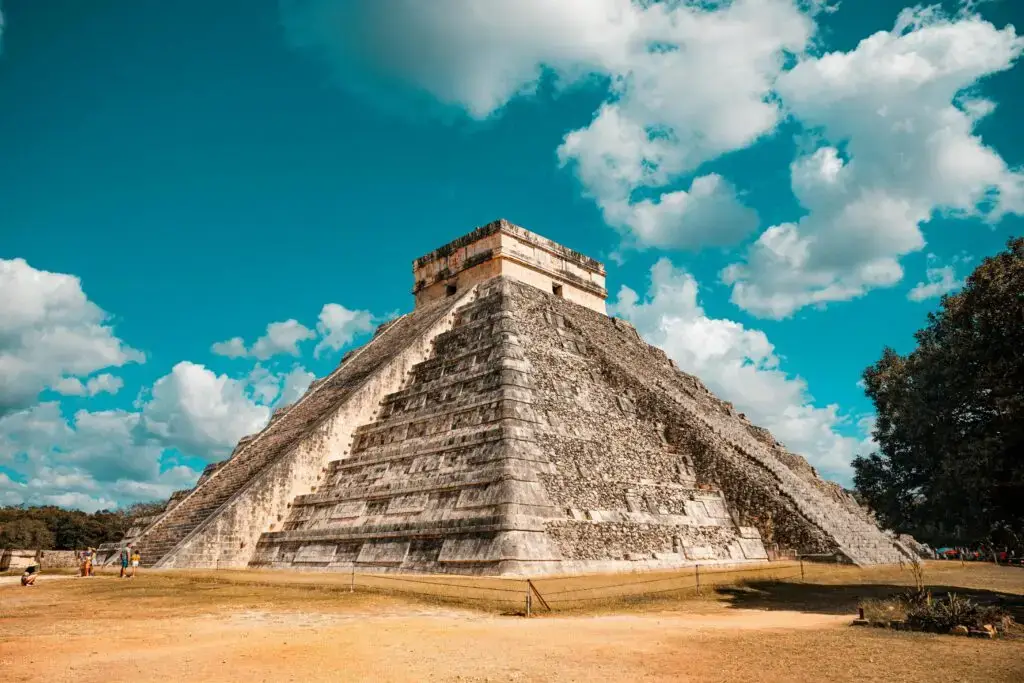
Further inland lies Chichén Itzá, one of the most important and best-preserved Maya cities. The pyramid of El Castillo, with its precise astronomical alignments and imposing structure, stands at the center of a city that once flourished with knowledge, art, religion, and science. Other archaeological sites like Uxmal, Ek Balam, and Cobá provide a more intimate connection to Maya history, often surrounded by silent forests that create a timeless atmosphere. Mérida, the capital of Yucatán state, is a cultural treasure filled with colonial architecture, museums, wide avenues, and a strong identity rooted in Maya and Spanish heritage. Valladolid, another charming town, showcases pastel-colored streets, cenotes within walking distance, and easy access to major archaeological wonders.
On the opposite side of the peninsula lies Campeche, a beautifully preserved walled city with pastel buildings, quiet streets, and a long waterfront. This region offers archaeological sites like Calakmul, an ancient Maya city hidden deep in the jungle, where travelers can climb tall pyramids overlooking an endless sea of green rainforest stretching to the horizon. Unlike the busier Yucatán coast, Campeche feels peaceful, authentic, and full of colonial charm.
Along Mexico’s Pacific coastline, the atmosphere shifts dramatically. The Pacific coast is known for its powerful waves, long stretches of beach, surf culture, fishing villages, and dramatic sunsets. Towns like Puerto Vallarta blend historic charm with resort living, offering art galleries, seaside promenades, and mountainous backdrops. Sayulita, once a sleepy fishing village, has grown into a bohemian surf destination with colorful murals, beach bars, and a youthful energy. Further south, the Oaxacan coast offers a completely different experience. Puerto Escondido attracts surfers from around the world who come for its famous breaks and laid-back spirit. Nearby Mazunte and Zipolite offer eco-friendly retreats, yoga, nature, and quiet beaches where travelers disconnect from the world. Huatulco, on the other hand, offers nine bays with calm, clear water surrounded by national parks and protected areas that remain relatively untouched by development.
Baja California, the long peninsula stretching south from the U.S. border, is one of the most unique regions of Mexico. Its landscapes are rugged, desert-like, and shaped by the surrounding seas — the Pacific Ocean on one side and the Gulf of California (Sea of Cortez) on the other. The Sea of Cortez is considered one of the most biologically rich bodies of water on Earth, home to dolphins, whales, sharks, rays, and countless fish species. Baja California Sur, which includes destinations like La Paz, Cabo San Lucas, Loreto, and Mulegé, provides opportunities for kayaking, snorkeling, whale-watching, and seaside relaxation. Gray whales migrate to the region’s lagoons during winter and early spring to give birth, allowing travelers to witness some of the most magical wildlife encounters in the world. Cabo San Lucas, located at the peninsula’s tip, offers dramatic rock formations such as El Arco, luxury resorts, nightlife, and desert-meets-sea landscapes.
Throughout all these regions, indigenous communities remain central to Mexico’s identity. The country has one of the largest indigenous populations in the Americas, with groups such as the Nahua, Maya, Zapotec, Mixtec, Otomí, Tarahumara, Purépecha, Tzotzil, Tzeltal, Huichol, and many more. These communities maintain traditions in language, clothing, crafts, festivals, and agricultural practices. Their cultural contributions define much of what travelers experience in Mexico — from textiles and pottery to food, music, and rituals. Marketplaces across the country highlight this diversity, filled with handmade clothing, woven rugs, ceramics, baskets, and artwork that reflect centuries of tradition.
Cuisine, traditions, wildlife, coastlines, cities, and deeper cultural immersion — full long-form paragraphs only.
One of the most powerful and memorable aspects of traveling through Mexico is experiencing its cuisine, a culinary tradition that has gained worldwide recognition for its depth, complexity, and regional diversity. Mexican food is not merely something to eat; it is a cultural expression shaped by indigenous civilizations, Spanish influence, and centuries of regional adaptation. Every region has its own flavors, ingredients, and cooking techniques, creating a vast tapestry of tastes that tells the story of Mexico’s past and present. From street vendors grilling fresh carne asada to families preparing century-old recipes passed down through generations, food is woven into the cultural identity of every community.
Traditional Mexican cuisine dates back thousands of years, rooted in the agricultural staples of pre-Hispanic civilizations. Corn, beans, squash, and chile peppers have been central to Mesoamerican diets for millennia. Corn, in particular, holds a sacred place in indigenous mythology and remains the foundation of Mexican food today. Tortillas, tamales, sopes, tlacoyos, and countless other dishes rely on masa, a dough made from corn treated through a process called nixtamalization that enhances its nutritional value. The distinct smell and texture of freshly made tortillas is part of the daily rhythm of Mexican life, whether prepared in bustling markets or family kitchens.
As travelers move across Mexico, they discover how regional cuisine forms a map of cultural identity. In the central region, dishes like tacos al pastor showcase a fusion of indigenous ingredients and foreign influence. The technique behind al pastor originated from Lebanese immigrants who introduced the vertical spit, later adapted into a uniquely Mexican style using pork and sweet pineapple. In Puebla, the famous mole poblano combines dozens of ingredients including chile peppers, spices, seeds, nuts, and even chocolate. Mole is not a simple sauce but a complex creation that requires hours of preparation and represents one of the country’s culinary masterpieces.
Further south in Oaxaca, travelers encounter seven traditional moles, each with its own ingredients and symbolism. Oaxacan cuisine in general is built on ancient Zapotec and Mixtec traditions, with dishes like tlayudas, tamales wrapped in banana leaves, and fresh cheese known as quesillo. This region is also known for its production of mezcal, a spirit made from agave plants roasted in underground pits and distilled using methods that have changed little over centuries. Visiting a mezcal distillery in Oaxaca offers insight into the cultural and agricultural importance of agave, a plant that has shaped rituals, traditions, and livelihoods throughout Mexico.
In the Yucatán Peninsula, cuisine features influences from ancient Maya culture, Spanish settlers, and Caribbean flavors. Dishes like cochinita pibil, prepared by marinating pork in citrus and achiote before slow-cooking it underground, reflect a deep connection to indigenous cooking techniques. The Yucatán’s cuisine also includes soups, seafood, and ingredients like sour oranges and habanero peppers that give the region its distinct taste. Traveling through Mérida, Valladolid, and small pueblos in the peninsula means encountering flavors that cannot be found elsewhere, from panuchos to papadzules to fresh tropical fruits.
Along Mexico’s coastlines, seafood takes center stage. In Baja California, fish tacos served with cabbage, lime, and creamy salsa have become iconic. On the Pacific coast, travelers enjoy ceviche, grilled fish, and shrimp prepared in countless regional styles. In the Gulf of Mexico, Veracruz offers seafood stews and dishes influenced by Afro-Caribbean and Spanish heritage. Even small fishing villages serve meals that reflect generations of expertise in preparing the ocean’s bounty. Whether dining in a beachfront palapa or at a food stall near a harbor, the freshness and flavor of coastal cuisine is unforgettable.
Street food is an essential part of the Mexican experience. Markets, plazas, and roadside stands serve dishes that capture the soul of local communities. Tacos, quesadillas, tlacoyos, gorditas, elotes (grilled corn), churros, and fresh fruit sprinkled with chile and lime create a sensory experience filled with aromas, colors, and textures. Street vendors often perfect specific dishes passed down through family lines, and entire neighborhoods may be known for particular specialties. Walking through these markets offers a glimpse into daily life, where families shop for groceries, cooks prepare meals with practiced precision, and locals gather to share stories and enjoy food together.
Beyond its cuisine, Mexico is known for its festivals, traditions, and celebrations that bring communities together in vibrant displays of culture. Día de los Muertos, or Day of the Dead, is perhaps the most internationally recognized celebration. It is a time when families honor their ancestors by creating altars adorned with candles, marigolds, sugar skulls, photographs, and symbolic offerings such as food and drinks. Though widely celebrated across Mexico, the tradition is especially strong in places like Pátzcuaro, Oaxaca, and Mexico City. The atmosphere during Día de los Muertos is not one of mourning but of remembrance, acceptance, and celebration. Processions, face painting, music, and gatherings at cemeteries turn the event into a deeply emotional yet colorfully festive experience.
In addition to Día de los Muertos, Mexico hosts countless other celebrations throughout the year. Semana Santa (Holy Week) brings religious processions to many cities and villages. In Oaxaca, Guelaguetza showcases indigenous dances, music, and costumes that reflect the cultural diversity of Oaxaca’s regions. In Veracruz, the Carnival celebration fills the streets with parades, music, and dancing leading up to Lent. Independence Day on September 16th brings patriotic festivities, including the famous “Grito de Dolores,” where crowds gather in plazas to reenact Mexico’s call for freedom. Every region has its own local festivals tied to harvests, patron saints, historical commemorations, and indigenous rituals that have persisted for centuries.
Wildlife in Mexico is abundant and diverse thanks to the country’s varied landscapes. Mexico is one of the most biodiverse nations in the world, home to thousands of species of birds, mammals, reptiles, and marine life. In the jungles of Chiapas and the Yucatán, howler monkeys swing through the canopy while colorful parrots and toucans call from the treetops. Jaguars roam quietly through protected areas, though they are rarely seen by humans. Spider monkeys, ocelots, tapirs, and coatis move through forest trails, reminding travelers that these tropical ecosystems are full of hidden life.
Marine life is equally impressive. Along the Pacific coast, humpback whales migrate during winter months to give birth in warm waters near Puerto Vallarta. Travelers can witness acrobatic breaches, hear the songs of whales, and watch mothers swimming with their calves. In Baja California Sur, gray whales approach boats closely in the calm lagoons, creating unforgettable encounters between humans and these gentle giants. The Sea of Cortez, often called “the aquarium of the world,” hosts sea lions, dolphins, whale sharks, manta rays, and countless fish species. In the Caribbean, sea turtles glide through coral reefs, and snorkelers encounter vibrant marine life that thrives along protected coastal areas.
Mexico’s coastlines are among its most appealing attractions, offering everything from secluded coves to bustling resort towns. The country’s beaches differ dramatically depending on the region. The Caribbean coast is known for its soft white sand, shallow turquoise waters, and coral reefs ideal for snorkeling. Beaches such as Playa Norte on Isla Mujeres, Maroma Beach near Playa del Carmen, and the iconic beaches of Tulum are celebrated for their beauty. However, southern parts of the Riviera Maya also offer quieter, less commercialized stretches where travelers can enjoy nature and tranquility.
The Pacific coast has a different character, shaped by stronger waves, rugged cliffs, and golden sands. Surfers flock to the breaks of Puerto Escondido, Sayulita, and Troncones, while travelers seeking relaxation often choose destinations like Zihuatanejo or Manzanillo. The Pacific sunsets, with their rich shades of orange, pink, and purple, create dramatic scenes that linger in memory. For those seeking pristine, undeveloped beaches, the Oaxacan coast and parts of Baja California Sur provide secluded spots where the ocean feels wild and untouched.
Cities and towns across Mexico are as varied as its landscapes. From massive urban centers to quaint colonial pueblos, each place reflects the character of its region. Mexico City stands out as a vibrant metropolis filled with culture, history, food, art, and endless energy. Guadalajara, the capital of Jalisco, is the birthplace of mariachi music and serves as the center of tequila production. Its historic districts, plazas, and cultural institutions reveal a city proud of its traditions and modern growth. Monterrey offers a blend of industrial progress and mountainous landscapes, with museums, parks, and urban attractions.
Colonial cities like Puebla, Morelia, San Luis Potosí, and Zacatecas showcase Baroque churches, grand plazas, and colorful streets filled with architectural beauty. San Miguel de Allende, with its artistic community and romantic atmosphere, draws international visitors and has become a UNESCO World Heritage Site. Guanajuato, known for its tunnels and alleyways, enchants travelers with its vibrant streets, universities, and history tied to Mexico’s independence movement. Mérida in the Yucatán combines colonial charm with strong Mayan cultural influences, making it one of the most culturally rich cities in the country.
Small towns and villages offer some of Mexico’s most intimate experiences. Places like San Cristóbal de las Casas in Chiapas or Patzcuaro in Michoacán retain their indigenous traditions, languages, and crafts. The markets in these towns showcase textiles, pottery, wooden carvings, baskets, and artwork created by local artisans using techniques that have existed for centuries. Many of these pueblos have deep-rooted traditions tied to agriculture, spirituality, and community life.
Traveling through Mexico is an experience shaped as much by the journey as by the destinations themselves. Because the country is so large and geographically varied, transportation plays a major role in how travelers experience its landscapes, cities, and cultural regions. Mexico’s transportation network is extensive, offering numerous ways to move between major hubs, small towns, and remote areas. Flights connect distant regions like Baja California and the Yucatán Peninsula to central Mexico in a matter of hours, making it possible to explore widely even during short trips. Mexico’s domestic airlines are efficient and relatively affordable, with modern airports in cities such as Mexico City, Guadalajara, Monterrey, Mérida, Cancún, and Tijuana serving as major gateways.
For overland travel, Mexico’s bus system is one of the most developed in Latin America. Luxury buses with comfortable seating, air conditioning, entertainment screens, and onboard restrooms connect cities and towns across the entire country. Companies operate multiple classes of service, and routes often traverse scenic mountain highways, coastal roads, and highland plateaus. Traveling by bus allows visitors to experience the gradual change in landscapes as they move from deserts to forests, from volcanic valleys to tropical lowlands. Within cities, taxis, rideshare services, and metro systems provide affordable transportation. Mexico City’s metro, in particular, is one of the largest in the world, offering an efficient way to navigate the sprawling capital.
Driving in Mexico offers flexibility and access to remote regions not easily reached by public transportation. Highways vary in quality, with toll roads typically being safer and better maintained than free roads. Travelers exploring Baja California, the Riviera Maya, or the colonial heartlands often choose rental cars to explore at their own pace. Rural roads in mountainous areas require patience and caution, but the freedom to stop at small villages, hidden viewpoints, and local eateries adds a layer of discovery to the journey. Ferries connect mainland Mexico to the Baja Peninsula and to islands such as Isla Mujeres, Cozumel, Holbox, and Janitzio, further expanding travel possibilities.
Safety in Mexico is a nuanced topic, often misrepresented in foreign media. While certain regions experience crime related to organized groups, the vast majority of Mexico is safe for travelers, especially those who stick to well-known destinations, observe local advice, and take common-sense precautions. Millions of travelers visit Mexico each year without issues, and tourism plays a vital role in the country’s economy. Tourist zones are heavily monitored, and cities like Mérida, Querétaro, San Miguel de Allende, and Oaxaca consistently rank among the safest in Latin America. Travelers typically avoid isolated areas at night, remain aware of their surroundings in crowded places, and use reputable transportation options. The warmth, hospitality, and helpful nature of Mexican communities often surprise visitors who arrive with preconceived notions shaped by news headlines. Many people leave Mexico with a deep appreciation for the kindness they encountered everywhere they traveled.
The weather in Mexico varies dramatically due to the country’s size, altitude differences, and diverse ecosystems. Coastal areas generally experience tropical climates with warm temperatures year-round, making destinations like the Riviera Maya, Oaxaca’s beaches, and Puerto Vallarta ideal for beach vacations at any time. The rainy season typically occurs between June and October, bringing afternoon showers and lush green scenery, particularly in the southern and eastern regions. Inland highland areas, such as Mexico City, Puebla, and San Cristóbal de las Casas, have milder temperatures due to altitude and often require light jackets in the evenings. Northern Mexico has extreme temperature variations, with very hot summers and cooler winters, especially in desert regions. The dry season, from November to April, is the most popular time for travel, but the green season offers its own beauty, with fewer crowds, vibrant landscapes, and fresher air.
Mexico’s architectural diversity reflects its long and complex history. Ancient Mesoamerican civilizations built monumental structures with a deep understanding of astronomy, engineering, and cosmology. The pyramids of Teotihuacán, with their immense scale and sweeping staircases, reflect a civilization that flourished long before the Aztecs. The Maya built cities like Palenque, Calakmul, and Chichén Itzá, where intricate carvings, plazas, and observatories reveal deep knowledge of mathematics and celestial cycles. In Oaxaca, the ancient Zapotec city of Monte Albán sits on a mountaintop, its enormous plazas and temples demonstrating the power and sophistication of its builders.
Spanish colonial architecture added another layer to Mexico’s built environment. Baroque churches adorned with gold leaf, ornate altarpieces, courtyards, arches, and carved stone details define the historic centers of cities like Puebla, Morelia, Zacatecas, and Taxco. These cities still preserve their colonial layouts, with central plazas serving as gathering points for community life. Their cobblestone streets and bright facades create a sense of timelessness, allowing visitors to feel transported into Mexico’s earlier centuries. In many places, indigenous and Spanish influences combined to create unique architectural styles, blending European forms with local materials and artistic traditions.
Modern architecture in Mexico continues to evolve, with the country producing world-renowned architects whose designs reflect contemporary creativity. Cities like Mexico City and Monterrey showcase modern museums, skyscrapers, cultural centers, and residential buildings that balance innovation with cultural heritage. Contemporary architects often draw inspiration from Mexico’s landscapes and traditions, incorporating natural light, local stone, bold colors, and geometric shapes that echo ancient influences. This combination of old and new makes Mexico a fascinating place for architecture enthusiasts.
Nature is one of Mexico’s most compelling features, offering landscapes that range from dense jungles to snow-covered volcanoes, wetlands to coral reefs, deserts to mangrove forests. The country’s jungles, particularly in Chiapas, Campeche, and Quintana Roo, are filled with biodiversity. Tall trees form canopies that shelter countless species of wildlife, while rivers carve their way through thick undergrowth. The humidity, the sound of insects, and the presence of ancient ruins hidden among the trees create a sense of adventure and mystery. Southern Mexico is also home to waterfalls like Cascadas de Agua Azul, Misol-Ha, and Hierve el Agua — each offering refreshing pools and stunning scenery.
Mexico’s mountains create another distinct ecosystem. The Sierra Madre ranges stretch across most of the country, providing cool climates, forests, and opportunities for hiking and mountain exploration. High-altitude regions near Mexico City, Puebla, and Toluca include pine forests, meadows, and volcanic terrains. Popocatépetl and Iztaccíhuatl dominate the skyline, while Nevado de Toluca offers crater lakes accessible by hiking trails. These mountain regions are perfect for outdoor enthusiasts who want a different experience than the beaches and jungles.
The deserts of northern Mexico offer beauty of a different kind. Vast expanses of sand, cacti, and rock formations create dramatic landscapes where silence and space take on spiritual dimensions. The Valley of the Moon in San Luis Potosí, the desert of Sonora, and the landscapes near Chihuahua reveal the rugged beauty of Mexico’s arid regions. At night, the skies above the desert become extraordinary, offering some of the best stargazing conditions in the country.
Mexico’s coastlines continue to provide some of the most beloved natural environments for visitors. The Riviera Maya’s coral reefs host vibrant marine ecosystems, while the Pacific coast’s waves attract surfers from around the world. Mangrove forests, estuaries, and wetlands support birdlife and serve as important ecological zones. Off the coast of Baja California Sur, islands such as Espíritu Santo and Isla Coronado offer opportunities for kayaking, snorkeling, and wildlife encounters in pristine settings.
Understanding Mexico also means understanding its cultural mindset. Mexicans are known for their warmth, humor, hospitality, and strong sense of community. Family plays a central role in daily life, and gatherings often include extended relatives who share meals, celebrations, and traditions. Hospitality is woven deeply into the culture — it is common for locals to go out of their way to help visitors, offer directions, share recommendations, or create moments of connection. Respect for elders, appreciation for tradition, and pride in cultural heritage are essential values across the country.
Mexican culture is expressive, vibrant, and rooted in storytelling. Whether through music, dance, literature, festivals, or murals, Mexicans communicate emotion and history with passion. Music is everywhere, from mariachi bands in plazas to banda ensembles in the north and marimba rhythms in the south. Markets buzz with conversation, laughter, and the sounds of daily life. Even in large cities, there is a sense of neighborhood and community. Visitors often find themselves drawn into this cultural warmth, forming unexpected connections and gaining a deeper appreciation for the country’s spirit.
Mexico City, despite its immense size and fast pace, is a place best understood by exploring its districts one by one, each with its own personality, rhythm, and history. The Centro Histórico, or historic center, is the heart of the city and a UNESCO World Heritage Site. It is built atop the ancient Aztec capital of Tenochtitlán, and even today, the layers of history remain visible. The Zócalo, one of the largest public squares in the world, is surrounded by towering structures such as the Metropolitan Cathedral, the National Palace with its murals by Diego Rivera, and the ruins of the Templo Mayor, where ancient stone carvings sit beneath modern buildings. Walking through the historic center is like reading a timeline carved in stone, where colonial façades meet pre-Hispanic foundations and modern shops coexist with centuries-old relics.
To the west of the historic center lies Paseo de la Reforma, a grand boulevard inspired by European avenues, lined with skyscrapers, monuments, embassies, and tree-lined medians. The Ángel de la Independencia rises proudly above this avenue, symbolizing Mexico’s struggle for independence. Reforma connects the historic center to Chapultepec Park, one of the largest urban parks on Earth. Within Chapultepec lie lakes, museums, botanical gardens, and the Castillo de Chapultepec, a hilltop palace with panoramic views of the city. This district reveals Mexico City’s modern and international side, blending business towers with wide green spaces and world-class museums.
South of the center, neighborhoods like Roma and Condesa have become cultural hubs known for their leafy streets, cafés, art galleries, and youthful atmosphere. These districts are famous for their early 20th-century architecture, with buildings featuring Art Deco and neo-colonial designs. Roma and Condesa represent the creative heart of modern Mexico City, attracting artists, writers, chefs, and travelers who enjoy the relaxed yet cosmopolitan ambiance. The streets come alive with coffee shops, bookshops, small boutiques, street markets, and an excellent food scene blending traditional and contemporary cuisine.
Farther south lies Coyoacán, a district with a village-like atmosphere despite being part of the giant metropolis. Cobblestone streets, plazas shaded by trees, handicraft markets, and colonial homes give Coyoacán an old-world charm. It is here that the famed Casa Azul, the Frida Kahlo Museum, is located. The house, painted in deep cobalt blue, offers visitors an intimate view into the life of the iconic artist, her relationship with Diego Rivera, and her profound cultural impact. Coyoacán also hosts cafés, street vendors selling churros and corn, and cultural events that make the neighborhood feel like a vibrant, living community.
Xochimilco, farther south, holds the last remnants of the ancient Aztec canal system. Colorful boats known as trajineras glide along the canals, passing floating gardens, mariachi bands, and families celebrating birthdays or social gatherings. Though lively and festive, the canals of Xochimilco also carry deep historical significance, representing a living connection to the agricultural practices of ancient Mexico. Visiting Xochimilco reveals a unique side of the city, where nature, tradition, and celebration intertwine.
Moving beyond Mexico City, the country’s colonial cities offer some of the most enchanting travel experiences in the Americas. San Miguel de Allende, with its pastel-colored streets, baroque churches, and rooftop terraces overlooking the Parroquia de San Miguel Arcángel, feels like a beautifully preserved painting come to life. Artists, expatriates, and travelers flock to this city for its creative atmosphere, art galleries, workshops, and festivals that fill the streets with music and color.
Guanajuato, built in a narrow valley, is famous for its labyrinthine alleys, tunnels, and colorful hillside homes. The city’s historic center features theaters, plazas, fountains, and cafés that give it a lively, youthful energy. Guanajuato’s history as a mining city shaped its architecture and economy, and the silver mines played a significant role in the region’s development during colonial times. Today, Guanajuato is known for its cultural festivals, student tradition, and artistic vibe that permeates the city.
Puebla, located southeast of Mexico City, is one of the gastronomic capitals of the country. The city is known for its rich mole poblano, talavera ceramics, and beautifully tiled buildings. Its historic center features hundreds of colonial structures painted in warm colors and adorned with intricate stonework. The backdrop of Popocatépetl creates a dramatic silhouette visible from various points in the city. Puebla blends history, culinary excellence, and artistry in a way that feels distinctly traditional yet continually evolving.
Oaxaca, another colonial gem, is famous for its central plaza, churches, markets, and artistic traditions. Its indigenous influence is palpable in every corner, from markets filled with handcrafted textiles to mezcal distilleries and culinary workshops. Oaxaca’s charm lies in its authenticity, where ancient rituals and contemporary creativity coexist harmoniously. The surrounding valleys contain archaeological sites like Monte Albán and Mitla, further connecting travelers to the region’s deep historical roots.
Querétaro, a clean, elegant city with peaceful plazas and beautifully restored buildings, showcases another aspect of colonial Mexico. It is known for its aqueduct, tree-lined streets, and growing reputation for wine production. Querétaro blends history with modernity, attracting both travelers and locals seeking a balanced lifestyle.
Beyond cities, one of Mexico’s most magical natural features is its cenotes — freshwater sinkholes found primarily in the Yucatán Peninsula. These geological formations were created when limestone bedrock collapsed, revealing underground rivers and pools of crystal-clear water. The Maya considered cenotes sacred, believing they were portals to the underworld and spiritual realms. Swimming in a cenote is a surreal experience, as sunlight filters through openings and illuminates turquoise water surrounded by rock formations, stalactites, and lush vegetation. Some cenotes are open and resemble natural pools, while others are hidden inside caves, where echoes of water droplets and ancient stones create a dreamlike atmosphere.
Cenotes vary widely — some allow diving into deep, submerged caverns, while others offer shallow, family-friendly swimming. These natural pools provide relief from the tropical heat and offer travelers a connection to both nature and ancient history. The region around Tulum, Valladolid, and Mérida is particularly rich in cenotes, each offering its own distinct experience. Visiting several cenotes reveals how diverse and enchanting these formations can be.
Mexico’s coastlines continue to offer endless beauty and variety. The Caribbean coast features some of the most pristine waters in the Americas, with coral reefs that attract snorkelers and divers from around the world. The Sian Ka’an Biosphere Reserve, south of Tulum, protects vast stretches of mangroves, wetlands, and tropical forests that host an array of wildlife. Cozumel, an island off the coast of Playa del Carmen, is world-famous for scuba diving, thanks to its crystal-clear water and colorful reef walls. Isla Mujeres offers calm beaches perfect for swimming, while Holbox provides a peaceful retreat with sandy streets and whale shark encounters.
The Pacific coastline, stretching from Baja California to Chiapas, offers a completely different experience. The beaches are often larger, the waves stronger, and the sunsets more dramatic. Puerto Vallarta blends a historic center with modern resorts and mountain scenery. The Riviera Nayarit, stretching north of Vallarta, includes charming beach towns such as Sayulita and San Pancho, where surf culture and bohemian spirit blend seamlessly with coastal beauty.
Farther south, the Oaxacan coast offers rustic charm mixed with natural beauty. Puerto Escondido is a paradise for surfers, while Mazunte and Zipolite offer peaceful beaches framed by cliffs, eco-friendly lodges, and a laid-back lifestyle. Huatulco’s bays, protected within a national park, provide quiet coves ideal for swimming and snorkeling. Chiapas, though lesser-known for beaches, offers coastal wetlands and natural reserves that appeal to nature lovers seeking quieter environments.
One of the most fascinating ways to explore Mexico’s cultural diversity is through its Pueblos Mágicos (Magical Towns) program. These towns are recognized for their historical significance, natural beauty, cultural heritage, or unique traditions. Mexico has over 130 Pueblos Mágicos, each offering a unique window into regional identity. Towns like Todos Santos in Baja California Sur, Valle de Bravo near Mexico City, Izamal in Yucatán, Real de Catorce in San Luis Potosí, and Bacalar in Quintana Roo reveal just how varied the country’s cultural landscape is. These towns often preserve architecture from colonial times, host artisan markets, and showcase local food, music, and traditions. Visiting several Pueblos Mágicos allows travelers to understand Mexico not as a single culture but as a collection of deeply rooted regional identities.
ndigenous heritage, modern Mexico, final regions, full conclusion — long paragraphs only.
Mexico’s indigenous heritage forms one of the deepest and most meaningful layers of the country’s cultural identity. Long before European ships reached its shores, Mexico was home to thriving civilizations that built monumental cities, developed sophisticated writing and mathematical systems, mastered agriculture, and shaped spiritual beliefs that continue to influence Mexican culture today. The Aztec, Maya, Zapotec, Mixtec, Toltec, Purépecha, Huastec, Otomí, Tarahumara, and dozens of other groups formed a rich mosaic of languages, customs, and traditions across different regions. Their descendants still maintain vibrant communities throughout the country, preserving ancestral knowledge while shaping Mexico’s living culture.
Walking through markets in Oaxaca, Chiapas, Puebla, and the Yucatán Peninsula reveals the endurance of indigenous craftsmanship. Handmade textiles display intricate patterns dyed with natural pigments, each design carrying symbolic meaning passed from generation to generation. Pottery, woodcarving, basket weaving, and jewelry continue to be produced using methods that are centuries old. These crafts are not merely souvenirs — they reflect entire cosmologies and ways of life, with symbols representing nature, fertility, gods, animals, and the cycles of the earth.
Indigenous languages remain a crucial part of Mexico’s identity. More than sixty languages are still spoken in communities across the country, from Náhuatl in central Mexico to Maya in the Yucatán, Zapotec and Mixtec in Oaxaca, and Tzotzil or Tzeltal in Chiapas. Hearing these languages spoken in markets, homes, and rituals gives travelers a sense of Mexico’s deep cultural continuity. Many villages blend indigenous spirituality with Catholic traditions, creating unique ceremonies that honor both ancient deities and Christian saints. Offerings, dances, processions, and rituals in these communities showcase a worldview rooted in respect for nature, family, ancestors, and the interconnectedness of life.
Modern Mexico is equally dynamic and constantly evolving. The country is home to fast-growing cities, innovative cultural movements, world-class cuisine, and vibrant artistic scenes. Mexico City, Guadalajara, Monterrey, and other large cities are centers of technology, fashion, film, architecture, and culinary experimentation. Mexican designers and chefs have gained global recognition for blending contemporary creativity with traditional influences. Street art has become a significant cultural force in many urban areas, with murals transforming entire neighborhoods into open-air galleries. The spirit of modern Mexico is bold, expressive, and forward-looking, while remaining deeply connected to cultural memory.
The country’s film industry continues to produce directors, writers, and actors who gain international acclaim. Mexican literature, too, spans from internationally recognized authors to local writers who capture the essence of regional life. Music remains central to social gatherings and celebrations — mariachi bands fill the streets of Guadalajara, norteño music echoes in northern states, marimba melodies float through southern towns, and contemporary genres thrive in clubs and concert halls. The fusion of old and new defines modern Mexican identity, demonstrating how tradition and innovation coexist and enrich one another.
Geographically, a few regions remain to complete the full circle of Mexico’s vast diversity. The Gulf of Mexico coastline, stretching through Tamaulipas, Veracruz, Tabasco, and Campeche, blends tropical wetlands, jungles, and coastal cities. Veracruz stands out as a cultural crossroads where Afro-Caribbean, indigenous, and Spanish influences converge. The city’s music, dance, and cuisine reflect this blend — especially the famous son jarocho sound. The port of Veracruz has long been one of the country’s most important maritime gateways, and its waterfront promenade, fortress, and plazas give it a lively, historic atmosphere.
The Huasteca region, spanning parts of Veracruz, San Luis Potosí, Hidalgo, and Querétaro, is a lush, green area filled with waterfalls, rivers, caves, and tropical forests. The landscape is shaped by limestone formations that create turquoise rivers, natural pools, and dramatic canyons. Waterfalls like Tamul and Minas Viejas draw travelers seeking adventure, beauty, and a different type of Mexican landscape. The region is also known for the indigenous Huastec culture, with vibrant dress, music, and dance traditions that remain deeply rooted in local communities.
In the northwest, the state of Sonora offers sweeping desert landscapes and a culture shaped by ranching, indigenous groups, and its proximity to the United States. The Yaqui and Seri peoples maintain strong cultural identities through crafts, fishing traditions, and ceremonies that have survived centuries of change. The Sea of Cortez along Sonora’s coast provides opportunities for marine wildlife viewing, fishing, and coastal exploration.
As travelers move west toward the Pacific, they encounter Sinaloa and Nayarit, states known for agriculture, beaches, islands, and local traditions. Mazatlán blends history with modern beach resorts, while small coastal villages maintain traditional fishing lifestyles. Riviera Nayarit, north of Puerto Vallarta, includes quiet surf towns with laid-back atmospheres and a growing eco-tourism scene. Inland, the mountains of Nayarit hide indigenous communities and cool pine forests that contrast sharply with the heat of the coast.
Continuing into the southernmost part of Mexico, the state of Guerrero offers both famous tourist areas and quieter regions full of natural beauty. Acapulco, once the glamorous beach escape of movie stars during the mid-20th century, remains known for its beaches, nightlife, and cliff divers. However, smaller coastal towns such as Zihuatanejo provide a more tranquil environment with charming fishing traditions and scenic beaches framed by hills. Inland, the mountains and indigenous communities of Guerrero remain less visited but deeply rooted in ancient customs.
Chiapas, though discussed earlier, deserves one more moment because it represents the heart of indigenous Mexico. Its mountain villages retain languages, rituals, and ceremonies that predate Spanish arrival. The region’s natural beauty is matched by its cultural wealth, with colorful textiles, spiritual practices, and strong community ties. Traveling through Chiapas leaves many visitors with a deeper appreciation for Mexico’s indigenous resilience and identity.
As this extensive guide approaches its end, it is important to reflect on what makes Mexico such an extraordinary destination for travelers from around the world. No other country offers such a powerful combination of history, culture, nature, and hospitality. From ancient pyramids rising above the jungle to colonial towns glowing softly at dusk, from vibrant markets filled with spices and handwoven fabrics to quiet cenotes hidden beneath limestone ceilings, Mexico is a country of endless depth. Its landscapes range from deserts to rainforests, from mountains to tropical coasts, from volcanic valleys to coral reefs. Its cities pulse with creativity, innovation, and energy, while its rural villages preserve traditions that have lasted for centuries.
But at the heart of everything, Mexico’s greatest treasure is its people. Warm, expressive, and welcoming, Mexicans share their culture with pride and joy. Travelers often feel embraced, not as outsiders but as guests invited to experience the richness of a country that values connection, hospitality, and celebration. Families open their homes, vendors share stories, guides speak with passion about their history, and communities welcome visitors into festivals, traditions, and everyday moments that make Mexican life so vibrant.
Mexico is a country that leaves lasting impressions — not only because of its beauty but because of the emotion it evokes. It is a place where time seems to move differently, where the past and present coexist, where every region feels like a different world, and where every day brings a new discovery. Whether exploring ancient ruins, drifting in a cenote, watching a sunset over the Pacific, wandering through colonial streets, tasting dishes flavored with centuries of tradition, or simply sharing conversation with locals, travelers feel a sense of wonder that stays with them long after they depart.
 Related Articles
- Kakslauttanen Arctic Resort
- Top 10 Most Unique Places to Stay in Europe
- 10 Incredible Castles Around the World