Montenegro may be a small country, but it’s one of the most breathtaking destinations in Europe. With its name literally meaning “Black Mountain,” Montenegro combines dramatic mountains, turquoise seas, medieval towns, and a fascinating cultural mix of East and West.
Often overlooked in favor of its neighbor Croatia, Montenegro is still a hidden gem for many travelers. But those who visit are rewarded with jaw-dropping landscapes, a rich history, affordable travel, and a warm welcome. Whether you’re seeking adventure in the mountains, lazy days on sandy beaches, or culture and history in cobbled old towns, Montenegro truly has it all.
In this guide, you’ll find everything you need to plan your Montenegro adventure—covering the best places to visit, top things to do, unique experiences, food, accommodation, itineraries, and practical travel tips.
Why Montenegro Deserves a Spot on Your Bucket List
Montenegro is like a miniature Europe in one country. In just a week, you can swim in the Adriatic Sea, hike in the Alps-like peaks of Durmitor, explore Venetian fortresses, and sip wine by the shores of Lake Skadar.
Reasons to Visit Montenegro:
- Compact but diverse: Distances are short, so you can cover a lot in little time.
- Affordable travel: Hotels, food, and activities cost much less than in Western Europe.
- Stunning coastlines: The Adriatic here rivals Italy and Croatia but with fewer crowds.
- Adventure opportunities: Rafting, hiking, canyoning, and paragliding are all world-class.
- Rich culture: A blend of Slavic, Ottoman, Venetian, and modern Balkan influences.
Top Cities and Towns to Visit
1. Kotor – The Pearl of Montenegro
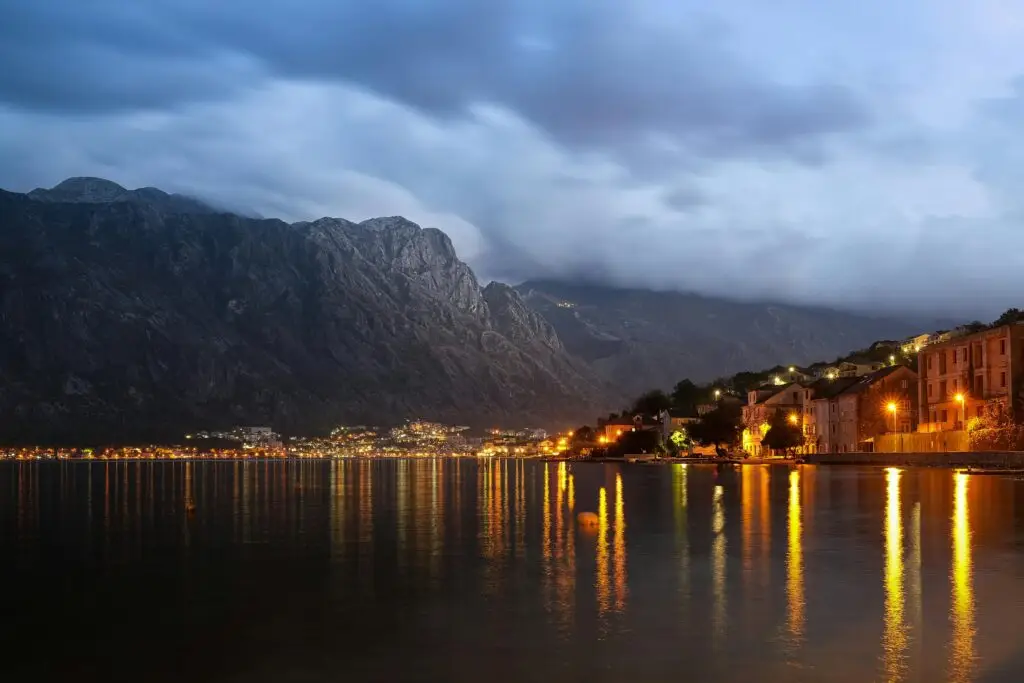
Kotor is without doubt the jewel of Montenegro, and one of the most beautiful towns in all of Europe. Located on the Bay of Kotor, this medieval UNESCO town feels like a mix between Dubrovnik and a hidden alpine village.
Highlights in Kotor:
- Wander the Old Town (Stari Grad) with its cobbled streets, medieval squares, and hidden cafes.
- Hike up to the San Giovanni Fortress (1,350 steps!) for jaw-dropping views of the bay.
- Visit St. Tryphon Cathedral, an impressive 12th-century church.
- Take a boat tour to Our Lady of the Rocks, a man-made island with a legendary story.
- Spot the cats of Kotor—the town’s unofficial mascots, with their own museum and gift shops.
Experience: Romantic and magical, especially at sunset when the bay glows golden.
2. Budva – The Montenegrin Riviera
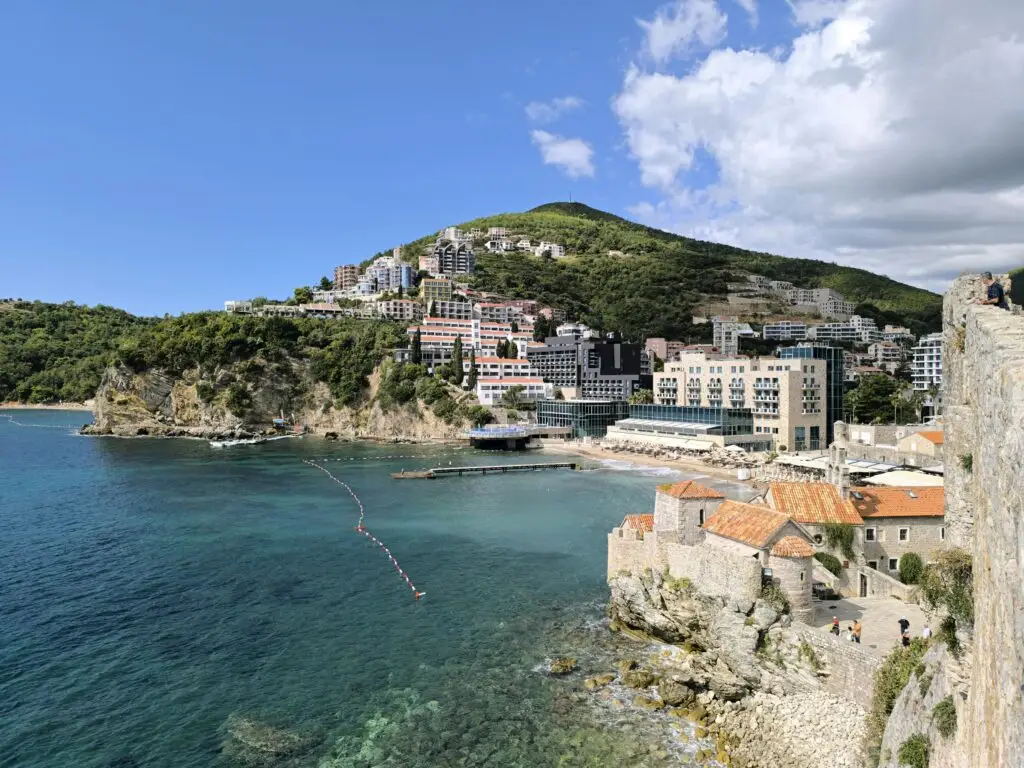
If Kotor is history, Budva is all about energy. Known for its beaches and nightlife, Budva is the perfect mix of history and fun.
Highlights in Budva:
- Explore the walled Old Town, with narrow streets and Venetian architecture.
- Relax on Slovenska Beach or the more secluded Mogren Beach.
- Experience the nightlife—clubs, beach bars, and festivals keep Budva lively all summer.
- Take a short trip to Sveti Nikola Island, often called “Hawaii” for its beaches.
Experience: Vibrant and fun, perfect if you want history during the day and parties at night.
3. Herceg Novi – The Gateway to the Bay of Kotor
At the entrance of the bay lies Herceg Novi, a coastal town known for its fortresses, stairways, and spa resorts.
Highlights in Herceg Novi:
- Climb the Kanli Kula Fortress for sweeping Adriatic views.
- Stroll along the Šetalište Pet Danica promenade, lined with cafes and beaches.
- Visit the Savina Monastery, surrounded by vineyards.
- Take a ferry to nearby Croatia or explore hidden coves by kayak.
Experience: Relaxed, authentic, and less crowded than Budva or Kotor.
4. Podgorica – The Modern Capital
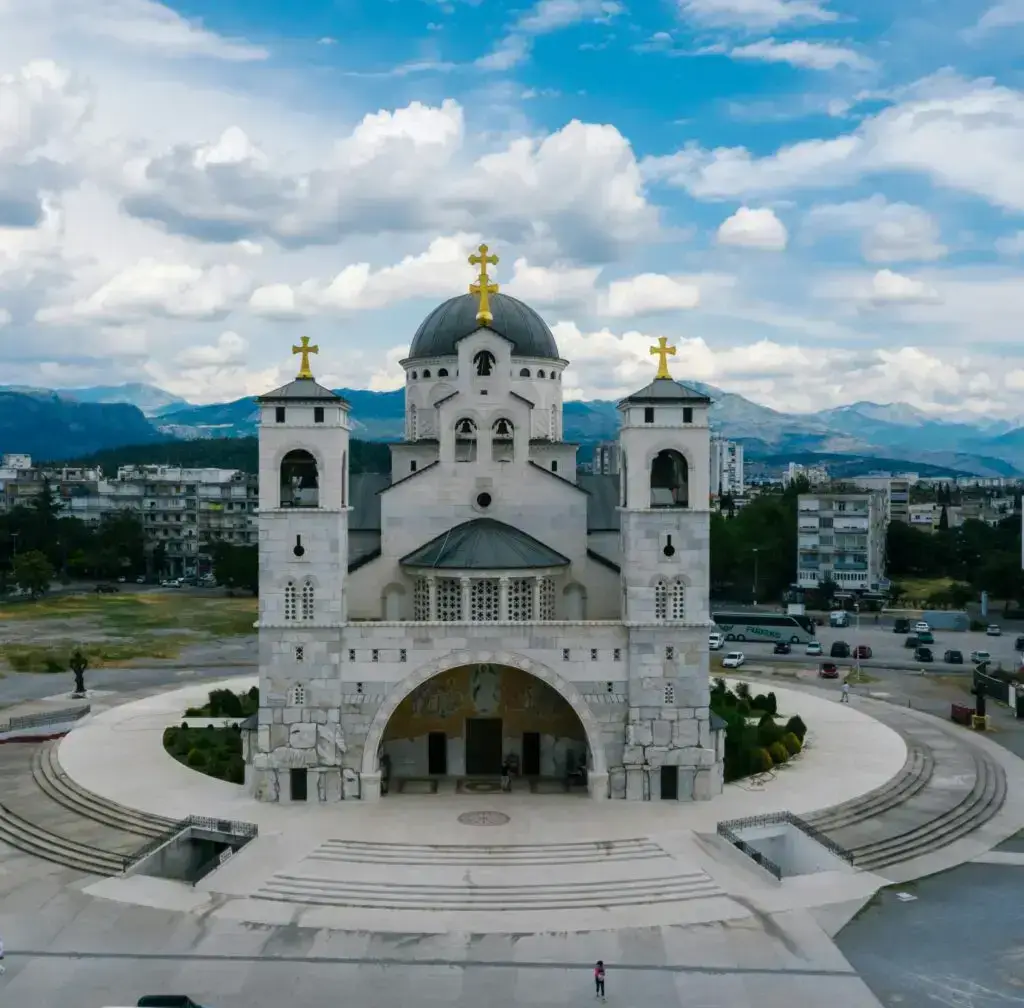
Podgorica, Montenegro’s capital, is often skipped by travelers, but it gives you a taste of modern Montenegrin life.
Highlights in Podgorica:
- Millennium Bridge, a modern landmark.
- Stara Varoš, the old Ottoman quarter with mosques and traditional houses.
- Wine tours just outside the city, especially in the Plantaže vineyards.
Experience: More about everyday life than tourism—Podgorica is best for a short stop.
5. Cetinje – The Historical Capital
The royal capital of Montenegro, Cetinje is full of culture and history.
Highlights in Cetinje:
- Cetinje Monastery, home to important relics.
- National Museum, showcasing Montenegro’s turbulent history.
- Colorful streets and architecture, giving the town a unique charm.
Experience: A feeling of national pride and tradition—you get a sense of Montenegro’s soul here.
6. Perast – The Bay’s Hidden Gem
This small baroque town is one of the most picturesque in Montenegro.
Highlights:
- Wander the waterfront lined with stone palaces.
- Visit the islands Our Lady of the Rocks and St. George’s Island.
- Enjoy fresh seafood at a waterfront restaurant.
Experience: Calm, scenic, and romantic—a perfect day trip from Kotor.
Montenegro’s National Parks & Natural Wonders
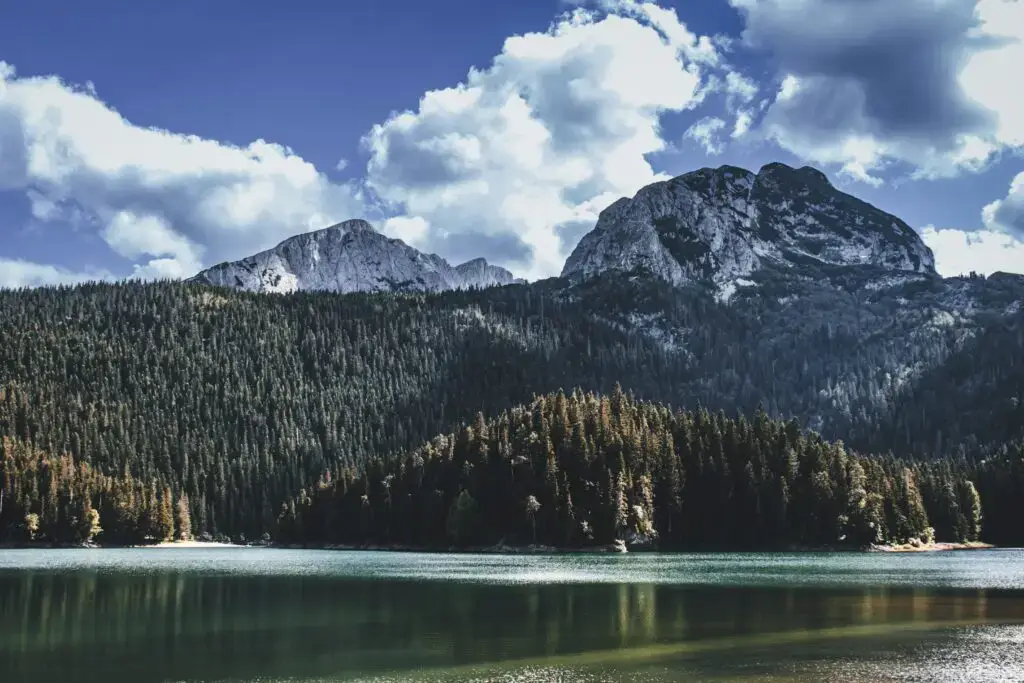
Despite its small size, Montenegro has 5 national parks, each unique.
Durmitor National Park
The crown jewel for adventurers.
- Tara River Canyon: Second deepest in the world—rafting here is unforgettable.
- Black Lake (Crno Jezero): A glacial lake surrounded by forests.
- Bobotov Kuk: The highest peak in Montenegro (2,523m).
Biogradska Gora
One of Europe’s last primeval forests.
- Biogradsko Lake: Peaceful kayaking.
- Ancient trees, some over 500 years old.
- Hiking trails through untouched nature.
Lake Skadar
The largest lake in the Balkans, partly shared with Albania.
- Take a boat tour to spot Dalmatian pelicans.
- Visit wine villages like Virpazar.
- Explore riverside towns such as Rijeka Crnojevića.
Lovćen National Park
Close to Cetinje and Kotor.
- Njegoš Mausoleum: Perched on a peak with stunning views.
- Scenic mountain roads, ideal for road trips.
Prokletije National Park
Remote and rugged, nicknamed the “Accursed Mountains.”
- A paradise for hardcore hikers.
- Bordering Albania and Kosovo, offering wild and untouched trails.
Montenegro’s Best Beaches
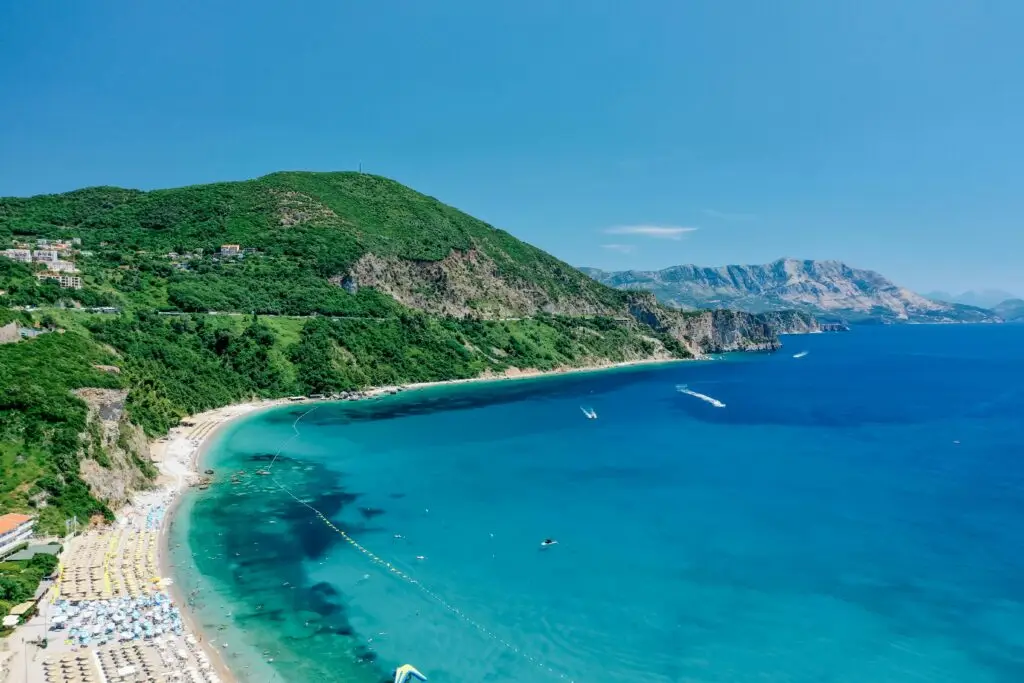
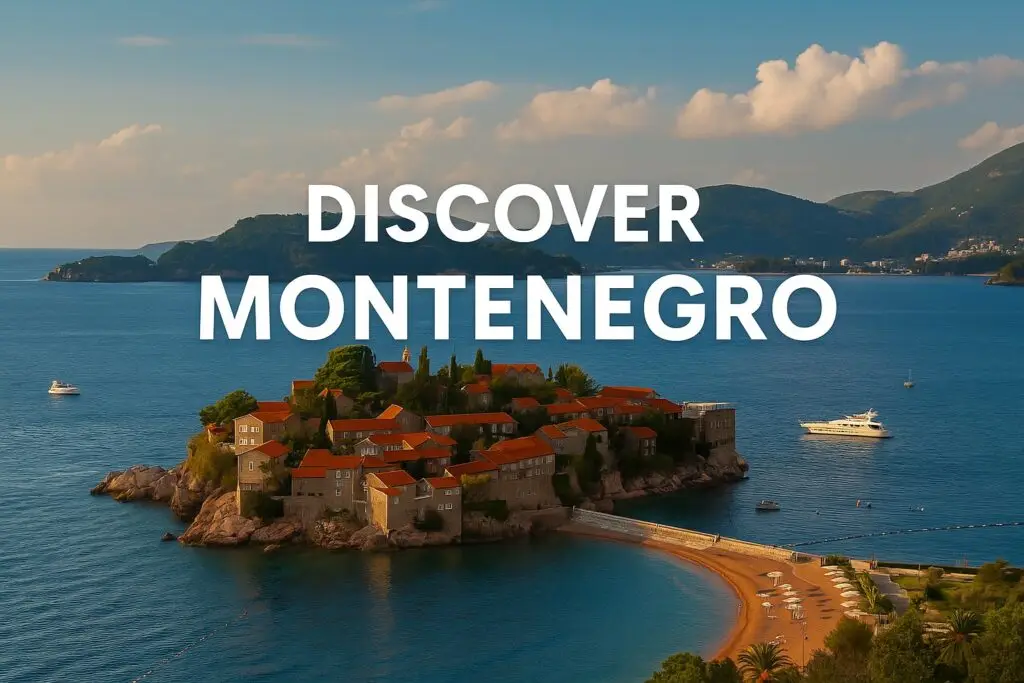
- Sveti Stefan: An island resort and one of the most photographed places in the Balkans.
- Ulcinj (Velika Plaža): A 13 km sandy beach, great for kitesurfing.
- Petrovac: Smaller and more family-friendly.
- Jaz Beach: Popular for camping and festivals.
Food & Drink in Montenegro
Montenegro’s cuisine is a blend of Mediterranean, Balkan, and Turkish flavors.
Must-Try Dishes
- Ćevapi: Grilled sausages with flatbread and onions.
- Njeguški pršut: Smoked ham from the Njeguši region.
- Kacamak: Cornmeal with cheese and cream.
- Fresh seafood: Especially along the coast.
Drinks
- Rakija: A strong fruit brandy.
- Vranac wine: A bold red wine, perfect with meat dishes.
- Turkish-style coffee: Served strong and thick.
Festivals and Events
Montenegro hosts unique festivals that showcase its culture:
- Kotor Carnival: Costumes, parades, and music in February and summer.
- Sea Dance Festival (Budva): Electronic music by the beach.
- Mimosa Festival (Herceg Novi): Celebrates spring with flowers, parades, and concerts.
Activities & Excursions
- Rafting on the Tara River
- Canyoning in Nevidio Canyon
- Paragliding over Budva
- Hiking to Bobotov Kuk
- Boat tour of Bay of Kotor
- Snorkeling and diving in the Adriatic
- Cycling around Lake Skadar
Where to Stay in Montenegro
- Luxury: Aman Sveti Stefan, Regent Porto Montenegro (Tivat).
- Mid-range: Family-run guesthouses in Kotor or Budva.
- Budget: Hostels in Podgorica, Herceg Novi, or Budva.
- Unique stays: Mountain cabins in Durmitor, vineyard stays near Skadar, seaside villas in Perast.

Practical Tips for Traveling in Montenegro
- Best time: May–June and September–October (fewer crowds, good weather).
- Currency: Euro (€).
- Language: Montenegrin, but English widely spoken in tourist areas.
- Transport: Rent a car for flexibility. Buses connect most towns.
- Costs: Meals €5–10, hostels €15–20, hotels €50–100.
- Safety: Very safe for travelers.
Suggested Itinerary
Day 1–2: Kotor & Perast
Day 3: Budva & Sveti Stefan
Day 4: Cetinje & Lovćen
Day 5: Skadar Lake
Day 6: Durmitor (Black Lake, hiking)
Day 7: Tara rafting, back to Podgorica
Final Thoughts
Montenegro is the perfect blend of mountains, beaches, and history. It’s small enough to explore in a week, yet diverse enough to keep you coming back. From medieval towns like Kotor to wild adventures in Durmitor, and from wine-tasting by Lake Skadar to sunsets in Budva, Montenegro offers something for every traveler.
If you’re searching for a European destination that’s affordable, stunning, and not overcrowded, Montenegro deserves a place on your bucket list.