
Paradise Island – The Gateway to Bahamian Dreams
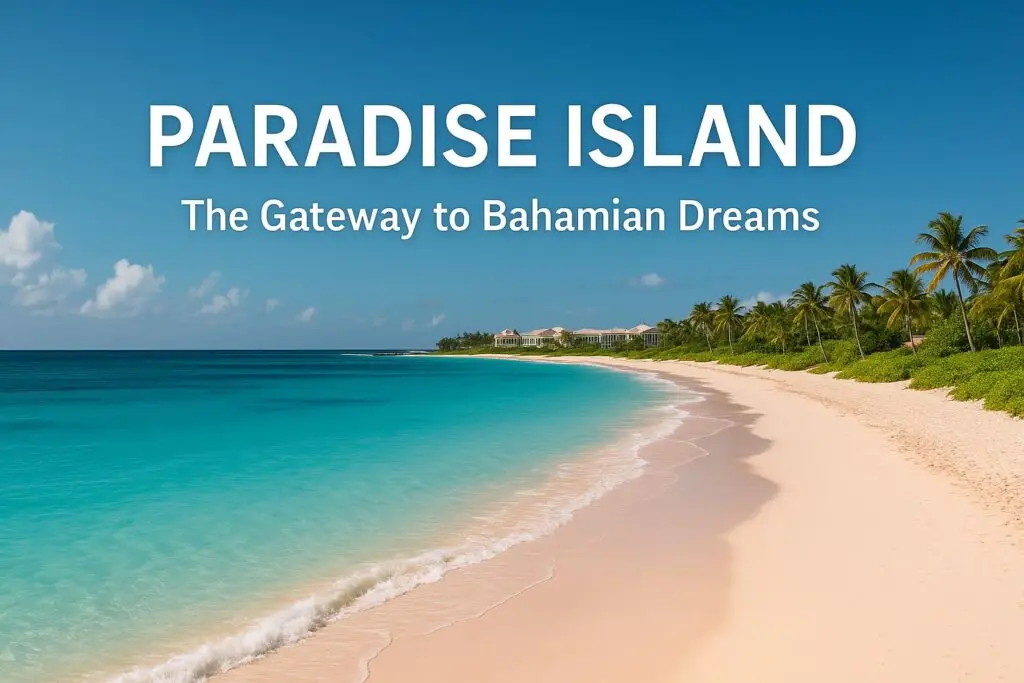
Paradise Islands Rising gently from the turquoise waters just off the northern shore of Nassau, Paradise Island is one of the most iconic destinations in the Bahamas — a shimmering blend of natural beauty, tropical elegance, and history woven into coral limestone. Though small in size, it carries a name that has captivated travelers for generations.
Stretching barely five miles long and less than a mile wide, Paradise Island feels like a world apart. Soft white beaches curl along a coast lined with palms, while clear shallows reveal starfish, stingrays, and patches of coral glowing like jewels beneath the sea. Yet behind the postcard beauty lies a deeper story — one of transformation, resilience, and the enduring Bahamian spirit.
1. Geography and Setting Paradise Islands
Paradise Island lies directly across the harbor from Nassau, the capital of the Bahamas, on the northern edge of New Providence Island. The two are connected by the Sir Sidney Poitier Bridge and the older Paradise Bridge, both arching gracefully across Nassau Harbour like ribbons of steel and stone. Paradise Islands
The island covers about 685 acres of land, much of it fringed by beaches and low limestone cliffs. The Atlantic Ocean roars along its northern shore, where waves crash against rugged coral rock, while the southern side faces the calm, sheltered harbor dotted with sailboats.
Its central ridge rises gently, crowned by gardens, resorts, and palm groves. The climate is warm year-round — average temperatures hover between 25°C and 30°C (77°F–86°F), cooled by soft trade winds. Paradise Islands
The combination of easy access, calm waters, and natural beauty has made Paradise Island one of the most photographed and visited islands in the Caribbean — yet despite its fame, there remain quiet corners that whisper of an older, simpler Bahamas. Paradise Islands
2. A Story of Transformation – From Hog Island to Paradise Islands
Before it became synonymous with luxury, the island was known by a far humbler name: Hog Island.
Early Days
In the 18th century, Hog Island was used as grazing land and a harbor refuge for ships entering Nassau. Its beaches were wild and untouched, frequented by fishermen and the occasional pirate crew seeking shelter from storms. For centuries, it remained largely undeveloped — a coral outcrop covered in pines and scrub, home to nesting seabirds and wild hogs that gave it its name.
The Birth of Paradise
Everything changed in the 20th century. In the 1950s, American industrialist Huntington Hartford, heir to the A&P supermarket fortune, purchased most of the island with a grand vision: to transform it into a refined tropical escape. Hartford disliked the name “Hog Island” — calling it “the least romantic name in the English language” — and officially renamed it Paradise Island.
He built bridges, roads, and elegant hotels, including the famous Ocean Club, which attracted Hollywood stars, writers, and royalty. Hartford’s dream was not of casinos and crowds, but of beauty and tranquility — a Bahamian Riviera defined by art and philosophy.
The Modern Era
After several ownership changes and developments in the 1980s and 1990s, Paradise Island entered its modern phase. The construction of the Atlantis Resort, one of the largest ocean-themed properties in the world, redefined the island’s skyline and economy. Yet alongside the glitz, remnants of Hartford’s original vision survive — gardens filled with orchids, silent cloisters, and the whisper of waves echoing through ancient stone.
3. The Connection to Nassau
Paradise Island is inseparable from its twin across the water — Nassau, the capital of the Bahamas. The two share a heartbeat, connected not only by bridges but by centuries of history, trade, and culture. Paradise Islands
Visitors arriving at Nassau’s Lynden Pindling International Airport (NAS) can reach Paradise Island in just 20 minutes by car. The drive passes through bustling downtown Nassau, over the bridge, and suddenly — the noise softens, the air shifts, and you find yourself surrounded by palms and ocean light.
From Paradise Island, the view back toward Nassau is breathtaking: pastel colonial buildings glowing in the sun, church spires rising above the harbor, and the rhythmic hum of Bahamian life. Water taxis ferry locals and visitors alike, creating a constant exchange of laughter, commerce, and color between the two islands. Paradise Islands
4. Beaches and Natural Beauty
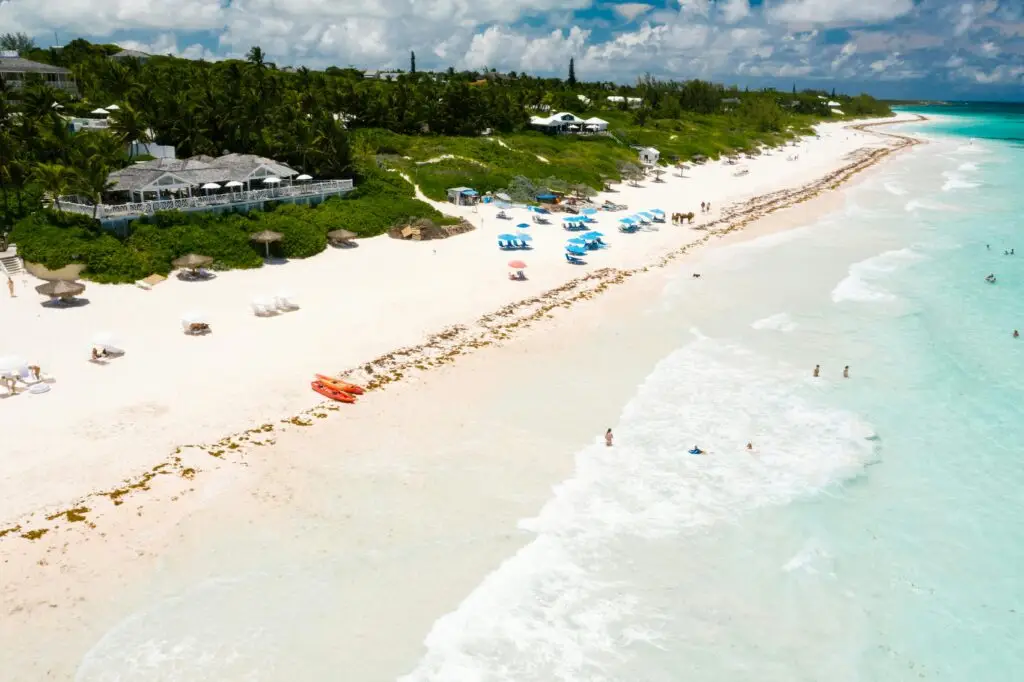
The northern coast of Paradise Islands holds some of the most spectacular beaches in the Bahamas — long arcs of powdery white sand kissed by turquoise water.
Cabbage Beach
The most famous of all is Cabbage Beach, a sweeping 2-mile crescent of soft sand backed by dunes and palms. Its Atlantic-facing waters shimmer in ever-changing shades of blue — calm and clear in the morning, wild and roaring by late afternoon when ocean swells rise. Despite its fame, parts of the beach remain uncrowded, especially near the eastern tip, where sea oats wave in the wind and hermit crabs leave tiny tracks in the sand.
Paradise Beach
Further west lies Paradise Beach, gentler and quieter, protected by coral reefs that create shallow lagoons perfect for swimming. At sunset, the light reflects gold across the water, turning every wave into molten light.
Marine Life
Offshore reefs host a kaleidoscope of marine life: parrotfish, butterflyfish, rays, and turtles glide through coral gardens. Snorkelers often spot starfish, sea fans, and even nurse sharks resting in sandy patches.
For all its luxury, the true wealth of Paradise Island remains natural — the soft sand, the clarity of the water, and the constant presence of the sea. Paradise Islands
5. The Ocean Club and Colonial Grace Paradise Islands
Long before the island’s transformation into a modern resort hub, the Ocean Club defined elegance on Paradise Island.
History
Built in the 1960s by Huntington Hartford, the Ocean Club was modeled after a French colonial estate. Its gardens — inspired by Versailles — are lined with bougainvillea, fountains, and marble statues leading toward a cliffside cloister.
The Cloisters
The Cloisters themselves are one of Paradise Island’s most remarkable landmarks. Originally part of a 14th-century Augustinian monastery in France, they were purchased by Hartford, disassembled stone by stone, and reassembled here overlooking Nassau Harbour. The result is both surreal and breathtaking — medieval arches glowing beneath tropical sunlight, roses blooming where monks once prayed.
The Ocean Club remains a place of quiet luxury, echoing an era when Paradise Island was less about spectacle and more about serenity.
6. Atlantis – The Modern Icon
No discussion of Paradise Island would be complete without mentioning Atlantis, the vast resort complex that dominates much of the western shore.
Built in stages during the 1990s and 2000s, Atlantis was inspired by the myth of the lost underwater city — a fantasy of coral towers, lagoons, and marine sanctuaries. It includes the Royal Towers, The Coral, The Reef, and The Cove, along with the immense Aquaventure water park and one of the largest open-air aquariums in the world.
The Marine Habitat
Within its lagoons swim more than 50,000 marine animals — from sharks and rays to sea turtles and tropical fish — cared for in a network of natural pools and tunnels. Though built for entertainment, the facility also supports marine education and research.
Cultural Impact
Atlantis redefined tourism in the Bahamas, providing jobs and visibility but also transforming the island’s rhythm. For visitors, it represents excitement and indulgence; for locals, it’s a reminder of how global attention reshaped a once-sleepy cay.
Yet step just a few minutes away from the resort’s gates, and the island’s quieter identity still shines — fishermen mending nets near the harbor, children playing by the docks, and pink clouds drifting over calm seas at dusk. Paradise Islands
7. Local Life and Culture Paradise Islands
Though Paradise Island is known worldwide for luxury, it remains deeply Bahamian at heart. Paradise Islands
Many residents commute from Nassau each morning, bringing with them the island’s culture of laughter, warmth, and music. Bahamian English fills the air — melodic and lively, peppered with humor and affection.
Small fruit stands and craft stalls near the bridge sell conch shells, handmade jewelry, and cold coconut water. The rhythm of rake-and-scrape music echoes from passing radios, blending with the sound of waves.
Sundays often bring families to the beach after church, picnicking beneath casuarina trees. Even in a place shaped by resorts, community remains at the core of life here — generosity, connection, and joy in the simple. Paradise Islands
8. Marine Life and Water Adventures
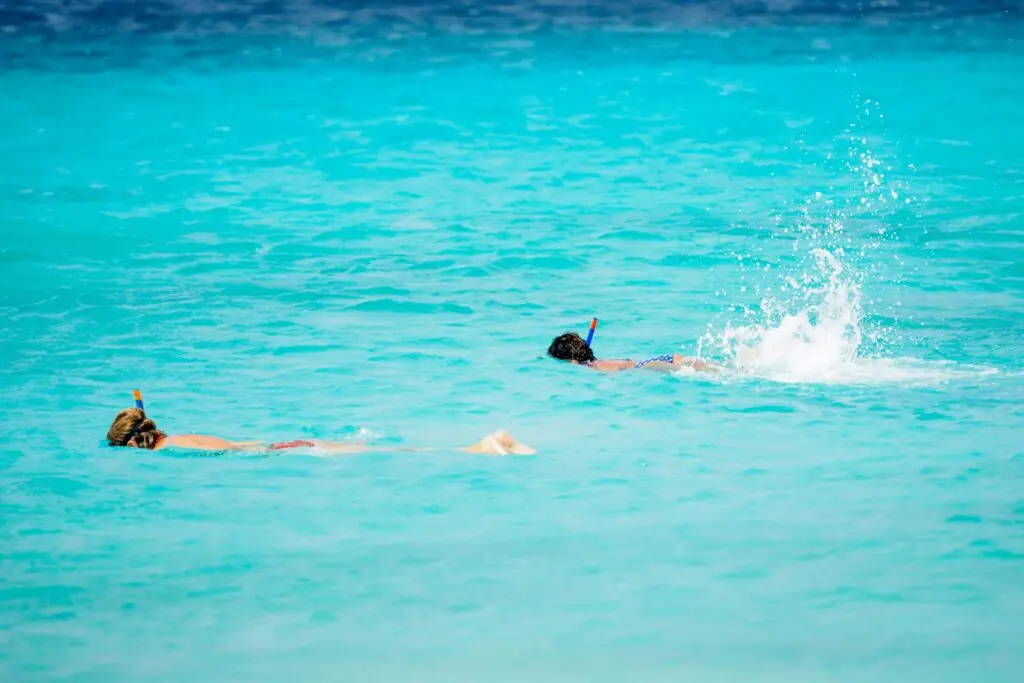
The waters around Paradise Island are among the clearest in the Caribbean, offering endless opportunities for exploration.
Snorkeling and Diving
Coral reefs just offshore teem with marine life. The Blue Hole, located off the western edge, attracts divers seeking to explore underwater caverns illuminated by shafts of light. Reef dives reveal brilliant sponges, sea fans, and schools of tropical fish.
Boating and Sailing
The island’s proximity to Nassau makes it a favorite departure point for day trips — catamaran cruises, glass-bottom boats, or kayak tours through quiet coves. Sunset sails often end with music drifting across the harbor as the lights of Nassau flicker to life.
Wildlife
Bottlenose dolphins, eagle rays, and sea turtles are common sightings. Migratory birds nest in the mangroves, while the surrounding reefs provide shelter for countless smaller creatures. Every tide brings renewal; every dawn reveals the sea in a new shade of blue. Paradise Islands
9. Architecture and Island Design Paradise Islands
Paradise Island blends colonial elegance with tropical modernity. The influence of Bahamian vernacular architecture remains strong — pastel facades, white trim, steep roofs, and wide verandas designed for sea breezes.
The older neighborhoods near the harbor preserve Hartford’s original aesthetic: low-rise villas surrounded by gardens, painted in coral, mint, and pale yellow. Even modern structures often echo local design traditions, using limestone, native wood, and shutters that filter light like lace. Paradise Islands
Public spaces are filled with palms, hibiscus, and frangipani — the scent of flowers mingling with salt air. The combination of natural beauty and human artistry gives the island its unmistakable grace.
10. Ecology and Sustainability
Paradise Island faces the same environmental challenges as many small islands — coastal erosion, coral decline, and the pressures of development.
Conservation Efforts
In recent years, awareness has grown. Reef monitoring programs now track coral health, and beach cleanup initiatives involve both locals and resort guests. Several marine foundations based in Nassau collaborate with scientists studying turtles and reef restoration.
The island’s gardens, parks, and mangroves act as vital green lungs, providing shade and absorbing carbon. Solar energy is gradually expanding, and hotels are adopting more eco-conscious practices — reduced plastic, reef-safe sunscreens, and local sourcing.
The future of Paradise Island depends not just on beauty, but on balance — honoring the natural world that made it paradise in the first place.
11. Travel and Access
Getting There
Paradise Island is easily accessible from Nassau. Most visitors fly into Lynden Pindling International Airport, then travel 20 minutes by taxi or shuttle across the bridge. Water taxis from Nassau’s downtown wharf also provide scenic crossings through the harbor.
Getting Around
Within the island, transportation is simple — walking, bicycles, or small electric carts. Everything is close: beaches, restaurants, gardens, and marinas.
The island connects seamlessly with Nassau’s culture, allowing travelers to experience both sides of Bahamian life — the serenity of beaches and the vibrancy of city markets, history, and nightlife. Paradise Islands
12. Final Reflection – Between Dream and Reality
Few places embody the word paradise as completely as this one. Yet what makes Paradise Island truly extraordinary is not its luxury or fame, but its balance — between nature and architecture, solitude and celebration, past and present.
Walk along Cabbage Beach at dawn, and you will see the island’s essence unfold: fishermen casting nets into pink-gold water, gulls tracing arcs above the surf, and light spilling across the sea like a promise.
Here, paradise is not an illusion — it’s a rhythm. A meeting of worlds where every wave, every breeze, every heartbeat of the ocean reminds you that beauty, once found, must be cherished.