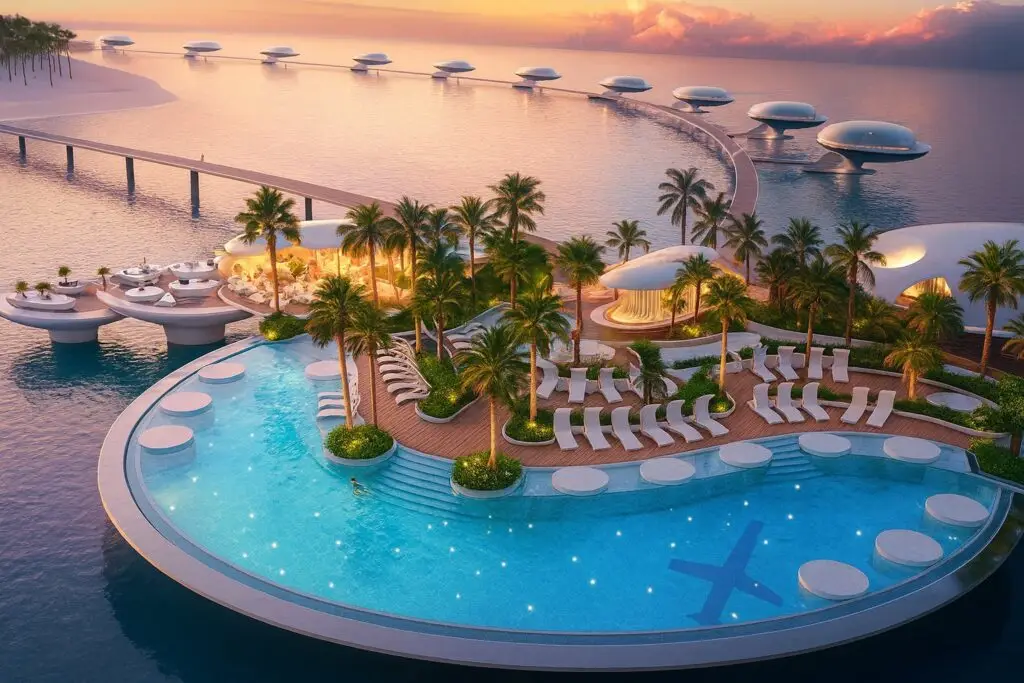
A Nation Redefining Itself
For decades, Saudi Arabia was a country shrouded in mystery for most leisure travelers. Known globally for its vast oil reserves, strict social policies, and the religious importance of Mecca and Medina, the Kingdom was not on the radar for casual tourists. That reality is rapidly changing.
With the launch of Vision 2030, Saudi Arabia has committed itself to an unprecedented transformation — diversifying its economy, investing heavily in tourism, and opening its borders to the world. At the heart of this transformation lies The Red Sea Project: a mega-development along the country’s pristine western coastline that aims to set a new global standard for luxury, sustainability, and exclusivity.
Promising luxury resorts, untouched coral reefs, desert adventures, and eco-conscious design, the Red Sea Project isn’t just another beach destination. It’s a symbol of a nation reinventing itself — and one of the most ambitious tourism projects on the planet today.
What Is The Red Sea Project?
The Red Sea Project was officially unveiled in 2017 by the Saudi Public Investment Fund (PIF). It’s part of a collection of “giga-projects” designed to achieve the Vision 2030 goals. Unlike many destinations that grew organically, this one is planned from the ground up with cutting-edge architecture, renewable energy systems, and carefully curated visitor experiences.
- Size: More than 28,000 square kilometers of coastline and desert — roughly the size of Belgium.
- Islands: Over 90 pristine islands, many of them uninhabited and untouched.
- Phase One (2023–2025): Opening of 16 hotels, new infrastructure, and the Red Sea International Airport, designed by Foster + Partners.
- Full Completion by 2030: 50 resorts, 8,000 hotel rooms, 1,300 private residences, luxury marinas, golf courses, and cultural centers.
- Capacity: A maximum of 1 million visitors per year, keeping it highly exclusive compared to mass-market destinations.
This project is not only about tourism. It’s about positioning Saudi Arabia as a luxury hub to rival Dubai, the Maldives, and Seychelles, while ensuring environmental preservation.
The Location: A Hidden Gem on the Red Sea
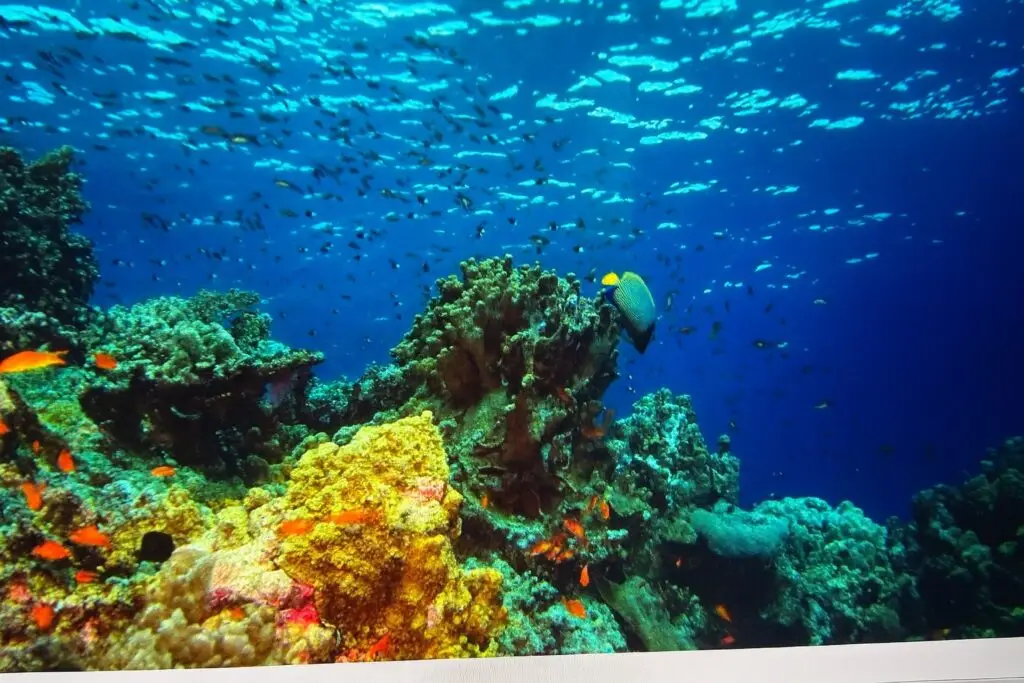
Stretching between the towns of Umluj and Al Wajh, the Red Sea coastline is one of the most stunning yet underexplored regions on Earth.
- Coral Reefs: Home to the fourth-largest barrier reef system in the world. Unlike many reefs suffering from climate change, Red Sea corals are remarkably resilient to rising temperatures.
- Marine Life: A sanctuary for dolphins, dugongs, manta rays, whale sharks, and endangered hawksbill turtles.
- Pristine Islands: Only a fraction will be developed; the rest will remain untouched or designated as conservation areas.
- Desert & Mountains: Granite mountains, volcanic craters, sweeping dunes, and desert oases add dramatic contrast.
- Climate: Winter brings perfect conditions, with average daytime temperatures of 25°C (77°F) — ideal for outdoor exploration.
This blend of ecosystems means visitors can dive one day, hike desert canyons the next, and end the evening stargazing under crystal-clear skies.
Why The Red Sea Project Stands Out
- Exclusivity Over Mass TourismWith strict visitor caps, you’ll never find the overcrowded beaches that plague other destinations.
- Luxury Meets SustainabilityFrom overwater villas powered by solar panels to eco-lodges built with minimal impact, luxury and responsibility are deeply intertwined.
- Diversity of ExperiencesUnlike single-focus destinations (beach-only, ski-only), the Red Sea offers sea, desert, and mountain adventures in one trip.
- Brand-New InfrastructureThe dedicated Red Sea International Airport ensures smooth, direct access, offering luxury from the moment you land.
- Cultural ImmersionSaudi Arabia offers travelers the chance to explore ancient trade routes, UNESCO heritage sites, and authentic Arabian hospitality — a rare combination with luxury beach resorts.
Sustainability: At the Core of Vision 2030
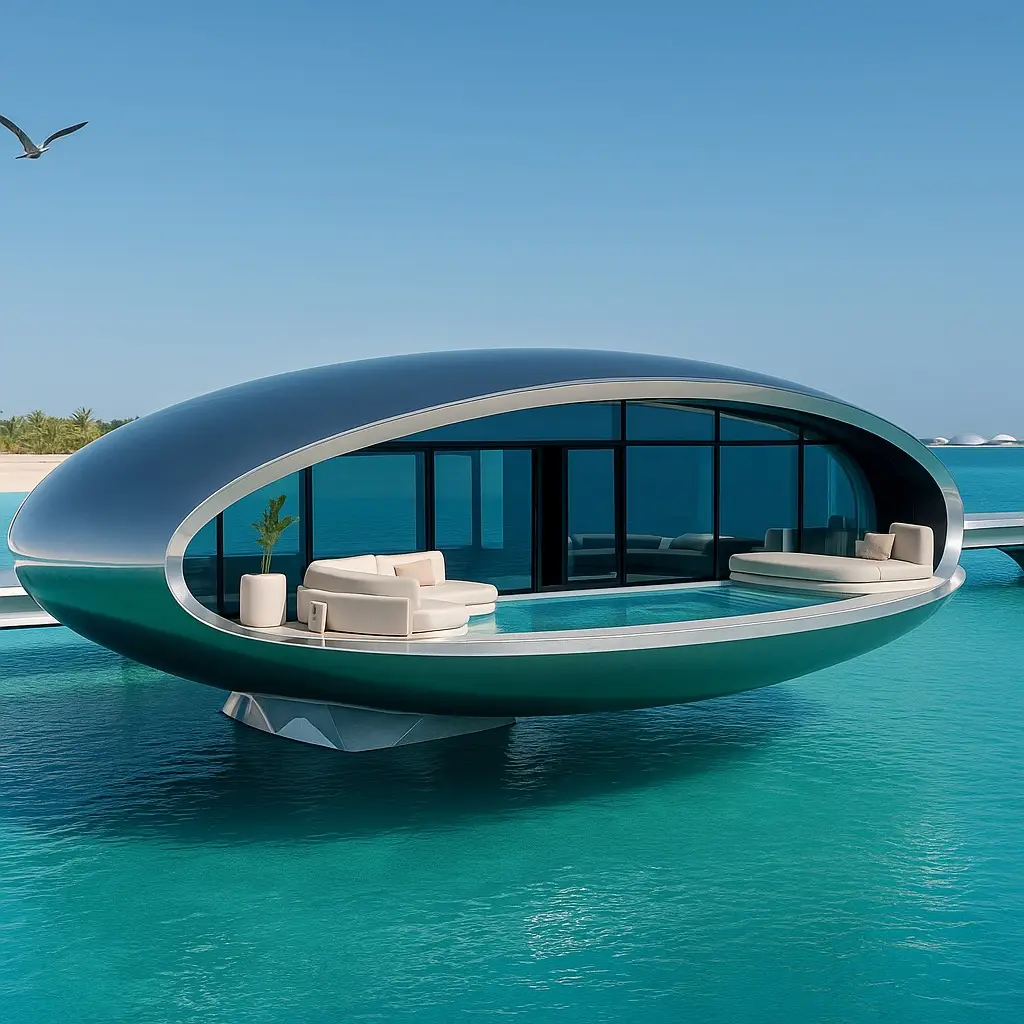
Saudi Arabia knows the world is watching, which is why sustainability is baked into every stage of the Red Sea Project.
- 100% Renewable Energy: The entire site will run on solar, wind, and other renewables. No connection to the national grid.
- 75% of Islands Protected: Only a handful will see development, leaving the majority as conservation zones.
- Zero Waste to Landfill: All waste will be recycled or converted to energy.
- Ban on Single-Use Plastics: Guests won’t see plastic bottles or disposable straws here.
- Smart Design: AI-driven systems will monitor energy, water, and waste to ensure efficiency.
This makes the Red Sea one of the few luxury destinations where eco-conscious travelers can indulge without guilt.
The Resorts: A New Benchmark for Luxury
Saudi Arabia has partnered with some of the world’s most prestigious hotel brands to create a portfolio of iconic resorts. These include:
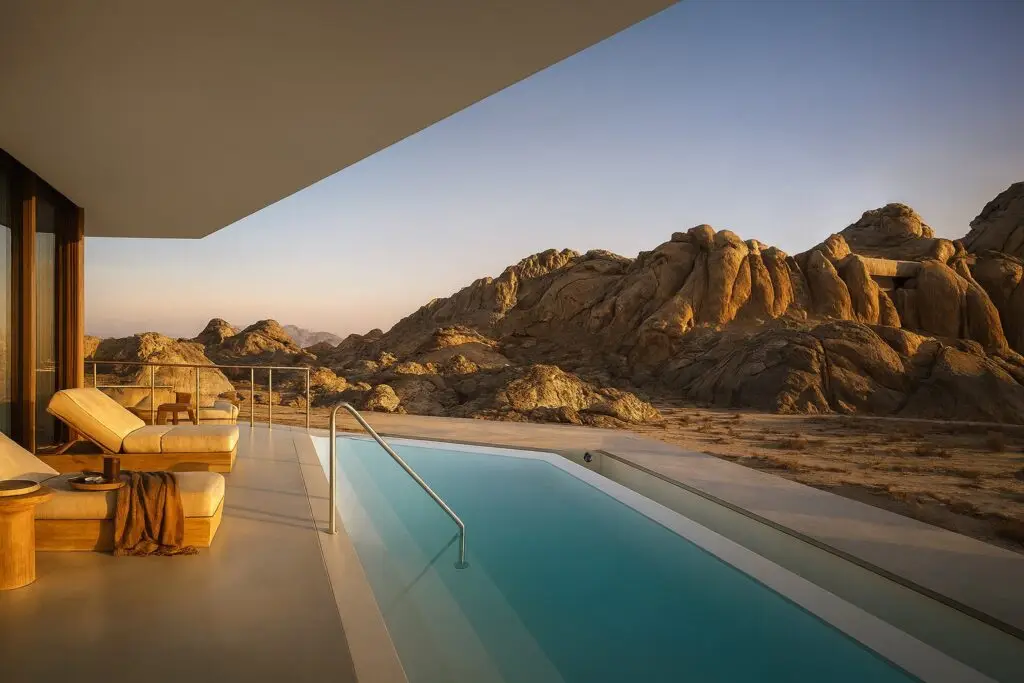
- Desert Rock Resort: Built directly into the granite mountains, offering futuristic architecture with panoramic desert views.
- Shebara Island Resort: A private island resort featuring overwater villas that rival those in the Maldives.
- St. Regis Red Sea Resort & Six Senses Southern Dunes: Blending wellness, spa culture, and Arabian design.
- Ritz-Carlton Reserve: Ultra-exclusive properties designed for privacy and ultimate service.
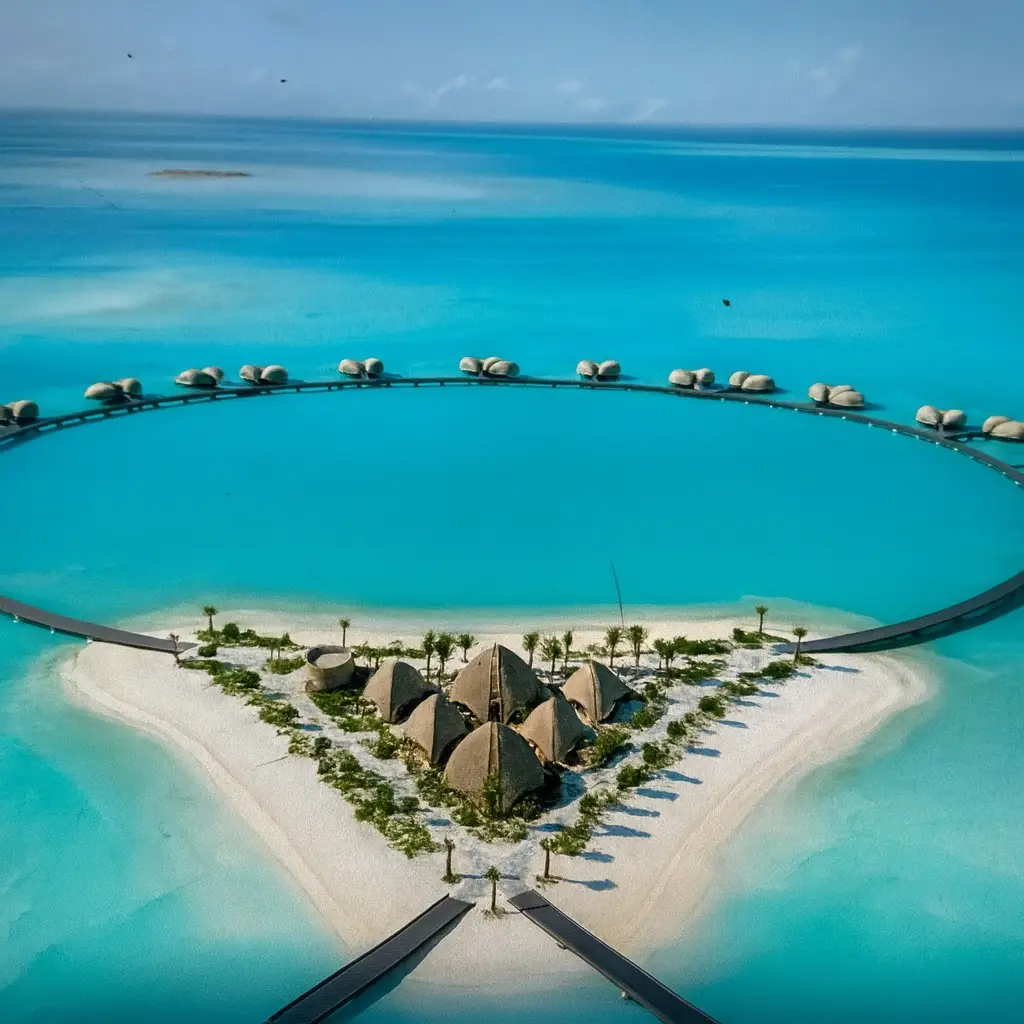
Expect a mix of overwater bungalows, desert lodges, glamping domes, and high-end villas with private pools.
Experiences & Activities
The Red Sea is not just about lying on a beach. Here are the highlights visitors can expect:
- Diving & Snorkeling: Explore untouched coral reefs and marine sanctuaries.
- Sailing & Yacht Cruises: Marinas are being built to host private yachts and charters.
- Desert Adventures: Camel trekking, dune bashing, 4×4 safaris, and guided hikes.
- Cultural Excursions: Visit AlUla’s ancient Nabatean tombs (Saudi’s answer to Petra), explore Bedouin traditions, and shop local handicrafts.
- Wellness & Retreats: Spa treatments, yoga under the stars, and holistic wellness programs.
- Stargazing: With minimal light pollution, the desert skies offer spectacular views of the Milky Way.
Winter: The Best Time to Visit
While the Middle East is known for scorching summers, winter (November–March) is the sweet spot:
- Mild Weather: 22–28°C (72–82°F), perfect for diving, hiking, and beach relaxation.
- Low Humidity: Unlike tropical destinations, the air is drier and more comfortable.
- Less Crowded: Early adopters get to enjoy the destination before it becomes globally famous.
- Holiday Alternative: Instead of skiing in Europe, imagine spending Christmas in a luxury desert villa overlooking turquoise waters.
The Bigger Picture: Vision 2030 and Tourism
The Red Sea Project is just one of many giga-projects:
- NEOM: A futuristic mega-city in the northwest desert.
- AlUla: An open-air museum of ancient civilizations.
- Diriyah Gate: A cultural hub outside Riyadh.
Together, these projects aim to attract 100 million visitors annually by 2030 and increase tourism’s contribution to Saudi GDP from 3% to 10%.
Comparing the Red Sea to Other Luxury Destinations
- Versus Maldives: Similar overwater villas, but the Red Sea adds deserts, mountains, and culture.
- Versus Dubai: Less about skyscrapers and nightlife, more about eco-luxury and nature.
- Versus Seychelles/Mauritius: Similar exclusivity but on a much grander scale.
In essence, the Red Sea Project combines the best of all worlds.
Challenges & Criticisms
No mega-project comes without controversy:
- Environmental Concerns: While sustainability is a goal, large-scale construction always carries risk.
- Human Rights Issues: Some critics argue Saudi Arabia’s political climate may deter certain travelers.
- Accessibility: Flights and tourism infrastructure are still developing.
Still, supporters argue that opening the country to international visitors is a step toward modernization and cultural exchange.
Practical Travel Tips
- Visas: Saudi Arabia now offers e-visas for citizens of 50+ countries.
- Flights: Direct international routes to the new Red Sea Airport are launching gradually.
- Dress Code: Relaxed compared to the past, but modest attire is recommended outside resorts.
- Local Etiquette: Respect local customs, especially during Ramadan.
- Currency: Saudi Riyal (SAR). Credit cards widely accepted.
The Future of the Red Sea Project
By 2030, visitors can expect:
- 50 resorts with 8,000+ hotel rooms.
- Exclusive golf courses and marinas.
- Ultra-luxury branded residences.
- Cultural festivals, art installations, and global events.
The Red Sea is positioning itself not just as a destination but as a lifestyle choice for high-end travelers.
Conclusion: A Once-in-a-Generation Destination
The Red Sea Project is more than a luxury resort development. It’s a visionary leap into the future of travel — one that combines exclusivity, sustainability, and cultural authenticity on an unprecedented scale.
For travelers who crave new frontiers, untouched landscapes, and world-class luxury, this is not just another vacation. It’s a bucket list experience of the future.
And with winter offering the perfect climate, the timing has never been better to explore Saudi Arabia’s boldest experiment in tourism.