**🇿🇦 SOUTH AFRICA TRAVEL GUIDE
South Africa is one of the most diverse, captivating and emotionally rich travel destinations on Earth — a country where every landscape, culture, language, ecosystem and historical layer creates an overwhelming sense of depth. It is a land of golden savannas, rolling vineyards, dramatic mountain ranges, vast deserts, tropical coastlines, indigenous forests, cosmopolitan cities and wild national parks filled with iconic wildlife. Located at the southern tip of the African continent, South Africa’s position between the Atlantic and Indian Oceans gives it a coastline of spectacular beauty, where rugged cliffs, endless beaches and warm lagoons shape some of the most breathtaking scenery in the world.
South Africa’s cultural heritage is equally astonishing. The country has eleven official languages and a population representing countless traditions, ethnic groups, histories and ways of life. From the Xhosa and Zulu kingdoms to the Sotho highlands, from Cape Malay communities to Afrikaner farmlands, from Khoisan descendants to modern multicultural cities, South Africa’s identity is an intricate tapestry woven through centuries of migration, conflict, creativity, resilience and rebirth. It is a place where African, European and Asian influences blend into a vibrant, distinctly South African character that visitors feel everywhere — in music, food, art, architecture, storytelling and the warm spirit of its people.
Nature in South Africa is overwhelming. The Big Five roam the savannas of Kruger National Park. Penguins waddle along Cape beaches. Whales migrate through the ocean. The Drakensberg Mountains rise like ancient stone fortresses. The Kalahari stretches endlessly into the horizon. The Garden Route blends forests, lakes, cliffs and beaches into one of the world’s most scenic coastal journeys. The Cape Winelands shimmer with vineyards at the foot of purple mountains. In cities like Cape Town and Johannesburg, culture, nightlife, heritage sites and modern life create experiences as rich as the landscapes.
South Africa is a country of contrasts — peaceful and wild, historic and modern, warm and dramatic, complex and beautiful. It is a place that transforms every traveler, whether through unforgettable wildlife encounters, breathtaking scenery, meaningful cultural interactions or simply the emotional depth of being in a country with a powerful story of struggle, hope and transformation.
Cape Town: One of the Most Beautiful Cities in the World
Cape Town is a city that defies expectations. Nestled between Table Mountain and the Atlantic Ocean, it is a place where nature and city life merge seamlessly. Mountains rise behind neighborhoods, beaches stretch beneath cliffs, vineyards sit at the edge of urban districts, and wildlife exists just outside the suburbs. Cape Town is not just a city — it is a breathtaking geographic masterpiece.
Atmosphere and Identity
Cape Town is cosmopolitan, artistic, layered and vibrant. Streets buzz with markets, music, cafes, ocean breezes and people from every background. The city embraces creativity — from art galleries and street murals to design studios, fashion boutiques and live music venues. Its multicultural heritage stands at the heart of its identity, shaped by African, European, Cape Malay and Indian influences.
Table Mountain
Table Mountain is the soul of Cape Town. Its flat plateau towers over the city, affecting weather patterns and creating a dramatic backdrop visible from almost every street. Hiking trails lead through forests, cliffs and fynbos vegetation unique to the Cape Floral Kingdom. At the summit, the view stretches over Lion’s Head, Signal Hill, the Twelve Apostles, Robben Island and the vast ocean.
The mountain changes constantly — sometimes wrapped in cloud known as the “tablecloth,” other times glowing gold at sunset. It is both a landmark and a spiritual symbol, grounding the city in nature.
The Waterfront
The V&A Waterfront blends ocean views, restaurants, cultural spaces, artisan markets, museums and boat excursions. People gather here to enjoy sunsets, concerts, shopping and food from every corner of the world. The harbor’s atmosphere is lively yet relaxed, with views of Table Mountain rising behind ships, yachts and fishing boats.
Robben Island
Across the water lies Robben Island, the place where Nelson Mandela spent 18 years imprisoned. Visiting the island is a powerful experience that reveals South Africa’s history of apartheid, resistance and freedom. Former political prisoners often guide visitors through the prison, creating an emotional, human connection to the country’s past.
Beaches
Cape Town has some of the world’s most stunning beaches. Camps Bay and Clifton are famous for their white sand, turquoise water and dramatic mountain backdrops. Muizenberg is known for surfing and colorful beach huts. Boulders Beach is home to a colony of African penguins who wander freely along the sand and rocks, offering an unforgettable wildlife encounter.
Cape Town’s landscapes, culture, creativity and history make it one of the most extraordinary cities on Earth.
Cape Peninsula: A Journey Through Wind, Cliffs and Ocean
The Cape Peninsula extends southward from Cape Town into a long, narrow stretch of dramatic cliffs, forests, beaches and viewpoints. The journey to Cape Point is one of the most magnificent coastal drives in Africa.
Chapman’s Peak Drive
Chapman’s Peak Drive winds along sheer cliffs above the Atlantic, with panoramic views of mountains plunging into the sea. The road curves through tunnels and viewpoints that reveal deep-blue water, rugged rock faces and golden beaches.
Cape Point & The Cape of Good Hope
At the southern end of the peninsula lies Cape Point, a towering headland surrounded by roaring waves, steep cliffs and winds that feel ancient and powerful. The lighthouse stands high above the ocean, overlooking a coastline shaped by centuries of storms. Nearby, the Cape of Good Hope — once feared by sailors — remains a legendary point of exploration.
Penguins and Ocean Life
On the eastern side of the peninsula, the warm waters of False Bay host penguins, seals, dolphins and whales. Simon’s Town, a charming naval village, is home to Boulders Beach and its famous penguins.
Fynbos and Wildlife
The entire peninsula is part of the Cape Floral Region, a UNESCO World Heritage Site with thousands of plant species found nowhere else. Baboons wander through forests, antelope graze on grassy slopes and colorful wildflowers blanket hillsides in spring.
The Cape Peninsula is nature at its most dramatic and unforgettable.
Stellenbosch, Franschhoek and the Cape Winelands
Just outside Cape Town lie the Cape Winelands — one of the most scenic wine regions in the world. Vineyards stretch across rolling valleys surrounded by steep mountains, creating landscapes of extraordinary elegance.
Stellenbosch
Stellenbosch is a historic university town with oak-lined streets, Cape Dutch architecture and vineyards that produce world-class wines. The mountains surrounding the town glow pink and purple at sunset, creating one of the most romantic atmospheres in South Africa.
Franschhoek
Franschhoek is a small, luxurious village known for its gourmet restaurants, wine estates and French heritage. Vineyards sit beneath towering peaks, and the town’s charm is enhanced by galleries, cafes, gardens and a peaceful, refined atmosphere.
Paarl and Beyond
Paarl, Wellington and smaller towns throughout the Winelands offer scenic drives, mountain trails, orchards, historic estates and rural charm.
The Winelands combine culture, nature, gastronomy and breathtaking scenery.
The Garden Route: Forests, Cliffs, Beaches and Lakes
The Garden Route is one of the most beautiful stretches of coastline in the world — a mosaic of forests, lagoons, mountains, cliffs, lakes and beaches between Mossel Bay and Tsitsikamma.
Knysna
Knysna is known for its lagoon, forests and the dramatic Knysna Heads — cliffs guarding the entrance to the sea. The town is surrounded by ancient yellowwood forests filled with birds, monkeys and hiking trails.
Plettenberg Bay
Plettenberg Bay offers golden beaches, coastal cliffs, whale sightings and a relaxed, laid-back lifestyle. The coastline is stunning, with bays, viewpoints and waves rolling gently onto soft sand.
Tsitsikamma
Tsitsikamma National Park blends rainforest, rugged coastline, waterfalls and suspension bridges over churning waves. Waves crash dramatically against black rocks, while forest trails reveal lush vegetation, rivers and lookout points.
The Garden Route is a paradise of nature, calmness and scenery that feels like a dream.
Kruger National Park: One of the World’s Greatest Wildlife Kingdoms
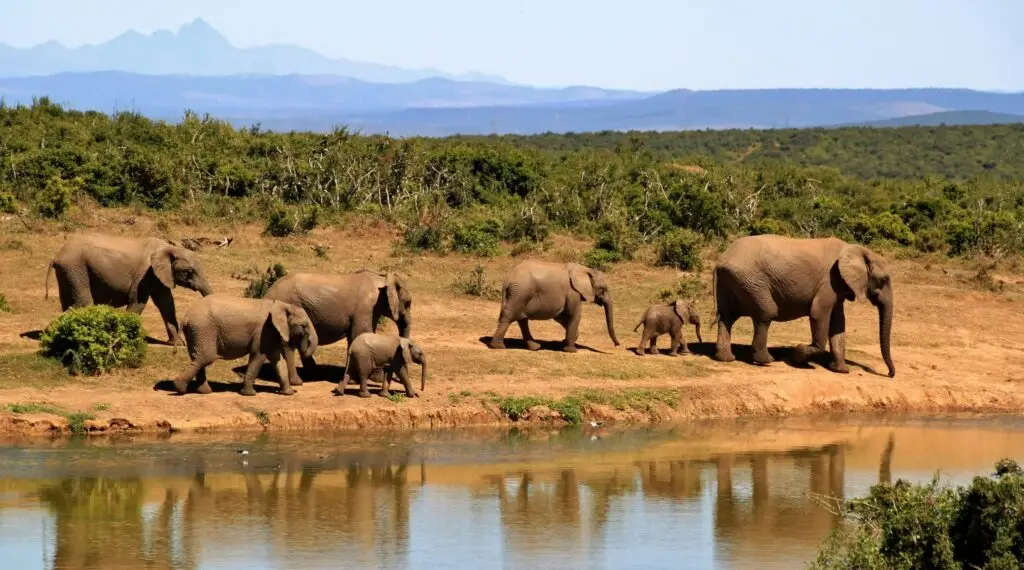
Kruger National Park is not simply a reserve — it is an entire world of wilderness, a living ecosystem so vast and rich that it feels like its own continent. Covering nearly 20,000 square kilometers, Kruger stretches across bushveld, grasslands, river corridors, woodlands and open plains, each home to its own intricate web of life. Entering Kruger feels like crossing into ancient Africa, where the rhythms of nature still govern everything and where every sunrise brings a new story written by the animals that roam its land.
The air inside Kruger smells of warm dust, dry grass and the faint scent of wild sage. Early mornings bring a cool breeze, the distant roar of lions, the deep rumble of elephants and the soft calls of birds waking for the day. Guides and rangers drive slowly along gravel roads in search of movement — a flick of a tail in the grass, the silhouette of a giraffe against dawn light, the twitching ears of a lion hidden under a bush, or the powerful shape of a buffalo staring from behind acacia branches.
Kruger is one of the best places in the world to see the Big Five: lion, leopard, elephant, buffalo and rhinoceros. But its greatness goes far beyond these iconic species. Herds of impala leap gracefully across the road, wildebeests move in dusty lines across open plains, zebras stand in tight family groups, and giraffes walk with slow, elegant steps between the trees. Hippos grunt deeply in the rivers, while crocodiles lie silent on the sandy banks, waiting for the heat of the day.
The rivers of Kruger — the Sabie, Olifants, Letaba and Crocodile — act as lifelines. In the dry season, when water is scarce, animals gather here in a drama of survival. Elephants push through the reeds to drink, lions rest in the shade nearby, antelope nervously approach the water’s edge, and birds flutter above in vibrant displays. In the rainy season, the park transforms into oceans of green, with newborn animals taking their first steps, rivers overflowing with life and dramatic thunderstorms illuminating the sky in electric flashes.
Nights in Kruger are unforgettable. The sky fills with millions of stars, hyenas whoop in the distance, owls call softly from the trees and lions roar with earth-shaking power. The darkness feels alive, charged with mystery and ancient energy. Whether you stay in rustic bush camps or larger rest camps, the feeling is the same: this is the Africa of your imagination — wild, raw, breathtaking and real.
Kruger National Park is not just a safari destination; it is a journey into the heart of nature. Every moment feels like a privilege, every encounter feels meaningful, and every sunrise brings you deeper into the rhythm of the wild.
Johannesburg: The Cultural, Historical and Creative Pulse of South Africa
Johannesburg — commonly called Joburg — is a city of contrasts, creativity, motion and emotion. It is the largest and most dynamic city in South Africa, and the beating heart of the country’s history, identity and modern evolution. Built on the world’s richest gold deposits, Johannesburg grew rapidly into a metropolis shaped by migration, opportunity, struggle, culture and innovation. Today, it is one of Africa’s most influential cultural centers.
Joburg’s skyline rises above vast suburbs, highways, markets and neighborhoods. The city is raw and energetic, full of stories and a powerful rhythm. Modern districts like Sandton gleam with skyscrapers, luxury malls, hotels and corporate headquarters. In contrast, areas like Maboneng have transformed into creative zones filled with murals, art studios, urban cafes, rooftop venues, street fashion and community-based businesses.
To understand Johannesburg, you must explore its history. The Apartheid Museum offers a deeply moving journey through South Africa’s past — from colonialism and segregation to resistance and the triumph of democracy. Constitution Hill, once a notorious prison complex, now symbolizes justice and the rule of law. These landmarks are emotional, important and transformative for any traveler wanting to grasp the full story of the country.
Soweto, perhaps the most famous township in the world, is a place of remarkable spirit. Its streets are filled with life: children playing soccer, vendors selling traditional dishes, families sitting outside talking, and musicians performing on roadside corners. Vilakazi Street is especially significant — home to both Nelson Mandela and Desmond Tutu, two Nobel Peace Prize laureates who helped reshape South Africa. Visiting Mandela’s former house provides a glimpse into the personal life and sacrifices of one of the world’s most inspiring leaders.
Johannesburg is also a hub of modern African creativity. Its music scene ranges from jazz and Afro-fusion to amapiano, a genre that has taken the world by storm. Markets like Neighbourgoods and Arts on Main showcase designers, chefs, artists and creators who reflect the city’s bold, multicultural spirit.
Despite its intensity, Johannesburg has a warmth that surprises many visitors. Locals are talkative, entrepreneurial, expressive and full of humor. They embrace storytelling, community, style and ambition. In Joburg, every street has a story, every neighborhood has layers, and every encounter feels vibrant and human.
This city is not just a stopover — it is one of the cultural capitals of Africa, filled with life, resilience, innovation and soul.
The Drakensberg Mountains: A Sacred World of Peaks, Valleys and Ancient Echoes
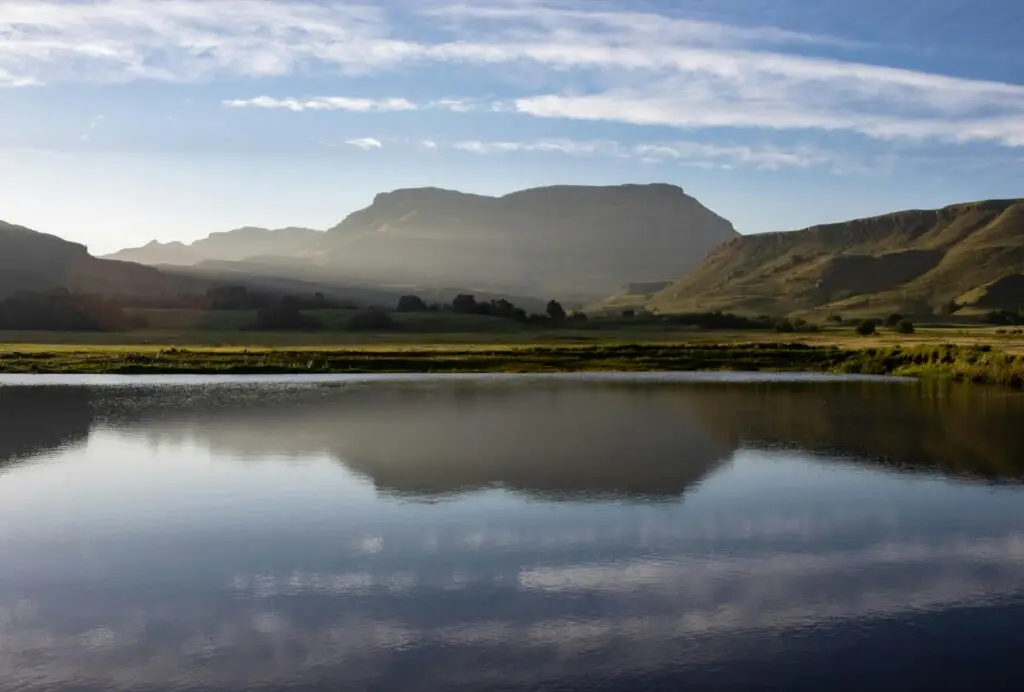
The Drakensberg Mountains — meaning “Dragon Mountains” — form one of the most dramatic and awe-inspiring landscapes in South Africa. Towering basalt cliffs, sculpted valleys, hidden waterfalls, sweeping grasslands and cloud-draped ridges create a natural kingdom that feels almost mythical. The mountains stretch across KwaZulu-Natal and the Free State, rising like fortresses against the sky.
When you arrive in the Drakensberg, the first thing you feel is space — wide, open, endless space filled with clean air, deep silence and the sound of birds calling from distant slopes. The peaks glow in the sunlight, shifting in color from gold to orange to deep purple as the day progresses. Mist curls around the cliffs in the early morning, giving the mountains an ethereal, floating appearance.
This region is more than scenery — it is a sanctuary of ancient history. The Drakensberg is home to one of the world’s largest collections of San rock art. Thousands of years ago, the San people painted scenes of hunting, dancing, rituals, animals and spiritual visions on the cave walls. Seeing these paintings in the mountains is a deeply moving experience — a direct link to the earliest human cultures, preserved in stunning detail.
The Drakensberg is also a paradise for hikers. Trails wind through valleys filled with wildflowers, up steep ridges, across high plateaus and toward viewpoints that stretch for miles. Some routes lead to waterfalls hidden in river gorges, while others climb toward the highest peaks like the Amphitheatre, Cathedral Peak and Mont-aux-Sources. The air here is crisp and pure, and every hike feels like a journey into untouched nature.
Wildlife thrives in this mountainous region. Eland, baboons, jackals, birds of prey and countless small mammals move through the hills. The sky is often filled with the silhouettes of eagles and vultures circling on warm air currents.
Villages and lodges in the foothills add to the charm of the area. Thatched cottages sit surrounded by green slopes, rivers flow gently through valleys, and the evenings bring a peaceful quiet broken only by the sound of nature. The Drakensberg is a place to breathe deeply, slow down and reconnect with the earth.
This mountain range is one of South Africa’s greatest treasures — a world of natural wonder, history, spirituality and breathtaking beauty.
KwaZulu-Natal: A Province of Kingdoms, Beaches and Wild Landscapes
KwaZulu-Natal — often called KZN — is one of South Africa’s most culturally rich and geographically varied regions. Here, mountains meet beaches, grasslands meet wetlands, and ancient Zulu traditions blend with modern coastal cities. The province stretches from the Drakensberg in the west to the Indian Ocean in the east, creating a striking contrast between cool highlands and warm tropical shores.
The region is the historical heartland of the Zulu people, one of the most influential cultural groups in South Africa. Zulu traditions live strongly in rural areas where ceremonies, dances, storytelling and ancestral rituals continue to shape community life. The legacy of King Shaka, the founder of the Zulu Kingdom, can be felt in historical sites, battlefields and cultural heritage centers throughout the province.
Durban, the largest city in KZN, is a warm, humid and lively coastal metropolis known for its golden beaches, Indian-influenced cuisine, surf culture and mix of African and Asian communities. The beachfront promenade stretches for kilometers, lined with palm trees, restaurants, markets, hotels and surf shops. The city’s Indian heritage gives it a unique flavor, especially in markets filled with spices, saris, incense and traditional snacks.
North of Durban lies the iSimangaliso Wetland Park, a UNESCO World Heritage Site where beaches, sand dunes, lakes, savannas and wetlands form one of the most biodiverse regions in Africa. Hippos wander through lagoons, crocodiles glide along riverbanks, turtles nest on remote beaches and whales breach in the ocean. This is one of the best places in South Africa for nature-loving travelers who want to explore ecosystems that feel untouched and wild.
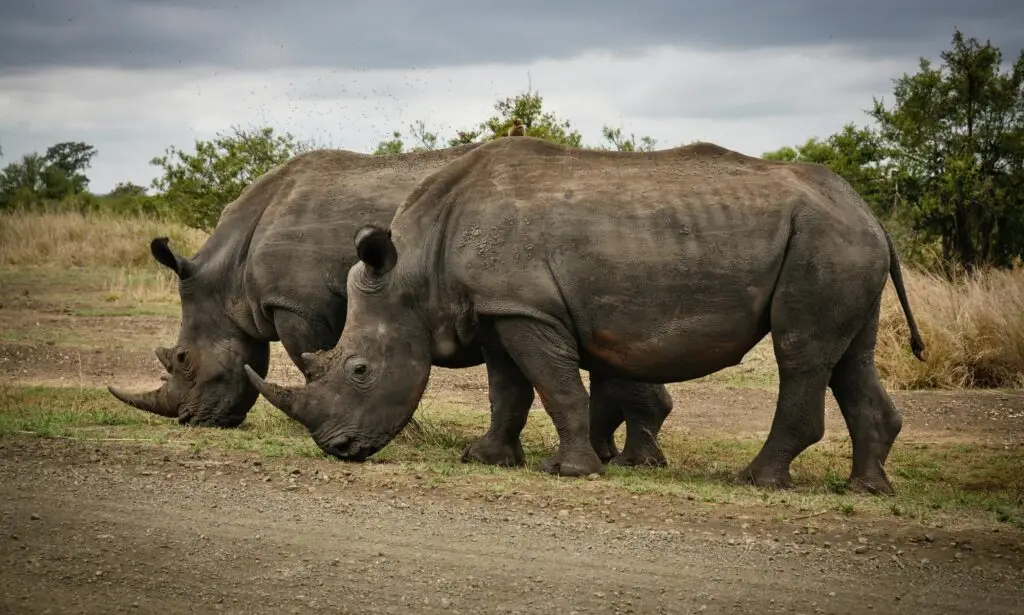
Further inland, the Hluhluwe-iMfolozi Park — one of Africa’s oldest reserves — has played a crucial role in saving the white rhinoceros from extinction. Walking through the hills and river valleys of this park brings you close to elephants, lions, cheetahs, hyenas and countless antelope species. The atmosphere is quieter and more intimate than larger parks, and the landscapes feel ancient and alive.
KwaZulu-Natal blends wildlife, culture, mountains, wetlands and coastlines into a province filled with emotion, color and richness. It is a place where history meets wilderness, where beauty takes many forms and where every direction offers a new journey.
The Karoo: A Vast Dreamscape of Silence, Stars and Ancient Earth
The Karoo is one of South Africa’s most mysterious and atmospheric regions — a semi-desert stretching across the heart of the country, defined by endless horizons, wide skies, craggy mountains, dust roads, sheep farms, windmills and an almost spiritual stillness. It is a place where silence feels deep and ancient, where night skies explode with stars, and where small towns appear like mirages in an ocean of land.
Traveling into the Karoo feels like entering another world. The landscape shifts from grassy plains to broken plateaus, from rocky ridges to dry riverbeds, from dusty farmlands to mesas rising sharply from flat terrain. The light here is extraordinary — golden at sunrise, harsh and bright at midday, and soft purple at sunset. During some evenings, thunderstorms roll across the horizon, lighting up the land with dramatic flashes that turn the desert into a stage of raw beauty.
The Karoo’s isolation has shaped its culture. Towns like Graaff-Reinet, Prince Albert, Nieu-Bethesda and Beaufort West feel timeless, with Victorian houses, whitewashed churches, stone cottages, dirt roads, and locals who greet strangers with warmth and curiosity. These towns preserve old traditions, slow rhythms and rural hospitality that make the Karoo feel like a living museum of South African heritage.
Graaff-Reinet, surrounded almost entirely by the Camdeboo National Park, is one of the country’s most beautiful historic towns. Just outside lies the Valley of Desolation — towering dolerite cliffs formed millions of years ago. Standing at the viewpoint, you look over a sweeping landscape of plains stretching beyond the horizon, broken only by mountains rising like islands in a sea of grass.
Nieu-Bethesda, hidden in the folds of the Sneeuberg Mountains, is known for its eccentric Owl House — a collection of sculptures and glass mosaics created by Helen Martins. The town feels quiet, creative and slightly dreamlike. Dust roads lead past white cottages, small art studios, donkeys wandering freely and locals selling handmade crafts.
The Great Karoo’s emptiness is its power. At night, the stars glow so brightly that the Milky Way looks like a river of light. This darkness is one of the cleanest night skies on Earth, which is why the region is home to some of the world’s most important astronomical observatories, including the Square Kilometre Array project.
The Karoo feels ancient, emotional and otherworldly — a reminder of the planet’s raw beginnings and the quiet beauty that can only be found in landscapes untouched by time.
The Kalahari: Red Sand, Desert Wildlife and Infinite Space
The Kalahari Desert spreads across South Africa’s far northwest and continues into Namibia and Botswana. It is not a lifeless desert — it is a living system of red sand dunes, camelthorn trees, sweeping savannas, dry riverbeds and wildlife adapted to this harsh but beautiful environment.
The Kalahari’s red dunes glow intensely at sunrise and sunset, turning the land into a palette of gold, crimson and amber. The air is dry and clean. The horizon feels endless. The silence is powerful. It is a place where time moves slowly, shaped by wind, heat and the rhythm of animals that rely on instinct for survival.
The Kgalagadi Transfrontier Park — shared between South Africa and Botswana — is one of Africa’s most extraordinary wilderness areas. It is famous for its black-maned Kalahari lions, some of the most majestic lions in the world. They roam across dunes and plains with a regal presence, their deep roars echoing far into the early morning air.
Other wildlife thrives in this desert ecosystem: cheetahs sprint across open land, oryx move in disciplined lines, hyenas patrol the riverbeds, meerkats pop out of burrows to scan the horizon, and birds of prey soar above the dunes. Springbok herds leap gracefully in displays of energy known as “pronking,” a joyful and iconic Kalahari sight.
The Auob and Nossob riverbeds — usually dry but filled with underground moisture — act as wildlife corridors. Animals walk along these sandy channels in search of shade, food and shelter, and during rare rains the landscape transforms dramatically into patches of green.
Small Kalahari settlements showcase unique cultural traditions of the San people (Bushmen), who have lived in these desert landscapes for thousands of years. Their knowledge of tracks, plants, weather patterns and survival techniques is extraordinary and represents one of the oldest human cultures on Earth.
The Kalahari is raw, wild and deeply evocative — a place that humbles travelers with its beauty and its sense of infinite space.
The Eastern Cape: Wild Coasts, History and Rural Beauty
The Eastern Cape is a region of contrasts — rugged coastlines, green hills, Xhosa villages, surf towns, wildlife reserves, mountain ranges and historical landmarks that shaped South Africa. It is one of the least commercialized and most authentic regions of the country, where modern life blends with traditional rural culture.
The Wild Coast is one of South Africa’s last unspoiled shorelines. Here, green mountains roll down into the sea, waterfalls plunge directly into the ocean, and cows wander along empty beaches. The coastline is dramatic, windswept and breathtaking. Villages are scattered across hills dotted with rondavels — traditional circular homes painted in bright colors. The air smells of sea spray, grass and wood smoke from cooking fires.
Port St. Johns, Coffee Bay and Hole-in-the-Wall are among the most iconic destinations on the Wild Coast. Coffee Bay, with its cliffs and turquoise water, attracts surfers, backpackers and travelers seeking peace. Hole-in-the-Wall, a massive rock arch carved by centuries of waves, stands like a guardian at the edge of the land.
Moving inland, the Eastern Cape is the birthplace of many great South African leaders, including Nelson Mandela. The rural area around Qunu, where Mandela grew up, feels peaceful and grounded. Rolling farmland, grazing animals and traditional homesteads give visitors insight into the roots of Xhosa culture.
The Addo Elephant National Park, located near Gqeberha (Port Elizabeth), is home to one of the densest elephant populations in the world. Elephants roam in large herds across green hills, shrubs and riverbeds. The park also hosts lions, buffalo, antelope species, rare birds and even a marine section protecting whales, sharks and dolphins along the coast.
Gqeberha (Port Elizabeth) is a coastal city with wide beaches, warm waters and friendly locals. Its surf culture, beachfront promenade and wildlife reserves make it a laid-back stop along South Africa’s southern coast.
The Eastern Cape is emotional, raw, historical and naturally beautiful — a place where culture and landscape blend into a unique atmosphere found nowhere else.
The West Coast: Fishing Villages, Wildflowers and Atlantic Wind
South Africa’s West Coast is a rugged, windswept region defined by fishing culture, icy Atlantic waters, dunes, wildflowers and long empty beaches. The coastline stretches north of Cape Town through small towns, farmlands and nature reserves, each with its own rhythm.
The Atlantic here is cold, powerful and full of marine life. Waves crash heavily against rocks, seabirds circle overhead, fishing boats move slowly along the horizon and sea mist drifts inland during early mornings. The colors are raw and dramatic — deep blues, bright whites and sandy browns.
Paternoster is one of the oldest fishing villages in the country. White houses, narrow roads, colorful boats and long beaches give it a Mediterranean feel. Fishermen still head out early in small boats, returning with fresh crayfish, snoek and other seafood. The town feels peaceful, artistic and deeply tied to the ocean.
Further north lies the West Coast National Park, where turquoise lagoons contrast sharply with white sand dunes and fynbos vegetation. During spring, the region bursts into color with wildflower blooms that carpet entire landscapes in bright yellows, oranges, purples and pinks. The display lasts only a few weeks but transforms the West Coast into one of the most spectacular natural scenes in South Africa.
Langebaan offers calm lagoon waters ideal for kitesurfing, sailing and beach walks. Yzerfontein, Saldanha Bay and Jacobsbaai each add their own charm — quiet streets, rocky shores, and sunsets that glow gold over the Atlantic waves.
The West Coast feels pure, simple, peaceful and wonderfully wild — a place where the wind carries the smell of salt and where life moves in harmony with the sea.
The Limpopo Province: Ancient Kingdoms, Baobab Trees and Untamed Bushveld
Limpopo, bordering Botswana, Zimbabwe and Mozambique, is one of South Africa’s most culturally rich and naturally diverse provinces. The region is known for its warm climate, traditional villages, archaeological sites, forests, mountains and vast bushveld teeming with wildlife.
The Soutpansberg mountain range cuts across the northern landscape, creating fertile valleys, dramatic cliffs and misty forests filled with rare birds and plants. Villages lie along winding mountain roads, where Venda culture thrives through music, rituals, dance and storytelling. Sacred forests, lakes and hills play an important role in the spiritual traditions of the Venda people.
The bushveld of Limpopo stretches across huge areas of savanna dotted with acacia trees, termite mounds and red earth. Private reserves near Kruger offer intimate wildlife experiences where lions, elephants, leopards, cheetahs, hyenas and countless antelope species roam freely. The region’s sunsets are legendary — the sky turning red, orange and pink behind silhouettes of baobab trees.
Mapungubwe National Park, located at the meeting point of the Limpopo and Shashe rivers, is home to one of Africa’s most important archaeological sites. Here, the Kingdom of Mapungubwe — a powerful ancient African civilization — flourished more than a thousand years ago. The landscape is filled with sandstone formations, river forests, savannas and dramatic viewpoints overlooking the tri-border area. Standing on Mapungubwe Hill, you feel the presence of a forgotten kingdom written into the rocks.
Limpopo is warm, spiritual, ancient and wild — a place where nature and culture mingle into a uniquely South African atmosphere.
Mpumalanga: Panorama Route, Canyons and Misty Mountains
Mpumalanga is one of South Africa’s most visually dramatic provinces — a world of mountains, cliffs, waterfalls, deep forests, twisting roads and viewpoints that make you stop in awe. It is a region where the earth seems carved by giants, where morning mist rolls through valleys, and where the landscapes feel both ancient and dreamlike. Mpumalanga borders Kruger National Park, making it a perfect gateway to safaris, but its own scenery is just as powerful.
The Panorama Route is the heart of Mpumalanga’s beauty. It winds along the edge of the Drakensberg escarpment, revealing jaw-dropping vistas one after another. The most famous viewpoint is God’s Window — named because on a clear day, the view seems to stretch forever across lush valleys, distant plains and the curve of the horizon. Standing here feels like looking into eternity, the air cool, the forests silent below, and the sky open and bright above. Early mornings bring swirling clouds, giving the viewpoint a mystical, floating sensation.
Further along the route lies the Blyde River Canyon, one of the largest and greenest canyons in the world. Its red cliffs tower above emerald valleys, and the Blyde River snakes through the landscape in a graceful curve. The Three Rondavels — massive rock formations shaped like traditional African huts — dominate the canyon edge. They stand like royal guardians watching over the ancient land.
Waterfalls burst from the mountains throughout Mpumalanga. Lisbon Falls, Berlin Falls, Mac-Mac Falls and Bridal Veil Falls plunge into emerald pools below, their sound echoing through forested gorges. Each waterfall has its own character — some narrow and elegant, others wide and thunderous. Walking along the forest paths, you breathe in the scent of moss, soil and fresh water.
Small towns like Graskop, Sabie and Hazyview add charm to the region. Graskop feels like a mountain outpost, surrounded by cliffs and pine forests. Sabie is quieter, filled with rivers, picnic spots, hiking routes and thick woodland. Hazyview sits closer to Kruger, surrounded by banana farms, rolling hills and warm air that feels almost tropical.
Mpumalanga is a region of mood and atmosphere — bright, misty, green, dramatic and ancient. Its landscapes stay in your memory long after you’ve left.
The Free State: Wide Horizons, Golden Fields and Country Calm
The Free State is South Africa’s quiet, wide-open heartland — a province of golden farmlands, sandstone mountains, peaceful small towns and endless sky. Its landscapes are simpler than the dramatic coasts and deserts elsewhere, but they hold a unique beauty that grows on you with every kilometer. The air is dry and clean, the light is clear, and the silence of the countryside feels calming and timeless.
The most famous destination in the Free State is Golden Gate Highlands National Park. Here, sandstone cliffs glow gold and red when the sun hits them, creating magical colors across the valley. The rolling hills, tall grasses and rock formations feel almost like a scene from a painting. Hiking trails lead through narrow mountain passes, up ridges and across plateaus where you can see for miles in every direction.
The small town of Clarens sits just outside the park. It is known as South Africa’s art village — full of galleries, studios, craft shops, cozy restaurants and tree-lined streets. Artists, writers and travelers come here for inspiration, quiet and simplicity. The atmosphere is gentle and welcoming, especially during autumn when the trees in town explode into deep reds and oranges.
The Free State’s landscapes shift between farmlands, open plains, cattle ranches and mountain foothills. Windmills turn slowly above fields, and lonely roads stretch straight toward the horizon. Villages are small, traditional and peaceful, life moving at a slow rural rhythm.
While the Free State is not as flashy as other provinces, it offers calm, clarity and the beauty of empty space — a refreshing contrast to the more dramatic regions of South Africa.
Northern Cape: Stars, Salt Pans, Orange River and Desert Solitude
The Northern Cape is South Africa’s largest province and also its most sparsely populated. It is a place of deserts, red dunes, rugged mountains, lonely highways, wildflowers, deep canyons and silence so profound it almost hums. The landscapes here are wide, harsh and beautiful in a way that feels raw and untouched.
One of the Northern Cape’s highlights is the Augrabies Falls, where the Orange River plunges into a deep granite gorge. The sound of the waterfall is thunderous, echoing through the canyon like a heartbeat. The surrounding rocks glow orange and pink at sunset, creating a dramatic contrast with the dark water below.
The Orange River itself is a lifeline through the desert. It winds through vineyards, desert cliffs, oases and camping spots where travelers can kayak, swim or relax beside the water. The contrast between the lush green riverbanks and the dry desert hills creates scenery that feels surreal.
To the west lies Namaqualand — a region famous for its miraculous spring wildflower bloom. For most of the year, Namaqualand is a dry, rocky landscape. But for a few weeks each spring, the ground erupts into a carpet of brilliant colors: purples, yellows, oranges, whites and pinks. Fields, hillsides and roadsides transform into a living rainbow that stretches as far as the eye can see.
In the far north, the Kgalagadi region blends with the Kalahari Desert, creating a world of red dunes, black-maned lions, oryx and endless sky. Nights in the Northern Cape reveal one of the clearest starry skies on Earth. The Milky Way glows brightly, and constellations look close enough to touch. This is why the province is home to major astronomy observatories like the SALT telescope near Sutherland.
The Northern Cape is solitude, wilderness and stars — a place to disconnect from the modern world and reconnect with nature.
Western Cape (Outside Cape Town): Lagoons, Mountains and Quiet Villages
Beyond Cape Town and the Wine Country, the Western Cape offers quiet towns, dramatic mountain passes, fertile valleys and coastal stretches that feel wild and remote.
The Overberg region is known for its farmlands, whale-watching coast and rugged mountain terrain. Hermanus is one of the world’s best land-based whale-watching destinations. From June to November, Southern Right whales come close to shore, breaching, tail-slapping and resting in the calm bays. The sight of these massive animals gliding through turquoise water is unforgettable.
The Garden Route begins in the Western Cape before continuing east. But before reaching the famous areas, the small town of Swellendam offers charm, history and green mountain scenery. Cape Agulhas — the true southern tip of Africa — stands where the Atlantic and Indian Oceans officially meet. The coastline here feels wild, windswept and remote.
The Cederberg Mountains, north of Cape Town, form a world of orange sandstone, rock arches, ancient San paintings and hiking trails that lead through silent valleys. The area is also home to the rooibos tea farming region, giving the mountains a fragrant, earthy identity.
The Western Cape outside the big city is peaceful, diverse and full of hidden gems that reward slow exploration.
Gauteng Beyond Johannesburg: Nature, History and Quiet Escapes
Gauteng is South Africa’s smallest province, but it is the most densely populated and economically powerful. Beyond the urban energy of Johannesburg and Pretoria, visitors can explore historical sites, botanical gardens, cave systems and rolling countryside.
Pretoria, the administrative capital, has a softer atmosphere than Joburg. The city is filled with jacaranda trees that bloom purple in spring, turning entire streets into a violet canopy. Government buildings, museums, embassies and historic monuments create a formal yet elegant backdrop.
To the northwest lies the Cradle of Humankind — a UNESCO World Heritage Site where some of the oldest hominid fossils ever discovered were found. The Sterkfontein Caves reveal layers of Earth’s history, connecting visitors to the early beginnings of humanity.
Gauteng’s countryside includes nature reserves, hiking trails, farm stays and quiet villages. The Magaliesberg Mountains, one of the oldest mountain ranges in the world, offer peaceful scenery where vultures soar above cliffs and streams run through rocky valleys.
South African Culture: A Tapestry of Languages, Traditions and Identity
South Africa’s cultural richness is one of the country’s greatest treasures. With eleven official languages and a population representing dozens of cultural groups, the nation’s identity is diverse, dynamic and emotionally deep.
Zulu traditions include powerful drum rhythms, warrior dances, beadwork, ceremonies and ancestral rituals. Xhosa culture is known for its storytelling, music, initiation rites, rich symbolism and the distinctive clicks in the language. The Sotho, Tswana, Venda, Afrikaans, Indian and Cape Malay communities each add unique flavors to South African life through food, music, dress, religion and craft.
Throughout the country, you find a celebration of heritage — in township jazz clubs, rural villages, coastal fishing towns, art galleries, local markets and community gatherings. Street food vendors sell samoosas, bunny chow, pap and chakalaka, koeksisters and boerewors rolls. Music fills taxis, homes, bars, churches, weddings and festivals. South Africans are expressive, warm, humorous and full of inventive energy.
This cultural diversity gives South Africa its emotional power — a nation shaped by struggle, reconciliation, creativity and unity.
Why South Africa Captivates Travelers
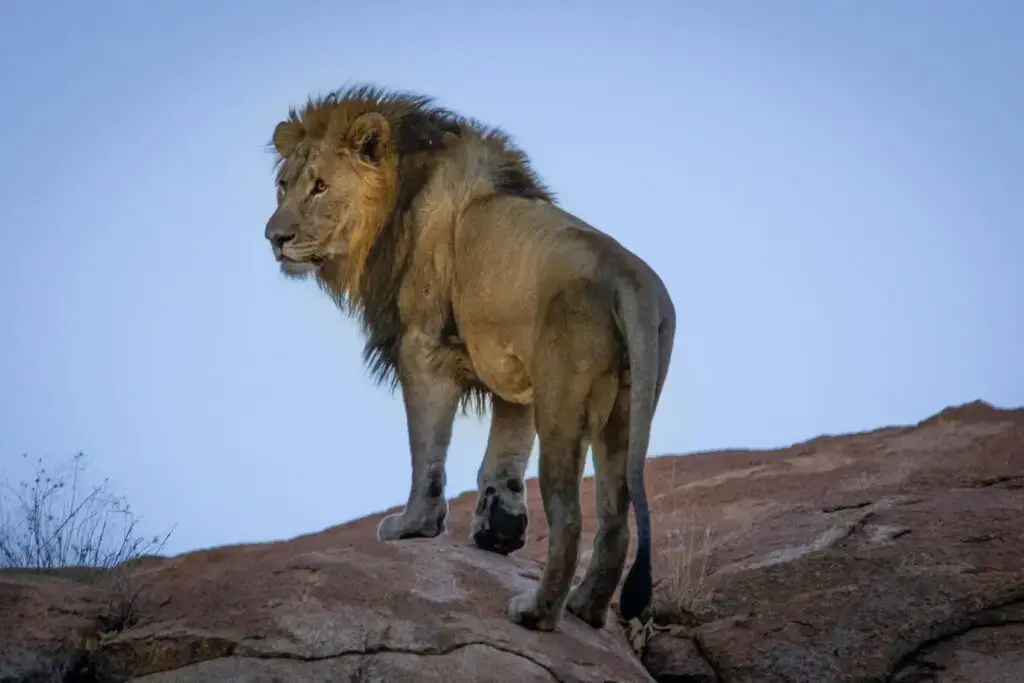
South Africa is one of the most extraordinary destinations on the planet because it contains entire worlds within one country. It is a place of:
towering mountains
ancient deserts
lush forests
iconic wildlife
dramatic coastlines
historic cities
warm communities
spiritual landscapes
creative energy
and deep emotional meaning
Every province feels like a different universe — from Kruger’s wildlife kingdom to Cape Town’s ocean-mountain beauty, from the Drakensberg’s misty peaks to the Kalahari’s red dunes, from the Wild Coast’s untouched shores to the Winelands’ peaceful valleys.
South Africa is beauty, culture, complexity and adventure — a place that stays in the heart long after the journey ends.
 Related Articles
- Kakslauttanen Arctic Resort
- Top 10 Most Unique Places to Stay in Europe
- 10 Incredible Castles Around the World