
🇪🇸 Complete Regional Overview
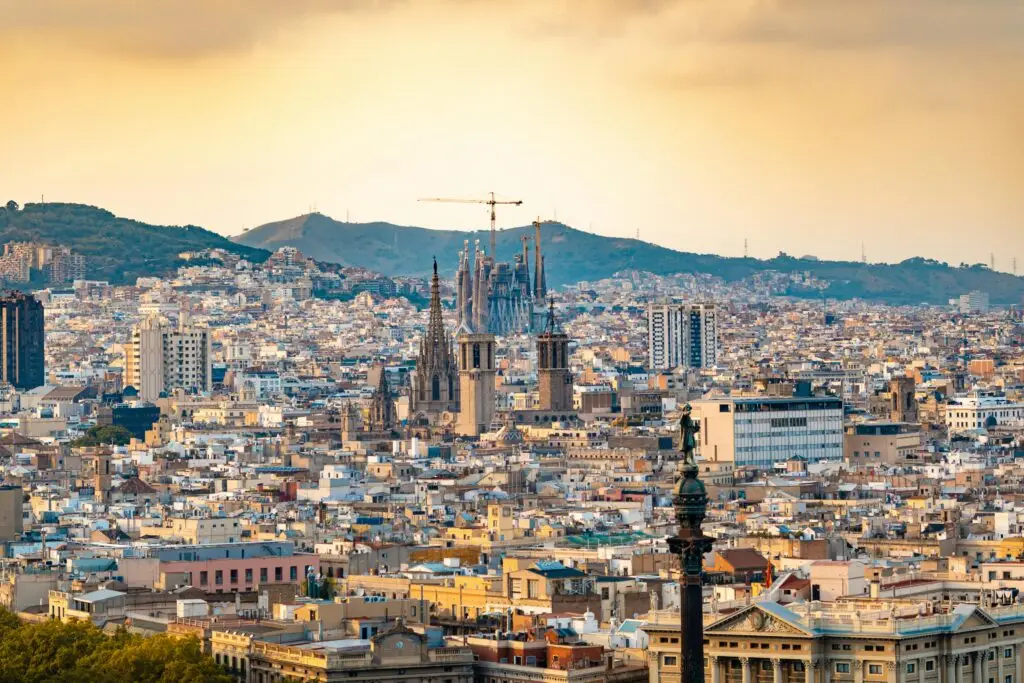
Spain is one of the world’s richest cultural landscapes — a country where ancient civilizations, sea-faring empires, mountains, deserts, volcanic islands, and Mediterranean shores converge into an extraordinary mosaic of history, food, language, art, and nature. Stretching across the Iberian Peninsula and extending into the Canary and Balearic Islands, Spain offers an experience that is both intensely regional and unmistakably unified. Every part of Spain has its own personality: different languages, foods, festivals, and traditions — yet together they form a nation full of creativity, energy, and depth.
Traveling through Spain feels like traveling through many countries at once. One moment you are standing beneath Gaudí’s dreamlike architecture in Barcelona; the next, lost in the medieval soul of Toledo or the Moorish patios of Córdoba. In the north, green mountains plunge into the Atlantic; in the south, deserts and golden plains shimmer beneath relentless sun. The rhythm of life shifts constantly — from the slow afternoons of Andalusian villages to the stylish evenings of Madrid, from the fishing ports of Galicia to the volcanic shores of Tenerife.
Even first-time visitors notice how fiercely regional Spain is. People identify not only as Spanish but as Basque, Catalan, Galician, Andalusian, Valencian, Castilian, or Canarian. Each region has its own artistic legacy, culinary identity, historical memories, dances, and ways of life. This colorful patchwork is what makes Spain endlessly fascinating and deeply rewarding to explore.
Spain is a land of strong emotion. Flamenco expresses sorrow and joy with piercing intensity. Festivities transform quiet towns into seas of movement, music, and devotion. Religious pilgrimages such as the Camino de Santiago send travelers walking for weeks through ancient villages and wild landscapes. Food is a social ritual — meant to be shared, savored slowly, and accompanied by laughter and wine. Even the schedule reflects a philosophy of living fully and resting well: late dinners, late nightlife, and quiet siesta hours.
What we love most about Spain is how human it feels. Even in major cities, life spills onto the streets — conversations flow through plazas, cafés hum until late, and every neighborhood has its own pulse. There is intimacy here, a warmth that is immediate and unforced.
This page will introduce Spain’s regions one by one, giving each enough depth that you can later turn them into standalone sub-pages. We will describe their landscapes, culture, cities, foods, and atmosphere — helping readers understand how vast and diverse Spain truly is.
Major Geographic Regions of Spain
Spain can be thought of in seven large regions, each with its own internal subdivisions:
- Northern Spain
Galicia, Asturias, Cantabria, Basque Country, Navarra, La Rioja, northern Castilla y León - Eastern Spain
Catalonia, Valencia, Murcia, Balearic Islands - Central Spain
Madrid, Castilla-La Mancha, most of Castilla y León - Southern Spain (Andalusia)
Andalucía - Western Spain
Extremadura + western Castilla y León - The Islands
Canary Islands + Balearic Islands - Ceuta & Melilla
Spanish autonomous cities in North Africa
Below, we begin with a deep overview of each region.
(Individual major sub-regions — e.g., Andalusia’s provinces, or Catalonia’s Costa Brava — will be expanded later in this document.)
Northern Spain — Green, Atlantic, Wild, Cultural
Northern Spain feels unlike anywhere else in the country. Instead of the sun-baked plains that many associate with Spain, the north is lush, mountainous, and wind-swept. The Atlantic Ocean shapes its temperament — misty mornings, wild cliffs, and powerful waves crashing onto dramatic shores. Dense forests line mountain slopes, and villages huddle between deep valleys carved by rivers.
Life here feels slower, rural, connected deeply to land and sea. The cuisine is legendary, rooted in produce of extraordinary quality: fresh seafood, grass-fed meats, cider, local cheeses, wild mushrooms, peppers, and wines that express the mineral soul of the landscape. Northern Spain is also spiritual — the Camino de Santiago leads thousands of pilgrims every year toward Galicia, tracing ancient footsteps through medieval towns.
Northern Spain includes several unique regions: Galicia, Asturias, Cantabria, Basque Country, Navarra, La Rioja, and northern Castilla y León. Each deserves its own page, but here are their shared characteristics: green mountains, stone villages, deep history, Celtic echoes, Romanesque churches, and a weathered beauty that evokes Ireland, France, and an older Spain that still preserves its ancient memory.
Below we explore each sub-region in depth.
Galicia
Galicia sits at the northwestern corner of Spain, facing the Atlantic. It feels like the end of the world — cliffs plunging into ocean, lighthouses battling the wind, ancient fishing ports braving storms. The region is green, rugged, and deeply spiritual. Rain falls often; mist hangs over forests; and everything grows with rich intensity.
Galicia has its own language — Galego, closer to Portuguese than Spanish — and its own mythology full of witches, ghosts, and pagan echoes blended with Catholic tradition. Villages contain hórreos, stone or wooden granaries raised on pillars, symbols of Galicia’s ancient agricultural culture.
The city of Santiago de Compostela is Galicia’s heart — the end of the Camino. Pilgrims arrive after weeks or months of walking, entering the grand square before the cathedral, exhausted yet triumphant. The atmosphere here is emotional, spiritual, and universal. Cobblestone streets hold centuries of stories; stone walls darkened by rain feel timeless.
Galicia’s coastline, A Costa da Morte (The Coast of Death), is raw and dramatic. Lighthouses stand vigilant over treacherous waters. Fishing villages like Muxía and Finisterre seem as though they exist at the boundary between this world and another. Inland, forests and rivers create deep tranquility. The region is dotted with monasteries, Celtic ruins, medieval bridges, and waterfalls.
This land feels ancient; its soul is the ocean.
Asturias
Asturias is one of Spain’s best-kept secrets — mountains, beaches, forests, and rural villages wrapped in quiet beauty. The Picos de Europa, a spectacular limestone range rising dramatically from verdant valleys, is one of Spain’s greatest natural wonders. Peaks here feel alpine, yet the sea is never far away. The contrast is striking: turquoise coves at the coast, jagged mountains inland.
Asturias has preserved its identity fiercely. The people are warm but proud; traditions remain alive. Sidra — fermented apple cider — is poured theatrically from high above the glass in cider houses across the region. Small stone villages dot the hills, their houses decorated with carved balconies and surrounded by grassy meadows where cows graze beneath snow-capped peaks.
The Sanctuary of Covadonga, nestled at the foot of the mountains, is steeped in Spanish history. It marks the beginning of Christian resistance against Moorish rule, a symbolic birthplace of the Reconquista. Above it lie the Lakes of Covadonga — high alpine lakes surrounded by rolling pastures where wild horses graze.
The Asturian coast is stunning — small sandy beaches tucked between cliffs, waves pounding rocks, and villages like Llanes and Ribadesella filled with maritime charm.
Asturias is nature at its purest.
Cantabria
Cantabria, between Asturias and Basque Country, blends rugged coastline with gentle farmland. The prehistoric cave of Altamira, with paintings over 15,000 years old, reveals some of Europe’s greatest Paleolithic art — bison, horses, and deer drawn with extraordinary mastery.
The capital, Santander, curves elegantly around a bay, lined with beaches and Belle-Époque architecture. Inland, the Cantabrian Mountains rise — forests, limestone peaks, and remote villages.
Cantabria feels intimate, green, and ancient.
Basque Country (Euskadi)
The Basque Country is unlike any other place in Spain — fiercely proud, culturally distinct, and visually dramatic. The Basque identity runs deep: a mysterious ancient language (Euskera) unrelated to any other tongue in the world; a unique mythology; a cuisine that has become one of Europe’s finest; and a sense of independence visible in daily life.
The land itself feels powerful: jagged mountains fall steeply into the Cantabrian Sea; fishing villages cling to rocky coves; and green pastures fold between forested hills. The coastline shifts from peaceful beaches to raw cliffs within minutes, creating a landscape that commands attention.
Cities
Bilbao — once an industrial riverport — has reinvented itself as a modern cultural capital. The Guggenheim Museum, with its titanium curves, stands like a shimmering sculpture beside the river. Yet beyond its contemporary architecture, Bilbao remains deeply Basque — pintxo bars, traditional markets, and neighborhoods where Basque language and customs thrive.
San Sebastián (Donostia) is elegance and ocean breeze — a city where Belle-Époque architecture frames one of Europe’s most beautiful urban beaches, La Concha. Food here is transcendent: pintxo bars line Old Town streets, each dish immaculate in flavor and craft. The city holds more Michelin-star restaurants per capita than almost anywhere in Europe, yet its soul lies in simple perfection — fresh seafood, txakoli wine, and evenings wandering from bar to bar.
Culture & Landscape
The Basques have a mountain culture rooted in shepherding, woodcraft, and rural farming. Old farmhouses (caseríos) dot hillsides; cider houses serve traditional meals; and mythological figures — like Mari, the earth goddess — still appear in folk stories.
Basque Country feels both ancient and modern; sophisticated yet rustic. The atmosphere is serious yet deeply communal. It is a region of strength, intellect, art, and culinary mastery.
Navarra
Navarra bridges the green north and the dry lands of central Spain. This historic region was once an independent kingdom — its identity still shaped by medieval borders and the royal heritage of Pamplona.
Pamplona
Pamplona is famous worldwide for the Running of the Bulls (San Fermín) — a festival that transforms the city into a tide of white and red, pulsing with adrenaline. Yet outside festival season, Pamplona is elegant: stone walls, leafy parks, old monasteries, and a charming historic core.
Navarra is deeply linked to the Camino de Santiago, with pilgrims crossing its rugged foothills and ancient bridges. The route adds an atmosphere of spiritual travel; every day, pilgrims walk quietly through villages that have supported travelers for a thousand years.
Landscape
To the north, Navarra is mountainous — green valleys, beech forests, rivers tumbling through stone gorges. To the south lies one of Spain’s most striking desert landscapes: Bardenas Reales, a semi-arid plateau of clay and sandstone that looks like another planet — sculpted towers, canyons, shifting golds and reds.
Navarra blends contrasts — spiritual path and fierce festival, mountain lushness and desert silence.
La Rioja
La Rioja is a land of vineyards framed by mountains — rolling hills striped with vines that turn gold and crimson in autumn. It is Spain’s most famous wine region, but it is also peaceful, rural, and deeply historical.
Stone villages and monasteries rise from hillsides; ancient cellars tunnel beneath towns. The pilgrimage route to Santiago passes here, linking wine with spiritual travel.
Rioja is divided into three sub-regions — Alta, Alavesa, and Oriental — each with different altitudes, soil types, and traditions. The result is remarkable diversity in local wines.
Beyond wine, La Rioja holds medieval monasteries like San Millán de la Cogolla — the birthplace of written Spanish. Hills rise along the Ebro River, while fields and orchards fill the valley floor.
La Rioja is warmth, quiet, autumn sunlight.
Northern Castilla y León
Although part of Spain’s largest region, the northern belt of Castilla y León deserves separate recognition because of its overlap with the “Green Spain” spirit.
This area includes:
- León
- Palencia
- Burgos
- Soria
These provinces are marked by Romanesque churches, vast cathedrals, pilgrimage paths, medieval towns, and golden farm plains. The Meseta begins here — the high Castilian plateau — but northern mountains and river valleys soften the landscape.
León, a cradle of Spanish Christianity, has a cathedral that dazzles with stained glass. Burgos is solemn, powerful — birthplace of the Cid, with a Gothic cathedral towering above stone streets.
Roman heritage lives in bridges, roads, and ghost towns. Wheat fields, open skies, and fortified villages create a quiet, contemplative environment.
This part of Spain feels introspective — grand in silence, monumental in memory.
Eastern Spain — Mediterranean Sunshine, Creativity & Coastlines
Eastern Spain feels warm, expressive, and Mediterranean. The sea shapes daily life; cities breathe culture; and villages stretch along coves and beaches. Yet inland, rugged peaks and medieval towns balance coastal lightness with deep history.
Eastern Spain includes:
- Catalonia
- Valencia (Comunidad Valenciana)
- Murcia
- Balearic Islands
Here, cuisine embracing seafood, rice, citrus, olive oil, almonds, and fresh herbs dominates. Landscapes move from turquoise bays to terraced vineyards, volcanic cliffs, and inland mountains filled with silence. This region balances coastal pleasure with cultural intensity.
Catalonia (Catalunya)
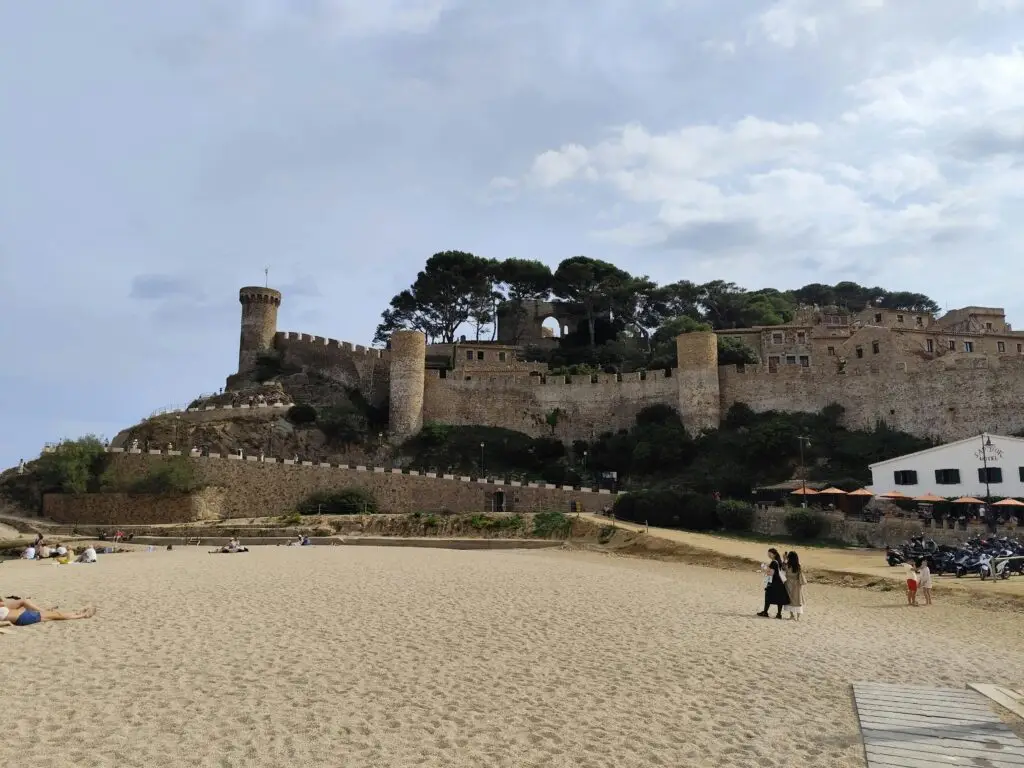
Catalonia is one of Spain’s most culturally distinctive regions — with its own language (Català), literature, folk traditions, and strong sense of identity. It blends Mediterranean ease with urban innovation, and ancient monasteries with avant-garde art.
Barcelona
Barcelona is Catalonia’s beating heart — a city of color, creativity, and seaside energy. Gaudí’s architecture appears like a dream made of stone: Sagrada Família rising like a sacred forest; Park Güell spilling across hillsides. Barceloneta Beach curves along the sea; the Gothic Quarter twists through medieval alleys; Montjuïc rises with gardens and museums.
Barcelona vibrates — art, food, nightlife, design. Yet beyond its energy lies elegance: leafy boulevards, quiet plazas, old markets full of seafood and produce.
The Costa Brava
North of Barcelona lies the Costa Brava, one of Spain’s most beautiful coasts — rocky headlands, turquoise coves, pine forests, and fishing villages like Cadaqués and Tossa de Mar. Salvador Dalí lived and dreamed in this landscape; his surrealist visions seem shaped by these cliffs and seas.
Catalan Countryside
Inland, Catalonia becomes very different — volcanic plateaus, medieval stone villages, Romanesque churches, and vineyards. The region of Priorat produces world-class wine from slate soil, surrounded by terraced hills.
The Pyrenees of Catalonia hold ski towns, lakes, and remote Romanesque monasteries — a quieter world far from the coast.
Identity
Catalonia is proud, intellectual, cultural. You feel its self-confidence in language, cuisine, and politics. It is at once Mediterranean, European, and uniquely itself.
Valencia (Comunidad Valenciana)
Valencia feels bright, celebratory, and flavorful — sea breeze, orange blossom, rice fields, sand-lined beaches.
Valencia City
The capital balances futuristic architecture — the City of Arts and Sciences — with historic quarters full of markets, Gothic towers, and tree-lined squares. The atmosphere feels warmer and more relaxed than Barcelona: a place of simple pleasures done beautifully.
Costa Blanca
South of Valencia lies the Costa Blanca — white-sand beaches, turquoise seas, and cliffs. Inland, terraced hills host small villages with Moorish roots.
Albufera
Just outside Valencia, the Albufera freshwater lagoon supports rice fields. This is the birthplace of paella — rice, saffron, and the spirit of the Mediterranean.
Castellón & Mountains
Northward, rugged mountains and quiet beaches offer space away from crowds. Medieval villages cling to rocky slopes, shaded by pines.
Valencia is sunlight, citrus, and the sea — cheerful and deeply Mediterranean.
Murcia
Murcia is drier, earthier, quieter. The landscape becomes semi-desert, but fertile river valleys produce excellent fruit, vegetables, and wines. The city of Murcia has a relaxed, southern atmosphere — baroque churches, leafy plazas, outdoor dining.
The coast — Costa Cálida — mixes calm coves with the inland sea of Mar Menor. Mountains just inland offer hiking and small rural villages.
Murcia feels traditional, agricultural, and warm.
Balearic Islands
(Mallorca, Menorca, Ibiza, Formentera)
The Balearic Islands combine Mediterranean clarity — turquoise water, pine forests, limestone cliffs — with rich cultural history.
We will detail them later, but in short:
- Mallorca — mountains + turquoise beaches + elegant towns
- Menorca — quiet, natural, prehistoric sites
- Ibiza — nightlife + hidden coves + whitewashed villages
- Formentera — barefoot paradise, shallow seas
The Balearics are diverse, beautiful, and full of light.
CENTRAL SPAIN — Castles, Vast Horizons & the Beating Heart of the Nation
Central Spain is the soul of Spanish history: a landscape of grand plateaus, medieval fortresses, quiet villages, and literary legends. It is a land of huge skies and golden plains, where horizons stretch endlessly and summer heat bakes the earth into shimmering stillness. Much of Spain’s political identity, classical art, and language radiates from here — especially from Madrid, the capital.
Here, cities rise like monuments — Toledo, Segovia, Ávila — stone silhouettes surrounded by wheat fields and centuries of memory. This is Spain of knights and kings, of Spanish literature, of Roman aqueducts and cathedrals glowing at sunset. Yet it is also a Spain of rural solitude, where shepherds guide flocks across dusty hills.
Central Spain includes:
- Madrid
- Castilla-La Mancha
- Much of Castilla y León
It is a place where the past feels intact — not preserved as museum, but lived quietly, daily.
Madrid — The Vibrant Capital
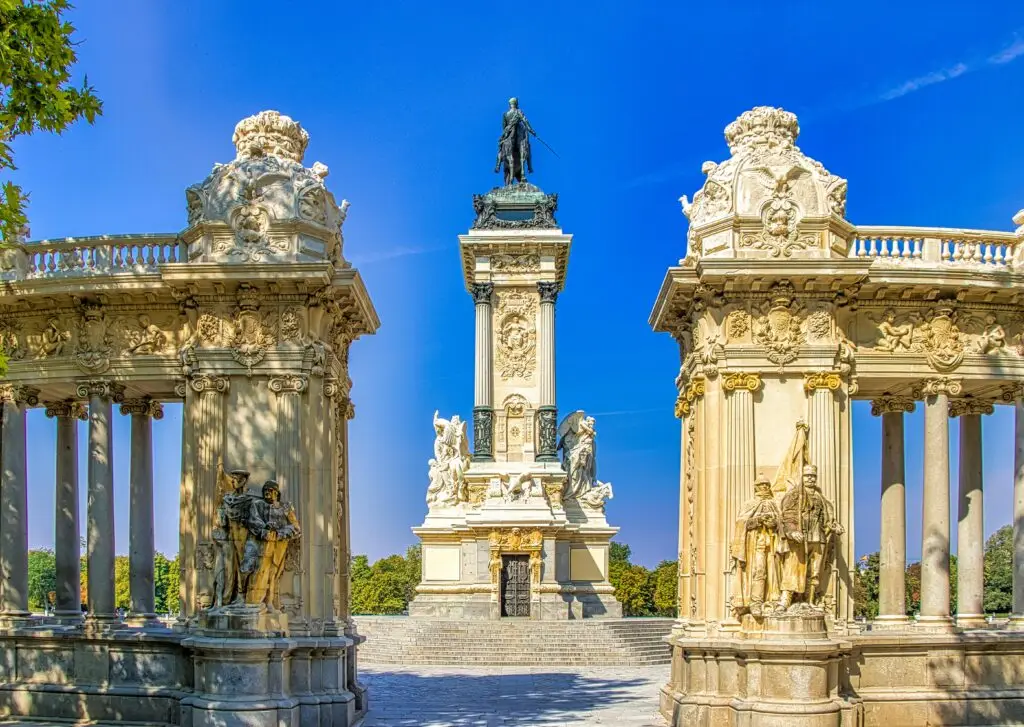
Madrid is Spain’s center of gravity — a city of art, elegance, late nights, and everyday life unfolding on grand boulevards and tiny neighborhood taverns. It does not overwhelm with a single image but wins you gradually, through energy, warmth, and constant movement.
The city’s great art museums — Prado, Reina Sofía, Thyssen-Bornemisza — form one of the richest cultural triangles in the world. Between them, the heart of Western art beats: Velázquez, Goya, Picasso, El Greco, and more. These collections feel alive; Spain’s emotional intensity is visible in every canvas.
Madrid’s public spaces show its grandeur — Plaza Mayor, Puerta del Sol, and the grand Royal Palace overlooking the Cathedral. But its heartbeat lies elsewhere: in Malasaña’s small bars, in La Latina’s tapas trails, in Retiro Park where families stroll beneath plane trees and sun glints on the lake.
Even late at night, Madrid feels awake. People fill plazas talking, eating, laughing until early morning. The city feels safe, open, endlessly social.
Madrid is exuberance and culture, daily routine and spectacle — a place that embraces you effortlessly.
Castilla-La Mancha — Don Quixote’s Windmills & Silent Plains
South of Madrid spreads Castilla-La Mancha, a region tied forever to Don Quixote, whose windmills still turn slowly above wheat fields. The land is wide and quiet: rolling plains, vineyards, villages standing alone beneath vast skies. The summers are hot and harsh; winters cold; but the silence is beautiful.
Toledo
Toledo rises above the Tagus River like a vision — walls encircling a maze of stone alleys. Once home to Christians, Muslims, and Jews living together, Toledo became a crossroads of medieval art, scholarship, and spirituality. The Cathedral soars; synagogues preserve ornate carvings; mosques leave quiet courtyards. El Greco painted here, capturing Toledo’s dramatic essence in swirling skies.
La Mancha
Here, white windmills sit on rocky hills under blazing sunlight. Vineyards spread toward the horizon. The villages are simple; life feels authentic. The region’s food is rustic — bread, sheep’s cheese, stews — born of shepherding life.
Cuenca
Cuenca sits between deep gorges, houses hanging over cliffs like impossible creations. The old town feels carved into stone; bridges span chasms; art museums hide inside medieval buildings. Surrounding landscapes are stark yet poetic.
Castilla-La Mancha is quiet, reflective — a region where time stretches.
Castilla y León — A Kingdom of Stone & Wheat
Castilla y León, the largest region in Spain, holds some of its grandest medieval legacies: massive cathedrals, Romanesque churches, castles, monasteries, pilgrimage paths. The landscape is wide and golden; lonely hills dotted with fortress towers; ancient towns where centuries linger in narrow streets.
Segovia
Segovia’s Roman aqueduct is one of the world’s best-preserved — mighty granite arches marching across the city. The cathedral rises in Gothic grace; the Alcázar, a fairytale fortress, watches from its rocky spur. Evening light paints Segovia gold.
Ávila
Encircled by formidable stone walls, Ávila feels frozen in medieval time. The walls stand nearly untouched; towers cast long shadows; the old town holds monasteries and quiet plazas. It is serene, monumental.
León
León’s cathedral glows with stained glass — walls of light filtering colors onto stone floors. The city blends Roman roots with elegant streets and lively kitchens.
Salamanca
One of Spain’s great university cities, Salamanca radiates golden sandstone. The main square — Plaza Mayor — is one of Spain’s finest, glowing warmly at night. Students and scholars fill its streets; culture feels alive.
Burgos
Burgos, birthplace of El Cid, holds a cathedral so powerful it seems to float — Gothic elegance rising above sober stone streets.
Castilla y León is epic history — austere, monumental, unforgettable.
SOUTHERN SPAIN — Andalusian Soul, Sun & Moorish Memory
Southern Spain, especially Andalusia, evokes the classic Spanish imagination: flamenco rhythms, Moorish palaces, white-washed villages, olive groves rolling beneath sun-lit hills, and the spirit of celebration. This is a region shaped by centuries of Arab rule, Christian reconquest, and a climate that encourages outdoor life year-round.
Here, art and emotion intertwine. Flamenco expresses longing with fire; festivals flood streets with color; and daily routines revolve around food, family, and evening coolness. Andalusia feels like a world inside a world — vast, varied, and deeply alive.
Andalusia includes:
- Sevilla
- Córdoba
- Granada
- Málaga
- Cádiz
- Almería
- Jaén
- Huelva
Its landscapes cover deserts, snowy mountains, ocean coastlines, marshlands, and olive-rich plains.
Sevilla — Heartbeat of Andalusia
Sevilla is music, orange blossoms, golden stone, and warm nights. The city pulses with culture: flamenco born in its neighborhoods, Moorish gardens whispering stories, plazas alive until dawn.
The Alcázar is a masterpiece — courtyards, fountains, lace-like tile, carved wood. The cathedral — one of the world’s largest — rises beside the Giralda, once a minaret. The old Jewish quarter, Santa Cruz, weaves narrow alleys past white houses, jasmine scent floating through the air.
Sevilla feels festive always — people gather in the streets, bars buzz late, and the riverfront invites long walks. It is romantic, theatrical, and unforgettable.
Granada — At the Foot of the Alhambra
Granada rests beneath the Sierra Nevada, crowned by the Alhambra, Spain’s most enchanting palace. The Alhambra’s courtyards, reflecting pools, gardens, and carved stonework create a world of pure poetry. It is not just a building — it is a dream, suspended in time.
The Albaicín, a Moorish quarter on a hillside, holds steep alleys, white houses, and views of the Alhambra glowing at sunset. Flamenco echoes in Sacromonte’s caves. The city blends student energy, ancient memory, and mountain air.
Granada feels intimate — a city of longing and revelation.
Córdoba — The Soul of Al-Andalus
Córdoba holds one of humanity’s greatest monuments: the Mezquita — a mosque-cathedral where endless stone arches create an ocean of calm. Its red-white stripes feel hypnotic; sunlight slips through courtyards; columns rise like a forest. The Mezquita encapsulates Spain’s layered history — Islamic, Jewish, Christian — all intertwined.
The old town feels warm and fragrant; patios overflow with flowers; narrow lanes twist past white walls. Córdoba is both grand and gentle.
Málaga & the Costa del Sol
Málaga is artistic and relaxed — Picasso’s birthplace, a port city with golden beaches. The old fortresses, Alcazaba and Gibralfaro, overlook sea and city. Museums fill the center; restaurants open late; palm trees line the waterfront.
The wider Costa del Sol is popular for sun and sand, dotted with beach towns, marinas, and nightlife. Inland, mountains hide charming villages.
Cádiz — The Oldest City in the West
Cádiz sits on a thin peninsula surrounded by sea — a city of sailors, sunlight, and ancient origins. Narrow lanes open onto plazas where locals gather, and the ocean appears suddenly at the end of streets. The city feels salt-washed and musical.
Ronda & the White Villages
Inland Andalusia hides dramatic towns: Ronda, split by a deep gorge spanned by a massive bridge; and the Pueblos Blancos — white villages clinging to hillsides, glowing under fierce sunlight.
Almería & Jaén
Eastern Andalusia shifts toward desert landscapes — wild, cinematic, dotted with olive groves and quiet villages. Jaén is the heart of olive country; Almería holds stark beauty.
Southern Spain is emotion — history fused with sun.
WESTERN SPAIN — Quiet, Historic & Under-the-Radar
(Extremadura + Western Castilla y León)
Western Spain is one of the country’s least-visited areas, yet it holds some of Spain’s most beautiful medieval cities and untouched countryside. This is a land of oak forests, golden plains, Roman ruins, monasteries, and castles rising above rivers. Here, life feels slower; villages exist almost unchanged for centuries; and the food is rustic, earthy, and traditional.
It is a region suited to travelers who seek authenticity, history, and silence. You drive long distances through wide horizons, fields dotted with stone farmhouses, and shepherds leading flocks beneath cork oaks.
Extremadura — Rome, Stone & Quiet Majesty
Extremadura lies on the Portuguese border, a cultural crossroads historically influenced by conquest, pilgrimage, and agriculture. The region feels ancient — full of Roman ruins, medieval strongholds, and layers of history embedded in dusty gold light.
Mérida
Mérida is one of the most impressive Roman cities in Europe. The amphitheater, theater, temple, aqueduct, and bridges create a living museum of Rome’s imperial power on the Iberian Peninsula. The Roman theater is still used today — a surreal experience, watching modern performances in a 2,000-year-old structure.
Cáceres
Cáceres is astonishing: a perfectly preserved medieval city of stone palaces, towers, and fortified walls. Its quiet streets feel unchanged since the Middle Ages, where Gothic, Renaissance, and Moorish influences blend harmoniously.
Walking through Cáceres at night feels like stepping into a storybook — silence, warm lamplight, cobblestones, and hidden courtyards.
Trujillo
Trujillo rises on a granite hill—its medieval square framed by palaces, churches, and the equestrian statue of conquistador Francisco Pizarro. The town is tranquil, atmospheric, dramatic. From the castle, you can see plains stretching endlessly.
Landscape
Extremadura is full of rolling hills, cork oak forests, wildflowers in spring, and quiet rivers. It is a haven for birdwatchers — storks, vultures, and eagles nest throughout the region.
Identity
The region feels humble, grand, and authentic. Extremadura rewards slow travel — wandering plazas, drinking coffee under arcades, watching light change on stone.
Western Castilla y León
This portion of Castilla y León borders Portugal and Extremadura. It is less monumental than the northern section, but still holds wonderful towns, monasteries, and farmland.
Small cities like Zamora and Salamanca (already mentioned) shine with Romanesque churches and university history.
The landscape is calm, rural, and deeply traditional — the kind of Spain where time does not hurry.
THE ISLANDS — Atlantic Fire & Mediterranean Light
Spain’s islands lie in two distinct groups:
- Balearic Islands — Mediterranean
- Canary Islands — Atlantic, near Africa
The contrast between them is immense.
The Balearics evoke calm seas, pine forests, and Mediterranean stone;
The Canaries feel volcanic, dramatic, and wild.
Both groups deserve long sub-pages later.
The Canary Islands — Volcanic Worlds & Eternal Spring
The Canary Islands are like a continent in miniature — black volcanic deserts, pine forests, cliffs, beaches, ancient laurel rainforests, and high volcanic peaks. Although politically part of Spain, they lie just off the northwest coast of Africa, which gives them a subtropical climate with eternal spring.
Each island has a distinct personality.
Tenerife — Peaks Above the Clouds
Tenerife is the most diverse island:
- Mount Teide, one of the highest volcanoes in the world, rises above clouds like a sacred pyramid.
- Black lava fields stretch across Teide National Park — surreal, lunar.
- Laurel forests thrive in the Anaga Mountains, where mist curls around mossy trees.
The island blends beaches with dramatic nature, lively towns, and remote villages. You can be on a warm beach in the morning and above the clouds at Teide by afternoon.
Gran Canaria — Microcontinents
Gran Canaria contains desert dunes, pine forests, rugged mountains, and lush north-coast valleys.
The dunes of Maspalomas feel Saharan;
The interior villages like Tejeda are mountainous and quiet;
The capital, Las Palmas, blends beaches with colonial history.
Lanzarote — Volcanic Art
Lanzarote looks like Earth’s first days — black fields, craters, red cones.
Artist César Manrique shaped the island’s visual identity, building architecture that harmonizes with nature.
The landscape is stark, minimalist, hypnotic.
Fuerteventura — Wind & Sand
Endless beaches, turquoise water, golden dunes — Fuerteventura feels wild and open. The wind defines the island; surfers and kiteboarders arrive year-round. Inland, villages feel like desert outposts.
La Palma — “La Isla Bonita”
Lush forests, deep ravines, volcanic summits, and one of the best night skies in the world. La Palma is intimate, green, and beloved by hikers.
La Gomera & El Hierro
Quiet, remote, deeply natural.
La Gomera holds ancient laurel forests;
El Hierro is the most untouched — volcanic shelves, cliffs, peace.
Cultural Tone of the Canary Islands
The Canaries feel slower, relaxed, ocean-bound. Food is simple, volcanic in flavor — potatoes, fish, mojo sauces. The way of life feels different from mainland Spain: soft-spoken, calm, shaped by wind and sea.
The Balearic Islands — Mediterranean Fantasy
We introduced them earlier; here’s more depth.
Mallorca
Mallorca balances dramatic mountains, rural villages, and beach life.
The Serra de Tramuntana mountains create stone-terraced valleys and coastal cliffs — towns like Sóller, Deià, and Valldemossa feel timeless. Palma blends Gothic grandeur with seaside living.
Mallorca feels elegant, natural, golden in sunlight.
Menorca
Quiet, understated, family-oriented.
Beaches are pristine; farmland rolls softly; prehistoric stones dot the countryside.
Menorca feels peaceful, slow, authentic.
Ibiza
Famous for nightlife — but beyond clubs lies a world of pine forests, coves, and whitewashed villages. The north coast is calm, bohemian; the south is more glamorous.
Formentera
Pure relaxation — shallow turquoise waters, white sand, simple life.
Bicycles rather than cars; cafés rather than clubs.
It feels like a secret.
Ceuta & Melilla — Spain in Africa
Spain maintains two autonomous cities on the North African coast:
Ceuta and Melilla.
They are unique multicultural crossroads where European, Arab, Jewish, and Berber identities meet. Their architecture blends Spanish plazas with Moroccan motifs. The ports bustle; fortifications overlook the sea; and the atmosphere feels hybrid — neither fully European nor African, but fluid and layered.
These cities are gateways between continents — both historically strategic and culturally fascinating.
CULTURAL THEMES OF SPAIN
(Languages, Food, Festivals, Daily Life, Atmosphere)
Spain is more than geography — it is a rich cultural universe. To understand Spain deeply, you must look beyond its landscapes and explore the traditions, languages, celebrations, philosophies, and rhythms that define daily life.
Below, we dive into the cultural soul of Spain.
Languages — A Mosaic of Identity
Spain is multilingual. While Castilian Spanish is the national language, regional languages carry immense significance and emotional identity.
- Castilian (Español) — spoken everywhere
- Catalan (Català) — Catalonia, Valencia (as Valencian), Balearics
- Basque (Euskera) — Basque Country, parts of Navarra
- Galician (Galego) — Galicia
Each has its own literature, pronunciation, and cultural traditions. These languages are not dialects — they are unique linguistic systems with deep historical roots. Walking through Spain, you feel this variety: menus, street signs, and local conversations shift from region to region.
Language in Spain is not just communication; it is identity, pride, and memory.
Spanish Cuisine — Regional, Seasonal, Social
Food in Spain is not simply nourishment — it is a ritual. Spaniards gather around tables to share, talk, laugh, and linger. Meals stretch over time; conversations deepen; relationships strengthen. Food is communal.
Spain’s cuisine is intensely regional. Each place celebrates its own ingredients:
- North (Green Spain)
seafood, cheeses, cider, fresh produce - Catalonia
seafood + mountain flavors, olive oil, romesco - Valencia
rice traditions (paella) - Andalusia
olive oil, gazpacho, fried fish - Castile
roasted meats, hearty stews - Islands
potatoes, mojo sauces, fresh fish
Tapas culture allows for variety — small dishes shared across the table. In the north, pintxos crown every counter like edible jewels; in the south, fried fish and gazpacho refresh hot afternoons.
Spanish cuisine is grounded in simplicity — using the best ingredients and letting them speak.
Markets are central: lively halls of fish, jamón, bread, fruit, vegetables — buzzing with life. Even supermarkets carry exceptional olive oils, cheeses, seafood, and wines.
Food forms memory here — a link between land and friendship.
Wine & Olive Oil — The Earth in a Glass
Spain is one of the world’s great wine producers — Rioja, Ribera del Duero, Priorat, Rías Baixas, Jumilla, and many more. Wine is not luxury — it is daily, natural, part of culture. Each region has varieties expressing its soil, climate, and history.
Olive oil is equally essential — especially in Andalusia and Castilla-La Mancha, where groves stretch to the horizon. The oil varies from peppery to fruity, anchoring both cooking and identity.
Wine and olive oil express Spain’s land, climate, and culture — quietly, deeply.
Festivals — Spain at Full Volume
Spain celebrates with passion. Festivals transform towns into waves of music, color, and ritual. Many festivals have religious roots, but today they are as much cultural as spiritual.
Some are majestic; others chaotic; all are unforgettable.
- Semana Santa (Holy Week) — solemn processions
- Fallas (Valencia) — enormous sculptures burned in spectacular fire
- San Fermín (Pamplona) — Running of the Bulls
- Feria de Abril (Seville) — flamenco, horses, tents, celebration
- La Tomatina (Buñol) — wild tomato battle
- Carnival (Cádiz, Tenerife) — masks, music, satire
Even small villages host yearly fiestas — local saints, music, and food unite communities. These celebrations reveal Spain’s emotional depth — joyful, spiritual, communal.
Flamenco — Emotion in Motion
Flamenco is not just dance — it is a language of emotion, born in Andalusia from diverse cultural roots. It expresses sorrow, joy, longing, and passion through music, voice (cante), guitar (toque), and dance (baile).
A flamenco performance feels raw — like emotion poured straight from the heart. The intensity can be overwhelming: voices cry, feet stamp, hands clap, and silence becomes part of the art. Even if you do not understand the lyrics, you feel the truth.
Flamenco is Spain’s deepest cry — fierce, fragile, unforgettable.
Architecture — Stone That Speaks
Spain holds extraordinary architectural variety:
- Prehistoric & Roman — caves, aqueducts, theaters
- Moorish (Al-Andalus) — Alhambra, Mezquita, palaces, patios
- Romanesque & Gothic — cathedrals, monasteries, castles
- Renaissance & Baroque — plazas, palaces, churches
- Modernisme (Catalan Modernism) — Gaudí & contemporaries
- Contemporary Innovation — Bilbao’s Guggenheim, bold museums
Few countries hold such diversity so harmoniously. Stone becomes storyteller; cities become timelines.
Art — Color, Spirituality & Genius
Spain has produced countless artistic giants:
- El Greco
- Velázquez
- Goya
- Picasso
- Miró
- Dalí
Their works explore spirituality, politics, imagination, pain, and freedom. Museums across Spain reveal this legacy — not as distant history but as present force.
The Spanish Rhythm — Slow, Social & Alive
Life in Spain flows differently.
- People eat late
- Streets stay alive at night
- Meals are social
- Work-life balance values rest
- Siesta culture still survives
Happiness is not rushed; pleasure is allowed. Time stretches to include conversation, sunset, wine, and music.
While cities move quickly during the workday, evenings belong to people. Plazas fill; terraces buzz; children play outside until late. Life is public.
This rhythm is one of Spain’s greatest gifts.
THE SPANISH TRAVEL EXPERIENCE
Traveling Spain feels immersive, sensory, and emotional. The country invites you to experience, not just observe.
Below are some defining impressions.
Contrast & Variety
Spain is astonishingly varied:
- Atlantic cliffs → Mediterranean beaches
- Snowy peaks → desert landscapes
- Medieval towns → modernist cities
- Quiet villages → electrifying festivals
You can ski in the morning and swim in the afternoon. Every region feels like a different country.
People & Atmosphere
Spaniards are warm, direct, humorous. Social life lives outdoors — plazas, cafés, promenades. Conversations feel genuine; hospitality feels natural.
Life is savored.
History Alive
Spain’s past is not hidden behind ropes — it lives in daily life. Cathedrals are still used, castles still tower over towns, old quarters remain lived-in and active. History feels real because it still breathes.
Emotion Everywhere
Spain feels emotional — intense in art, music, food, and celebration. This intensity does not feel dramatic; it feels honest. Spain embraces feeling rather than masking it.
FINAL THOUGHTS — Why Spain Stays With You
Spain is not just a destination — it is a living experience. It is a blend of emotion, art, food, landscape, and memory. It is a place where the soul feels awake.
You arrive curious; you leave changed.
It offers:
- Beauty without pretense
- History without stiffness
- Culture without walls
- Food without complication
- Warmth without effort
In Spain, life feels full. Days stretch; nights open; friendships begin; landscapes stay with you long after you leave.
The country invites you to slow down — to taste olive oil slowly, to talk for hours in a plaza, to walk ancient streets without a plan, to let the sun and sea and wind guide your thoughts.
Spain is generous.
It gives more than you expect.
It lingers in your heart, quietly, powerfully.
And above all:
Spain makes you feel alive.
 Related Articles
- Kakslauttanen Arctic Resort
- Top 10 Most Unique Places to Stay in Europe
- 10 Incredible Castles Around the World