
🇹🇿 TANZANIA TRAVEL GUIDE
Tanzania is one of Africa’s greatest treasures — a country of overwhelming beauty, ancient landscapes, powerful wildlife encounters, tropical islands, cultures shaped over centuries and a deep sense of warmth and hospitality that makes every traveler feel instantly welcome. Stretching from the endless plains of the Serengeti to the snowcapped peak of Mount Kilimanjaro, from the turquoise waters of Zanzibar to the dramatic escarpments of the Great Rift Valley, Tanzania is a land defined by contrast, diversity and raw natural wonder. It is a destination where nature dominates the horizon, where villages preserve centuries-old traditions, where wildlife roams freely across massive ecosystems, and where the rhythm of life moves slowly under the African sun.
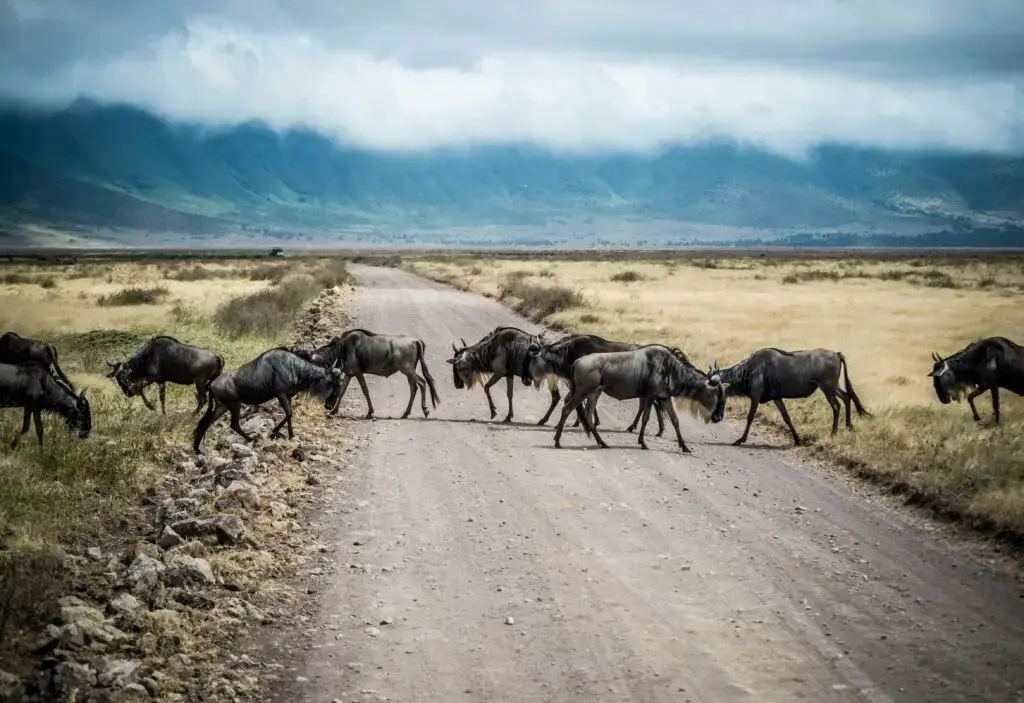
Tanzania’s landscapes feel almost cinematic in scale. The Serengeti is a sea of golden grasslands that extends endlessly in every direction. Here, millions of wildebeest migrate across the plains each year in one of the greatest wildlife spectacles on Earth, followed closely by zebras, gazelles and predators like lions, cheetahs and hyenas. The Ngorongoro Crater plunges deep into the earth like an enormous natural amphitheater, filled with lakes, forests, open plains and thousands of animals that live within its circular walls. In the distant north, Mount Kilimanjaro rises like a dream, its summit dusted with ice above a patchwork of rainforests, moorlands and alpine desert.
To the east lies the Indian Ocean, warm and clear, its coastline lined with palm trees, fishing villages and long white beaches. Zanzibar, the island of spices, dhows, history and coral reefs, offers a tropical world of turquoise lagoons, coconut groves, aromatic markets and winding Stone Town alleys. Offshore islands like Pemba and Mafia provide untouched diving sites and secluded beaches where time seems to stand still. Tanzania’s coasts are not merely beautiful; they are culturally rich, shaped by centuries of African, Arabian, Persian and Indian influences that created Swahili civilization.
But Tanzania is not defined only by landscapes — its people and cultures are equally mesmerizing. The country is home to more than 120 ethnic groups, each with its own language, art, traditions and way of life. In the north, the Maasai continue their pastoral lifestyle, dressed in bright shukas and adorned with intricate beadwork. In the coastal cities, Swahili culture thrives with its poetry, food, music and Islamic heritage. Inland communities such as the Iraqw, Chagga, Sukuma and Barabaig maintain rituals and customs rooted in ancient life. Across Tanzania, hospitality is a core value — people welcome visitors with warmth, curiosity and genuine kindness.
Tanzania is a country that feels alive, wild, authentic and deeply soulful. It is a place where the earth still breathes in its natural rhythm, where animals move freely, where mountains tell ancient stories and where the ocean whispers against palm-lined shores. Every journey through Tanzania reveals a different world, and yet all these worlds feel connected by a sense of profound beauty and timelessness.
Serengeti National Park: The Endless Plains of Life and Movement
The Serengeti is one of the most iconic and beloved wildlife destinations on Earth — a vast and ancient ecosystem where the horizon stretches endlessly, where the sky feels impossensely wide, and where life unfolds in rhythms that have remained unchanged for millennia. The name “Serengeti” comes from the Maasai word siringet, meaning “the place where the land runs forever,” and that is exactly how it feels: a boundless expanse of golden savanna dotted with acacia trees, rolling hills, kopjes and open skies.
The Serengeti is home to the Great Migration, the largest movement of land animals on the planet. Over a million wildebeest, accompanied by hundreds of thousands of zebras and gazelles, travel in a circular pattern driven by rain, grass growth and ancient instincts. When you see the migration stretched across the plains — animals moving in vast lines that disappear into the horizon — it feels like witnessing the pulse of the earth itself.
Predators follow this natural abundance. Lions, strong and powerful, rest on grassy mounds or atop warm granite kopjes, scanning the herds below. Cheetahs patrol the open plains, their sleek bodies built for speed and precision. Leopards hide in acacia branches, observing quietly with sharp yellow eyes. Hyenas and jackals move in fluid patterns, their movements part coordinated family teamwork, part instinctive patience.
The Serengeti changes with the seasons. In the dry months, the grass is short and golden, the air crisp, and visibility stretches endlessly. The sunsets cast orange and red hues across the plains, while nights fill with the sounds of distant roars, chirping insects and the gentle rustling of the wind. In the rainy season, the plains turn fresh and green, flowers bloom, and newborn animals wobble beside their mothers, discovering the world.
The northern Serengeti is more rugged, defined by rocky outcrops, thick vegetation and the Mara River, where crocodiles lurk beneath the surface. The river crossings — when wildebeest leap into the swirling water in chaotic, dramatic waves — are one of the most thrilling events in the natural world. The courage, confusion and urgency of these crossings embody the raw survival that makes the Serengeti so emotionally powerful.
The central Serengeti blends open plains with savanna woodlands, offering incredible chances to observe predators. The southern plains, meanwhile, become nurseries during calving season, when hundreds of thousands of wildebeest give birth within a few weeks, attracting intense predator activity.
Every corner of the Serengeti carries its own atmosphere, yet all share the same sense of vastness, rhythm and untouched natural beauty. This park is not just a place; it is a living planet.
Ngorongoro Crater: A Lost World of Wildlife and Ancient Beauty
The Ngorongoro Crater is one of the most extraordinary natural wonders in Africa — a massive volcanic caldera that forms a self-contained world filled with diverse habitats and incredible concentrations of wildlife. Over 2 million years ago, a giant volcano collapsed, leaving behind a circular basin 20 kilometers wide and surrounded by steep cliffs that rise like a wall around the crater floor. Entering Ngorongoro feels like descending into another universe, a hidden bowl of life shielded from the outside world.
As you drive along the crater rim, the view is breathtaking: an enormous expanse of grasslands, lakes, forests and swamps stretches out below like a natural amphitheater. The light reflects off Lake Magadi, a shallow soda lake frequented by flamingos that turn the shoreline pink. The crater floor glows golden in the morning sun, and shadows from the crater walls create an atmosphere that feels ancient and sacred.
Inside the crater, wildlife thrives in extraordinary density. Large herds of zebras and wildebeest graze under the watchful eyes of lions, which are commonly seen lounging in the grass or hiding beneath shade trees. Elephants — particularly old bulls with massive tusks — roam the forests and swamps. Black rhinos, one of Africa’s rarest animals, find refuge here in the protected landscape, making Ngorongoro one of the best places in the world to observe them.
The Lerai Forest provides habitat for monkeys, buffalo, bushbucks and leopard. The Gorigor Swamp is home to hippos wallowing in quiet pools and elephants sweeping their trunks through reeds. Hyenas wander across the grasslands in tight clans. The crater floor feels like a miniature version of a complete African ecosystem, compressed into one breathtaking location.
But Ngorongoro is not only defined by wildlife. It also holds deep archaeological and cultural significance. Nearby lies Olduvai Gorge, where some of the earliest human remains were discovered, linking Tanzania to the origins of humankind. Maasai communities live around the crater and graze cattle along the slopes, maintaining traditions that have lasted for centuries. Their presence coexists with the wildlife, creating a landscape shaped by both nature and culture.
Ngorongoro is a place of silence, beauty and connectedness — a world frozen in time, where every sunrise feels like the beginning of life on Earth.
Mount Kilimanjaro: Africa’s Highest Peak and a Realm of Sky and Ice
Mount Kilimanjaro rises above the plains of northern Tanzania like a dream, a solitary giant with snowcapped peaks floating above clouds. At 5,895 meters, it is the highest mountain in Africa and one of the most iconic silhouettes on the continent. What makes Kilimanjaro so unique is not only its height, but the dramatic contrast between its tropical base and its icy summit. It is a mountain that stands alone — not part of a range — and therefore dominates the horizon with a sense of power and mystery.
The slopes of Kilimanjaro move through several climate zones, each with its own atmosphere, plants and light. The base of the mountain is covered in farmland, banana plantations and small villages belonging to the Chagga people. As you ascend, thick rainforests take over, filled with moss-covered trees, monkeys, birds and damp mist that clings to the green canopy. Higher still, the forest gives way to moorland — giant heathers, grasses and unusual plants like the giant groundsel that look almost prehistoric under the clear sky.
Above the moorlands, the air becomes thin and the landscape transforms into alpine desert. Rocks, ash, sand and volcanic formations dominate the view, and the temperature drops sharply. The final stretch to the summit passes through ice fields, glaciers and a world of silence where only the crunch of snow under your boots breaks the stillness. When you reach Uhuru Peak at sunrise, the world looks endless. The sky glows pink, clouds swirl below you, and the glaciers shine in the early light. It is a moment people remember for a lifetime.
Even for travelers who do not climb, Kilimanjaro shapes the identity of northern Tanzania. It is visible from large distances, often rising through morning mist like a sacred monument. Its slopes host wildlife, farms and forests that support communities who have lived in harmony with the mountain for generations. The Chagga culture thrives here, built on agricultural traditions, coffee production and strong family ties. The mountain is woven into their stories, songs and rituals.
Kilimanjaro represents both physical and emotional beauty — a place of adventure, spirituality, challenge and awe. Seeing it up close, even from the foothills, makes you feel small in the best way imaginable.
Zanzibar: The Spice Island of Turquoise Seas, Coral Sands and Ancient Stories
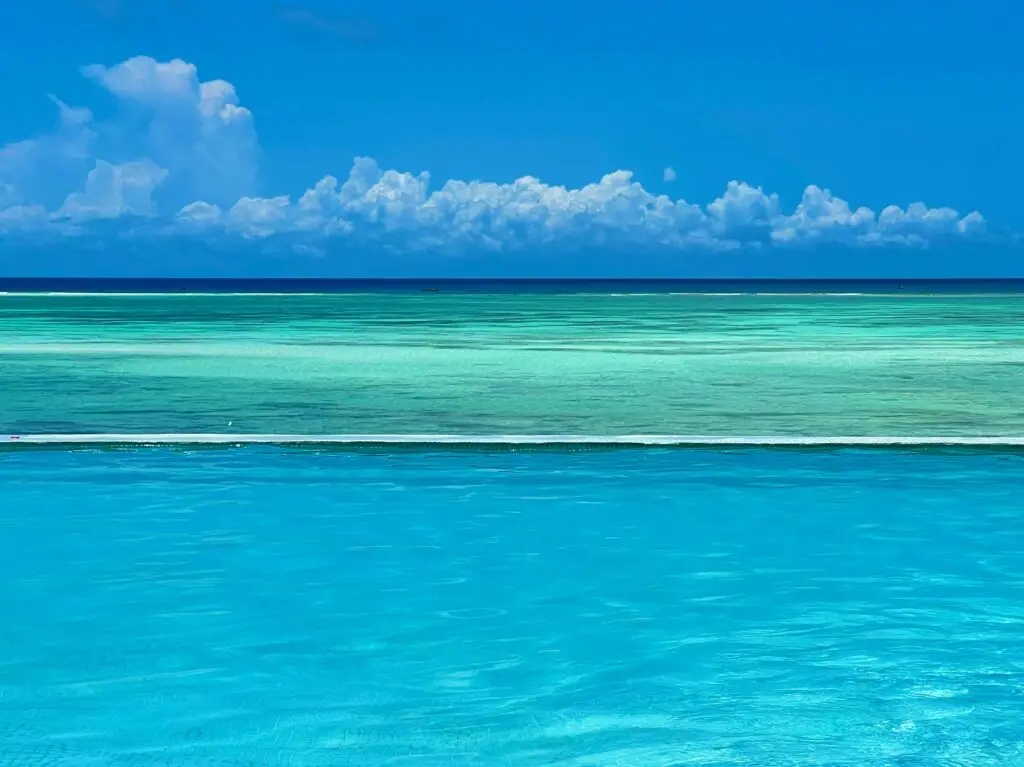
Zanzibar, the legendary island off the coast of Tanzania, is one of the most enchanting places in the Indian Ocean. It combines tropical beaches, crystalline waters, lush spice plantations and a rich cultural history influenced by Africa, Arabia, Persia, India and Europe. The island feels magical — a place where time slows down, where the ocean whispers against the sand, where palm trees move gently in the warm breeze and where the scent of cloves, cinnamon and cardamom floats through the air.
Stone Town, the cultural heart of Zanzibar, is a labyrinth of narrow alleys, carved wooden doors, hidden courtyards, old mosques, spice markets and seaside promenades. The architecture reflects centuries of trade and cultural blending — coral stone houses with Arabian-style balconies, Indian influences in the carved doors, British colonial-era buildings, and African motifs everywhere. Walking through Stone Town feels like stepping into a living museum where every shadow holds a story. The call to prayer echoes from minarets, children play football in small squares, and fishermen unload their catches at the harbor as wooden dhows sail slowly across the horizon.
Outside the city, the island transforms into a paradise of white-sand beaches and warm turquoise water. The eastern coast — places like Paje, Matemwe, Jambiani and Pongwe — offers long beaches lined with palm trees, coral reefs teeming with marine life and lagoons where the tide changes the landscape throughout the day. When the tide goes out, sandbanks and shallow pools appear, creating a surreal pattern of blues and whites. When it rises, waves lap gently onto untouched stretches of beach.
The northern tip of Zanzibar, including Nungwi and Kendwa, is famous for its sunsets. Here, the ocean glows orange and red as the sun sinks into the water, and fishing boats return to shore with silhouettes that create picture-perfect scenes. The beaches are lively, with music, local crafts, dancing and a warm camaraderie that fills the evening air.
Zanzibar’s spice farms reveal another dimension of the island. Guides lead you through plantations where you smell and taste cloves, nutmeg, cinnamon, vanilla, cardamom, lemongrass and countless herbs used in traditional cooking. The spice trade shaped Zanzibar’s history and identity, giving the island its nickname “The Spice Island.”
Marine reserves around the island provide untouched coral reefs, sea turtles, dolphins and schools of colorful fish. Menai Bay, Mnemba Atoll and Chumbe Island are particularly stunning for snorkeling and diving. The waters are warm, clear and filled with life that moves with a gentle rhythm beneath the waves.
Zanzibar is not just a destination; it is a mood — dreamy, warm, aromatic, slow and deeply soulful.
Dar es Salaam: A Coastal Metropolis of Culture, Markets and Indian Ocean Rhythm
Dar es Salaam is Tanzania’s largest city, a bustling coastal metropolis where Swahili culture meets modern structures, busy markets, tropical humidity and a lively waterfront. It is not a polished tourist city — its beauty lies in its energy, diversity and authenticity. Here, life unfolds in streets full of movement: tuk-tuks weaving through traffic, fishermen hauling nets at dawn, markets overflowing with spices and fresh produce, and vendors selling chapati, chipsi mayai and sugarcane juice.
The architecture reflects the city’s layered history, with buildings influenced by German, British, Swahili and Indian styles. In the old quarters, coral stone houses, mosques, Hindu temples and colonial-era structures stand alongside modern skyscrapers and lively shops. The waterfront area, especially around the harbor, feels vibrant with cargo ships, traditional dhows and ferries heading to Zanzibar.
Kariakoo Market, one of East Africa’s busiest commercial hubs, is a sensory explosion. People from across the region come here to trade goods — spices, fruits, fabrics, handmade crafts, electronics and everything imaginable. The air is filled with voices, colors and the smell of tropical produce. Visiting Kariakoo is stepping into the heartbeat of local life.
Dar es Salaam’s coastline is dotted with beaches and palm-lined stretches. Coco Beach attracts crowds during weekends, while further north, the Msasani Peninsula offers calmer waters, seafood restaurants, night markets and lively seaside bars. Bongoyo Island and Mbudya Island — small tropical islands located just offshore — provide white sand, clear water and coral reefs perfect for day trips.
The city also represents modern Tanzania — universities, startup hubs, cultural centers, museums and a growing art scene. The National Museum, Village Museum and Nyumba ya Sanaa highlight the country’s diverse cultural heritage, crafts, music and history.
Dar es Salaam is warm, chaotic, tropical and full of humanity. It offers travelers a glimpse into everyday Tanzanian life while remaining connected to the beauty of the ocean.
Ruaha National Park: Tanzania’s Wild, Remote and Untamed Heart
Ruaha National Park is one of Africa’s great hidden wildernesses — a massive, remote, rugged landscape where wildlife roams freely and where the silence of the bush feels almost sacred. It is the largest national park in Tanzania, yet it receives far fewer visitors than the Serengeti or Ngorongoro, making it a paradise for those seeking solitude, authenticity and pure wilderness.
The landscape of Ruaha is dramatic and varied. The Great Ruaha River winds through the park, feeding palm-lined banks, acacia woodlands, rocky outcrops and vast grasslands. During the dry season, the river becomes a lifeline for wildlife, attracting elephants, lions, leopards, crocodiles, giraffes and countless antelope species. Herds gather near the water in scenes that feel both ancient and alive.
Ruaha is particularly known for its large elephant population. Hundreds of elephants move through the park in family groups, kicking up dust as they travel along dry riverbeds. Their presence gives Ruaha a powerful atmosphere — a sense of walking through a land where giants still rule. The park is also home to impressive numbers of lions and some of the last remaining cheetah strongholds in Tanzania.
Birdlife is extraordinary, with more than 500 species living in different habitats across the park. Eagles soar above rocky cliffs, hornbills hop through branches and colorful bee-eaters flash like jewels in the sunlight.
Because Ruaha is so remote, nights in the park feel intensely wild. The sky is full of stars, the air is cool and the sounds of the bush — distant roars, rustling grass, insects and night birds — create a soundtrack that connects you deeply to the land.
Ruaha is Tanzania at its most primal — remote, raw, and unforgettable.
Selous (Nyerere National Park): Africa’s Great River Wilderness
Deep in southern Tanzania lies one of the largest protected wilderness areas on Earth — the Selous, now officially renamed Nyerere National Park. This vast, remote region feels untouched, wild and ancient, shaped by the flow of the mighty Rufiji River. Few national parks on the planet combine such immense scale, thick forests, wide wetlands, lakes and channels that cut like veins through the landscape. Here, nature is dominant, powerful and unpredictable.
The Rufiji River is the lifeblood of Selous. It winds gracefully through the park, creating oxbow lakes, sandbars, marshes and riverine forests where wildlife thrives. The riverbanks are alive with movement: elephants bathing in slow motion, hippos emerging from the water like gray giants, crocodiles sunning themselves on sandbanks, and birds gathering in astonishing numbers. Boat safaris on the Rufiji are one of the most peaceful and thrilling experiences in Tanzania — drifting quietly past scenery that feels unchanged for thousands of years.
Selous is known for its large populations of wild dogs, one of Africa’s rarest and most fascinating predators. Packs move swiftly across the landscape, communicating with high-pitched calls, and hunting with incredible coordination. Seeing them in the wild is a powerful reminder of Africa’s ecological complexity. Lions also roam freely through the floodplains and woodlands, as do leopards, hyenas, buffaloes, sable antelopes, giraffes and countless other species.
The atmosphere in Selous is different from northern Tanzania’s more famous parks. It is quieter, more remote and more intimate. The landscape alternates between miombo woodlands, open savannas, wetlands dotted with palm trees and forests of tall baobabs standing like ancient guardians. The sunsets along the Rufiji glow with deep orange and purple hues, reflecting across still waters and filling the wilderness with a calm, almost spiritual beauty.
Nights in Selous are spectacular. The sky is unpolluted and full of stars. The sounds of the river blend with distant calls of animals, creating a perfect symphony of wilderness that makes you feel immersed in the heartbeat of Africa. This is a place where time slows down, where nature is raw and where the silence allows you to experience the land with all your senses.
Tarangire National Park: Baobabs, Elephants and Golden Savannah
Tarangire National Park, located in northern Tanzania, is one of the most atmospheric reserves in East Africa. It is known for three defining elements: elephants, baobab trees and the Tarangire River. These elements create a landscape that feels deeply African, warm and shimmering under the golden sun.
The park’s baobabs are enormous, ancient trees with thick trunks and branches that look like roots reaching toward the sky. Some are over a thousand years old, giving Tarangire a sense of timelessness. They stand like wise elders across the savanna, watching over the animals that come and go.
Elephants thrive here in remarkable numbers. During the dry season, large herds gather along the Tarangire River, digging into the sand with their trunks to find hidden water. Seeing dozens of elephants — mothers, calves, juveniles and old bulls — moving slowly across the plains is one of the most beautiful sights in Tanzania. Their presence gives the park a grounding, powerful energy.
The Tarangire River is the center of life during the dry months. Animals travel from surrounding regions to drink, creating constant movement along the riverbanks. Giraffes walk gracefully among clusters of acacia trees, zebras graze in wide open fields, and lions rest under the shade of bushes, always alert for an opportunity.
Tarangire also has one of the highest densities of birds in East Africa. The sky is filled with eagles, storks, hornbills, rollers and dozens of colorful species that dart between the trees. The park’s light — especially in the afternoon — creates warm tones that make every moment feel cinematic.
Tarangire feels earthy, warm, wild and deeply peaceful — a park that combines iconic African scenery with a relaxed atmosphere.
Lake Manyara: Forests, Hot Springs and Cliffside Views
Lake Manyara National Park is one of the most diverse and compact wildlife areas in Tanzania. Although smaller than other parks, it offers an incredible range of habitats within a narrow strip of land between the Rift Valley escarpment and the alkaline waters of Lake Manyara.
When you enter the park, you first pass through a lush groundwater forest where sunlight filters through tall mahogany and fig trees. Blue monkeys leap through the branches, baboons gather in large social groups along the roadside and hornbills flash brightly through the canopy. The forest feels cool and shaded, a refreshing contrast to the open savannas of the surrounding region.
Emerging from the forest, the landscape opens dramatically into grassy floodplains that stretch toward the shimmering lake. Flamingos, pelicans and other waterbirds gather along the shoreline, creating patches of color against the pale, reflective water. Hippos rest in muddy pools, submerged except for their eyes and ears, while elephants wander across the plains toward the forest’s shade.
Lake Manyara is also famous for its tree-climbing lions — a rare behavior that adds to the park’s mystique. Although sightings are not guaranteed, the idea of lions lounging across tree branches adds a sense of magic to the landscape.
Along the southern edges of the park, hot springs bubble at the base of the cliffs, releasing steam that rises into the warm air. The volcanic activity beneath the region shapes the land, giving Manyara a unique geological presence.
The Rift Valley escarpment towers above the lake, creating a dramatic backdrop. From viewpoints above the park, you can see the landscape unfold like a painting — deep blues, shimmering whites, bright greens and warm browns blending into a harmony of color.
Lake Manyara is gentle, varied, beautiful and full of unexpected wonders.
The Southern Highlands: Misty Hills, Tea Plantations and Cool Air
In the far south of Tanzania lies a region few travelers visit — the Southern Highlands. This area is defined by high-altitude plateaus, rolling hills, volcanic peaks, fertile farmland, tea estates, cool temperatures and forests filled with birds and butterflies. It is a peaceful, green and refreshing part of the country, perfect for travelers seeking quiet and authenticity.
Mbeya, the region’s main city, sits surrounded by mountains and rich volcanic soils that support farms growing bananas, corn, avocados and coffee. The surrounding countryside is incredibly scenic, with mist drifting along mountain ridges during early mornings and sunlight breaking through in soft golden patches.
The Southern Highlands host one of Tanzania’s hidden gems: the Kitulo Plateau, often called the “Serengeti of Flowers.” During the rainy season, thousands of wildflowers bloom across the plateau in vibrant colors — purples, yellows, whites and reds. The air smells fresh and earthy, and the sight of flowers stretching toward the horizon creates a peaceful, uplifting atmosphere.
Tea plantations near Rungwe offer another layer of beauty. Bright green rows of tea bushes curve along hillsides, creating patterns that glow in the sunlight. Small tea factories sit among the estates, and workers move through the fields with baskets on their backs, picking fresh leaves with practiced skill.
Further south, near the Malawi border, the landscape becomes more dramatic. Volcanic mountains rise sharply, rivers cut through valleys and villages appear in clusters along winding roads. The area feels untouched, cool and incredibly scenic.
The Southern Highlands offer a slower, calmer side of Tanzania — green, cool, rural and deeply soothing.
Tanzania’s Cultures, People and Languages: A Nation of Harmony and Diversity
Tanzania’s greatest treasure may not be its landscapes, but its people. With more than 120 ethnic groups, the country is a true mosaic of cultures, languages and traditions — yet Tanzania is known for its unity and harmony, a rare achievement anywhere in the world.
The Swahili culture along the coast blends African, Arab, Persian and Indian influences. The Swahili language, music, poetry and architecture form a beautiful cultural identity shaped by centuries of trade across the Indian Ocean. Stone Town’s carved doors, taarab music and spice aromas reflect this rich heritage.
The Maasai of northern Tanzania are one of the country’s most iconic cultural groups. Dressed in red shukas, adorned with beadwork and living a pastoral lifestyle centered around cattle, the Maasai maintain traditions passed down for generations. Their dances, songs and ceremonies are filled with symbolism and community spirit.
The Chagga people, living on the slopes of Kilimanjaro, are skilled farmers who cultivate bananas, coffee and vegetables in rich volcanic soil. Their villages are shaded by lush trees, and their homes sit within networks of irrigation channels that have existed for centuries.
In the central and western regions, the Sukuma — Tanzania’s largest ethnic group — preserve music, dance and crafts that reflect inland culture and agricultural heritage. Drumming ceremonies and traditional healing rituals still take place in rural communities.
The Iraqw of the Rift Valley, the Hehe of Iringa, the Makonde of southern Tanzania and dozens of other communities contribute to the nation’s cultural richness through their unique arts, beliefs, dances and craftsmanship.
Despite this diversity, Tanzania is united by Swahili, the national language. It creates connection, communication and unity across regions. The phrase “Karibu sana” — “you are very welcome” — reflects the warmth and generosity of Tanzanian hospitality.
Why Tanzania Feels Like a World Unto Itself
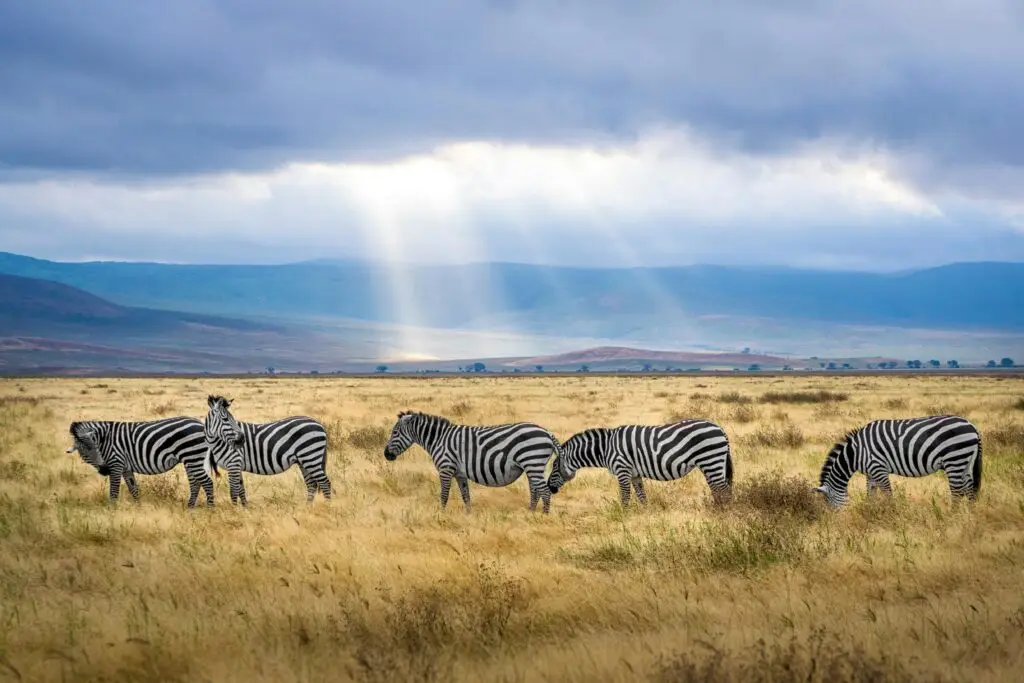
Tanzania is a country where the soul of Africa beats strongly. It contains some of the most iconic landscapes on the planet — the Serengeti, Kilimanjaro, Ngorongoro, Zanzibar — yet it also offers hidden corners of beauty that few travelers ever experience. Its wildlife is abundant, its ecosystems ancient, its cultures rich, its coastline warm and dreamlike.
Traveling through Tanzania feels like crossing multiple worlds:
a world of mountains touching the sky,
a world of lions roaming free,
a world of turquoise seas and coral islands,
a world of volcanoes, lakes and deep craters,
a world of flowers blooming on high plateaus,
a world of music, drums, stories and smiles.
It is a country that stays with you long after you leave.
 Related Articles
- Kakslauttanen Arctic Resort
- Top 10 Most Unique Places to Stay in Europe
- 10 Incredible Castles Around the World