
🇹🇭 Thailand Travel Guide
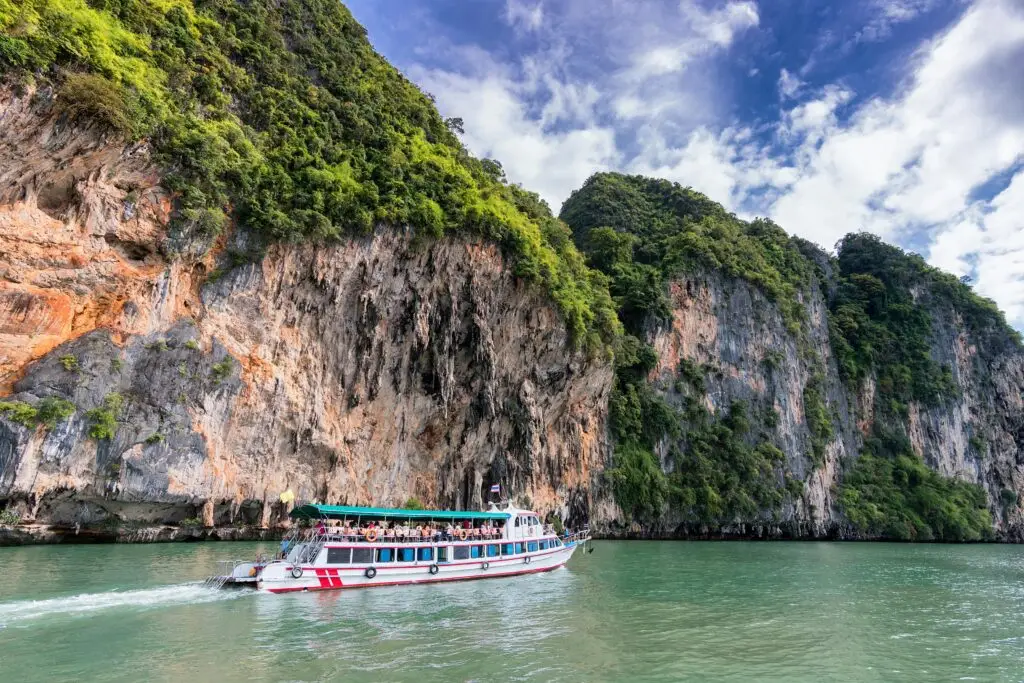
An immersive, atmospheric deep-dive into the land of temples, islands, mountains, street food, spirituality, ancient kingdoms, and tropical energy.
Thailand is one of the world’s most beloved travel destinations — a country where contrasts exist beautifully side by side. Ancient temples glow in the early sunlight while modern trains glide through cities of neon lights. Longtail boats move slowly over emerald lagoons while tuk-tuks rush through Bangkok’s restless streets. Golden chedis rise above forests, while beneath them monks walk barefoot through quiet villages at dawn. Markets overflow with the scent of grilled chicken, mango, fresh herbs, and spices, while the beaches shimmer with turquoise water and soft white sand. Everything in Thailand feels alive, colorful, warm, and deeply emotional — shaped by Buddhist traditions, tropical nature, and the unique kindness of Thai people.
Travelers return to Thailand again and again because the country offers every possible experience. It is spiritual and adventurous, modern and ancient, peaceful and exciting. Thailand can be a beach paradise, a food heaven, a cultural journey, a jungle escape, a nightlife hub, a romantic getaway, a backpacker classic, or a luxury retreat. It is whatever the traveler needs it to be — and yet it always remains authentically Thai.
This first part of the guide explores the identity, geography, history, culture, and soul of Thailand in long flowing text — a foundation before we travel through regions, cities, islands, mountains, temples, and jungles in the next parts.
1. The Emotional Energy of Thailand
Thailand hits you instantly with its atmosphere. Even stepping out of the airport feels like entering a warm and fragrant embrace — humid tropical air, the smell of jasmine and food grills, the sound of soft Thai conversations, the rhythm of tuk-tuks, the glow of gold from temples, and the gentle smiles of people welcoming you. Thailand is known as the Land of Smiles, but it is deeper than a marketing slogan. There is a real warmth in interactions, a cultural openness, a way of making strangers feel at ease.
Everything in Thailand mixes contrast with harmony. You can sit in total silence in a forest temple in Chiang Mai in the morning and find yourself surrounded by Bangkok’s skyscrapers and rooftop bars in the evening. You can spend the afternoon snorkeling with tropical fish and the evening eating street food at a local market. You can climb through jungle paths to ancient ruins or walk barefoot on powdery sand while drinking fresh coconut water. The country’s ability to balance calmness with excitement is what makes it unforgettable.
Thailand’s beauty is not just physical — it is emotional. Travelers often say they feel lighter, happier, freer here. There is something healing about Thai culture, something calming about its Buddhist roots, something soothing about the beaches and islands, and something grounding about the mountains and temples. Thailand is a place where the world feels simpler.
2. Geography — Tropical Seas, Lush Jungles, Mountains & Endless Islands
Thailand’s geography is extraordinarily diverse, which is one reason the country offers so many different travel experiences. The land stretches from the northern mountains bordering Myanmar and Laos down to the tropical southern peninsula pointing toward Malaysia. In between lie central plains, rice fields, river deltas, forests, ancient valleys, and cities shaped by centuries of movement and trade.
The north is dominated by mountains — high forested ranges rolling in green waves, valleys filled with mist at sunrise, river canyons, hidden waterfalls, and villages nestled along winding roads. This region feels cooler, quieter, more connected to tradition and nature. It is home to elephants, hill-tribe cultures, spiritual retreats, jungle treks, and some of Thailand’s most atmospheric ancient cities.
Central Thailand is a mix of rice fields, fertile plains, and river networks, crowned by Bangkok, Ayutthaya, and many historic towns. This region is the heart of Thai civilization, where kingdoms rose and fell, where the Chao Phraya River flows through flat landscapes, and where agriculture plays a central role. Bangkok sits like a vibrant core in the middle — loud, alive, modern, historic, messy, beautiful, chaotic, and unforgettable.
Eastern Thailand stretches toward Cambodia, with lush national parks, coastline, and smaller beach towns. Western Thailand borders Myanmar and reveals mountains, lakes, waterfalls, and floating resorts alongside dense jungles that feel untouched.
Southern Thailand is a narrow peninsula surrounded by the Andaman Sea on one side and the Gulf of Thailand on the other. This region holds some of the most beautiful beaches on Earth — islands of limestone cliffs, turquoise water, soft sand, coral reefs, and tropical jungle. As you move farther south, the culture becomes a mix of Thai and Malay influences, adding new flavors, traditions, and architecture to the landscape.
This geographical diversity makes Thailand feel like ten countries in one — all easy to reach.
3. A Deep History — Kingdoms, Empires & Cultural Evolution
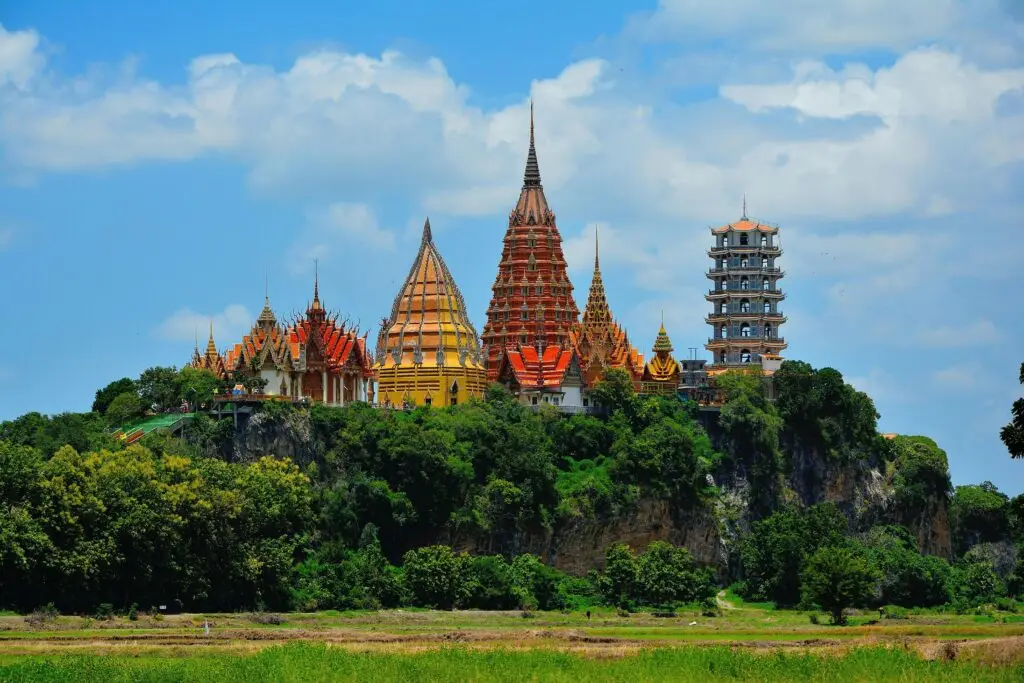
Thailand’s history is vast and full of transformations. It begins long before temples and kingdoms, with prehistoric settlements scattered across river valleys and mountains. Civilizations grew around agricultural regions, and trade routes connected early Thai societies to India, China, and the rest of Southeast Asia.
One of the most influential ancient cultures was the Dvaravati civilization, centered around Mon communities. This was followed by the Khmer Empire, whose architectural influence still appears in ancient ruins across northeastern Thailand.
But Thailand’s most defining historical chapter began with the rise of the Tai people migrating from southern China. They established powerful kingdoms that shaped the nation:
Sukhothai emerged in the 13th century as a kingdom often described as the birthplace of Thai culture. It emphasized Theravada Buddhism, elegant art, and graceful architecture. Many of its temples remain in beautiful condition.
Ayutthaya rose next — a massive international trading empire between the 14th and 18th centuries. Merchants from Europe, China, Japan, Persia, and India passed through its cosmopolitan capital. The architecture was monumental, the economy rich, and the culture sophisticated. Its fall in 1767 after a Burmese invasion is one of the most dramatic moments in Thai history.
After Ayutthaya collapsed, a new era rose with the Rattanakosin Kingdom centered in Bangkok. This led to Thailand’s modern identity. Thailand is unique because it was never colonized by a Western power, allowing it to preserve language, culture, and independence in a way that neighboring countries couldn’t.
Buddhism, monarchy, rivers, agriculture, and international trade all shaped the Thailand we know today.
4. Thai Culture — Spirituality, Food, Kindness & Daily Life
Culture in Thailand is layered, expressive, and deeply rooted in tradition. Even though modern life is busy and fast-paced in the cities, Thai cultural values remain strong:
Respect, harmony, and humility guide most interactions. People greet each other with the wai gesture — palms together with a gentle bow — showing kindness and politeness.
Buddhism influences everyday life: from the temples scattered across the country to the early-morning alms processions where monks walk silently through neighborhoods. Meditation, mindfulness, and spiritual balance remain important across society.
Community and family are central. Festivals bring people together, and daily meals are often shared. In rural areas, neighbors help each other with planting, harvesting, and celebrations.
Street markets form a huge part of social life — full of food stalls, fresh fruit, clothes, jewelry, and local crafts. The markets are alive with sound, scent, and movement. You hear sizzling woks, vendors calling out prices, and the chatter of locals picking up ingredients or snacks.
Thai aesthetics value beauty in everyday moments — golden light on temple roofs, floral offerings at shrines, flowing fabrics, lanterns, floating candles during festivals, and colorful fruit on display. Thais take pride in presentation, whether it’s a plate of mango sticky rice or a bouquet of lotus flowers.
Festivals like Songkran (Thai New Year) and Loy Krathong (Festival of Lights) reflect deep spiritual tradition mixed with joyful celebration.
Thailand’s culture is warm, expressive, sensory, and full of life.
5. Bangkok — The Energy, Heartbeat & Soul of Modern Thailand
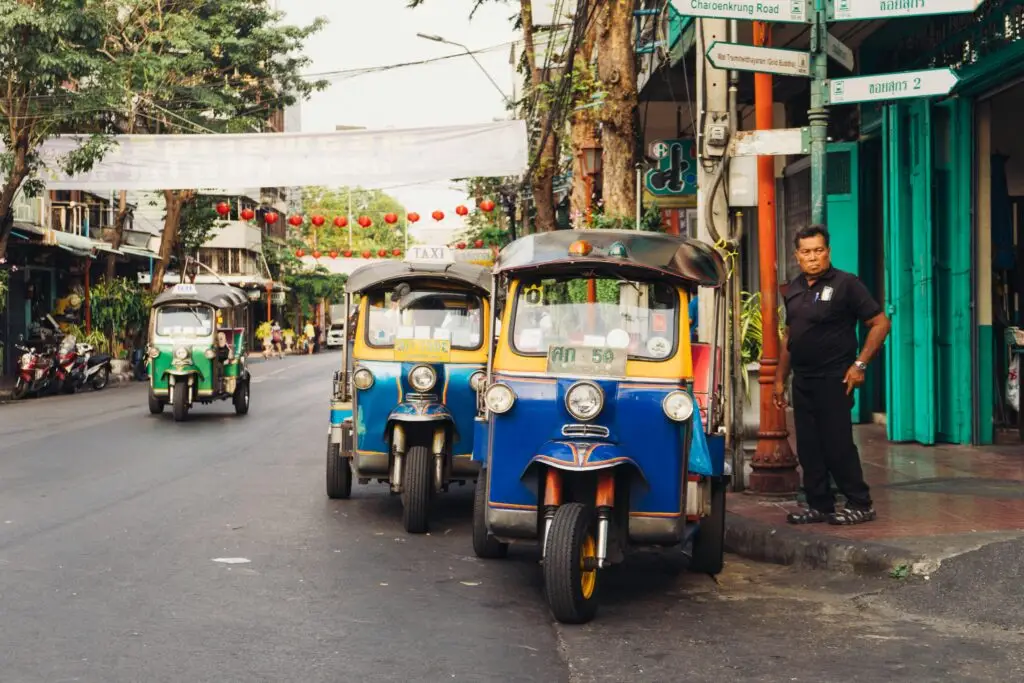
Bangkok is exhilarating. For many travelers, it becomes one of the most memorable cities in the world — loud, bright, messy, spiritual, modern, ancient, and totally alive. Skyscrapers stand beside temples. Street vendors cook next to luxury malls. Longtail boats race through canals under highways. Everything feels dynamic.
Bangkok is a city of contrasts. Mornings may start with golden sunlight hitting the spires of Wat Arun. Midday brings heat rising from the streets while boats glide down the Chao Phraya River. Evening transforms the city with neon lights, bustling markets, and rooftop lounges overlooking the skyline. Every hour in Bangkok feels different — and every neighborhood has its own stories.
The Grand Palace, decorated in gold and mirrors, reflects Thailand’s regal history. The temples of Wat Pho and Wat Arun glow with cultural depth. Chinatown buzzes with street food, gold shops, lanterns, and narrow alleys. Sukhumvit, Silom, and Sathorn are modern, stylish, and filled with energy. Khlong canals reveal Bangkok’s older water-based identity. Markets like Chatuchak show how the city can be chaotic yet thrilling.
Bangkok is overwhelming but in the most fascinating way. It is a sensory overload, a cultural treasure, and a travel experience unlike any other.
6. The Chao Phraya River — History, Life & Movement
The river is the artery of Bangkok and central Thailand. For centuries, communities lived along its banks, trading goods along waterways instead of roads. Even today, the river reflects the soul of the city — boats carrying commuters, ferries passing temples, barges transporting goods, and longtail boats moving through canals.
At sunset, when the golden glow reflects in the water and the silhouettes of temples rise in the distance, the river feels almost magical. Riverside walks reveal small shrines where locals offer incense, fishermen casting nets from the riverbank, monks boarding boats, and the gentle rhythm of river life unfolding.
Northern Thailand: mountains, temples, jungles, elephants, ancient kingdoms & spiritual calm
Northern Thailand feels like a world apart from the beach-dotted south. It is cooler, greener, more traditional, and more spiritual. Mountains stretch across the landscape like great walls of forest and mist. Rivers cut through valleys where villages stand quietly among rice fields. Ancient cities hold temples that glow in soft golden light. Monks walk through neighborhoods at dawn collecting alms. Slow markets unfold beside old city walls. And everywhere, there is peace — a kind of quiet energy that makes travelers slow down, breathe deeper, and feel connected to the land.
Northern Thailand is the heart of the country’s artistic and cultural traditions. The region was once the Lan Na Kingdom, and traces of its heritage remain in the architecture, the food, the festivals, and the gentle way people speak. Whether you wander the streets of Chiang Mai, explore the remote mountains near Pai, hike through the Golden Triangle, or visit temples perched on ridges above clouds, the north leaves an unforgettable impression.
7. Chiang Mai — Temples, Mountains & A Gentle Mountain Soul
Chiang Mai is the cultural capital of northern Thailand — a city that blends ancient heritage with modern creativity. It is wrapped in mountains and filled with temples, cafés, meditation centers, night markets, and an atmosphere that is both artistic and spiritual.
Walking through the Old City feels like wandering through a living museum. Stone walls and moats frame the historic center. Inside, narrow streets lead to temples with golden chedis, red-roofed monasteries, and shady courtyards with incense drifting in the air. The sound of bells, the chanting of monks, and the slow steps of people paying respect create a peaceful energy.
Temples like Wat Phra Singh and Wat Chedi Luang glow beautifully at sunset. Their architecture reflects centuries of craftsmanship — wooden ornamentation, curved roofs, and statues of mythical creatures guarding the entrances. But it is Doi Suthep, the mountain temple above the city, that holds the most dramatic beauty. Reaching it requires ascending a long staircase guarded by naga serpents. At the top, the golden chedi shines brightly and the view over Chiang Mai stretches endlessly. At dawn, the temple is quiet, filled with the sound of monks chanting and birds calling from the forest.
Chiang Mai’s modern side is equally charming. Cafés serve excellent coffee made from beans grown in the surrounding hills. Weekly markets fill entire streets with art, handmade goods, local textiles, and street food. Cooking schools teach travelers the secrets of Thai cuisine. Meditation retreats in the forests around the city offer silence and reflection. And neighborhoods like Nimmanhaemin pulse with creativity, co-working spaces, boutique hotels, and trendy restaurants.
Chiang Mai is a place where tradition and modern life coexist gracefully, creating one of Asia’s most beloved cities.
8. Chiang Rai — Temples of Imagination, Mountains & Tribal Culture
Chiang Rai lies farther north, near the borders with Laos and Myanmar. The landscape becomes more rugged, with hills rolling toward distant mountain ranges. The air feels cooler and cleaner. The pace of life is slower. And the artistic energy of the city is expressed through extraordinary temples unlike anywhere else in Thailand.
Wat Rong Khun, the White Temple, is both a temple and a surreal piece of modern art. Its bright white surfaces glow under the sun, symbolizing purity, while mirror pieces embedded into the structure make the entire temple sparkle. Bridges, sculptures, and murals reflect a mix of Buddhist symbolism, fantasy, and modern world commentary. It is a place where imagination becomes architecture.
Not far away, the Blue Temple — Wat Rong Suea Ten — rises in shades of deep blue and gold. Its interior glows with white Buddha statues illuminated by cool light. The temple feels mystical, dreamlike, and peaceful.
The Black House, or Baan Dam Museum, contrasts sharply with both. Created by an eccentric artist, it showcases dark wooden buildings filled with sculptures, bones, skins, and symbolic objects that reflect themes of life, death, power, and philosophy.
Outside the city, the mountains become higher and villages appear tucked into green valleys. Hill tribes such as the Akha, Karen, Hmong, and Lahu live in these regions, each with distinct traditions, clothing, and crafts. The winding roads lead to viewpoints where you can see fog rolling through valleys at sunrise, revealing peaks that pierce the clouds.
Chiang Rai feels imaginative, artistic, and deeply connected to the mountains and cultures of northern Thailand.
9. Pai — Mountains, Hot Springs & Free-Spirited Energy
Pai is a small town in a wide valley surrounded by mountains. For many years it was a simple rural village, but it has transformed into a beloved destination for travelers seeking relaxation, natural beauty, creativity, and bohemian charm. Despite becoming popular, Pai has retained a peaceful heartbeat — a place where travelers spend days doing very little and somehow feel completely fulfilled.
The road from Chiang Mai to Pai is legendary — twisting sharply through forested hills, offering views of ridges layered in mist. Once in Pai, the rhythm is slow. Cafés with hammocks overlook rice fields. Hot springs steam gently in the forest. Waterfalls flow over smooth stone. The Pai Canyon offers sunset views where the sky turns deep red and purple. Bamboo bridges stretch over green fields. Farmers drive scooters carrying baskets of produce. Everything feels simple and soft.
Pai’s night market is cozy and full of character — street food stalls, handmade jewelry, clothing, and local crafts. Live music drifts from small bars and cafés. Travelers share stories under warm lights. The atmosphere is friendly, open, and almost magical.
Outside the town, dirt roads lead to elephant sanctuaries, mountain viewpoints, and tiny villages. Pai is a place where slow travel makes sense — the beauty is not in grand monuments but in the calm and the mountains themselves.
10. Mae Hong Son Loop — Remote Valleys, Misty Ridges & Quiet Villages
The Mae Hong Son Loop is one of Thailand’s most scenic road journeys. It winds through high mountains, dense jungle, river valleys, and some of the most remote areas in the country. Each turn reveals new landscapes — sharp ridges, waterfalls, emerald rice fields, and forests drifting in morning mist.
The town of Mae Hong Son feels untouched, with wooden houses, local hill-tribe markets, and a peaceful lake surrounded by temples lit beautifully at night. The Burmese influence is strong here, especially in the temples with tiered rooftops and ornate woodwork.
Further west lies Mae Sariang, a sleepy riverside town where the rhythm of life is slow and gentle. The surrounding countryside holds traditional Karen villages and forested trails leading into the mountains.
The Mae Hong Son Loop showcases a Thailand that many travelers never see — rural, quiet, traditional, and breathtakingly beautiful.
11. Sukhothai — The Graceful Birthplace of Thai Culture
Sukhothai is one of Thailand’s most important historical sites — the former capital of the first Thai kingdom. Walking through Sukhothai Historical Park feels like entering a dream of ancient spirituality. Wide moats reflect temple pillars. Stone Buddha statues sit peacefully under tree shade. Lakes filled with lotus flowers shimmer in the sunlight. And long fields of grass stretch between ruins, creating a sense of calm and serenity.
The architecture of Sukhothai is graceful, balanced, and elegant. The temples combine Khmer influence with distinct Thai artistic forms — curved rooflines, lotus-bud stupas, and slender Buddha statues with serene faces.
Bicycling through the historical park is one of the most peaceful experiences in Thailand. Early morning light warms the temple stones, birds sing from the trees, and the landscape becomes golden. The ruins are scattered widely, connected by quiet paths that pass through grassy fields and lotus ponds.
Sukhothai represents the beginning of Thai identity — a place where art, religion, and culture merged into a distinctive style that still influences the country today.
12. Ayutthaya — The Magnificent Ruins of a Fallen Empire
Ayutthaya was once one of the most powerful and cosmopolitan cities in Asia. It stood for over 400 years, becoming a major center of trade, diplomacy, art, and architecture. Merchants and ambassadors from across the world visited its royal court. The city was filled with temples, palaces, canals, and markets. It was known as a place of great wealth and beauty.
Today, only the ruins remain — but what remains is immense. Brick prangs rise into the sky. Buddha statues sit silently in the shade of trees. Ancient stupas tower above the grass. The famous stone Buddha head wrapped in tree roots at Wat Mahathat symbolizes the enduring connection between nature and history.
Ayutthaya Historical Park spreads across an island surrounded by rivers, making it easy to explore by bicycle or tuk-tuk. Each temple complex has its own emotion and atmosphere. Some are large and majestic, others quiet and overgrown. Visiting Ayutthaya at sunset is particularly beautiful — the golden light casting long shadows across ancient bricks.
Though the city was destroyed in 1767, its spirit remains impressive. Ayutthaya tells a story of glory, loss, and cultural strength that shaped the nation.
13. Chiang Dao — Caves, Mountains & Forested Serenity
Chiang Dao is a mountain region north of Chiang Mai where nature feels pure and untouched. The landscape is dominated by Doi Chiang Dao, one of Thailand’s tallest peaks, rising dramatically above jungle valleys. The mountain’s limestone cliffs glow silver in early morning light.
The Chiang Dao Cave complex holds chambers filled with stalagmites, stalactites, shrines, and ancient legends. Nearby hot springs steam softly beside rivers. Small temples rest on hillsides, offering quiet spaces for meditation. Villages in the area remain deeply connected to nature, with traditional wooden homes, herbal gardens, and forest paths.
Chiang Dao is less visited than major cities but loved by those who seek calm, fresh mountain air, and deeper connection to Thailand’s natural landscapes.
14. Lampang — Elephants, Heritage & Horses Carriages
Lampang is a charming northern city with a relaxed atmosphere and a strong cultural identity. Wooden houses line riverside streets. Beautiful temples reflect Lanna architecture. And horse-drawn carriages still travel through city roads, giving Lampang a nostalgic feel.
Nearby lies the Thai Elephant Conservation Center, dedicated to ethical treatment of elephants and preservation of traditional mahout culture. Visitors can learn about elephant history, behavior, and conservation efforts.
Lampang offers a quiet alternative to Chiang Mai, with rich tradition and fewer crowds.
Southern Thailand: islands, beaches, coral seas, limestone cliffs, tropical forests & warm ocean breezes
Southern Thailand feels like a world crafted from dreams — turquoise bays, coral reefs, longtail boats floating gently on emerald water, limestone cliffs rising like giants from the sea, and beaches where coconut palms lean toward the waves. This region stretches down Thailand’s peninsula, bordered by two different seas: the Andaman Sea to the west and the Gulf of Thailand to the east. Each side has its own beauty, culture, landscapes, and rhythm, creating one of the most diverse tropical coastlines on Earth.
Some islands feel wild and remote. Others feel lively and exciting. Some are covered in jungle. Others are crowned with white-sand beaches. Some are perfect for diving. Others for romance. Southern Thailand is a mosaic of tropical experiences, each offering something unique and unforgettable.
15. Phuket — A Tropical Kingdom of Beaches, Culture & Hidden Corners
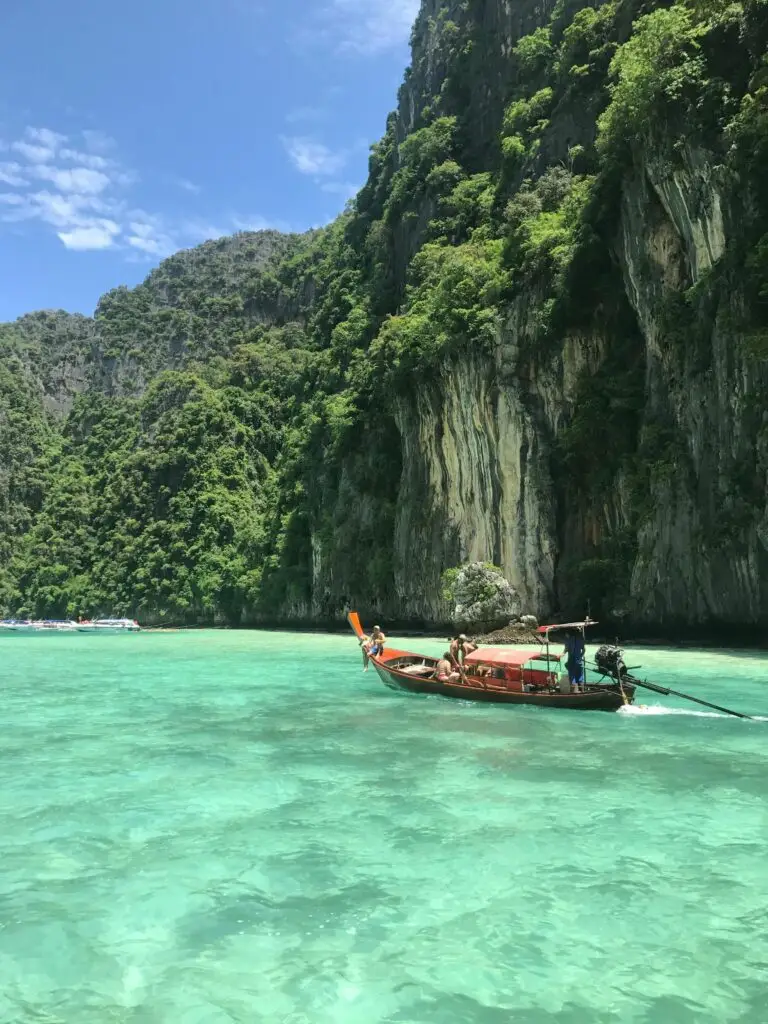
Phuket is the largest and most famous island in Thailand, known worldwide for its beaches, nightlife, luxury resorts, and dramatic scenery. But beneath its reputation lies surprising depth — quiet villages, Buddhist temples, Sino-Portuguese architecture, coastal viewpoints, and a cultural identity shaped by Thai, Chinese, and Malay influences.
Phuket Town is full of color and character. Streets lined with pastel shophouses show the island’s heritage. Cafés and street vendors fill the air with the scent of noodles, curry, and Thai desserts. Wall murals appear around corners. Temples glow softly at night. There is an artistic and nostalgic charm that feels different from the island’s beaches.
The coastline is wonderfully varied. Kata and Karon are long, open beaches where waves roll gently toward shore. Nai Harn and Ya Nui feel more intimate, embraced by headlands and cliffs. Surin and Bang Tao are graceful and upscale, with clear water and elegant resorts. Patong is loud, bright, energetic — the center of nightlife, full of neon, music, food stalls, and excitement. Freedom Beach, hidden behind hills, feels like a secret world of white sand and emerald water. Each beach has its own mood.
Viewpoints like Promthep Cape and the Big Buddha offer sweeping panoramas. At sunset, colors spill over the sea in shades of orange, pink, and gold. Markets appear everywhere, from small food stalls to weekend bazaars filled with local products. And offshore islands — like Koh Yao, Racha, and Coral Island — reveal quieter tropical escapes.
Phuket is often misunderstood because it is so famous, but it remains one of Thailand’s richest and most diverse destinations.
16. Krabi — Limestone Kingdom of Cliffs, Lagoons & Emerald Seas
Krabi is a masterpiece of nature. Its coastline is one of the most dramatic in the world — huge limestone cliffs rise straight from the sea, shaped over millions of years into towers, arches, caves, and rugged formations that look fantastical. The water glows with a deep emerald color, the beaches are soft and bright, and the surrounding jungle creates a feeling of tropical rawness.
Railay is not an island but feels like one, cut off by cliffs that can only be crossed by boat. Once you arrive, you step into a paradise of gold-sand beaches, jungle-covered headlands, and cliffs that attract climbers from around the globe. Phra Nang Beach is one of Thailand’s most beautiful — crystal water, soft sand, shallow seas, and caves carved into the cliffs.
Ao Nang is livelier, serving as the hub for ferries and tours. From here, boats depart to dozens of islands — small, large, quiet, wild, or crowded. Each has its own shape and personality. Longtail boats line the beach in the morning like wooden guardians preparing for another day on the water.
Inland Krabi holds secrets too. The Emerald Pool is a warm natural spring hidden in rainforest. Tiger Cave Temple stands atop a mountain reached by a long staircase — the view from the top is magnificent. Hot springs flow through rocks in Khlong Thom. Quiet villages lie among palm forests and karst cliffs.
Krabi feels like an ancient, powerful landscape — shaped by nature into something almost otherworldly.
17. Phi Phi Islands — Emerald Lagoons, Cliffs & Tropical Drama
The Phi Phi Islands are among the most iconic tropical landscapes in the world. The cliffs here rise sharply from the water like massive stone cathedrals. Bays curve around turquoise lagoons. Sandbars glow in white and gold. Coral reefs shimmer beneath the surface. And everywhere, water moves gently, reflecting the light in shades of blue and green.
Phi Phi is divided into two main islands: Phi Phi Don, which hosts resorts, restaurants, walking streets, and nightlife; and Phi Phi Leh, which is uninhabited and famous for Maya Bay, one of the world’s most beautiful lagoon beaches.
At sunset, the cliffs glow warm and golden. At sunrise, they appear soft and silver. Longtail boats glide through narrow channels. Snorkelers float surrounded by fish. And hidden bays reveal quiet corners where the water is clear and calm.
Phi Phi can feel busy at times, but when you leave the main area and explore by boat, everything becomes peaceful again — the lagoons, cliffs, and coral gardens remind visitors why this region became world-famous.
18. Koh Lanta — Calm, Space, Sunset Beaches & Slow Living
Koh Lanta is the quiet, gentle heart of the Andaman Sea. It is an island of long beaches, quiet roads, tropical forests, and sunsets that turn the sky into blazing colors. Compared to Phuket and Phi Phi, Koh Lanta feels more spacious and relaxed — perfect for families, couples, digital nomads, and anyone seeking peaceful tropical life.
The west coast is lined with beaches that stretch for kilometers. Klong Dao is soft and wide. Long Beach is perfect for sunset walks. Klong Nin is a blend of calm water and beachfront restaurants. Farther south, the island becomes wilder, with jungle-covered hills and viewpoints overlooking the sea.
Lanta Old Town on the east coast is a charming wooden village facing the calm side of the island. Overwater walkways lead from old fisherman houses into the sea. Colorful shopfronts sell handmade crafts. Cafés stand above the water on stilts. The atmosphere feels nostalgic and peaceful.
The southern tip of Koh Lanta holds Mu Ko Lanta National Park, with dramatic cliffs, secret coves, and a lighthouse perched above crashing waves. Offshore islands like Koh Rok and Koh Haa offer some of the clearest water and best snorkeling in the region.
Koh Lanta is an island of balance — peaceful, beautiful, and full of warm energy.
19. Similan Islands — Coral Gardens & Crystal Seas
Far out in the Andaman Sea lie the Similan Islands — a national park famous for some of Thailand’s clearest water and most spectacular underwater life. The islands have powder-white sand, smooth granite boulders, jungle-covered hills, and reefs full of coral, manta rays, turtles, and colorful fish.
Snorkeling here feels like swimming in a giant aquarium. The water clarity often reaches 30 meters. Sunlight beams through the surface. Fish move in schools through glowing blue. Coral formations rise like underwater cities.
On land, the islands feel untouched — no villages, no nightlife, only nature. Massive rock formations create viewpoints over oceans that stretch endlessly.
The Similan Islands are one of Thailand’s most extraordinary natural treasures.
20. Koh Samui — Coconut Groves, Waterfalls & Island Elegance
On the opposite side of the peninsula lies the Gulf of Thailand, home to another group of beloved islands. The largest is Koh Samui — an island of palm forests, beaches, temples, markets, and resorts ranging from simple bamboo huts to ultra-luxury retreats.
Chaweng is lively, full of restaurants, nightlife, and long beaches with soft sand and clear water. Lamai feels slightly calmer but remains energetic and social. Bophut and Fisherman’s Village offer a more stylish, family-friendly atmosphere with boutique shops and beachfront dining. Maenam and Lipa Noi are quiet, relaxed beaches perfect for romantic or peaceful stays.
Waterfalls like Na Muang cascade down forested tiers. Temples like Wat Plai Laem and the Big Buddha shine with color and symbolism. Inland coconut plantations stretch across hills where farmers climb trees with incredible skill.
Koh Samui blends tropical island life with modern comforts, making it one of Thailand’s most versatile destinations.
21. Koh Phangan — Beaches, Nature & Freedom
Koh Phangan is famous worldwide for the Full Moon Party, but the truth is the island is far more than its reputation. In fact, most of the island is quiet, green, and peaceful, with hidden beaches, yoga centers, mountain roads, and crystal bays perfect for swimming.
Haad Rin hosts the nightlife, but the rest of the island reveals soft water, gentle waves, and bays sheltered by forested hills. Thong Nai Pan is one of the most beautiful areas — two curved beaches embraced by mountains and coconut palms. Bottle Beach, often reached by boat, is quiet, scenic, and wonderfully remote. Secret swimming spots lie in forests, alongside waterfalls and jungle trails.
Koh Phangan has become a center of wellness and creative life — yoga, meditation, organic cafés, art, and community gatherings create an atmosphere of freedom and connection.
The island feels like multiple worlds in one — energetic in some places, deeply peaceful in others.
22. Koh Tao — Diving, Coral Reefs & Turquoise Bays
Koh Tao is a small island known globally for diving. Clear water, coral reefs, underwater pinnacles, and abundant marine life make it ideal for both beginners and experienced divers. Many travelers learn to scuba dive here because courses are accessible, the water is calm, and the scenery is breathtaking.
The island itself is charming — hilly, green, and dotted with viewpoints overlooking bays of glowing blue. Sairee Beach is the main social area, full of beach bars, restaurants, and sunset spots. Smaller beaches like Shark Bay, Sai Daeng, and Tanote Bay offer privacy and excellent snorkeling.
Koh Tao feels intimate — an island where the sea is the main attraction and where nights are filled with stars and the sound of waves.
Far South, National Parks, Isaan, Wildlife, Culture, Food & The Heart of Thailand
Southern Thailand stretches even farther than the well-known islands of Phuket, Krabi, Koh Samui and Koh Tao. The deep south near the Malaysian border reveals a softer, more remote tropical world — tiny islands with powder-white beaches, sea that glows turquoise in the sunlight, coral reefs so pure they feel preserved from time, and fishing villages where life moves slowly and quietly. And beyond the coasts, central and northeastern Thailand reveal yet another side of the country: ancient Khmer ruins, vast national parks, floating lakes, wild elephants, waterfalls, forests, and authentic rural communities. This final part of the guide dives into all these worlds, showing that Thailand’s beauty extends far beyond its famous destinations.
23. Koh Lipe — The Maldives of Thailand
Koh Lipe is a jewel at the southern edge of the Andaman Sea, part of the Tarutao National Marine Park. The island feels intimate and bright — soft white sand that glows under the sun, shallow turquoise water that shifts color with every hour of light, and coral reefs lying just a few steps from the beach.
Pattaya Beach curves like a crescent, its sand warm and powdery. Boats float gently in multicolored water. At sunrise, the eastern beaches glow pink and orange, creating a dreamy atmosphere. At sunset, the sky becomes painted in gold and deep red. Walking streets are lively but relaxed, full of seafood grills, handmade crafts, fruit stands, and cozy cafés.
The water clarity around Koh Lipe is exceptional. Snorkeling reveals coral gardens with clownfish, butterflyfish, turtles, and soft corals that sway like underwater fields. Boat trips to nearby islands — Koh Adang, Koh Rawi, and tiny sandbanks that appear only at low tide — reveal empty beaches and wild nature.
Koh Lipe captures the essence of a tropical paradise: small, colorful, bright, peaceful, and deeply beautiful.
24. Trang Islands — Quiet Seas, Hidden Lagoons & Dreamy Beaches
The Trang archipelago is one of Thailand’s most underrated coastal treasures. These islands feel untouched compared to their northern neighbors — fewer tourists, calmer beaches, and landscapes that appear almost painterly.
Koh Kradan is perhaps the most striking. Its coastline looks like a watercolor painting — shallow turquoise water blending softly into deeper blue, with white sand glowing beneath gently moving waves. The water is so clear that you can snorkel right from the shore and see coral gardens immediately.
Koh Mook holds one of Thailand’s most magical natural wonders: the Emerald Cave. To enter, you swim or kayak through a dark tunnel carved by the sea, emerging suddenly into a hidden lagoon — a circle of towering cliffs surrounding a secret beach lit by green light.
Koh Libong, Koh Ngai, and others offer palm-lined beaches, quiet resorts, and a strong sense of serenity. Fishing villages still follow traditional rhythms. Longtail boats drift across glass-smooth water. Sunsets burn bright across calm seas.
The Trang Islands feel peaceful, authentic, and magical — a tropical escape far from crowds.
25. Satun & Tarutao National Park — Wild, Untouched & Beautifully Remote
Further south lies Satun province and the vast protected areas of Tarutao National Marine Park — one of Thailand’s oldest and most pristine natural reserves.
Koh Tarutao itself is rugged, forested, and wild. Beaches stretch for kilometers with barely a footprint. Monkeys call from the trees. Sea eagles circle overhead. Water laps gently on shores that feel completely natural. The island once served as a remote prison colony, but today its atmosphere is soft, green, and peaceful.
Smaller islets around Satun reveal quiet beaches, dramatic cliffs, and coral reefs that have been preserved by strict conservation rules. It is a region where nature dominates, where the sea still feels ancient and untouched.
26. Khao Sok National Park — Rainforest, Limestone & Lake of Dreams
Leaving the coast behind, Thailand’s interior reveals one of the most astonishing landscapes in Southeast Asia: Khao Sok National Park. This rainforest is older than the Amazon and filled with towering limestone mountains, dark-green jungle, waterfalls, rivers, misty valleys, and incredible biodiversity.
At the center lies Cheow Lan Lake — a vast emerald reservoir dotted with vertical cliffs and tiny islands. Floating hotels sit quietly on the water, surrounded by silence broken only by cicadas and gentle waves. Early mornings bring mist rolling across the lake like a white blanket. Monkeys sometimes appear on cliffs. Hornbills fly overhead. The entire landscape feels like an ancient world untouched by time.
Longtail boats travel across the water, passing stone formations that rise like giant teeth from the lake. Hidden caves lie along the edges, some filled with stalactites shaped like sculptures. Trails lead into the forest where rare wildlife like langurs, gibbons, deer, and even wild elephants may be seen by lucky travelers.
Khao Sok is one of Thailand’s most breathtaking natural wonders — a world of mountains, water, jungle, and quiet power.
27. Kanchanaburi — River Kwai, Waterfalls & Historic Landscapes
West of Bangkok lies Kanchanaburi — a province full of nature, rivers, mountains, and emotional history.
The River Kwai flows through green valleys and forests. The famous Bridge over the River Kwai still stands, a symbol of the railway constructed during World War II. Museums and memorials in the area tell powerful stories of hardship and resilience.
Beyond the history, nature flourishes. Erawan National Park holds one of Thailand’s most beautiful waterfall series — seven levels of emerald pools, each reflecting light in shades of blue and green. The water cascades gently over smooth limestone, forming natural swimming spots.
Sai Yok National Park offers more waterfalls, jungle trails, and floating raft houses along the river. The countryside is quiet, full of bamboo forests, birdsong, and the lingering morning mist.
Kanchanaburi blends emotional history with some of Thailand’s most beautiful inland scenery.
28. Isaan — The Authentic Northeast, Khmer Temples & Rural Life
Isaan covers a massive region in northeastern Thailand. It is the country’s most rural area, shaped by agriculture, rice farming, traditional music, spicy food, and ancient Khmer heritage. Many travelers never visit Isaan — which makes it even more rewarding for those who do.
Fields stretch across flat plains. Rivers carve slow lines through the landscape. Villages of wooden houses sit under tall trees. Morning markets fill with fresh herbs, sticky rice, grilled chicken, papaya salad, and produce from nearby farms.
Isaan is home to some of Thailand’s most important Khmer ruins. Phanom Rung rises dramatically on an extinct volcano, glowing pink at sunrise during certain times of year when the sun aligns perfectly with its doorways. Phimai Historical Park holds temples older than Angkor Wat. These ancient structures reveal a deep, sacred past rarely seen by mainstream tourists.
National parks like Phu Kradueng, Phu Ruea, and Khao Yai (shared partly with central Thailand) hold mountains, waterfalls, forests, and wildlife. Many areas feel untouched, with cool air and dramatic scenery.
Isaan is pure, authentic, and rich with living culture — a region where Thailand’s rural heart beats strongest.
29. Wildlife of Thailand — Elephants, Gibbons, Hornbills & Jungle Life
Thailand’s ecosystems hold incredible wildlife diversity. In the north, forests are home to gibbons swinging through treetops, spotted deer, and rare birds. In the west, Kanchanaburi and Umphang host wild elephant populations roaming through protected valleys. The south’s rainforests hold hornbills, monkeys, and exotic reptiles. Offshore reefs welcome whale sharks, manta rays, turtles, and vibrant coral life.
Ethical elephant sanctuaries allow visitors to observe elephants living naturally — eating, bathing, playing — without riding or exploitation. These experiences offer a glimpse into the deep bond between mahouts and elephants.
Thailand’s national parks protect tigers, gaur, tapirs, macaques, and countless bird species. Though elusive, these animals reveal the richness of Thai wilderness.
30. Thai Cuisine — Flavor, Color, Balance & Sensory Delight
Thai cuisine is among the world’s most beloved, known for its balance of sweet, spicy, sour, salty, and aromatic notes. Every region offers its own dishes shaped by landscapes, history, and tradition.
Street food is the soul of Thai culinary culture. Vendors cook quickly, skillfully, and with passion. The scent of garlic frying in hot oil fills the air. Woks hiss with chili and basil. Carts display fresh mango, dragonfruit, coconut ice cream, sticky rice, grilled chicken, skewers, noodles, and curries.
Central Thailand is known for classics like pad thai, green curry, and tom yum soup. The north offers khao soi — a creamy curry noodle dish bursting with spices — and fermented sausage. The northeast (Isaan) creates iconic dishes like som tam (papaya salad), grilled chicken, sticky rice, and flavorful herbal dishes. The south produces spicier curries with coconut and Malay influence, along with abundant seafood.
Meals in Thailand are meant to be shared — bringing people together over bowls of rice, small plates, soups, sauces, and grilled meats. Food reflects family, community, creativity, and the joy of flavor.
31. Festivals — Light, Water, Tradition & Celebration
Thailand’s festivals reveal its spiritual and joyful identity.
Songkran, the Thai New Year in April, transforms cities into giant water festivals. People splash each other to symbolize cleansing and renewal. Temples host ceremonies. Families gather. The atmosphere is playful and full of happiness.
Loy Krathong, the Festival of Lights, takes place in November. People release floating candles on rivers and lakes, symbolizing letting go of negativity. Lanterns rise into the night sky. The atmosphere becomes magical, glowing with warm light and reflection.
Other festivals celebrate harvests, elephants, culture, dance, food, and regional heritage. Everywhere, you feel Thai generosity, community, and spiritual depth.
32. The Soul of Thailand — Why This Country Captures Hearts
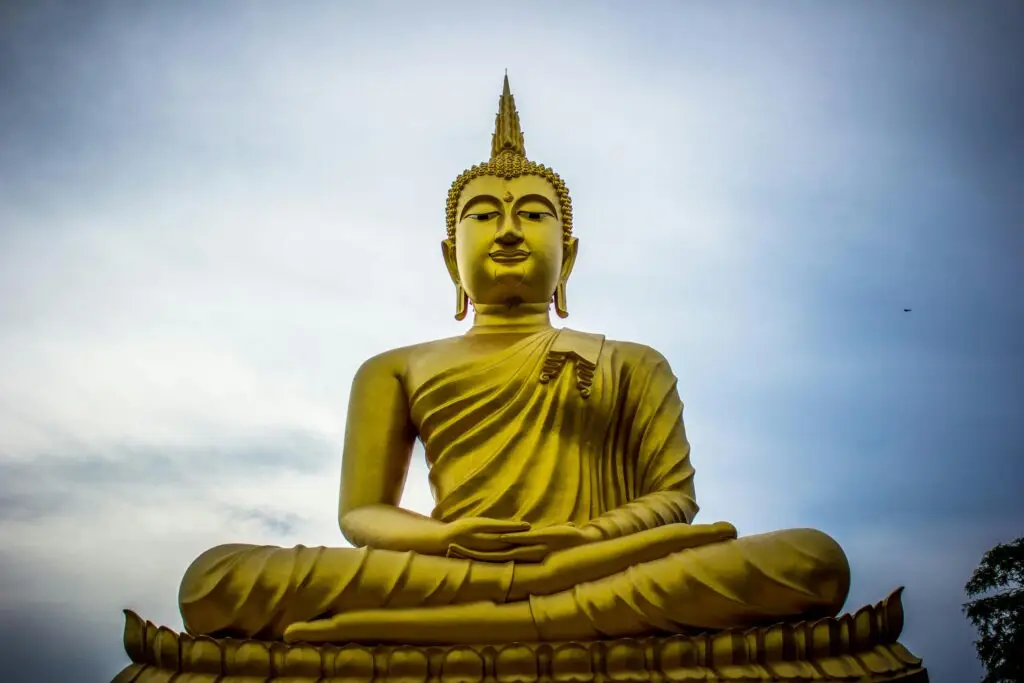
Thailand is more than beaches, temples, cities, and food. It is a feeling — a mix of peace, warmth, excitement, and emotional comfort. Travelers often say Thailand changes them, softens them, relaxes them, or heals them.
It is the kindness of people. The spiritual calm of temples. The fresh scent of jasmine and lemongrass in the air. The beauty of longtail boats moving across water. The deep green of mountains. The soft glow of lanterns at night. The taste of fresh mango sticky rice. The slow rhythm of rural villages. The warm sea at sunset. The soft smile of a street vendor handing you food. The sound of monks chanting in the early morning.
Thailand is a country that lives in the senses — a destination you don’t just see, but feel deeply.
 Related Articles
- Kakslauttanen Arctic Resort
- Top 10 Most Unique Places to Stay in Europe
- 10 Incredible Castles Around the World