
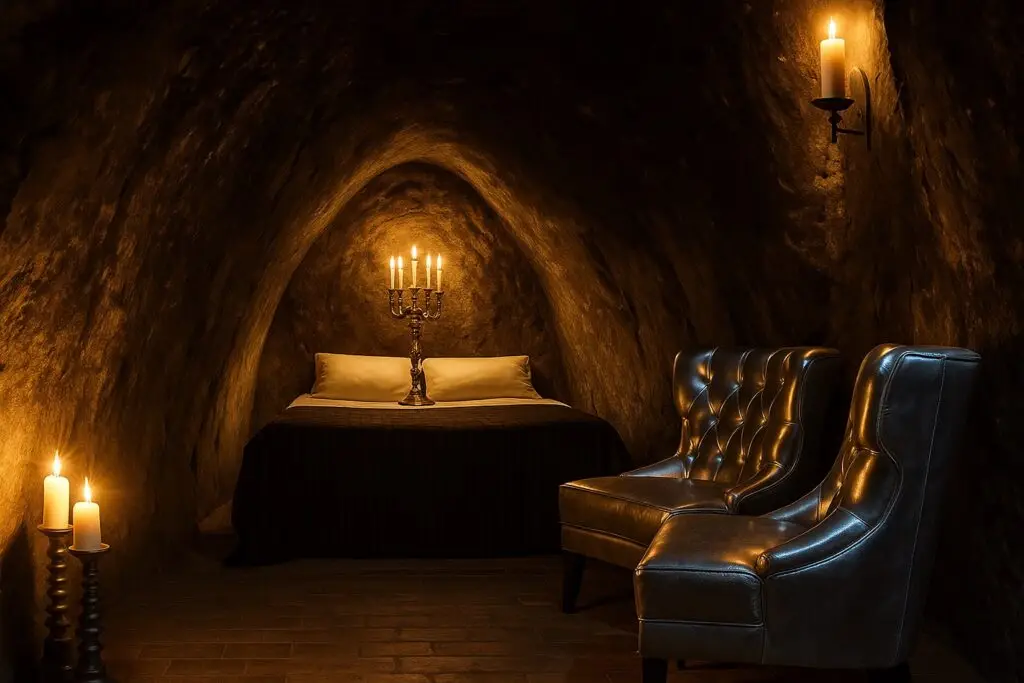
UNIQUE STAYS — UNDERGROUND HOTELS & CAVE RETREATS
Underground hotels and cave retreats are among the world’s most mystical and atmospheric places to stay. Instead of rising above the landscape, these properties blend into it — carved into rock walls, tucked beneath desert surfaces, or hidden inside ancient volcanic formations. Whether simple stone-cut dwellings or elaborate boutique suites, underground stays radiate a deep connection to nature and history.
Sleeping beneath the earth connects travelers to humanity’s earliest shelter traditions. Long before skyscrapers and modern cities, early civilizations carved homes into cliffs, mountainsides, or soft volcanic tuff — creating timeless sanctuaries that remained naturally cool year-round. Today, many underground hotels are inspired by this heritage and combine it with modern comfort: luxurious bedrooms inside cave chambers, candlelit tunnels, private plunge pools, panoramic courtyards, and warm ambient lighting echo centuries of architecture. Underground Hotels
These immersive spaces offer a unique sensory experience: silence, warmth, and protective stillness. Rooms often maintain a constant temperature, making them ideal escapes from extreme heat or cold. And because they exist within the landscape rather than above it, they offer exceptional privacy. Underground Hotels
From Cappadocia’s sculpted cave hotels to Australia’s opal-mining towns underground, from deep desert suites in Jordan to ancient troglodyte dwellings in Tunisia and Italy, cave and underground stays offer a magical combination of adventure, history, and tranquility.
This guide explores underground hotels across the globe, organized by continent — giving you a flexible foundation to add links, destination pages, and booking resources later.
 Where Are the Best Underground Hotels Found?
Underground hotels and cave retreats are located around the world, including:
- Cappadocia, Turkey
- Coober Pedy, Australia
- Matera, Italy
- Petra region, Jordan
- Tunisia
- Spain
- United States
- Iceland
They are especially common in:
- Volcanic regions
- Desert landscapes
- Areas with ancient troglodyte culture
- Mining regions
Each destination offers a different cultural context and architectural style.
 Why Stay Underground?
Sleeping underground or inside a cave offers unexpected benefits:
 Naturally cool temperatures
Privacy & quiet
Connection to heritage
Atmospheric cave textures
Eco-friendly architecture
Minimal visual footprint
Many underground hotels are carved into rock, reducing the need for external construction materials. Because subterranean spaces self-insulate, energy use is low — maintaining warmth in winter and coolness in summer. Underground Hotels
Though minimalistic by nature, many cave hotels are incredibly luxurious, offering:
- Heated floors
- Spas carved into stone
- Iconic cave pools
- Panoramic terraces aboveground

1) ASIA — THE ORIGINAL CAVE HOTEL HEARTLAND
Asia is home to the most iconic cave hotels in the world — particularly Turkey’s Cappadocia.
These properties are often centuries or thousands of years old, built into soft volcanic rock or carved from limestone cliffs.
Top regions:
- Turkey (Cappadocia)
- Jordan
- Iran
 Turkey — Cappadocia
Cappadocia is globally recognized for cave architecture. Ancient cave houses and churches carved into volcanic tuff are now transformed into boutique cave hotels.
Rooms often feature:
- Curved stone ceilings
- Carved window alcoves
- Warm ambient lighting
- Terracotta floors
- Rooftop terraces with balloon views
Cappadocia’s cave hotels blend rustic stone textures with modern comforts — some offer spa suites, heated indoor pools, wine cellars, terraces overlooking fairy chimneys, and lavish cave dining rooms.
Staying here immerses travelers in one of the world’s most unusual landscapes: mushroom-shaped rock spires, deep valleys, and hot-air balloons drifting at sunrise.
 Jordan
Near Petra, some boutique stays offer cave-style suites nestled into desert rock. These are inspired by Nabatean heritage — the same civilization that carved Petra.
Accommodations combine:
- Sandstone walls
- Carved niches
- Low warm lighting
- Traditional craftsmanship
The surrounding red-desert landscape amplifies the spiritual atmosphere.
 Iran
Iran
Iran’s cave homes — especially in Kandovan — were carved into volcanic rock and resemble Cappadocia. Some have been converted into cave-style lodges with minimalistic interiors and a strong cultural identity.
2) EUROPE — ANCIENT DWELLINGS & MODERN DESIGN Underground Hotels
Europe blends ancient cave culture with contemporary luxury.
Top places:
- Italy (Matera)
- Spain
- Greece
- France
- Canary Islands (Spain)
- Iceland
 Italy — Matera
Matera is famous for its “sassi” cave dwellings, carved into pale stone cliffs. Once abandoned, these ancient homes are now romantic boutique hotels offering:
- Stone-arched bedrooms
- Soft candelight corridors
- Natural rock tubs
- Rooftop terraces overlooking Matera’s gorge
The experience feels like traveling back in time — with Roman history and Mediterranean elegance.
 Spain
Spain
Rural Spain features cave-converted houses in Andalusia and Granada provinces — with whitewashed exteriors, thick rock walls, and rustic courtyards. Many sit among olive groves or desert ravines.
 Greece
While less common, Greece offers cave dwellings in volcanic regions and islands such as Santorini. These are often cliff-cut rather than deep underground, combining:
- White volcanic stone
- Arched suites
- Private courtyards
These cave stays highlight volcanic origin and Cycladic simplicity.
 France
France has caves converted into boutique inns and wine cellars — particularly in the Loire Valley. Some feature:
- Vaulted limestone ceilings
- Stone-cut libraries
- Underground dining chambers
 Iceland
Iceland’s volcanic history inspires some underground-style retreats surrounded by moss, lava fields, and dramatic landscapes. These emphasize spa culture, geothermal energy, and natural textures.
3) OCEANIA — DESERT MINING CITIES
Australia is the most iconic underground hotel destination outside Cappadocia.
 Australia — Coober Pedy
Coober Pedy is a remote outback opal-mining town where extreme desert heat encouraged residents to build underground. Many hotels now occupy these dug-outs, offering:
- Sandstone chambers
- Narrow tunnels
- Cool conditions even in extreme heat
- Rustic mining character
These properties feel raw, authentic, and deeply connected to the earth.
Some modern suites offer:
- Stylish cave bedrooms
- Dig-out restaurant halls
- Air-circulated tunnels
The landscape around Coober Pedy is red desert stretching endlessly to the horizon — an otherworldly experience.

4) AFRICA — DESERT CAVES & SUBTERRANEAN RETREATS
Africa hosts several cave-inspired hotels showcasing dramatic desert landscapes and ancient influences. Underground Hotels
Top regions:
- Tunisia
- Morocco
- South Africa
 Tunisia
Tunisia is home to traditional troglodyte cave houses carved into rock and clay. These dwellings have been used for centuries — and some became globally famous after appearing in major films.
Converted cave lodges feature:
- Rounded chamber rooms
- Earthen courtyards
- Low-arched ceilings
- Underground coolness
Their design reflects the resourceful adaptation to the hot North African climate.
 Morocco
While not deeply underground, Morocco offers cave-carved desert retreats adapted to Saharan heat, often near cliffs and gorges. Interiors feature natural stone, warm color palettes, and artisanal decor.
 South Africa
South Africa has a growing number of earth-integrated lodges where rooms are partially built underground to preserve heat and blend with the environment — often in nature reserves.
5) NORTH AMERICA — DESERT & VOLCANIC INSPIRATION
North America has emerging underground and cave-inspired stays that blend natural geology with boutique luxury.
Top regions:
- United States
- Mexico
 United States
Some properties in the southwest incorporate sandstone caves and lava-tube-inspired spaces. These emphasize:
- Minimalism
- Mountain & desert terrain
- Stargazing decks
Some are excavated cave retreats or earth-sheltered lodges.
 Mexico
Mexico’s limestone geology supports a network of cenotes and underground rivers. Some boutique stays are nestled into rock formations or incorporate subterranean elements into their design — often blending jungle, cave corridors, and water sanctuaries. Underground Hotels
 What To Expect From Underground & Cave Hotels
Underground stays typically feature:
- Stone-cut rooms
- Low ambient lighting
- Naturally regulated temperatures
- Thick rock walls for silence
- Minimal external impact
Some properties integrate:
- Private grotto pools
- Mineral baths
- Carved rock bathtubs
- Underground wine cellars
- Rooftop terraces aboveground
Atmosphere is essential:
expect muted acoustics, golden lamp light, intimate seating, and textures that feel both ancient and protective.
 Who Are They For?
Ideal guests:
- Couples seeking romantic escapes
- History lovers
- Architecture enthusiasts
- Adventure travelers
- Photographers
- Slow-travelers
- Culture-focused travelers
These stays are deeply experiential rather than activity-driven.
 Why They’re Comfortable
Because they live inside the earth, temperatures remain stable — cool in summer, warm in winter. Silence is natural, making sleep deeply restful.
 Best Seasons To Go
Many underground hotels are comfortable year-round due to natural insulation.
However:
- Cappadocia → best spring & fall
- Australia → avoid hottest summer months
- Italy → year-round, magical in cooler seasons
 Tips For Choosing
Consider:
- Location aboveground (views, city access)
- Depth / style (cave feel vs. modern cut-stone)
- Amenities
- Ventilation
- Light exposure
Some cave suites are darker, others open to terraces.
 Conclusion
Underground hotels and cave retreats let travelers sleep inside the Earth itself — in quiet landscapes where stone carries memories of centuries. These unique accommodations blend ancestral tradition, natural architecture, and modern hospitality to deliver unforgettable atmospheres.
Whether in a Turkish cave suite overlooking hot-air balloons, an Australian mining dugout deep in the outback, an ancient stone chamber in Italy, or a desert grotto in North Africa, these one-of-a-kind stays offer serenity and mystery in equal measure.
This page forms the foundation for future expansion — including:
- Country-level guides
- Best cave hotels per destination
- Recommended itineraries
- Booking links
Cave stays are more than lodging — they’re portals into history, geology, and the hidden beauty beneath the surface.
Related Amazing Bucketlist Articles
- 5 Once-in-a-Lifetime Floating Stays
- Hurawalhi Island Resort
- Top 10 Most Romantic Countries in the World for Couples