
🇬🇧 COMPLETE TRAVEL GUIDE
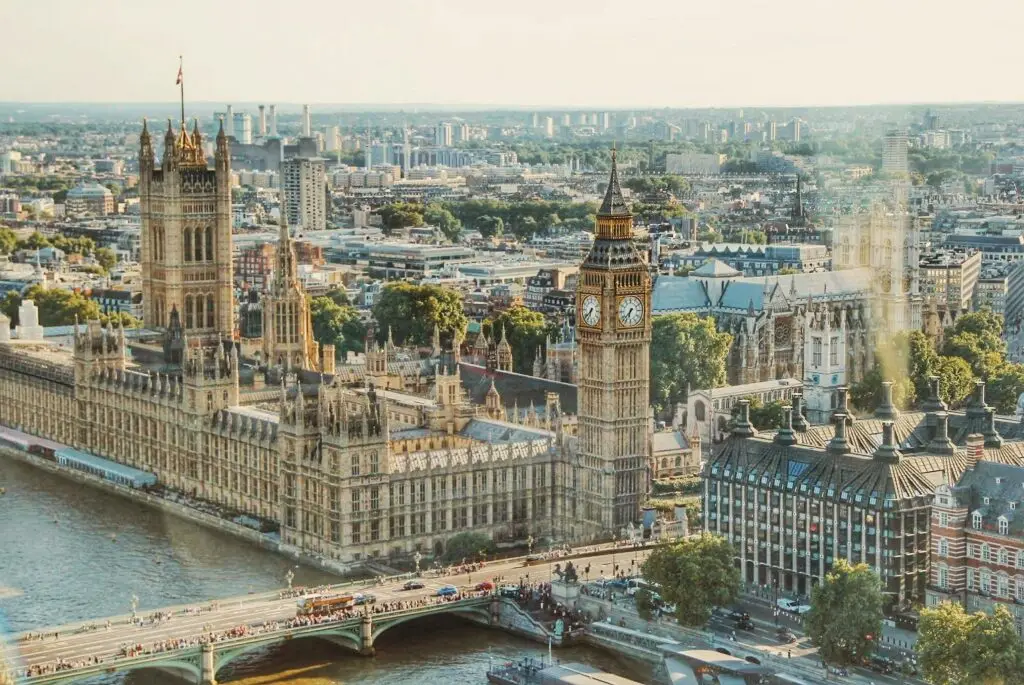
Understanding the United Kingdom
The United Kingdom is one of the world’s most historically layered, culturally influential and geographically diverse destinations. Every corner of the UK reflects centuries of shifting kingdoms, ancient battles, royal traditions, modern cultural movements, artistic revolutions and breathtaking natural landscapes that continue to shape its identity today. Unlike many European countries that are unified by a single culture or language, the United Kingdom is a union of four distinct nations — England, Scotland, Wales and Northern Ireland — each with their own traditions, histories, dialects, landscapes and identities. When travelers explore the UK, they are essentially traveling through multiple countries under one umbrella, and this diversity makes a visit endlessly fascinating.
The UK’s story stretches across millennia, from prehistoric stone circles and Celtic tribes to Roman fortresses, medieval castles, Viking invasions, royal dynasties, industrial expansion, and the modern creative and technological age. Visitors encounter these historical layers everywhere: in the cobblestone streets of Edinburgh, the medieval cathedrals of York, the ancient universities of Oxford and Cambridge, the market towns of Wales, the rugged Highlands of Scotland, the dramatic cliffs of Northern Ireland and the global metropolis of London. Few places in the world offer this combination of urban grandeur, countryside charm, coastal beauty and cultural depth in such an accessible space.
For travelers, the UK offers a unique blend of the familiar and the surprising. Many people know the famous icons — Big Ben, Stonehenge, the Tower of London, Edinburgh Castle, Loch Ness, the Cliffs of Moher (even though that’s Ireland), the Beatles, Harry Potter, royal palaces and iconic double-decker buses. But the real magic of the UK often lies outside the typical postcard images. It’s in the quiet villages of the Cotswolds, the remote islands of Scotland, the wild coastline of Pembrokeshire, the misty valleys of the Lake District, the small pubs of Yorkshire, the literary heritage of Stratford-upon-Avon, the mountain passes of Wales and the coastal drives along the Causeway Coast. Whether you’re drawn to nature, culture, history, food, nightlife, literature or simply the atmosphere of a very old but very modern country, the UK offers something extraordinary for every traveler.
This 10,000-word guide aims to give you a complete overview of the United Kingdom — ideal for your Destinations overview page — and to help future visitors understand not just the major highlights but also the character, rhythm and personality of each region. It is written without affiliate links, with long paragraphs and rich detail so that your website gains strong SEO value.
Geography & Regions: A Nation of Contrasts
One of the most striking aspects of the United Kingdom is its dramatic geographical contrast. Although the entire region seems small when compared to major countries like Canada, the US or Australia, the UK contains a remarkable range of landscapes that can transform completely within a few hours of travel. You can stand on a crowded London street lined with skyscrapers, travel north to rolling green hills dotted with sheep, continue into mountainous terrain with deep lochs, and eventually reach rugged islands battered by the North Atlantic — all within a single country.
England
England dominates the southern portion of the island of Great Britain and is home to the country’s largest population, economy and cities. Geographically, England ranges from the flat agricultural landscapes of East Anglia to the limestone hills of the Cotswolds, the dramatic ridges of the Peak District, the ancient forests of Sussex and the soaring mountains of the Lake District. England’s coastline also varies widely: cliffs in the south, long sandy beaches in the north, and postcard-perfect bays in Cornwall.
Scotland
Scotland occupies the northern third of Great Britain and is famous for its rugged, dramatic landscapes. The country features the incredible Scottish Highlands, deep glacial lakes called lochs, massive mountain ranges like the Cairngorms, and one of the most beautiful island chains in the world — the Hebrides. Scotland’s geography is wild and raw, shaped by ancient volcanic activity, glaciation and centuries of isolation. It feels like a place where nature still dominates.
Wales
Wales, located to the west of England, is a country defined by mountains, valleys and spectacular coastline. It may be small compared to England, but it is rich in natural beauty. Snowdonia National Park offers jagged peaks and dramatic hikes, while Pembrokeshire Coast National Park has some of the most scenic seaside landscapes in the UK. Wales is also dotted with hundreds of medieval castles, many of them remarkably well-preserved.
Northern Ireland
Northern Ireland occupies the northeastern part of the island of Ireland. It is known for stunning natural scenery, especially along the Causeway Coast, where visitors find the famous Giant’s Causeway — an otherworldly formation of hexagonal rocks created by volcanic activity. Mountains, quiet lakes and lively cities like Belfast make Northern Ireland an exciting part of the UK often overlooked by first-time travelers.
A Short Historical Overview
A trip to the United Kingdom is, in many ways, a journey into the past. History is visible everywhere, from prehistoric monuments to medieval fortresses to Victorian architecture and modern museums. The UK’s story is long and complex, but understanding the basic historical timeline helps travelers appreciate the depth of the places they visit.
Prehistoric & Celtic Era
Long before the Romans or the Anglo-Saxons arrived, the British Isles were home to various Celtic tribes. Many of their traditions, languages and mythologies survive in Scotland, Wales and parts of Ireland. Prehistoric monuments like Stonehenge, Avebury and Skara Brae show that ancient societies here were surprisingly advanced.
Roman Britain
In AD 43, the Roman Empire invaded much of modern England and Wales, building towns, baths, temples, roads and the famous Hadrian’s Wall in northern England. Many Roman ruins still remain, including in Bath, York, Chester and St Albans.
Anglo-Saxon & Viking Age
After the Romans left, waves of Germanic tribes — the Angles, Saxons and Jutes — settled in England, creating kingdoms that later combined into England. Meanwhile, the Vikings raided and settled across northern England, Scotland and Ireland, leaving a lasting cultural influence.
Medieval Kingdoms & Castles
The medieval period shaped much of today’s UK. Castles, cathedrals, fortified towns and royal dynasties emerged. The Norman invasion of 1066 had a massive impact on culture, language and governance. Many of Britain’s most famous castles date to this time.
The Union & the British Empire
England and Scotland joined in 1707 to form Great Britain. Later, the union expanded to include Ireland (and later Northern Ireland). During the 18th and 19th centuries, the UK became one of the most powerful nations in the world, leading the Industrial Revolution and building a global empire.
Modern Era
Today, the UK is a modern, diverse nation that blends tradition with innovation. Cities like London, Manchester, Edinburgh and Belfast lead in technology, finance, science, arts and culture, while rural regions preserve centuries-old customs, languages and architecture.
England – The Cultural & Urban Heart of the UK
England is the largest and most populous part of the United Kingdom, and it holds many of the country’s most iconic destinations. It is home to the global capital London, as well as historic cities, national parks, coastal paths, small villages and world-famous cultural institutions. England feels both ancient and modern, traditional and cutting-edge — and that contrast is what makes it such an incredible travel destination.
London – A World City Like No Other
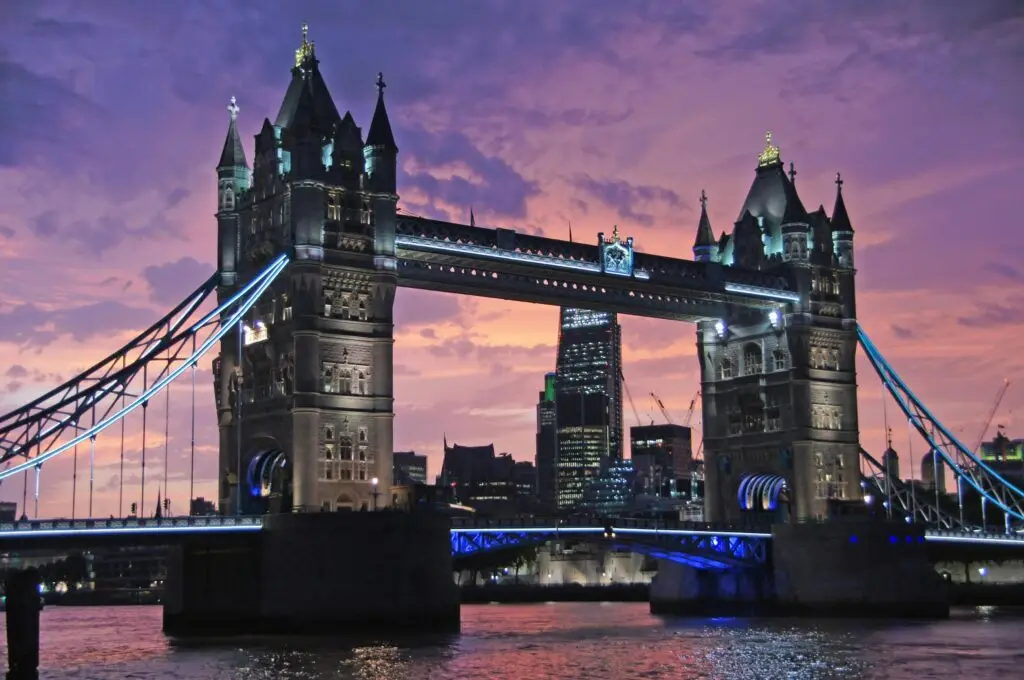
London is one of the most visited cities on the planet, known for its royal palaces, museums, historic landmarks, multicultural neighborhoods, theaters, markets and nightlife. The city’s energy is intense, diverse and endlessly stimulating. Travelers can easily spend a week in London alone and barely scratch the surface.
From Buckingham Palace and the Tower of London to modern icons like the Shard and the London Eye, the city blends old and new seamlessly. World-class museums such as the British Museum, National Gallery and Victoria & Albert Museum offer free entry, while West End theaters stage some of the world’s best shows. Food lovers can explore Borough Market, Camden Market and global cuisine across every borough. Green spaces such as Hyde Park, Regent’s Park and Richmond Park offer peaceful escapes.
London is not just a city you visit — it is a city you experience. Atmospheric pubs, rainy streets, double-deckers, Christmas lights, historic bridges and lively festivals all add to its character.
Scotland – Wild Landscapes, Ancient Clans and a Fierce Cultural Identity
Scotland is one of the most captivating regions of the United Kingdom, a place that feels both majestic and mystical. It offers sweeping mountain ranges, deep glacial lakes, windswept islands, medieval cities, world-famous whisky, legendary folklore and a national pride that runs through everything — from its tartan patterns and bagpipes to its castles and clan histories. Scotland’s personality is different from the rest of the UK: dramatic, rugged, poetic and shaped profoundly by the forces of nature. Its landscapes are so iconic that they have inspired countless writers, filmmakers, philosophers and explorers. When travelers think of Scotland, they imagine mist-covered hills, quiet lochs, stone cottages, medieval fortresses and starry skies over ancient highlands — and the remarkable thing is that the reality is even more beautiful.
Scotland’s identity is deeply connected to its geography. The north and west are dominated by powerful natural forces: the Atlantic Ocean, strong winds, heavy rains, steep mountains, wide-open moorlands and cold, deep lakes. These elements have shaped the Scottish spirit for centuries. Communities in the Highlands, Hebrides and islands lived in remote conditions and developed tight-knit cultures and traditions that survive today. Meanwhile, the Lowlands — including cities like Edinburgh and Glasgow — grew into intellectual and economic centers, producing scholars, inventors and artists who helped shape the modern world. Together, these contrasting landscapes create one of Europe’s most fascinating travel destinations.
Edinburgh – The City of Castles, Legends and Literature
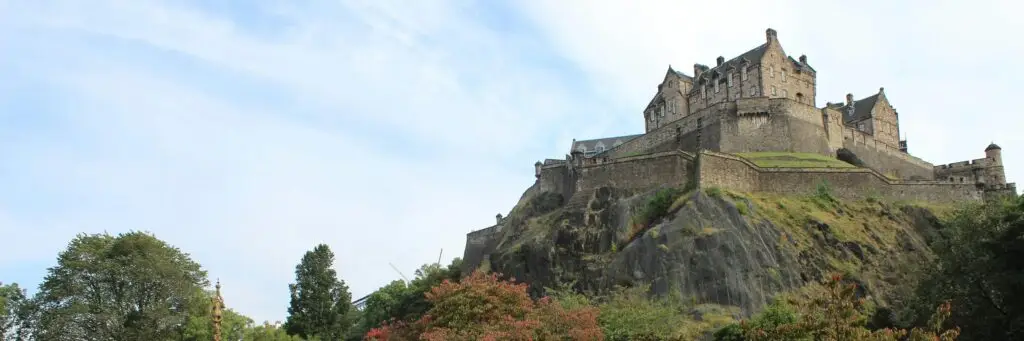
Edinburgh is one of the most atmospheric cities in the world, with its skyline dominated by volcanic cliffs, medieval stone buildings and the dramatic silhouette of Edinburgh Castle. The Old Town feels like a living museum of narrow alleys, gothic spires and centuries-old monuments, yet the city also has a vibrant modern side filled with festivals, restaurants, museums and creative energy.
Walking through Edinburgh is like stepping into a storybook. The Royal Mile stretches from the castle to the Palace of Holyroodhouse, lined with ancient buildings and historical landmarks. The surrounding streets twist through dark passageways and hidden courtyards, each with its own legend or ghost story. The city’s literary heritage runs deep — writers such as Sir Walter Scott, Robert Louis Stevenson and Arthur Conan Doyle were shaped by its atmosphere, and modern authors continue to draw inspiration from its dramatic landscapes.
The New Town, built in the 18th century, contrasts sharply with the medieval Old Town. Its grand Georgian architecture, wide streets and elegant squares were designed to reflect enlightenment ideals of order, beauty and rationality. Together, these two halves of the city create a harmonious blend of old and new.
Edinburgh is also famous for festivals, particularly the Edinburgh Fringe — the world’s largest arts festival — which transforms the city into a global stage each August. Music, comedy, theater and performance art fill every corner. For food lovers, the city offers everything from hearty traditional dishes to innovative modern cuisine. Whether you’re exploring ancient castles, hiking Arthur’s Seat, visiting whisky bars or strolling along its picturesque streets, Edinburgh has a timeless, magical quality that captivates every traveler.
Glasgow – Creativity, Music and Industrial Heritage
While Edinburgh is elegant and historic, Glasgow is bold, creative and full of character. It is Scotland’s largest city, known for its Victorian architecture, world-class museums, vibrant music scene and warm, friendly energy. Glasgow reinvented itself after its industrial roots declined, emerging as a cultural powerhouse filled with art galleries, design studios, nightlife, street murals and festivals.
The city’s layout is grand and ambitious, with wide boulevards, beautifully preserved buildings and impressive public squares. Institutions like the Kelvingrove Art Gallery & Museum and the Riverside Museum offer fascinating exhibitions, and the University of Glasgow — with its gothic towers — is one of the most beautiful campuses in Europe.
But what truly defines Glasgow is its spirit. The people are famously welcoming, humorous and down-to-earth. The nightlife is lively, the music scene legendary, and the creative arts thrive here. Glasgow is the kind of place where travelers feel like locals within hours. Its energy contrasts beautifully with the wilderness of the Highlands, making it an ideal starting point for road trips.
The Scottish Highlands – Wild, Majestic and Untamed
The Highlands are the heart and soul of Scotland’s natural beauty — a vast region of mountains, valleys, forests, beaches and lochs that seem untouched by time. This is where travelers encounter Scotland’s wildest landscapes. The air feels fresher, the silence deeper and the scenery more dramatic than almost anywhere in the UK.
Driving through the Highlands, the views change constantly. One moment you’re surrounded by towering peaks shrouded in mist; the next moment you pass serene lakes reflecting the sky. Sheep graze along narrow roads, waterfalls cascade down rocky slopes, and ancient stone cottages sit quietly in the valleys. Every bend reveals a new, breathtaking panorama.
The region also has a rich cultural heritage. Clan history, folklore and traditional music are still very much alive. Small towns like Fort William, Aviemore and Ullapool serve as gateways to hiking trails, national parks and remote islands. For outdoor enthusiasts, the Highlands offer hiking, climbing, kayaking, wildlife watching and scenic drives. For photographers, they provide endless romantic landscapes. And for road trippers, they offer one of the world’s most spectacular routes: the North Coast 500.
The North Coast 500 – One of Europe’s Greatest Road Trips
Often described as “Scotland’s Route 66,” the North Coast 500 (NC500) is a 500-mile circular route that loops around the northern edges of the Highlands. It begins and ends in Inverness and passes through some of the most dramatic landscapes in the UK. Travelers encounter windswept beaches, rugged cliffs, ancient castles, small fishing villages, mountain passes and remote stretches of wilderness where you might drive for kilometers without seeing another car.
Highlights include the white-sand beaches of Achmelvich, the jagged peaks of Assynt, the cliffs near Duncansby Head, the castle ruins of Sinclair Girnigoe, and the dramatic coastal scenery around Applecross. The route is ideal for vanlife travelers, photographers, nature lovers and anyone seeking solitude among stunning landscapes. Each segment of the journey feels like entering a new world, and even though the route is now famous, the natural beauty remains raw and untouched.
The Isle of Skye – Fairy Pools, Mountains and the Most Photogenic Scenery in Scotland
The Isle of Skye is one of Scotland’s most iconic destinations — a place of towering cliffs, turquoise pools, dramatic mountain ridges, waterfalls and windswept landscapes that look like they belong in a fantasy world. It is part of the Inner Hebrides and is connected to the mainland by a bridge, making it relatively easy to explore.
The island’s popularity comes from its extraordinary scenery. The Fairy Pools, with their crystal-clear blue water surrounded by rugged peaks, look like something out of a dream. The Quiraing and Old Man of Storr are two of the most famous hiking areas, offering alien-looking rock formations and panoramic views over rolling landscapes. Meanwhile, Neist Point Lighthouse sits at the edge of steep cliffs overlooking the wild ocean.
Skye is not just about natural beauty; it also has a strong cultural heritage. Traditional music, Gaelic language, small villages and fishing communities give the island an authentic character. Because of its popularity, Skye can become busy in summer — but its beauty is so exceptional that it remains worth visiting anytime, even in colder seasons when the landscapes take on an atmospheric, moody tone.
Scottish Lochs – Deep, Mystic Lakes Surrounded by Mountains
Scotland’s lochs are legendary, each with its own character and myths. Loch Ness is the most famous, thanks to the legend of the Loch Ness Monster, but many other lochs are even more scenic. Loch Lomond, located within Loch Lomond & The Trossachs National Park, is serene and ideal for walking or boating. Loch Maree, surrounded by steep hills, feels untouched. Loch Etive and Loch Leven offer dramatic fjord-like scenery.
Lochs are scattered across Scotland, reflecting the sky and mountains like mirrors. They create peaceful, contemplative landscapes, and driving along their shores reveals constantly shifting views as clouds and sunlight move across the water.
Scottish Islands – Remote Beauty and Ancient Traditions
Beyond Skye, Scotland has over 900 islands. Some are uninhabited, others home to small communities that preserve old languages, traditions and music. The Outer Hebrides are wild and remote, with white beaches and turquoise waters that look like the Caribbean — but with a wind-swept, rugged beauty unique to Scotland. Orkney and Shetland, located farther north, have incredible prehistoric ruins, Viking history and dramatic cliffs where seabirds gather.
Visiting the islands feels like stepping into another world. The pace of life is slow, the landscapes expansive, and the culture deeply tied to nature.
Wales – A Land of Mountains, Castles, Coastlines and Celtic Heart
Wales is one of the most underestimated regions of the United Kingdom, a country that feels like a secret treasure waiting to be discovered by travelers who venture beyond the usual paths of England and Scotland. Despite its relatively small size, Wales carries an enormous personality shaped by wild landscapes, ancient traditions, dramatic coastlines and a language that predates almost everything else in Europe. Welsh culture is deeply intertwined with nature, music, myth and community, giving the country an atmosphere that is distinct from any other part of the UK. It feels at times rugged and untamed, at other times gentle and nostalgic, and often surprisingly soulful. Wales is a place where green valleys stretch endlessly toward the horizon, where mountains rise abruptly like old warriors, where medieval castles dominate entire skylines, and where the sound of the Welsh language adds an enchanting rhythm to everyday life.
Entering Wales feels like crossing into a different world. The scenery changes quickly: hills grow steeper, forests thicker, and villages smaller. Sheep dot the landscapes in every direction, stone cottages line narrow roads, and mountains cast long shadows over deep lakes. The pace of life is slower, the culture more grounded, and the connection to tradition far stronger than in many modern European regions. The Welsh language—spoken proudly across the country and displayed on road signs, schools, shops and public buildings—gives Wales an identity that is both ancient and alive. It is melodic, poetic and deeply symbolic for the people who speak it. This cultural depth, combined with remarkable natural beauty, makes Wales a destination that stays with visitors long after they leave.
Wales is divided into several geographic regions, each offering a completely different travel experience. North Wales is dominated by mountains, castles and rugged coastline; mid-Wales is a patchwork of farmland, hills and rural villages; and South Wales blends urban culture with beautiful beaches and national parks. Travelers can drive across the entire country in just a few hours, yet within that short distance they will see landscapes and cities that seem worlds apart. This compact variety is one of Wales’s greatest strengths, allowing visitors to explore dramatically different locations in a short amount of time.
Snowdonia National Park – Ancient Peaks, Wild Valleys and Celtic Atmosphere
Snowdonia National Park, located in northwest Wales, is the country’s most iconic natural region. It is home to Mount Snowdon—the highest mountain in Wales—and dozens of valleys, lakes, waterfalls and ridges shaped by ancient glacial forces. Hiking in Snowdonia feels like walking through a land carved by myth and legend. The mountains are not as tall as the Alps or the Highlands of Scotland, yet their shapes, shadows and rugged textures create a dramatic and emotional atmosphere that feels entirely unique. Mist curls around the peaks, patches of light move across the grasslands, and stone paths lead hikers to viewpoints that seem almost otherworldly.
Snowdon itself is the centerpiece of the region, attracting thousands of hikers each year. There are multiple routes to the summit, ranging from steep and challenging to more gradual and scenic. On clear days, the views from the top stretch all the way across Wales, the Irish Sea and even the mountains of Ireland in rare conditions. But even when the summit is hidden behind clouds, the landscape remains breathtaking. Hikers follow trails lined with heather, moss and streams that rush down the mountainside, creating an immersive natural experience. Some visitors choose to take the Snowdon Mountain Railway, a historic train that climbs to the summit along a dramatic cliffside route.
Beyond the famous peak, Snowdonia is filled with charming villages and hidden corners. Llanberis, one of the main gateway towns, offers a peaceful lakeside setting surrounded by green slopes. Betws-y-Coed, often called the gateway to Snowdonia, is a postcard-perfect village with bridges, waterfalls and forest walks. These towns combine outdoor adventure with a cosy atmosphere, where travelers can rest in local pubs, enjoy hearty Welsh dishes and share stories with other hikers. Snowdonia is also rich in folklore, with tales of kings, dragons and ancient warriors woven into the hills. This sense of mythology adds depth to the landscape, making it feel alive with history and mystery.
Pembrokeshire Coast – Dramatic Cliffs, Hidden Bays and Endless Blue Water
If Snowdonia is the heart of Welsh mountains, then Pembrokeshire is the soul of the Welsh coastline. Located in the far southwest of Wales, Pembrokeshire Coast National Park is the only coastal national park in the United Kingdom, and its beauty is astonishing. The coastline stretches for miles, alternating between high cliffs, sandy beaches, rocky coves, sea caves, sheltered harbors and wide, open bays where the water glows turquoise on sunny days. The scenery is raw and untouched in many places, especially along the remote stretches of the Pembrokeshire Coast Path—a legendary long-distance walking route that traces the edges of the land for more than 300 kilometers.
Walking along the coastal path is one of the greatest outdoor experiences in the UK. The trail follows cliff tops that offer panoramic views of the Atlantic Ocean, with seabirds nesting on rocky outcrops and waves crashing against the shore far below. The path constantly changes character: one moment you walk beside beaches that resemble the Mediterranean, the next moment you stand on windswept cliffs with views that feel like the edge of the world. Many of the beaches in Pembrokeshire are sheltered and peaceful, perfect for swimming or relaxing, while others are wild and ideal for surfing, kayaking and wildlife watching.
The villages and towns along this coastline add to the area’s charm. Tenby, with its pastel-colored houses overlooking the sea, is one of the most picturesque coastal towns in the UK. Narrow streets, small shops and golden beaches create an idyllic holiday atmosphere, while the historic town walls and medieval structures reflect its long past. Further west, St Davids is the smallest city in the UK—home to a stunning cathedral nestled in a quiet valley. Despite its tiny population, it has a spiritual and serene presence that attracts visitors from all over the world. The blend of religious heritage, natural beauty and peaceful atmosphere makes it unlike any other city in the country.
Pembrokeshire’s coastline is also rich in wildlife. Seals bask on rocks near the water’s edge, dolphins sometimes appear offshore, and puffins can be seen on nearby islands during certain times of the year. The combination of wildlife, landscapes and cultural charm makes Pembrokeshire one of the most memorable regions in the entire UK.
Cardiff – A Young, Energetic Capital with a Coastal Spirit
Cardiff, the capital of Wales, is a compact yet dynamic city that blends modern creativity with historic architecture, coastal scenery and a vibrant cultural scene. Unlike many European capitals, Cardiff is not overwhelmingly large, which makes it easy to explore on foot. The city has undergone extensive development in recent decades, transforming its old docklands into Cardiff Bay—a modern waterfront lined with theaters, museums, restaurants and public spaces where people gather to enjoy the sea breeze and sunshine. The Wales Millennium Centre, an architectural landmark, stands proudly here, symbolizing the country’s commitment to the arts.
The city center is a mixture of Victorian arcades—historic covered shopping streets filled with independent shops and cafés—and large contemporary shopping areas. Cardiff Castle, right in the heart of the city, is a remarkable structure that showcases more than 2,000 years of history, from Roman remains to medieval fortifications and opulent Gothic Revival interiors. Walking through its grounds feels like moving from one era to another, and the castle’s central location gives Cardiff a dramatic visual anchor.
Cardiff also has a lively cultural identity driven by music, sports and festivals. Rugby is deeply embedded in Welsh culture, and matches at the Principality Stadium are unforgettable experiences, filled with passionate fans and an electric atmosphere. The city’s nightlife ranges from traditional pubs and live music venues to modern bars and clubs that stay lively late into the night. At the same time, Cardiff maintains a warm, relaxed atmosphere, reflecting the friendliness of its residents. It is a city that feels youthful, creative and welcoming, yet still connected to its historic roots and coastal environment.
Brecon Beacons – Gentle Hills, Wide Horizons and Star-Filled Nights
The Brecon Beacons, located in south-central Wales, offer a completely different atmosphere from the sharp peaks of Snowdonia. This national park is a region of rolling hills, deep valleys, open moorlands and peaceful farmland. The landscape is softer, yet still incredibly scenic, with wide views that stretch across ridges and over patchwork fields. It is a paradise for hikers, cyclists and stargazers. Because the region has very little light pollution, the Brecon Beacons are recognized as an International Dark Sky Reserve, making it one of the best places in Europe to see the Milky Way on a clear night.
Walking trails weave through forests, across hills and along rivers, offering endless opportunities for outdoor adventures. Waterfall Country, located on the southern edge of the park, features a network of rivers and cascades accessible by beautiful woodland paths. Markets towns like Brecon, Crickhowell and Abergavenny add charm to the region with their traditional buildings, local cafés, weekly markets and community events.
The Brecon Beacons embody the calm, rural side of Wales, where life slows down and the landscape encourages reflection. It is a place where travelers can disconnect from the busier parts of the UK and enjoy simple pleasures: fresh air, long walks, clear skies and welcoming villages.
Welsh Castles – Stone Guardians of a Turbulent Past
Wales has more castles per square mile than any other place in the world, a testament to its tumultuous medieval history. Many of these castles were built during conflicts between Welsh princes and English kings, making them central to the story of resistance and identity. Today, they stand as magnificent pieces of architecture and symbols of the country’s heritage.
In the north, Caernarfon Castle is one of the most impressive fortresses in Europe, built by King Edward I as part of his conquest of Wales. Its polygonal towers, thick walls and waterfront location make it a dramatic sight. Nearby, Conwy Castle rises above its town with imposing grandeur, its walls still nearly complete after more than seven centuries. Harlech Castle, perched on a high rock overlooking sea and mountains, offers one of the most cinematic views in Wales. Further south, castles like Raglan, Chepstow and Pembroke showcase different architectural styles, from Norman strongholds to later Gothic designs.
These castles are more than museum pieces—they are emotional landmarks for the Welsh people, representing centuries of struggle, pride and survival. For travelers, exploring them is one of the most rewarding experiences in Wales.
Northern Ireland – Rugged Coastlines, Legends, History and a Re-Emerging Cultural Spirit
Northern Ireland is one of the most intriguing and multifaceted regions of the United Kingdom — a land of breathtaking natural beauty, ancient myths, deep political history and a cultural revival that has transformed its cities and towns over the past three decades. It is a place where dramatic cliffs rise above crashing waves, where basalt columns form geometric patterns untouched for millions of years, where medieval castles cling to coastal edges, and where modern cities pulse with creativity, food culture and resilience. Northern Ireland is both peaceful and powerful, shaped by the stories of its past but looking confidently toward the future.
For many years, the region was known internationally for the Troubles, a complex period of conflict that lasted for decades. But in the years that followed the Good Friday Agreement of 1998, Northern Ireland reinvented itself. Its cities blossomed into vibrant hubs of innovation, tourism, arts and education. Belfast, once associated with political tension, now boasts one of the most exciting culinary and cultural scenes in the UK. Derry/Londonderry, with its historic walls and riverside setting, has become a magnet for festivals, film lovers and visitors seeking authentic stories. And beyond the cities lies a coastline so astonishing that it has become one of the most iconic filming locations in the world — especially through Game of Thrones.
Northern Ireland today feels like a place reborn: confident, creative, welcoming and brimming with natural beauty. Travelers who explore it often describe the experience as unexpectedly moving — discovering landscapes and stories that stay with them long after they leave.
Belfast – A Reimagined Capital with Energy and Depth
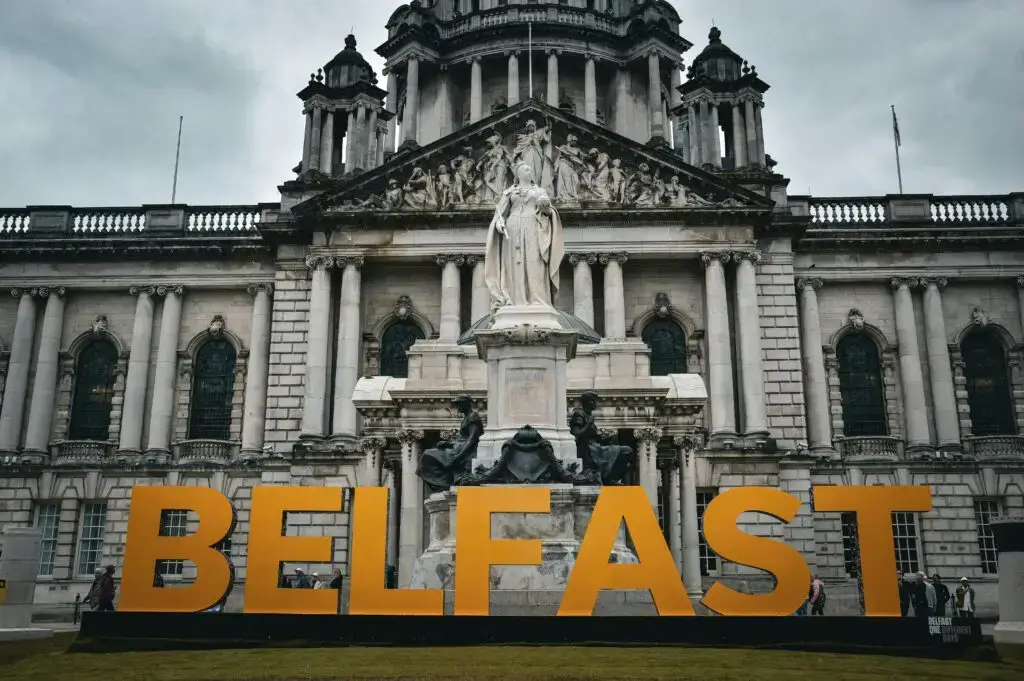
Belfast, the capital of Northern Ireland, has undergone one of the most remarkable transformations of any city in Europe. What was once a symbol of political division is now a lively, cosmopolitan destination filled with museums, murals, waterfront promenades, artisan cafés, markets and creative districts. Walking around Belfast today feels like exploring a city that has consciously chosen to embrace optimism and culture while still acknowledging the layers of its past.
The city has a youthful, entrepreneurial atmosphere — partly due to its universities and partly due to its growing tech and creative industries. Streets that once felt quiet or tense are now filled with independent shops, restaurants serving incredible local produce, vibrant pubs with live music and public art that reflects both hope and historical memory. One of Belfast’s most iconic attractions is the Titanic Belfast Museum, an architectural marvel built on the exact site where the RMS Titanic was designed and constructed. The museum offers an immersive experience that explores shipbuilding in Belfast, the story of the Titanic and the people who built her. Its sharp, metallic design resembles the hulls of ships and reflects the city’s maritime identity.
The Cathedral Quarter, known for its cobblestone streets, bars, galleries and nightlife, is the cultural heart of Belfast. Murals throughout the city tell stories of resilience, identity and transformation, offering visitors a chance to understand the region’s complex history. Yet what makes Belfast particularly powerful is the sense of community and pride that radiates from its people. Conversations with locals often reveal a deep desire to share their stories, celebrate their heritage and welcome travelers with authenticity and humor.
The Causeway Coast – One of the Most Spectacular Shorelines in Europe
Stretching along Northern Ireland’s northern edge, the Causeway Coast is a masterpiece of nature — a coastline filled with towering cliffs, sweeping bays, emerald hills and geological formations that seem almost supernatural. This region has become famous worldwide, not only because of its raw beauty but also because many of its locations appeared in Game of Thrones. Even without the television fame, the Causeway Coast would be considered one of the greatest coastal landscapes in Europe.
At the center of the coastline is the Giant’s Causeway, a UNESCO World Heritage Site and one of the most iconic natural wonders in the world. Formed by ancient volcanic activity, the Causeway consists of more than 40,000 interlocking basalt columns that look as though they were carved by hand. The geometric shapes — mostly hexagonal — lead from the base of the cliffs into the sea, creating a landscape that feels otherworldly. According to Irish mythology, the stones were laid by the giant Fionn mac Cumhaill when he built a path to fight a rival giant in Scotland. This mixture of geological and mythological significance gives the site a magical, timeless atmosphere.
Walking the path along the cliffs reveals sweeping views over the Atlantic Ocean, with sea birds gliding on the wind and waves crashing far below. The colors along the coast change constantly with the weather: deep turquoise one minute, silver and stormy the next. It’s a place that feels alive, shaped by centuries of wind and water.
Carrick-a-Rede Rope Bridge – A Thrilling Walk Between Land and Sea
Not far from the Giant’s Causeway lies the dramatic Carrick-a-Rede Rope Bridge, a 20-meter-long rope suspension bridge linking the mainland to a small rocky island used for centuries by local fishermen. Walking across the bridge is a thrilling experience: the Atlantic surges under your feet, the wind pushes gently against your body, and cliffs tower on both sides. The views are extraordinary — a combination of rugged coastline, open ocean and distant Scottish islands visible on clear days. It is an unforgettable part of any journey through Northern Ireland.
Dunluce Castle – A Ruin with a Legend in Every Stone
Few castles in the world are as dramatically positioned as Dunluce Castle, perched on the edge of a cliff with waves pounding the rocks below. The ruins date back to the 13th century and appear almost suspended above the sea. Dunluce became a symbol of Northern Ireland’s wild, romantic history and was another major filming location for Game of Thrones. Exploring the castle is like stepping into a medieval epic: crumbling walls, arched doorways, hidden chambers and views that stretch endlessly along the coast. The atmosphere is both haunting and poetic.
The Glens of Antrim – Gentle Valleys and Quiet Beauty
Further inland, the Nine Glens of Antrim offer a landscape completely different from the rugged coastline. These lush valleys are filled with streams, forests, waterfalls and small villages that seem unchanged for generations. The glens have an intimate, peaceful atmosphere, with farms, green slopes and winding country roads. This is a place to slow down, walk through nature and enjoy the gentle beauty of rural Northern Ireland.
Derry/Londonderry – A Walled City Rich in Culture and History
Derry/Londonderry, one of the oldest continuously inhabited places in the region, is a city of extraordinary character. Its medieval walls — some of the best preserved in Europe — encircle the old town and offer atmospheric walks with views over the River Foyle, cathedrals, markets and murals. Derry feels both ancient and modern, shaped by centuries of cultural exchange, conflict and creativity.
In recent years, the city has reinvented itself as a festival hub, hosting international events such as the Foyle Film Festival and Halloween celebrations that attract visitors from around the world. Its music scene is vibrant, its cafés and restaurants are thriving, and its historic bridges — particularly the Peace Bridge — symbolize the city’s ongoing transformation and unity.
For travelers interested in political history, Derry offers profound insight and perspective. The murals of the Bogside neighborhood and the Museum of Free Derry explore the region’s past with honesty and emotion, creating a powerful educational experience. Yet the city never feels defined by its history — instead, it feels alive with optimism.
Lough Erne – Lakes, Islands and Quiet Escapes
To the southwest lies the Lough Erne region, a network of lakes, islands and waterways that create a serene environment perfect for boating, fishing, kayaking and peaceful retreats. The region is dotted with historic monasteries, old stone ruins, forests and luxurious hotels that offer waterfront views. It feels like one of the most untouched and tranquil corners of the UK — a place where travelers come to unwind and reconnect with nature.
The Spirit of Northern Ireland – Poetry, Resilience and Beauty
What makes Northern Ireland so special is not just the scenery or the history, but the spirit that binds both together. There is a quiet strength in its landscapes, a sense of endurance and renewal. The people are known for their humor, warmth and generosity. Conversations with locals are often filled with storytelling — sometimes funny, sometimes emotional, always sincere. This deep cultural heart, combined with natural beauty and modern vibrancy, gives Northern Ireland an atmosphere that is impossible to replicate anywhere else in the world.
Culture of the United Kingdom – A Tapestry of Traditions, Identities and Histories
The culture of the United Kingdom is one of the richest and most influential in the world, shaped by centuries of creativity, conflict, migration, innovation and storytelling. What makes UK culture particularly fascinating is the way it blends four distinct national identities under one umbrella. England, Scotland, Wales and Northern Ireland each have their own traditions, flags, folklore, music, festivals and languages. Yet together they form a shared cultural landscape that has impacted global literature, politics, science, music and art for generations.
At the foundation of UK culture lies a deep sense of history. You feel it walking through cities like Oxford, Edinburgh, York or Bath, where cobblestone streets, cathedrals, universities and ancient ruins define the scenery. But the UK is not a museum of the past — it is also a modern, multicultural nation with strong communities from across the world. London, Birmingham, Manchester, Glasgow and Cardiff are home to vibrant neighborhoods where global cuisine, music and traditions blend seamlessly with local heritage. This mixture of old and new makes UK culture endlessly dynamic.
The British are often stereotyped as reserved, polite and understated, yet beneath the surface lies a culture of humor, creativity and emotional depth. British humor, especially, is known for being dry, sarcastic and self-deprecating. Comedy is a major part of the national character, and TV shows, stand-up performances and witty banter in pubs are central to everyday social life.
Literature is another cornerstone of UK cultural identity. Writers such as William Shakespeare, Jane Austen, Charles Dickens, J.R.R. Tolkien, George Orwell, Agatha Christie and the Brontë sisters have shaped world literature. Modern authors like J.K. Rowling, Neil Gaiman, Zadie Smith and Ian McEwan continue this legacy. Meanwhile, the UK’s contributions to music — from The Beatles and Queen to Adele and Ed Sheeran — have influenced entire generations. Music festivals, from Glastonbury to BBC Proms, remain major cultural events.
Across the UK, local traditions remain strong. Scotland celebrates Hogmanay and Burns Night with distinctive rituals. Wales preserves its language and Eisteddfod cultural festivals. Northern Ireland hosts parades, music events and storytelling gatherings, while England holds centuries-old ceremonies such as changing of the guard, May Day festivities and harvest celebrations. These diverse traditions give each region its own cultural rhythm.
Nature of the United Kingdom – Mountains, Coastlines, National Parks and Quiet Countryside
Despite its relatively small size, the United Kingdom boasts an astonishing variety of landscapes. The country’s nature ranges from dramatic mountain ranges and deep valleys to white cliffs, rolling farmland, ancient forests, wild moorlands, island archipelagos and national parks that preserve some of Europe’s most iconic scenery.
In England, the Lake District stands as the crown jewel of natural beauty. Poet William Wordsworth described the region as a place of tranquil landscapes and emotional inspiration. Its mirror-like lakes, graceful hills and charming villages draw millions of walkers and artists. The Peak District offers rugged ridges and open moors, while the Yorkshire Dales provide sweeping valleys dotted with stone barns and sheep-trimmed fields. Southern England contrasts with chalk cliffs, lush countryside and coastal paths that hug the edges of the land for hundreds of kilometers.
Scotland provides some of the wildest and most dramatic nature in Europe. The Highlands contain majestic peaks such as Ben Nevis, deep lochs surrounded by mist, and remote glens that feel untouched by time. The Isle of Skye, the Cairngorms and the Outer Hebrides showcase landscapes shaped by ancient glaciers, storms and volcanic activity. Scotland’s islands, more than nine hundred of them, extend into the North Atlantic and offer beaches that look tropical despite the cold winds.
Wales is defined by mountains and coastlines. Snowdonia’s steep ridges, Pembrokeshire’s golden beaches, the Brecon Beacons’ wide horizons and the Gower Peninsula’s sweeping bays make Wales one of the most scenic corners of the UK. Because everything lies close together, visitors can climb a mountain in the morning and watch the sunset on the beach the same day.
Northern Ireland’s nature shines most brightly along the Causeway Coast. Cliffs plunge into the sea, basalt columns rise from volcanic fields and green valleys stretch inland. Inland, Lough Erne and the Sperrin Mountains offer peaceful rural landscapes perfect for walking and slow travel.
What ties all these landscapes together is the UK’s strong tradition of public access to nature. Footpaths, bridleways and long-distance routes weave across the countryside, giving travelers the freedom to explore some of the most beautiful scenery in Europe without barriers. This connection to the land is deeply embedded in British culture, making the outdoors an essential part of life.
Food of the United Kingdom – From Comfort Classics to Modern Culinary Creativity
British cuisine has undergone a major transformation in recent decades. Once considered simple or traditional, it is now recognized as diverse, innovative and globally influenced. While classic dishes remain deeply loved, the UK has embraced international flavors, farm-to-table practices and creative culinary approaches that reflect multicultural identities.
Traditional British food is comforting, hearty and rooted in colder climates. Dishes like fish and chips, Sunday roast, shepherd’s pie, Cornish pasties, Yorkshire pudding and full English breakfast remain staples. These foods were developed to fuel workers and families throughout long winters and industrial eras. Pubs continue to serve these classics in cozy settings, making them an essential part of any visit.
In Scotland, regional specialties include haggis, Cullen skink, smoked salmon and shortbread. In Wales, cawl soup, bara brith fruit bread and lamb dishes reflect rural traditions. Northern Ireland offers soda bread, boxty potato pancakes and seafood fresh from the Atlantic.
Modern British cuisine, however, is incredibly diverse. Cities like London, Manchester, Edinburgh, Birmingham and Belfast have become culinary hotspots where Michelin-starred restaurants sit alongside street food markets and global eateries. London, in particular, is one of the most international food capitals on earth, offering everything from Korean barbecue and Caribbean jerk chicken to Indian curries, Middle Eastern mezze and high-end fusion dining. Immigrant communities have shaped the UK’s modern food identity, turning it into a vibrant culinary mosaic.
Tea culture remains deeply important, symbolizing comfort and tradition. Afternoon tea — with finger sandwiches, pastries and scones — is a quintessential British experience. Pubs and cafés continue to anchor local communities, where people gather for conversation, warmth and simple meals. Meanwhile, farmers’ markets and artisanal producers highlight the country’s growing emphasis on quality ingredients, sustainable farming and regional specialties.
Transportation in the United Kingdom – Trains, Roads, Buses and Easy Connections
Traveling around the United Kingdom is generally efficient thanks to an extensive transportation network that links major cities, towns and rural areas.
Trains form the backbone of UK transport. The rail network spans almost the entire country, making it possible to move quickly between regions. High-speed lines connect London with Manchester, Edinburgh, Glasgow and other major hubs, while slower scenic routes link rural areas. Trains are comfortable and convenient, especially for travelers who prefer to avoid driving.
Buses and coaches are widely available and often more affordable. Long-distance coach companies connect cities and airports with extensive routes, while local buses serve towns and remote villages. In rural areas, bus schedules may be limited, but they remain useful for travelers without cars.
Driving is an excellent option for exploring national parks, coastlines and remote regions, especially in Scotland, Wales and Northern Ireland. The UK drives on the left, and roads range from modern motorways to narrow country lanes lined with hedges or stone walls. Road trips such as the North Coast 500 in Scotland, the Causeway Coastal Route in Northern Ireland, the Lake District loops in England and the Pembrokeshire coast roads in Wales are among the most scenic in Europe.
Cities like London, Glasgow and Newcastle offer public transport networks including buses, metros, trams and suburban trains. London’s Underground — the Tube — is one of the world’s most iconic transit systems, connecting nearly every district of the city. Ferries operate between islands in Scotland and across Northern Ireland’s waterways, while domestic flights link remote regions with major airports.
Practical Travel Tips for the United Kingdom
Traveling in the UK is generally straightforward, but understanding a few practical insights can make the experience smoother.
The weather is famously unpredictable. Sun, rain, wind and clouds can all appear within an hour. Travelers should pack layers, waterproof clothing and comfortable walking shoes. Summers can be warm and bright, but rain is always possible. Winters are cold but rarely extreme; however, daylight hours are short.
The UK is safe, welcoming and easy to navigate. Locals are generally polite and helpful, though they may seem reserved at first. Queueing (waiting in line) is deeply embedded in British etiquette. Tipping is appreciated but not mandatory; around 10% in restaurants is common.
Money is handled in pounds (£). Cards are accepted almost everywhere, including contactless payments, and cash is no longer essential in many areas.
Electric sockets are type G, with three rectangular pins. Public Wi-Fi is widely available, and mobile coverage is good in most populated areas, though remote highlands or islands may have limited signal.
The UK is extremely walkable. Cities, villages, coastlines and national parks all offer extensive footpaths. Good walking shoes or boots are recommended, especially in Scotland and Wales.
Best Time to Visit the United Kingdom
The UK can be visited year-round, but each season offers a different experience. Spring brings blooming gardens, mild temperatures and longer days. Summer is warm and ideal for festivals, beaches and road trips. Autumn transforms forests and national parks with golden colors, creating stunning scenery. Winter offers Christmas markets, cosy pubs and snow-covered mountains in Scotland and Wales.
The most popular months are May through September, while October and April offer pleasant shoulder seasons with fewer crowds. Winter is perfect for city trips and quiet countryside escapes.
Itineraries for Exploring the United Kingdom – From Urban Classics to Wild Landscapes
The United Kingdom is a surprisingly large and diverse travel destination despite its relatively small footprint on the map. Because the distances between regions are manageable, travelers can explore multiple countries within one trip and experience dramatically different landscapes and cultures in a short amount of time. Whether visitors have a few days or several weeks, the UK offers an itinerary for every style of traveler. The following journeys are designed to showcase the country’s diversity — from fast-paced city adventures to slow, meditative encounters with nature. They can be adapted to suit personal interests, preferred pace and seasonal conditions, making them flexible blueprints rather than fixed routes.
A Classic 7-Day Highlights Itinerary
A one-week trip to the UK is best spent focusing on England and Scotland, with London and Edinburgh serving as ideal anchors. Travelers often begin in London, where three days allow enough time to explore the city’s iconic landmarks, markets, parks and museums. Walking along the River Thames, visiting Buckingham Palace, exploring Covent Garden, crossing Tower Bridge and wandering through the British Museum provide a satisfying introduction to the country’s historical and cultural identity. In the evenings, the West End offers world-famous theater shows, while neighborhoods like Soho and Shoreditch reveal London’s modern spirit.
From London, a train to Edinburgh takes just over four hours, transporting travelers from the bustling capital into the atmospheric heart of Scotland. Edinburgh offers a completely different pace — slower, more intimate, drenched in history and surrounded by dramatic volcanic landscapes. Two or three days in the city allow visitors to explore Edinburgh Castle, the Royal Mile, Arthur’s Seat, Dean Village and the city’s labyrinth of alleys. Travelers who wish to escape into nature can take a day trip into the Highlands or visit nearby villages and lakes. This itinerary shows how varied the UK can be within a short timeframe.
A 10-Day Culture and Nature Journey
A slightly longer trip allows travelers to balance urban culture with natural landscapes in England, Wales and Scotland. Starting in London, visitors can explore museums, theaters and historic streets before traveling to Bath to experience Roman history and elegant Georgian architecture. From Bath, the journey continues to the Cotswolds, where villages made of honey-colored stone, rolling hills and tranquil pastures offer one of the most picturesque countryside experiences in the UK.
After two days in the Cotswolds, the itinerary moves west into Wales. Travelers can visit Cardiff and its vibrant waterfront before heading north to Snowdonia National Park, where mountains, lakes and scenic hikes provide a stark contrast to the gentler landscapes left behind. From Snowdonia, the route continues toward Liverpool or Manchester, two of England’s cultural powerhouse cities, and ends in Edinburgh for a final taste of Scottish heritage and dramatic scenery. This 10-day trip captures the essence of all three regions: the intellectual heart of England, the soulful landscapes of Wales and the emotional grandeur of Scotland.
A 14-Day Grand UK Adventure
For travelers with two weeks, the UK unfolds like a story with multiple chapters. This itinerary can begin in London with four days of exploration, allowing time for classic attractions as well as quieter neighborhoods like Hampstead, Richmond and Greenwich. From London, the journey continues to Cambridge or Oxford, two cities steeped in academic tradition where Gothic towers and medieval colleges create a fairy-tale atmosphere.
Travelers then move north toward York, a beautifully preserved medieval city with Roman walls, Viking heritage and one of the most magnificent cathedrals in Europe. From York, the itinerary can shift west into the Lake District, where walking trails, lakeside villages and poetic scenery provide a restorative break. After two days in the lakes, the road leads into Scotland, beginning in Edinburgh and continuing into the Highlands. Places like Glencoe, Loch Lomond, Cairngorms National Park and Inverness offer a chance to experience Scotland’s most iconic landscapes. For the final stretch, travelers can head to Northern Ireland, visiting Belfast and the Causeway Coast before returning to London or Edinburgh for departure.
This itinerary showcases the extraordinary geographical and cultural range of the UK — from London’s skyscrapers to the remote beaches of County Antrim.
The Ultimate Road Trips of the United Kingdom
Some travelers prefer the open road, seeking freedom, solitude and spontaneous discovery. For them, the UK offers several of Europe’s most spectacular road trips. The North Coast 500 in Scotland is the most famous, looping around the northern Highlands with dramatic cliffs, wild beaches and remote villages. Driving this route feels like navigating the raw edge of the world, where wind shapes the landscapes and every bend reveals a new photograph.
In Northern Ireland, the Causeway Coastal Route stretches from Belfast to Derry, passing volcanic formations, medieval castles, sea arches and lush glens. The road clings to cliffs and estuaries, with waves often crashing near the wheels of passing cars. Meanwhile, Wales offers the Pembrokeshire Coast Road, showcasing the only coastal national park in the UK, along with the Snowdonia Mountain Passes, which open toward vast mountain ranges.
England’s best road trips include the Lake District loops, Cornwall’s coastal edges, the South Downs Way and the Yorkshire Dales circuits, all of which combine natural beauty with charming villages. These routes highlight the UK’s dramatic diversity and the ease with which travelers can transition from cities to wilderness.
Long-Distance Walking & Hiking Routes
For travelers who prefer to explore on foot, the UK is one of the world’s best destinations. The country is interwoven with public footpaths, national trails and ancient routes that pass through villages, forests, fields and coastal cliffs. The South West Coast Path in England stretches 1,000 kilometers around the edges of Devon and Cornwall, offering some of the most dramatic seaside scenery in Europe. The West Highland Way in Scotland leads from the outskirts of Glasgow into the heart of the Highlands, ending at the foot of Ben Nevis. Wales’s Pembrokeshire Coast Path reveals untouched beaches and hidden coves, while the Glyndŵr’s Way and Offa’s Dyke Path provide historical journeys through old borders and rulers.
These long-distance walks immerse travelers in the landscapes at a slow pace, allowing them to understand the rhythms of rural life. Every day reveals new terrain, wildlife and weather, creating a deep connection with the environment.
A Slow Travel Lifestyle in the UK
Slow travel in the UK is becoming increasingly popular, especially among visitors who want to experience local life rather than rush from landmark to landmark. Staying in countryside cottages, exploring regional markets, walking between villages, visiting local pubs and engaging with small communities reveal another side of British culture. This lifestyle highlights the UK’s love for countryside preservation, its traditions of gardening, farming and weekend escapes, and its appreciation for local craftsmanship.
Many travelers choose to spend extended periods in areas like the Scottish Highlands, the Welsh countryside, the Cotswolds or the English seaside, finding comfort in the simplicity of landscapes and the warmth of local hospitality. Slow travel allows visitors to understand why the British feel such a deep attachment to their land — an attachment visible in literature, art, politics and everyday life.
Final Conclusion – Why the United Kingdom Is One of the World’s Most Rewarding Travel Destinations
The United Kingdom is not just a collection of four countries; it is a living tapestry woven from centuries of stories, landscapes, struggles, creativity and identity. It is a place where modern skyscrapers stand beside medieval cathedrals, where remote islands preserve old languages and traditions, where mountainous national parks feel untouched by time, and where cities pulse with innovation and cultural energy. The UK is both ancient and modern, reserved and expressive, peaceful and dramatic, familiar yet endlessly surprising.
Travelers come to the UK for different reasons. Some arrive for London’s electric atmosphere, for Edinburgh’s gothic skyline, for the castles of Wales or for the rugged Highlands of Scotland. Others come for the coastlines, the festivals, the literature, the music, the architecture, the landscapes or the history. But what brings all of these experiences together is the sense of depth, meaning and humanity that defines the region. The UK is filled with contrasts that complement each other — from quiet seaside villages to bustling cities, from windswept cliffs to tranquil lakes, from ancient ruins to futuristic buildings.
One of the most powerful aspects of the United Kingdom is its ability to evoke emotion. Standing on a cliff in Scotland or Wales, walking the old walls of York, exploring the streets of Belfast, hiking through the Lake District or watching the sunset over Pembrokeshire moves travelers in ways that are difficult to articulate. These landscapes and stories shape the imagination, inviting visitors to reflect on their own journeys.
The people of the UK — kind, humorous, resilient, culturally diverse and deeply connected to their land — are at the heart of this experience. Conversations with locals reveal insights into traditions, hopes, memories and ideas that transform sightseeing into a shared human narrative. This sense of connection gives the UK its emotional impact.
To travel through the United Kingdom is to move through a world of layers: layers of history, layers of culture, layers of landscapes and layers of identity. Each region stands proudly on its own, yet all four are united by a shared spirit of creativity, endurance and complexity. This makes the UK not only a destination to visit but a place to feel — a place where travelers can engage with beauty, culture, depth and meaning at every turn.
For all these reasons, the United Kingdom stands as one of the most rewarding, inspiring and unforgettable travel destinations in the world — a journey that expands the imagination, stirs the heart and stays with travelers forever.
 Related Articles
- Kakslauttanen Arctic Resort
- Top 10 Most Unique Places to Stay in Europe
- 10 Incredible Castles Around the World