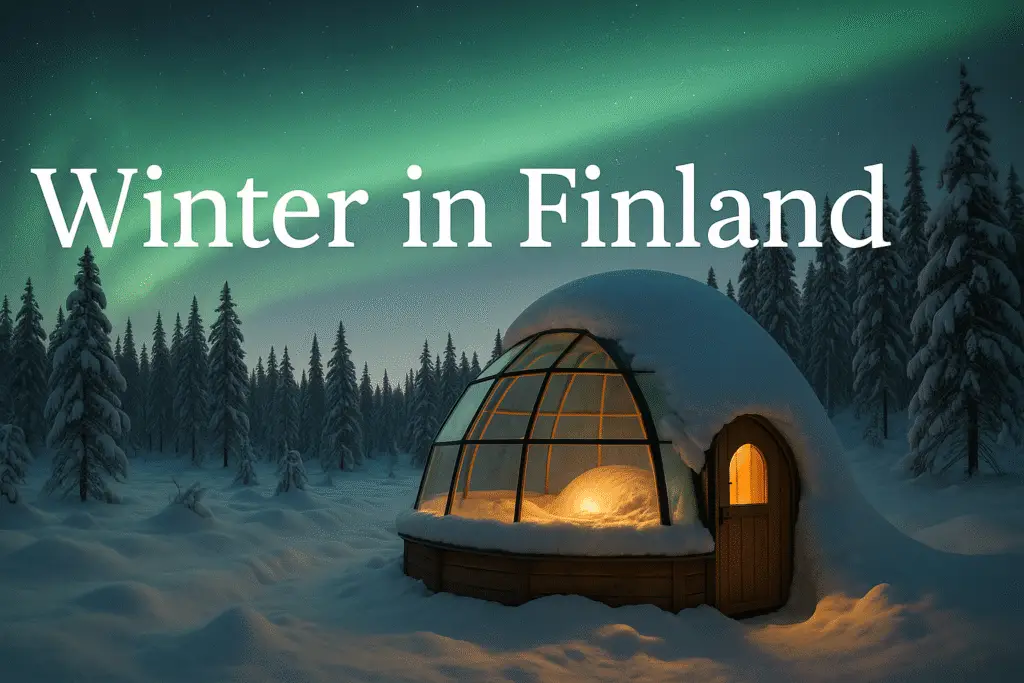
Finland is one of the most magical winter destinations in the world. From snow-covered pine forests and frozen lakes to glass igloos where you can watch the Northern Lights dance above you, Finland feels like a real-life winter fairytale. It’s peaceful, clean, safe, and incredibly unique — and during winter, it transforms into the ultimate Arctic playground.
This guide is your complete resource for planning an unforgettable trip. Whether you want to stay in a glass igloo, visit Santa Claus Village, race through the forest with huskies, or explore national parks buried in soft powder snow, Finland offers a once-in-a-lifetime experience for every traveler.
In this first part, you’ll discover why Finland is Europe’s best winter destination, the best regions to visit, and the top winter experiences that should be on every bucket list.
Why Finland Is Europe’s Best Winter Destination
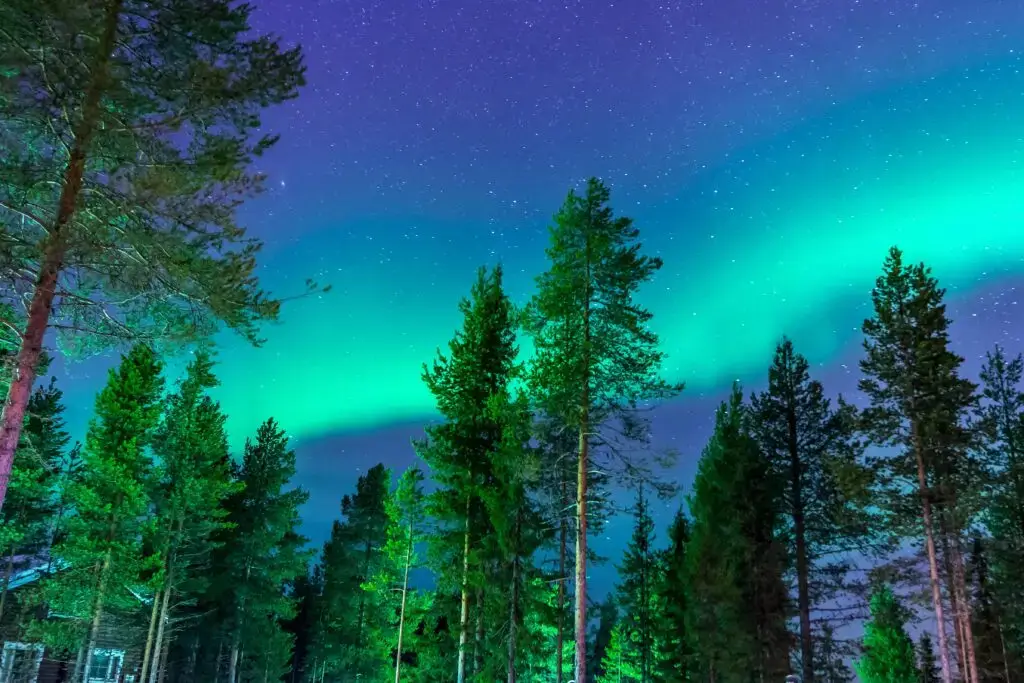
Finland has the perfect ingredients for a magical winter trip — predictable snow, untouched nature, cozy winter villages, and some of the clearest skies in the world for Northern Lights watching. Additionally, everything feels safe, well-organized, and easy to explore, even for first-time winter travelers.
1.It’s one of the most snow-reliable destinations
While many European destinations suffer from warm winters, Finland is consistently cold from late November until early April. Snow blankets the landscape for months, creating perfect conditions for skiing, snowmobiling, and husky safaris.
2. The best Northern Lights visibility in Europe
Lapland — the northern region of Finland — is located above the Arctic Circle, which means long polar nights and dark skies with little light pollution.
You can see the Northern Lights on up to 200 nights per year.
Top aurora locations:
- Rovaniemi
- Levi
- Saariselkä
- Inari
- Kilpisjärvi
These regions offer dedicated Northern Lights tours, glass-roof hotels, and wilderness cabins built specifically for aurora viewing.
3. The world’s best igloo and glass-roof accommodations
Finland is famous for its igloo villages and hybrid cabins with heated glass roofs. You can sleep under the stars, watch the aurora from bed, and enjoy privacy in the middle of the snow.
Popular igloo destinations include:
- Kakslauttanen Arctic Resort
- Arctic SnowHotel & Glass Igloos
- Apukka Resort
- Levin Iglut
- Northern Lights Village (several locations)
These hotels offer strong affiliate potential because travelers often book 2–3 nights at premium rates.
4. Unique Arctic activities you won’t find elsewhere
Where else can you combine snowmobile adventures, reindeer sleigh rides, ice swimming, sauna rituals, and sleeping in an ice hotel — all in one trip?
Winter in Finland is filled with authentic Nordic culture, including traditional Lapish food, Sami heritage, and winter festivals.
5. It’s extremely safe and easy to travel
Finland is clean, friendly, and safe, even in remote towns. English is widely spoken, and transportation is reliable (bus, train, domestic flights). Many activities include hotel pickup, making everything convenient.
Best Places to Visit in Finland This Winter
Finland looks completely different in each region. Below is the essential overview of the best winter destinations, perfect for creating internal links later.
Rovaniemi – Santa Claus Village & The Gateway to Lapland
Rovaniemi is the most popular winter destination in Finland and often the first stop for travelers flying into Lapland. It’s known as the official hometown of Santa Claus, but it’s much more than that — this Arctic town offers a perfect mix of activities, hotels, restaurants, and easy access to nature.
Why Rovaniemi is perfect for first-timers
- Direct airport with many winter flights
- Dozens of Northern Lights tours
- Many hotels suited for families and couples
- Snow activities all within 10–30 minutes
- Santa Claus Village is magical for children
Best things to do in Rovaniemi
- Visit Santa Claus Village
- Take a husky safari through the forest
- Join a Northern Lights chase by minivan or snowmobile
- Visit the Arktikum Museum
- Explore the snowy wilderness by snowmobile
- Cross the Arctic Circle line
Best hotels in Rovaniemi
- Apukka resort– glass igloos + winter activities on site
- Arctic Light Hotel – boutique design hotel in the city
- Arctic SnowHotel & Glass Igloos – stay in a real ice room or glass igloo
Levi – Finland’s Top Ski Resort
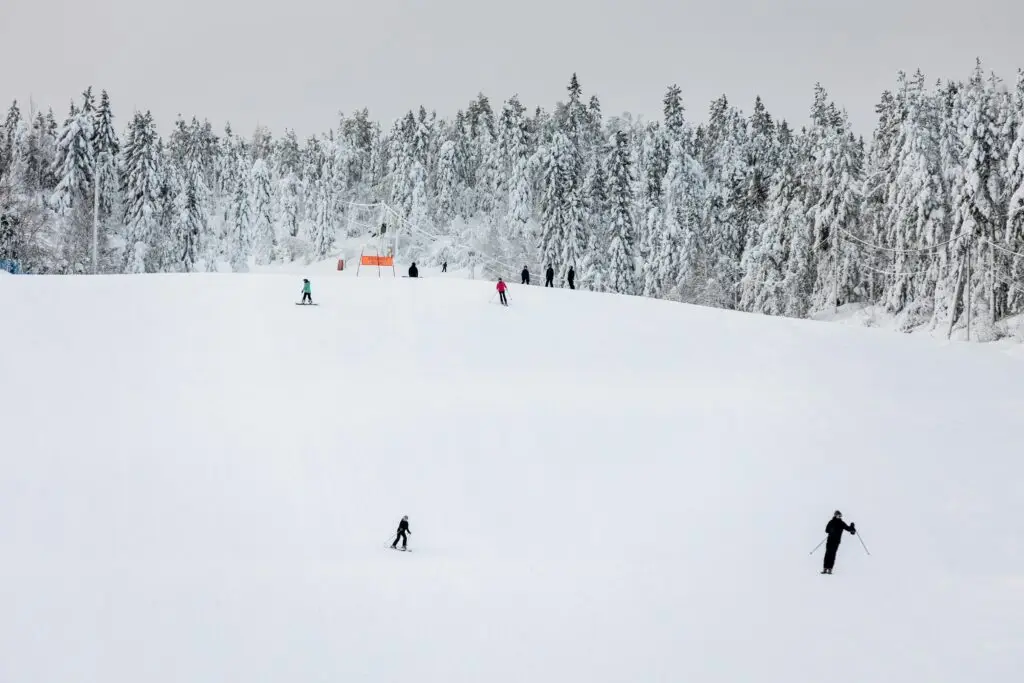
Levi is Finland’s largest and most popular ski resort, and it offers the perfect mix of winter sports, nightlife, spa hotels, and Northern Lights views. The village is compact, modern, and has dozens of restaurants and shops.
: What makes Levi special
- The best ski slopes in Finland
- Gondola lifts and snow parks
- Cozy log cabins and high-end chalets
- Aurora views from the ski slopes at night
- Great for a full winter holiday (not just day trips)
Top experiences in Levi
- Night skiing under the stars
- Snowmobiling across frozen landscapes
- Ice karting (unique to Levi!)
- Reindeer farm visits
- Relaxing in luxury spa hotels
Best hotels in Levi
- Levi Hotel Spa – pools, saunas, family-friendly
- Design Hotel Levi – modern, stylish, near slopes
- Lapland Hotels Sirkantähti – cabins with private sauna
Saariselkä – Finland’s Igloo Capital
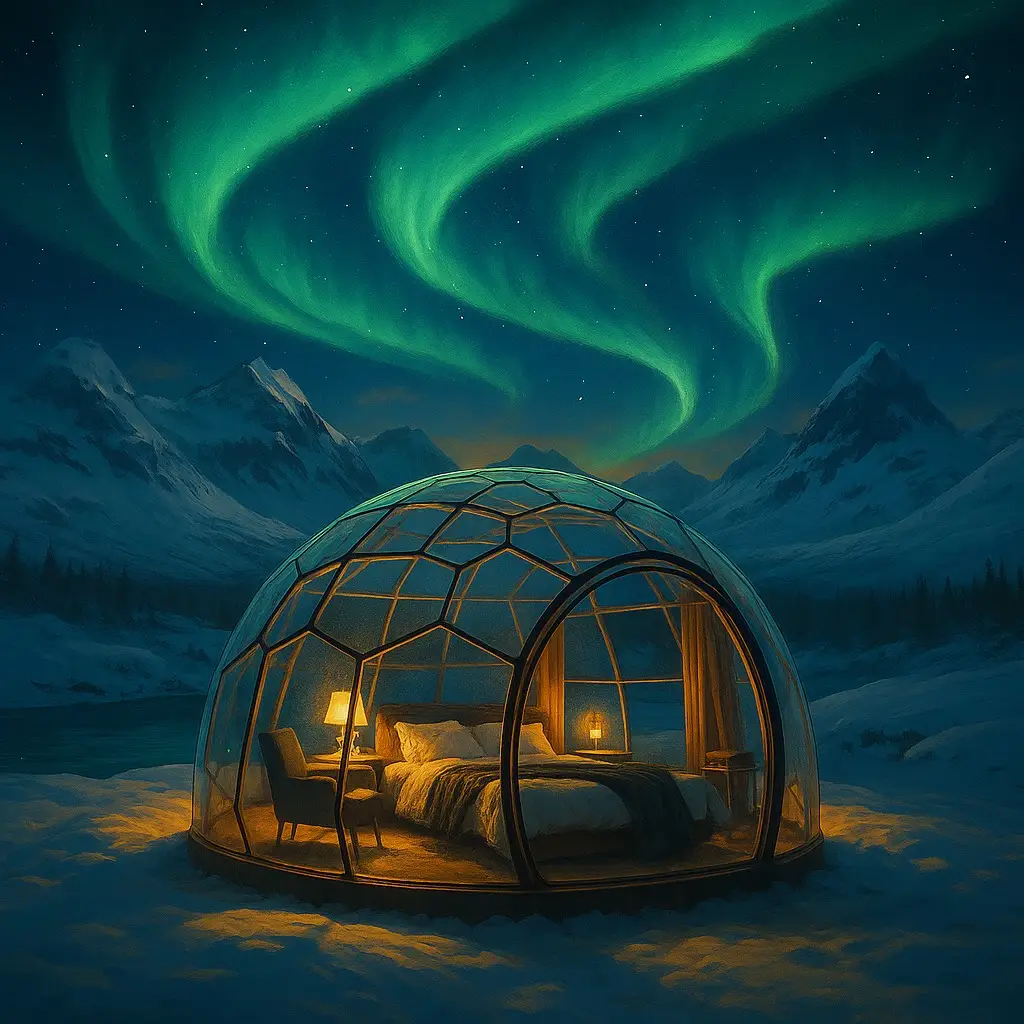
Saariselkä is a quiet, magical region surrounded by snowy fells and pine forests. It’s famous for its glass igloo villages, peaceful atmosphere, and breathtaking aurora visibility. Compared to Rovaniemi and Levi, Saariselkä feels more remote and wild.
: Highlights of Saariselkä
- Dozens of glass igloo hotels
- One of the best places in Finland for Northern Lights
- Urho Kekkonen National Park
- Excellent cross-country skiing trails
- Traditional smoke saunas
: Best hotels
- Kakslauttanen Arctic Resort – world-famous igloos
- Northern Lights Village – glass-roof cabins
- Wilderness Hotel Muotka – romantic, remote, authentic
- Star Arctic Hotel – located on a hilltop with stunning views
Kemi – SnowCastle & Icebreaker
Kemi is home to one of the most unique winter attractions in the world: the Sampo Icebreaker Cruise, where you sail through thick sea ice and even float in the icy water wearing a survival suit.
Top highlights
- SnowCastle of Kemi – a hotel and restaurant made entirely of snow
- Icebreaker Cruise – bucket list!
- Snow sauna – yes, a sauna made of snow
- Sea ice walking tours
Helsinki – Cozy Winter City Break
While Lapland steals the spotlight, Helsinki is a beautiful winter city full of Nordic design, markets, restaurants, and frozen seaside landscapes.
What to do in winter
- Visit the Oodi Library, one of the world’s most modern
- Explore Helsinki Cathedral in the snow
- Wander through the Old Market Hall
- Warm up in a traditional Finnish sauna
- Take a day trip to Suomenlinna Fortress
Top Winter Experiences in Finland
Husky Safari (The Most Iconic Finnish Experience)
A husky safari is often the highlight of a winter trip. You’ll glide through snowy forests behind a team of energetic huskies while the only sound you hear is the sled on the fresh snow. Tours range from 10 km rides to full-day adventures with campfire lunch.
Best locations:
- Rovaniemi
- Levi
- Saariselkä
- Inari
Reindeer Sleigh Ride (Traditional Lapland Culture)
This is one of Finland’s oldest traditions. Reindeer farms offer peaceful sleigh rides through snowy forests, and many experiences include storytelling from local Sami families.
Snowmobile Adventure (High adrenaline)
Snowmobiling across frozen lakes and deep forests is a must-do. Evening tours combine speed with Northern Lights viewing, making it one of the best-value excursions.
Northern Lights Chase
Tours usually include:
- Hot drinks
- Campfire snacks
- Professional photography
- Thermal clothing
Some tours go deep into the wilderness for the best visibility.
Ice Hotel Experience
Finland has several snow and ice hotels where rooms are sculpted by artists each year. Temperature inside: 0°C to -5°C. They give you thermal sleeping bags, so it’s more comfortable than it sounds!
Best Time to Visit Finland in Winter
Winter in Finland stretches across nearly half the year, from late November to early April, and each month offers a completely different kind of magic. Some travelers imagine December as the ultimate month because of Santa Claus and Christmas lights, but in reality, January, February, and March often provide better snow conditions, clearer skies, stronger Northern Lights visibility, and more stable temperatures. Understanding the unique feel of each month will help you choose the perfect travel period for your Finland adventure.
November marks the early arrival of winter in Lapland. Snow begins to cover the forests, lakes start to freeze, and the landscape shifts from autumn colors to monochrome Arctic beauty. It’s a quiet month, with fewer visitors and some activities starting gradually. Prices are lower, and although daylight is limited, the atmosphere feels calm and untouched.
December transforms Finland into a real-life Christmas postcard. Rovaniemi becomes the global capital of festive magic, Christmas markets glow in cities like Helsinki, Levi’s ski village buzzes with energy, and holiday travelers fill the resorts. However, December is also among the cloudiest months, which means aurora visibility can be unpredictable. If you’re visiting for the festive experience, it’s perfect; if you want strong Northern Lights, January might be better.
January is one of the best months for pure Arctic experiences. The snowpack is deep and undisturbed, temperatures drop significantly, and the skies clear up. This combination creates ideal conditions for winter photography, husky sledding, snowmobiling, and aurora hunting. January is also less crowded than December, and prices tend to be more reasonable.
February delivers stable winter weather, crisp air, and beautiful sunshine reflecting off the snow. The days are still short, but brighter than January, and conditions are excellent for snowmobile tours, skiing, and national park adventures. Many travelers consider February the perfect balance between daylight and deep winter atmosphere.
March might surprise you as the ultimate all-round month. Days become substantially longer, allowing more time for outdoor adventures. Snow conditions remain excellent, and despite longer daylight hours, the Northern Lights remain visible. Temperatures are milder but still cold enough for real Arctic experiences, making March very attractive for first-time visitors, families, and skiers.
April is a transition month, but in Lapland, winter still dominates. You can still ski, snowshoe, and enjoy snowy forests, but the feeling becomes more relaxed, with warmer days and more sunlight. The Northern Lights fade by mid-April, but the extended daylight hours provide a unique late-season winter experience.
What Winter Really Feels Like: Temperatures, Daylight & Conditions
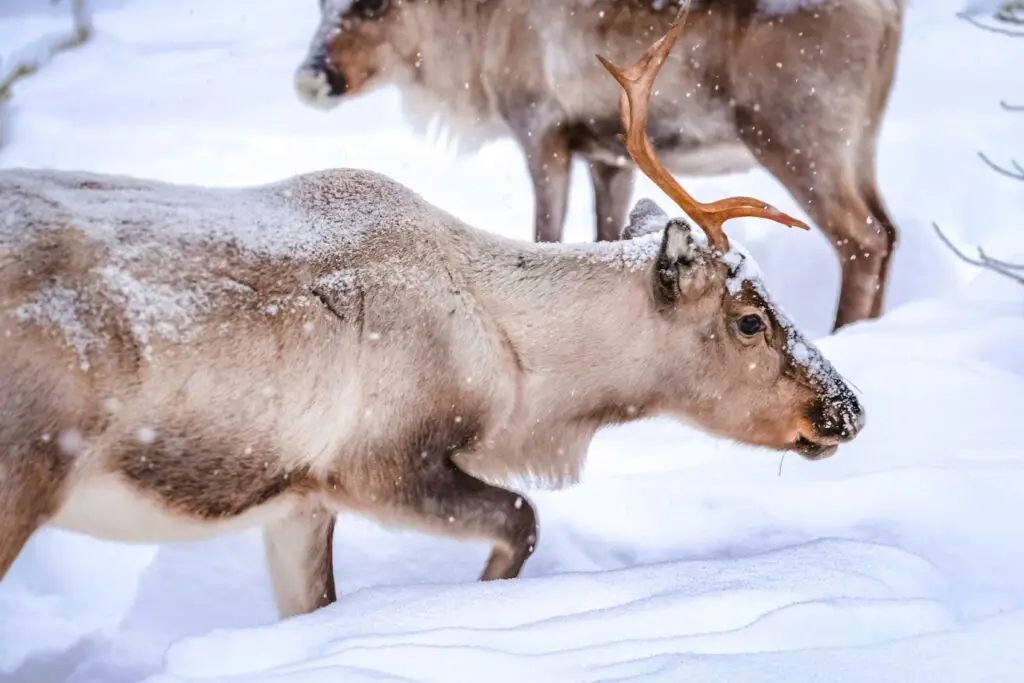
Winter in Finland is defined by crisp air, deep snow, and dramatic variations in daylight. In Helsinki, temperatures hover between 0°C and –10°C, often accompanied by coastal winds that make the cold feel sharper. In Rovaniemi, Levi, and other Lapland regions, temperatures typically sit between –10°C and –20°C, but can dip to –30°C during Arctic cold snaps.
Surprisingly, the cold in Finland often feels more comfortable than similar temperatures in Western Europe. The air is dry, snowfall is powdery, and humidity is low, so extreme temperatures can feel less bitter than expected. However, wind chill is a major factor. During snowmobile tours or husky safaris, the rushing air can push the perceived temperature far lower, so proper clothing becomes essential.
Daylight varies dramatically depending on how far north you travel. In Helsinki, even in December, you still get several hours of usable light. In Lapland, the famous polar night occurs in mid-winter, when the sun stays below the horizon. But contrary to what many imagine, this is not complete darkness — the sky glows in shades of blue and pink, creating surreal landscapes perfect for photography and aurora hunting. From January onward, daylight increases rapidly, and by March, you can enjoy long, bright days balanced with beautiful aurora-filled nights.
Snow conditions in Finland are often exceptional. Powder snow covers forests, lakes, and mountain fells, creating an untouched wonderland. Unlike some European destinations where rain can appear even in winter, Lapland remains consistently cold enough to maintain perfect winter conditions for months.
What to Pack for a Winter Trip to Finland
Packing correctly is key to enjoying winter in Finland. Many travelers assume they only need a thick jacket, but real Arctic comfort comes from layering. A well-designed layering system allows you to stay warm even at –25°C while still being comfortable indoors.
Start with a thermal base layer. Merino wool is considered the gold standard because it’s warm, breathable, and odor-resistant. Synthetic alternatives work well too, especially for highly active days like skiing or snowmobiling. The base layer traps heat close to your skin and keeps moisture away.
Next, add a midlayer, such as a fleece jacket or lightweight down jacket. This is your insulation — it retains warmth and adds bulk without restricting movement. On the coldest days, combining fleece and a light down layer offers excellent protection.
Your outer layer must be windproof and waterproof, especially for activities involving speed. For snowmobile tours, dog sledding, and reindeer sleigh rides, you spend long periods exposed to wind and snow. A high-quality parka or shell jacket with sealed seams is crucial. Fortunately, many activity providers supply full Arctic overalls, heavy boots, thermal gloves, and helmets, but having your own warm foundation layers underneath makes a huge difference.
Hands and feet are particularly vulnerable to cold. Bring thick wool socks, insulated winter boots with good grip, and gloves with both inner and outer layers. Mittens are generally warmer than fingered gloves. A warm hat, scarf or neck warmer, and face protection are also essential.
Electronics behave differently in extreme cold. Phone and camera batteries drain rapidly at low temperatures, so pack power banks and keep devices close to your body when not in use. For photographers, lens wipes, hand warmers, and protective covers are extremely helpful.
Other useful items include lip balm, moisturizer, sunglasses for bright snowy days, a thermos flask, and crampons for icy sidewalks. It’s better to pack more layers than you think — you can always remove clothing, but it’s difficult to add warmth once you’re outside in deep Arctic cold.
Winter Safety Tips for Finland
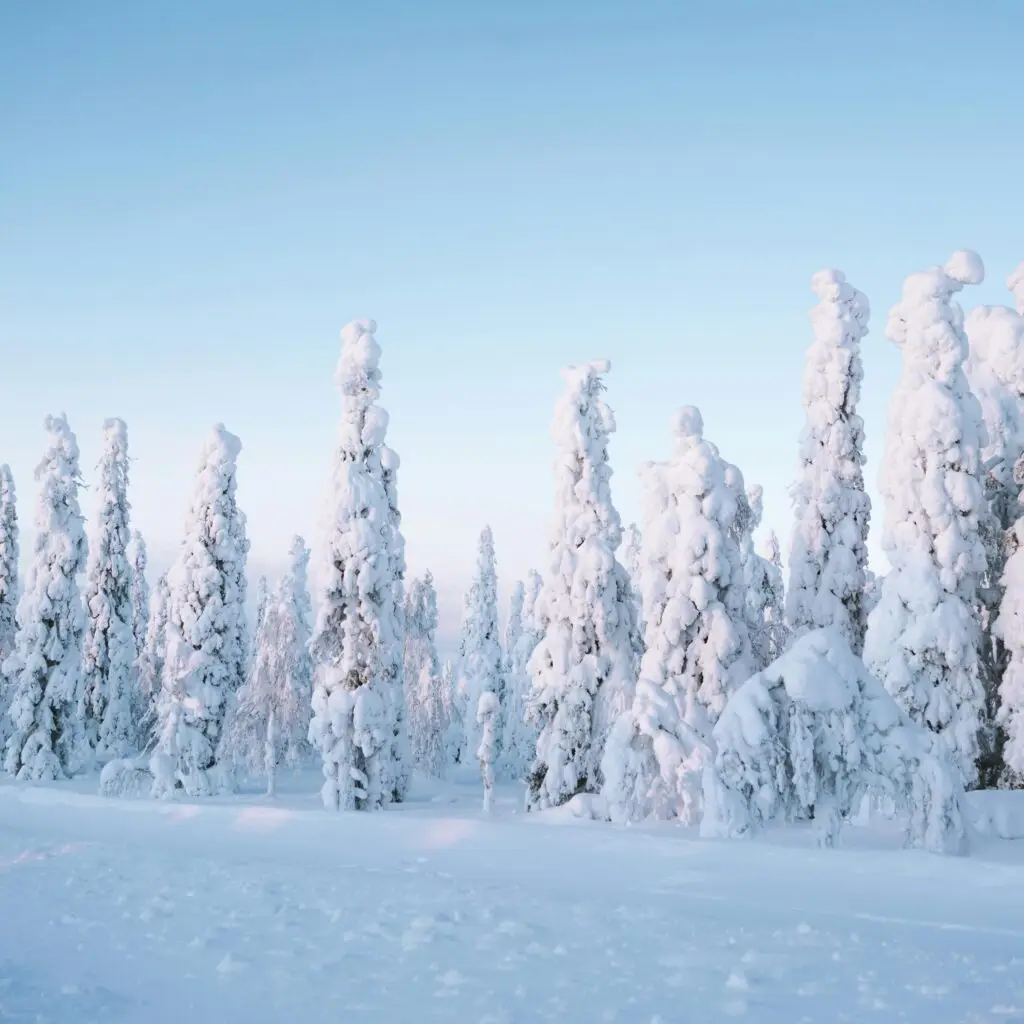
Finland is one of the safest countries in the world, but winter conditions demand respect. Cold temperatures, icy surfaces, deep snow, and remote landscapes can create challenges if you’re unprepared. Following a few essential safety guidelines will ensure your trip remains enjoyable and worry-free.
The most important rule is to avoid underestimating the cold. Even experienced winter travelers can be surprised by the intensity of Arctic air. Frostbite can occur quickly if skin is exposed at –20°C or in strong wind. Always wear gloves, keep your head covered, and add extra layers if you start feeling chilled.
For snowmobile tours, listen carefully to the instructions. Snowmobiles are powerful and require control, especially on narrow trails or icy lakes. Guides choose the safest routes based on weather and snow conditions, and their speed is usually slower than what adventurous travelers might expect. This pace is intentional — it ensures you stay safe while still enjoying the experience.
During husky sledding, the dogs are strong and energetic. They accelerate quickly and rarely slow down unless you brake. Always keep both hands on the sled, lean back on steep descents, and maintain enough braking pressure to avoid bumping into the team in front.
For independent winter walks, never wander off the designated paths, especially in deep snow areas. Forest landscapes in Lapland may seem easy to navigate, but visibility can drop quickly, and everything looks similar when covered in snow. If you’re hiking or snowshoeing, go with a guide unless you’re highly experienced.
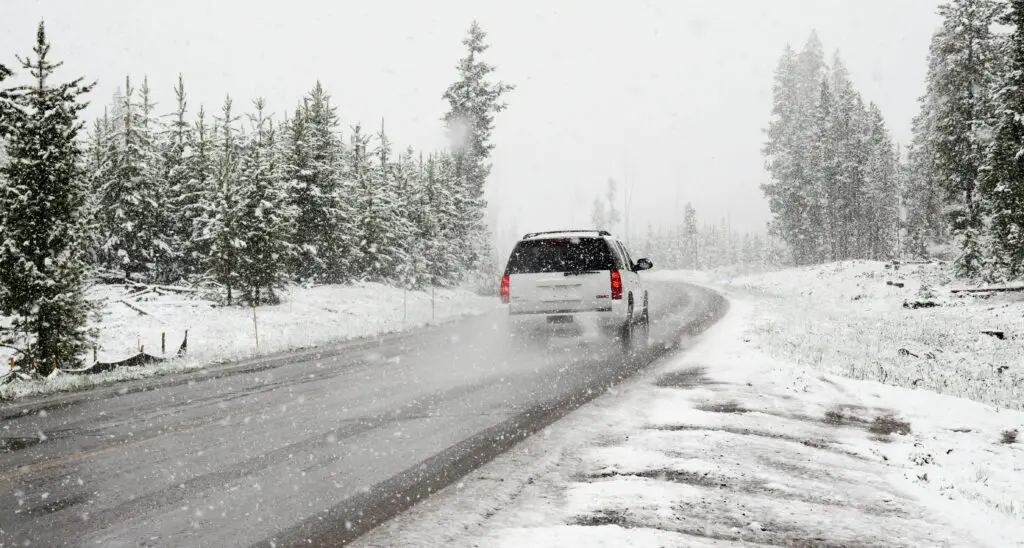
Driving in Finland is generally safe thanks to studded tires and excellent road maintenance, but conditions can still be slippery. Always drive slowly, especially at night, and watch for reindeer crossings in Lapland — they often gather in groups and move unpredictably.
Lastly, remember that locals know the environment better than anyone. If a guide tells you an activity is unsafe due to weather, trust their judgment. Arctic conditions can change rapidly.
How to Get Around Finland in Winter
Getting around Finland is surprisingly easy, thanks to excellent infrastructure and reliable transportation systems designed to handle extreme weather. Most travelers arrive via Helsinki Airport, a modern and efficient hub with connections across Europe and the world. From there, domestic flights take you directly to the main winter destinations: Rovaniemi, Kittilä (for Levi), Ivalo (for Saariselkä), and Kemi.
Flights within Finland are short, typically around one hour, and rarely experience major delays due to snow. Finnish airports are extremely efficient in winter operations.
For travelers seeking a more scenic or relaxed journey, Finland’s night trains are legendary. The overnight sleeper train from Helsinki to Rovaniemi or Kolari allows you to sleep in cozy cabins and wake up surrounded by snow-covered forests. Trains are clean, punctual, and offer private bathrooms in upgraded cabins. This slow travel option feels both romantic and practical — you save a night of accommodation and arrive in Lapland refreshed.
Buses connect nearly all regions, including smaller ski villages and remote igloo hotels. Even during heavy snow, bus schedules are reliable. Resorts like Levi and Saariselkä offer free ski buses that transport visitors between hotels, lifts, shops, and restaurants.
Renting a car provides freedom, especially for travelers who want to explore national parks or multiple regions. Cars come equipped with studded winter tires, heated seats, and often engine heaters. Driving requires caution — roads can be icy, visibility can drop quickly, and reindeer roam freely. If you’re comfortable driving in winter, the experience can be rewarding.
Most winter tours include transfers, meaning you don’t need your own transport for activities like husky safaris, reindeer farms, icebreaker cruises, or aurora hunts. Guides usually pick you up directly from your hotel lobby, making logistics effortless.
Suggested Winter Itineraries for Finland
5-Day Winter Itinerary — Highlights of Lapland
A five-day winter trip is ideal for first-time visitors who want to experience Finland’s most iconic activities without rushing. This itinerary balances adventure with relaxation and ensures you witness both Arctic landscapes and authentic local culture.
Day 1 – Arrival in Rovaniemi
Check into your hotel or glass-roof accommodation and immerse yourself in the snowy landscape. Visit Santa Claus Village, cross the Arctic Circle, explore local cafés, and prepare for your first night of aurora watching.
Day 2 – Husky Safari and Afternoon Snowmobiling
Start the day with a husky adventure through snowy forests, followed by lunch around a campfire. In the afternoon, join a snowmobile safari across frozen lakes and forest trails. In the evening, relax in your sauna or join a Northern Lights photography tour.
Day 3 – Reindeer Culture and Arctic Museums
Visit a traditional reindeer farm, learn about Sami traditions, and enjoy a peaceful sleigh ride. Later, explore the Arktikum Museum and walk along the riverside trails in Rovaniemi.
Day 4 – Transfer to Levi + Spa Evening
Travel to Levi, Finland’s best ski village. Spend the afternoon wandering through the town, trying local bakeries, or hitting the slopes. End the day with a sauna and a relaxing evening at a spa hotel.
Day 5 – Skiing, Snowshoeing, or Last Aurora Opportunity
Levi offers fantastic skiing and snowboarding, but you can also choose snowshoeing, ice-karting, or a final aurora chase before departure.
7-Day Winter Itinerary — Full Lapland Experience
A week in Finland allows you to explore multiple regions, sleep in an ice hotel, stay in a glass igloo, and enjoy a perfect balance of wildlife, adventure, and culture.
Day 1 – Arrival in Rovaniemi
Settle into your accommodation and visit Santa Claus Village.
Day 2 – Long Husky Safari + Northern Lights Tour
A full-day husky sledding experience followed by an evening aurora chase.
Day 3 – Ice Hotel Stay + Snowmobile Tour
Spend the night at an ice hotel such as Arctic SnowHotel, enjoy snowmobiling, and try ice swimming or a snow sauna.
Day 4 – Transfer to Levi + Afternoon Skiing
Explore Levi’s slopes or enjoy a quiet evening in the village.
Day 5 – Travel to Saariselkä for an Igloo Stay
Check into a glass igloo resort and prepare for magical aurora views.
Day 6 – National Park Adventure + Reindeer Culture
Explore Urho Kekkonen National Park and learn about Sami traditions.
Day 7 – Return to Rovaniemi + Final Evening
Spend your last night relaxing or join one final aurora experience.
Best Winter Hotels & Resorts in Finland
Finland offers some of the most unique winter accommodations in the world. You can stay in a glass igloo under the Northern Lights, sleep inside a real snow hotel sculpted entirely from ice, relax in luxury spa lodges surrounded by frozen forests, or escape into cozy log cabins deep in the wilderness. These accommodations are not just places to sleep—they are experiences that define the entire trip. The right hotel can turn a Finland vacation into something unforgettable.
Best Hotels in Rovaniemi
Rovaniemi is the most popular winter destination in Finland, and because of that, it has an incredible variety of accommodations, from luxurious design hotels to family-friendly chalets and spectacular glass igloo resorts.
Arctic Light Hotel
Arctic Light Hotel is a stylish boutique hotel located right in the center of Rovaniemi. It blends Art Deco interiors with warm wooden textures, creating a sophisticated atmosphere that still feels distinctly Arctic. Rooms feature soft lighting, plush bedding, and elegant bathrooms with rain showers. Guests love the breakfast—rich with local berries, smoked fish, and Finnish pastries. This hotel is perfect for travelers who want comfort and convenience and prefer staying in the city rather than in a remote igloo.
Santa Claus Holiday Village
This is the classic family-friendly choice inside Santa Claus Village, making it ideal for travelers with children. The wooden cabins have private saunas, kitchenettes, heated floors, and direct access to snowy trails. The moment you step outside, Christmas music plays softly through the village speakers, and reindeer walk near the paths. It feels magical and charming in a way that only Lapland can offer. In winter, everything glows under layers of snow and fairy lights.
Apukka Resort
Apukka Resort is one of the most beautiful winter accommodations in all of Finland. Located outside the city, it offers a wide open sky with very little light pollution, making it perfect for Northern Lights viewing. Guests can choose from glass-roof igloos, cozy winter cabins, and premium suites with private hot tubs and panoramic windows. The property also has on-site activities like snowmobiling, saunas, aurora trains, and husky rides, meaning you never have to travel far for adventure.
Arctic SnowHotel & Glass Igloos
This is a once-in-a-lifetime experience. The SnowHotel is rebuilt every winter entirely from snow and ice. Each room has ice walls, ice beds, ice sculptures, and soft LED lights glowing through the frost. Even the bar is carved from ice, serving drinks in carved ice cups. Although the temperature inside stays between 0°C and –5°C, the thick thermal sleeping bags keep guests warm. Next to the SnowHotel are luxurious heated glass igloos where you can watch the aurora from bed.
Best Hotels in Levi
Levi is Finland’s top ski resort and offers a mix of slope-side hotels, spa resorts, luxury chalets, and some of the most romantic igloos in the country.
Levi Hotel Spa
Golden Crown is a magical igloo village perched on a hillside overlooking Levi. The glass igloos are elegant, with heated windows that stay crystal clear even during heavy snowfall. Inside, guests find warm wooden interiors, luxurious bedding, and electric adjustable beds designed for aurora watching. The silence around the igloos is beautiful, interrupted only by the sound of snow rustling in the wind.
Design Hotel Levi
A modern, stylish hotel located near ski slopes and restaurants. The interior design is sleek—dark tones, natural woods, and large windows creating a minimalist, Nordic look. Guests love the spacious rooms, gourmet food options, and the fact that everything in Levi is just a short walk away.
Lapland Hotels Sirkantähti
A cozy hotel offering rooms with private saunas, warm cabins, and direct access to cross-country ski trails. The snow-covered surroundings make it feel like a true winter retreat.
Best Hotels in Saariselkä
Saariselkä is ideal for travelers seeking peaceful landscapes, Northern Lights visibility, and romantic igloo stays.
Kakslauttanen Arctic Resort
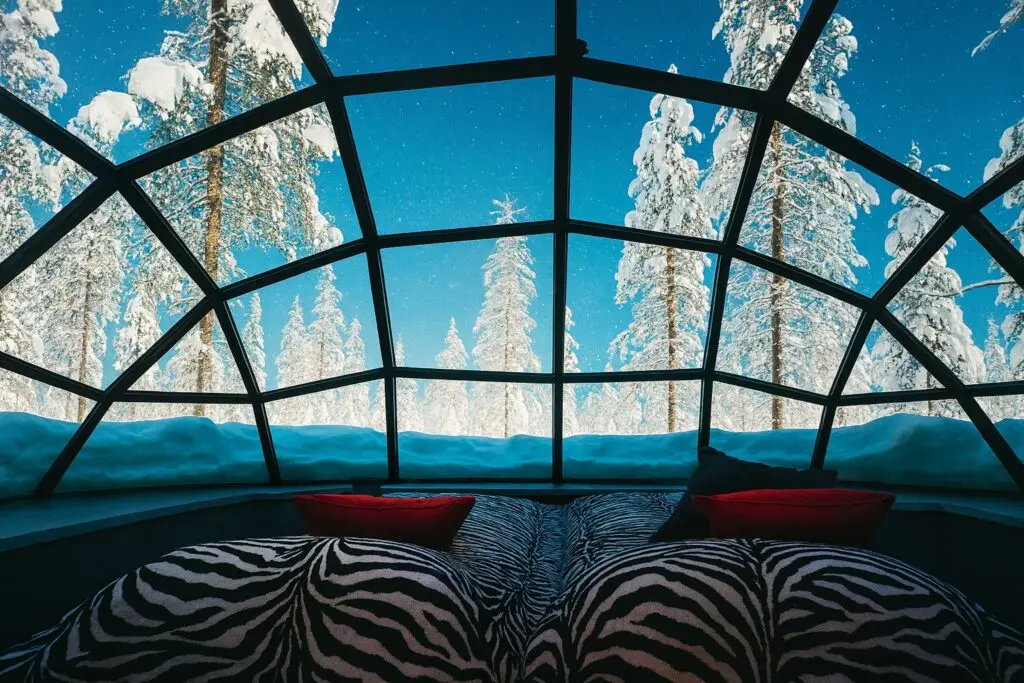
The world-famous igloo resort that often appears in winter postcards. Guests can sleep in classic glass igloos, large premium igloos, or warm wooden cabins with private saunas. The surroundings are untouched, and the silence is enchanting. At night, the sky often glows with dancing auroras, perfectly visible through the heated glass roofs. Kakslauttanen also offers reindeer safaris, smoke saunas, and snow activities right from the resort.
Northern Lights Village Saariselkä
This resort features luxury cabins with glass roofs positioned above the bed. They strike an ideal balance between comfort and wilderness—fully heated interiors, cozy decor, and floor-to-ceiling windows that make guests feel connected to nature. The on-site restaurant has panoramic views of the snowy forest, creating a magical atmosphere.
Wilderness Hotel Muotka
A charming lodge set deep in the wilderness, ideal for couples seeking a romantic retreat. The cabins are warm and rustic, with fireplaces, wooden interiors, and a secluded atmosphere. Guests often describe Muotka as one of the best places in Finland to disconnect from daily life.
Star Arctic Hotel
Located high on a fell overlooking Saariselkä, this hotel offers breathtaking views across snowy valleys and frozen landscapes. Its design is elegant and modern, blending dark tones with natural Nordic wood. In the evenings, the sky often glows green and purple as auroras sweep across the horizon.
Unique Accommodations: Igloos, Ice Hotels & Wilderness Lodges
Finland is one of the best countries in the world for unique winter stays. Travelers are often overwhelmed by the choices, so here are long, rich descriptions that help highlight the differences for your readers—and create perfect opportunities for affiliate bookings.
Glass Igloos in Finland
Glass igloos are Finland’s signature accommodation. They’re built specifically for stargazing and aurora watching, offering clear panoramas of the Arctic sky. The heated glass ensures no snow sticks to the roof, giving guests uninterrupted views of the Northern Lights, moonlit forests, and thousands of stars.
Inside, igloos usually feature adjustable beds, warm lighting, smart climate control, and cozy decorations. Many also have private bathrooms, mini kitchens, soft blankets, and high-quality mattresses that make the room comfortable even during temperatures of –20°C outside.
Most igloo villages also offer additional facilities such as hot tubs, fire lounges, panoramic restaurants, and saunas. This makes them ideal for romantic getaways, honeymoons, and bucket-list winter trips.
Ice Hotels & Snow Hotels
Finland’s ice hotels are temporary works of art. They are rebuilt every year using blocks of natural ice and snow, sculpted by artists into stunning hallways, Arctic-themed rooms, ice bars, and icy chapels where weddings sometimes take place.
The rooms typically maintain temperatures between 0°C and –5°C. Guests sleep in warm thermal suits inside thick sleeping bags. Despite the cold, most people find the experience comfortable thanks to good insulation and the still air inside the rooms.
Staying in an ice hotel feels like stepping into a frozen fairy tale. Soft blue lighting dances across the walls, ice sculptures glow under LED lights, and silence fills the hallways. It’s serene, surreal, and absolutely unforgettable.
The most famous ice hotel in Finland is the Arctic SnowHotel near Rovaniemi, but temporary ice hotels also appear in Kemi and other Lapland destinations.
Wilderness Cabins & Remote Lodges
For travelers seeking peace, solitude, and deep snow landscapes, Finland’s wilderness lodges offer the perfect escape. Many are located far from towns, surrounded by forests and frozen lakes.
Typical features include log fireplaces, saunas, hot tubs, rustic wooden decor, and limited light pollution—ideal conditions for aurora viewing. Some lodges have no neighbors for kilometers, creating an atmosphere of absolute calm.
These accommodations appeal to travelers who want authenticity, natural immersion, and privacy rather than nightlife or crowds.
Best Winter Excursions in Finland
Finland’s winter excursions are among the most diverse and exciting in Europe. Travelers can race across frozen lakes with snowmobiles, glide silently through forests behind a team of huskies, learn Sami traditions on reindeer farms, explore national parks on snowshoes, and chase the Northern Lights across wide Arctic wilderness.
Husky Safaris — The Essential Lapland Experience
Husky sledding is one of the most memorable activities in Finland. The adventure begins when you meet the dogs—friendly, energetic, and eager to run. Their excitement builds as they bark and jump, but once the sled starts moving, everything becomes silent except for the soft sound of the sled sliding over the snow.
Guests stand on the back of the sled and control the brakes while the lead musher guides the route. The dogs move quickly along the trail, weaving between trees and racing across open frozen lakes. The scenery is breathtaking—blue-tinted Arctic light filtering through birch trees, untouched snowbanks, and wide landscapes disappearing into the horizon.
Many safaris include a stop at a wooden hut, where guests warm up by the fire, drink hot berry juice, and learn about the history of dog sledding in Lapland. Longer tours include a campfire lunch, and some multi-day tours involve sleeping in wilderness cabins.
Husky safaris are available in Rovaniemi, Levi, Saariselkä, Inari, and virtually every major winter destination in Finland.
Reindeer Sleigh Rides — A Journey into Sami Culture
Reindeer herding is one of the oldest traditions in Finnish Lapland, and visiting a reindeer farm offers a deep look into the culture of the Indigenous Sami people. The experience is peaceful and meditative. Unlike huskies, reindeer move slowly, allowing travelers to absorb the quiet atmosphere of snowy forests.
During the sleigh ride, reindeer bells jingle softly, snow falls gently on the trees, and the world feels incredibly calm. After the ride, guests are often invited into a warm kota—a traditional Sami hut—to hear stories about reindeer herding, winter survival, and Sami history.
This experience is ideal for families and couples who want a slower, more cultural activity.
Snowmobile Adventures — Speed Across Arctic Landscapes
Snowmobiling is the most thrilling winter activity in Finland. Riding across frozen lakes and wide snowy fields gives a sense of enormous freedom. The engines roar, cold wind sweeps across your face, and the winter landscape flies by.
Guides lead groups along safe, marked routes. Some tours focus on speed and adventure, while others prioritize scenic views, photography stops, and wildlife spotting. Evening snowmobile safaris are especially magical—when the sky is clear, the Northern Lights can appear overhead while you ride under the stars.
Snowmobiles are powerful machines, but guides provide full training, proper helmets, and thermal gear to ensure everyone stays safe and warm.
Northern Lights Hunts — Chase the Aurora Across the Arctic
Northern Lights tours are among the most popular excursions in Finland. Guides drive guests away from city lights to remote areas where the sky is darkest. Some tours use vans, while others use snowshoes, snowmobiles, reindeer sleighs, or even aurora snowtrains.
Aurora visibility depends on solar activity and cloud cover. While sightings are not guaranteed, experienced guides know where the chances are highest. Many tours include tripods, photography assistance, hot drinks, snacks, and storytelling around a campfire.
On nights without auroras, the silence and stars alone make the journey worthwhile. But when the sky erupts into green, purple, and pink waves, the experience becomes unforgettable—a true bucket list moment.
Ice Fishing on Frozen Lakes
Ice fishing is surprisingly relaxing. Travelers drill a small hole through the thick ice, drop a line, and sit on reindeer skins while looking over the frozen landscape. Guides prepare tea or soups over an open fire, and the quietness of nature creates a calming atmosphere. It’s a great activity for travelers who want a slow, peaceful day outdoors.
Snowshoe Walks & National Park Adventures
Snowshoeing is one of the best ways to explore Finland’s national parks in winter. Trails lead through deep forests, hills, and frozen rivers. Because snowshoes distribute your weight, you can walk easily on soft, powdery snow that would normally come up to your knees.
Snowshoe tours often include nature stories, wildlife spotting, and scenic viewpoints across open valleys. Some tours take place at night using headlamps—an immersive way to experience Arctic nature under starlight.
Practical Tips for Traveling in Finland in Winter
Planning a winter trip to Finland is exciting, but understanding a few practical aspects can make the experience much smoother and far more enjoyable. Finland is extremely well organized, and winter travel infrastructure is among the best in the world. However, the Arctic climate still requires preparation, flexibility, and the right mindset.
One of the most important things to know is that winter weather can change dramatically within minutes. A day that begins sunny and calm can quickly shift to heavy snowfall or strong Arctic winds. When planning outdoor activities such as snowmobiling, husky safaris, or Northern Lights tours, always allow extra time. Local guides will adjust itineraries or routes based on conditions, and their decisions are always based on safety.
It’s also helpful to download a few essential apps before arrival. Weather apps that track cloud cover and wind speed are useful for planning Northern Lights hunts. Offline maps are valuable in remote areas where mobile signal may be limited, especially during excursions far from towns.
When paying for services, remember that Finland is almost entirely cashless. Even small cafés in Lapland accept cards and phone payments. This makes it easy to manage travel without needing to exchange currency.
Another tip is to always arrive early to excursions. Winter gear fittings take time, and many tours operate on precise schedules to maximize daylight. Additionally, guides often perform safety briefings and help with clothing adjustments before the activity begins.
Finally, embrace the local rhythm and respect the environment. Finland places immense importance on nature conservation, and travelers are encouraged to leave no trace, avoid disturbing wildlife, and stay on marked paths. The more you follow Finnish winter etiquette, the more authentic and rewarding your experience becomes.
Finnish Winter Cuisine: What to Eat & Drink
Food is a central part of the Finnish winter experience. Cold weather makes warm, hearty meals taste even better, and traditional dishes are deeply connected to Nordic culture and seasonal ingredients. Finnish cuisine is simple yet flavorful, often featuring fresh fish, slow-cooked meats, forest berries, root vegetables, and comforting bread.
One of the most famous winter dishes is salmon soup (lohikeitto), a creamy, rich soup made with potatoes, onions, dill, and large slices of fresh salmon. It’s warm, satisfying, and perfect after spending hours outdoors. Another classic is reindeer stew, served with mashed potatoes and lingonberry sauce. The meat is tender and mild in flavor, reflecting Lapland’s culinary traditions.
For a lighter option, Finnish rye bread is a staple. Locals eat it with smoked salmon or cheese, often alongside pickled vegetables. During breakfast buffets in hotels, travelers can expect a wide variety of berries, including bilberries, lingonberries, and cloudberries, which are packed with vitamins and antioxidants.
Desserts are equally comforting. Korvapuusti, a Finnish cinnamon bun, is perfect with a cup of hot chocolate or black coffee. For something more unique, cloudberry jam served with warm cheese or pancakes is a winter delicacy that many travelers fall in love with.
Finland is also famous for its sauna culture, and many visitors enjoy hot drinks after a long session in the steam. Popular winter beverages include hot berry juice, mulled wine (glögi), and herbal teas. In Lapland, many excursions include warm drinks served around a campfire, creating a cozy and memorable atmosphere.
Budget & Winter Travel Costs
Finland is undeniably one of the more expensive winter destinations in Europe, but good planning can help manage the budget. Prices vary greatly depending on the type of accommodations, season, and chosen activities.
Hotels in Lapland tend to be the largest expense. A standard hotel room in Rovaniemi or Levi during December and February can be significantly more expensive than in shoulder months like November or April. Glass igloos and ice hotel rooms command premium prices, especially for weekends and holiday periods. However, these unique stays often deliver once-in-a-lifetime experiences that many travelers consider worth the investment.
Activities such as husky safaris, snowmobile tours, and Northern Lights excursions are also major budget items. Longer tours cost more but often include meals, transportation, and professional photography assistance. If travelers want to experience several different excursions, they should plan at least a moderate activity budget for their trip.
Food prices in Finland are higher than in many European countries, especially in remote areas. However, hotel buffets, bakery lunches, and supermarket meals can reduce daily costs. Many travelers choose a mix of dining out and casual meals to balance expenses.
Transportation also plays a role in the budget. Domestic flights between Helsinki and Lapland can vary in price, but booking early usually helps. Trains are sometimes more affordable and offer a scenic, comfortable alternative to flying.
Despite the higher costs, Finland delivers exceptional quality in accommodation, safety, cleanliness, food, and organized excursions. Most travelers leave feeling that the experience justified the price.
Best Winter Photography Spots in Finland
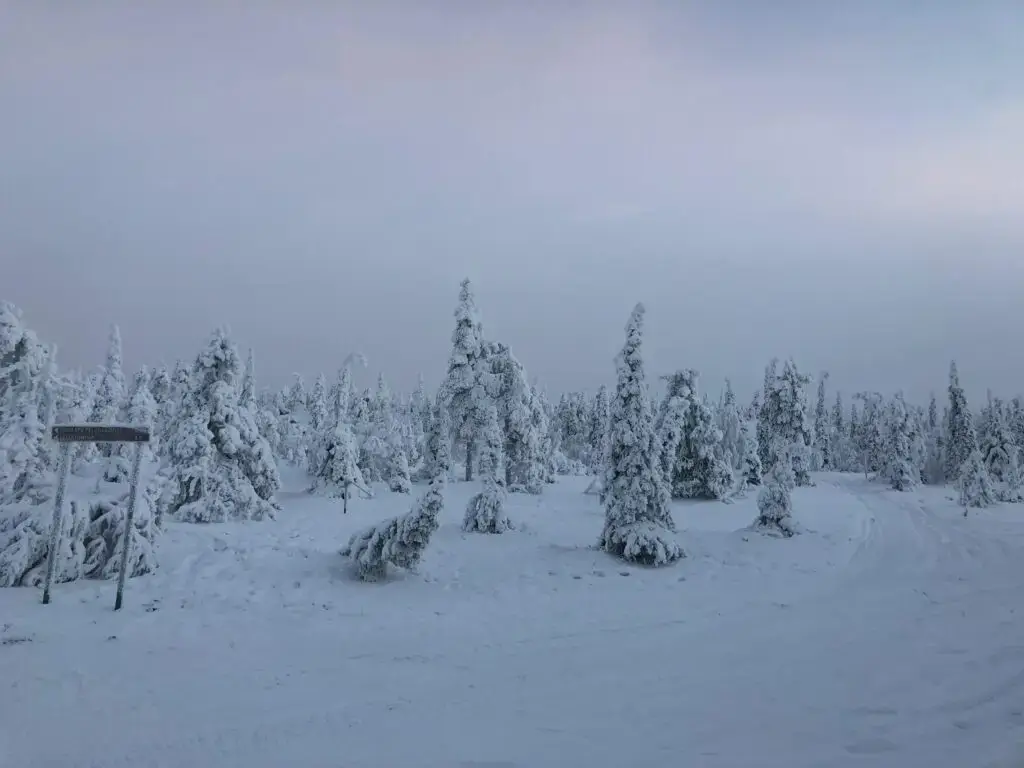
Finland is a paradise for photographers, from beginners to professionals. Winter turns the landscape into a natural studio with soft lighting, dramatic contrasts, and breathtaking textures.
One of the most iconic photography settings is the deep forest surrounding Rovaniemi and Levi. Here, the tall pine trees become coated in thick layers of snow and frost, creating a dreamlike environment where every angle appears surreal. The light filtering through the trees during polar twilight has a blue and pink hue that feels otherworldly.
Another beautiful location is the open fells of Saariselkä. The hills provide sweeping views over forests, frozen lakes, and vast valleys. During sunrise and sunset, the sky glows in pastel shades, making it perfect for landscape photography.
Aurora photography is one of the main reasons travelers bring their cameras. To capture the Northern Lights, choose a location with no artificial light. Frozen lakes, remote forest roads, and hilltops are ideal. A tripod is essential for stability, and using manual camera settings allows photographers to capture the auroras’ movement and colors more accurately.
Ice hotels and glass igloos offer additional opportunities for artistic shots. Interior photography captures the magical glow of ice walls, sculpted artwork, and candlelit suites. Exterior shots featuring glowing igloos under the night sky are among the most popular travel images on Pinterest and Instagram.
Finally, wildlife photography can be rewarding. Reindeer often wander freely near roads and forests. They move slowly and respond calmly to quiet photographers, as long as you keep a respectful distance.
Family Travel in Finland: Tips for Visiting with Kids
Finland is one of the best winter destinations for families. Children love playing in deep snow, meeting Santa Claus, riding in reindeer sleighs, and watching the Northern Lights. The country is extremely safe, and experiences are well organized for all ages.
Families often begin their journey in Rovaniemi. Santa Claus Village is a highlight for children, offering post offices, workshops, and photo opportunities with Santa. Many of the cabins in the village have private saunas and large rooms perfect for families.
Husky rides are thrilling for older children, although younger kids may prefer shorter tours. Reindeer sleigh rides are more gentle and ideal for all ages. Snow tubing parks in Levi and Saariselkä provide hours of fun, and many ski resorts have dedicated children’s slopes with soft gradients and safe equipment.
One important tip is to dress children in proper thermal layers. Kids become cold faster than adults, and a good layering system ensures they stay comfortable during long outdoor activities. Guides typically offer extra warm gear, but it’s still crucial that parents bring proper base layers, gloves, hats, and insulated boots.
Families should also choose accommodations that offer indoor spaces where children can warm up and relax. Hotels with play areas, swimming pools, and spa facilities make it easy to balance outdoor adventures with downtime.
With the right preparation, a family trip to Finland can become a magical, lifelong memory.
Final Travel Planning Guide
To create a perfect winter trip to Finland, start by choosing the right region. Rovaniemi is best for first-time travelers seeking Santa Claus Village and a variety of excursions. Levi is ideal for skiing, spa retreats, and winter sports. Saariselkä offers quiet beauty, glass igloo stays, and excellent Northern Lights visibility. Kemi offers unique icebreaker cruises and snow hotels. Helsinki provides a cozy winter city break before or after exploring the north.
Next, choose accommodations that align with your travel style. Glass igloos and ice hotels give once-in-a-lifetime experiences, while spa hotels offer comfort and warmth. Wilderness lodges are perfect for travelers seeking solitude and nature immersion.
Plan at least one or two iconic winter activities. Husky safaris, reindeer rides, Northern Lights hunts, snowmobile adventures, and snowshoe explorations showcase the best of Arctic Finland. Booking excursions early ensures availability during peak season.
Finally, build flexibility into your itinerary. The Arctic rewards patience, whether you’re waiting for auroras or adjusting to winter weather. With the right mindset, winter in Finland can deliver some of the most magical moments you’ll ever experience while traveling.
Conclusion — Why Finland Is the Ultimate Winter Destination
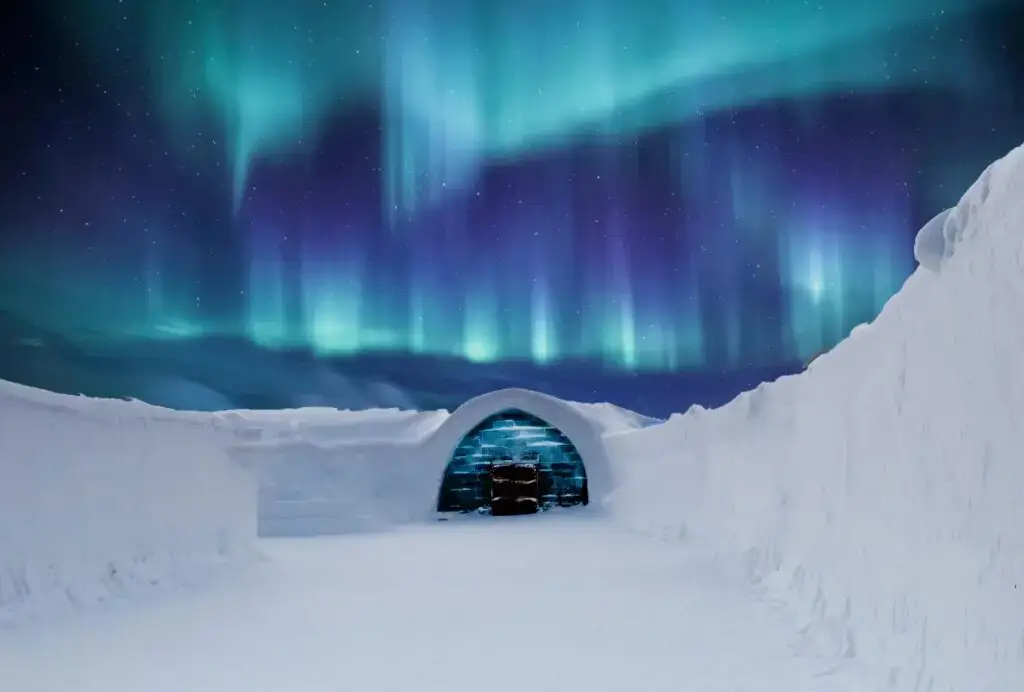
Finland stands out as a truly extraordinary winter destination. Its landscapes are vast and untouched, its culture is deeply connected to nature, and its winter experiences are unmatched anywhere in Europe. Whether you’re chasing the Northern Lights across snowy fields, sharing quiet moments with reindeer, racing across frozen lakes on a snowmobile, or relaxing in a warm igloo under the Arctic sky, Finland offers a sense of wonder that stays with you long after the trip ends.
From luxurious glass igloos to rustic wilderness cabins, from world-class skiing to peaceful sauna rituals, Finland brings together adventure, beauty, and serenity in a way few places can match. Every traveler finds something unforgettable here — families, couples, solo travelers, photographers, and thrill-seekers alike.
With this comprehensive winter travel guide, visitors can confidently plan the perfect journey through the Arctic. Finland is a place of magic, warmth, and natural brilliance, and winter is the season when it shines brightest.
 Related Articles