
- 🇨🇴 Colombia
- 🇵🇾 Paraguay
- 🇺🇾 Uruguay
- 🇫🇷 French Guiana
🇸🇦 South America Travel Guide — Journey Through the Continent of Mountains, Rainforests, Ancient Civilizations & Wild Beauty
South America is a continent of raw emotion, dramatic landscapes, ancient civilizations, vibrant cultures, and endless natural wonders. It is a place where towering mountain ranges rise into the clouds, where rainforests beat with life, where glaciers shimmer in blue light, where deserts stretch into infinity, and where cities pulse with music, color, and energy. Traveling through South America feels like stepping into a world of powerful contrasts — from the Andes’ snow-covered peaks to the Amazon’s humid jungles, from colonial towns preserved in time to modern megacities filled with creativity, from Indigenous traditions to Latin passion.
The continent stretches from the tropical equator to the icy edge of Antarctica, creating some of the most diverse ecosystems on Earth. It is home to the world’s highest waterfall, the world’s driest desert, the longest mountain range, the largest rainforest, immense salt flats, volcanic islands, wine valleys, ancient ruins, and coastlines that shift from Caribbean turquoise to Pacific wildness. South America’s beauty is raw, untamed, and deeply moving. It invites travelers not just to see, but to feel — to immerse themselves in cultures that celebrate life with intensity, warmth, and resilience.
South America’s story begins long before the arrival of Europeans. Indigenous civilizations flourished here for thousands of years: the Inca Empire carved terraces into mountains and built citadels among clouds; the Mapuche of Chile fiercely protected their lands; the Guaraní preserved forest traditions; the Muisca crafted gold into sacred art; tribes of the Amazon developed sophisticated knowledge of plants and ecosystems. Their traditions, languages, and ways of life remain alive today, giving South America a profound cultural richness.
Spanish and Portuguese colonization reshaped the continent, creating cities with grand plazas, cathedrals, and colonial architecture. African heritage arrived through the tragic history of slavery, yet out of that suffering grew some of South America’s most powerful cultural expressions — music, dance, religion, and cuisine. Later waves of immigration from Europe, Asia, and the Middle East added new layers of identity, creating societies that are beautifully diverse and full of contrast.
South America’s geography is one of its defining features. The Andes, running the entire length of the continent, form a dramatic backbone of peaks, volcanoes, glaciers, and high-altitude plateaus. Their presence shapes everything — climate, culture, agriculture, and history. Along their slopes lie ancient terraces, colorful markets, salt flats, mineral lakes, desert valleys, and cities that seem to cling to mountainsides.
To the east lies the Amazon rainforest — a green universe of staggering biodiversity. Its rivers are the lifelines of countless Indigenous communities. Its forests shelter jaguars, pink dolphins, monkeys, macaws, and millions of plant species. The Amazon is both a place of wonder and of global importance — a vital natural treasure that breathes for the planet.
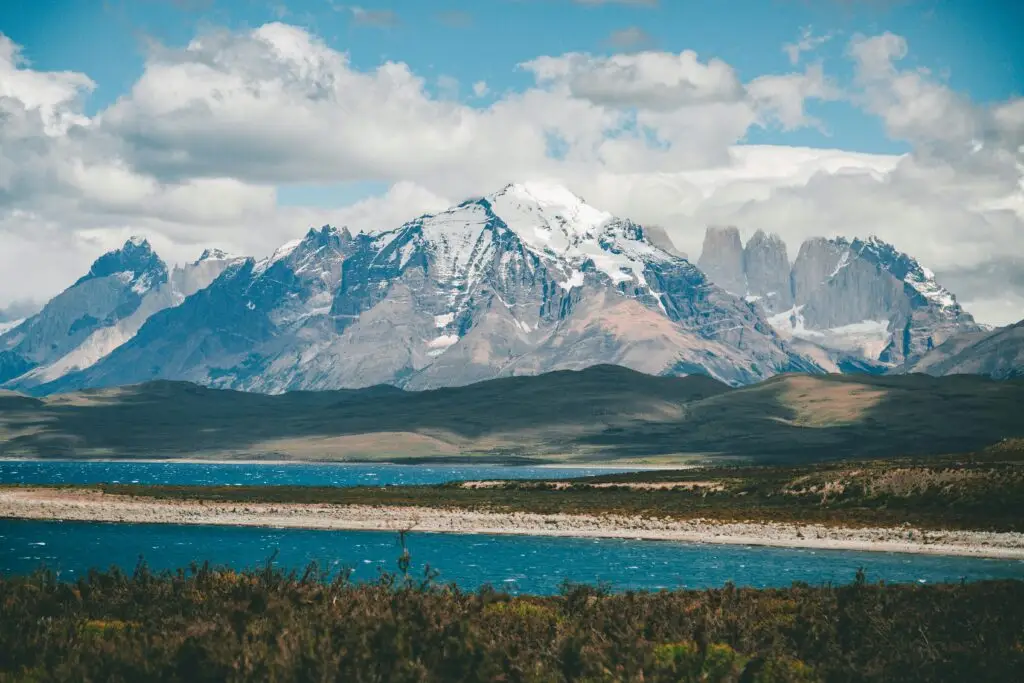
South America’s southernmost regions, Patagonia and Tierra del Fuego, feel like the end of the world. Their landscapes are shaped by wind, ice, mountains, fjords, and endless horizons. Glaciers crack and roar. Peaks like Fitz Roy and Torres del Paine cut sharply into the sky. Wildlife thrives in cold seas: penguins, whales, seals, and orcas. Everything feels bold, untouched, and dramatic.
Along the coasts, the continent reveals even more diversity. The Caribbean north offers warm water, tropical islands, and Afro-Latin culture. The Pacific west reveals cliffs, surf breaks, fishing villages, deserts, and powerful waves. The Atlantic east holds golden beaches, dunes, wetlands, and lively cities full of rhythm and celebration.
South America’s cities are vibrant expressions of creativity and culture. Buenos Aires feels European yet uniquely Latin — a city of tango, cafés, bookstores, wide boulevards, and passionate locals. Rio de Janeiro is one of the most spectacular cities in the world, with granite mountains rising above blue bays, golden beaches, samba rhythms, and an unmistakable joy for life. São Paulo is a global giant, full of energy, innovation, and cultural fusion. Santiago sits in a valley surrounded by mountains, blending modernity with tradition. Lima is a culinary capital, known for ceviche, coastal sunsets, and refined restaurants. Bogotá combines colonial beauty with a bold artistic spirit. Quito and La Paz rise at breathtaking altitudes, offering views of mountains and volcanoes that dominate the skyline. Montevideo and Asunción are laid-back capitals with friendly atmospheres and riverfront charm.
But beyond the major cities lies another South America — one of colonial towns, rural villages, Andean communities, Amazonian river settlements, and coastal fishing hamlets. Places like Cusco, Sucre, Cartagena, Paraty, Valparaíso, and Arequipa preserve architecture, colors, and traditions that carry deep cultural meaning. Travelers walking through these towns feel a sense of nostalgia and authenticity that remains untouched by time.
The continent’s cultural diversity is incomparable. Spanish and Portuguese are widely spoken, but Indigenous languages like Quechua, Aymara, Guaraní, Mapudungun, and many Amazonian dialects remain integral to local identity. Afro-Latin cultures contribute music, food, religious practices, and festivals. European immigration brought Italian, German, French, and Eastern European influences to Argentina, Brazil, Chile, and Uruguay. Japanese and Lebanese communities also left unique cultural legacies. South America is a continent built from many worlds — Indigenous, African, European, and Asian — blending into one vibrant, expressive identity.
Music is the heartbeat of South America. Argentina’s tango expresses longing and passion through movement. Brazil’s samba, bossa nova, and funk spark joy, rhythm, and dance. Colombia’s cumbia and vallenato feel warm and full of spirit. Andean flute music echoes through mountains with haunting beauty. Afro-Peruvian rhythms bring deep cultural roots to life. Music is everywhere — in markets, buses, plazas, parades, and festivals — reminding visitors of the continent’s emotional power.
South America is also a continent of festivals and celebrations. Carnival in Brazil lights the streets with color and energy. Inti Raymi in Peru honors the sun god with ancient ceremonies. Argentina’s wine harvest festival celebrates tradition and abundance. Colombia’s Barranquilla Carnival explodes with costumes and dance. Ecuador’s Day of the Dead combines Indigenous and Catholic rituals. Chile’s Fiesta de la Tirana blends Andean spirituality with Christian symbolism. These celebrations bring communities together, expressing the continent’s joyful, communal spirit.
South America’s cuisine is rich, diverse, and deeply tied to cultural heritage. In Peru, ceviche, anticuchos, and Andean dishes create one of the world’s most exciting cuisines. Argentina is famous for its steaks, empanadas, chimichurri, and Malbec wine. Brazil blends African, Indigenous, and Portuguese traditions into feijoada, açai bowls, grilled meats, seafood stews, and endless street food. Chile and Uruguay offer fresh seafood, grilled meats, wine, and coastal flavors. Colombia presents arepas, tropical fruits, and hearty mountain dishes. Ecuador serves soups, corn-based foods, and specialties from the Amazon and Andes. Venezuela offers arepas, tequeños, and coastal seafood. Every region has its own flavors, shaped by climate, history, and culture.
Traveling through South America can feel adventurous and transformative. The vastness of the landscapes creates a sense of awe. The warmth of the people creates a feeling of belonging. The cultural depth invites reflection. The natural beauty inspires wonder. It is a continent that moves you emotionally — a place where every journey feels like a story waiting to unfold.
The Andes offer trekking routes that challenge the body and reward the spirit: the Inca Trail to Machu Picchu, Patagonia’s Torres del Paine circuits, Bolivia’s high-altitude treks, Colombia’s Lost City hike, and Ecuador’s volcano loops. Nature lovers explore Amazon trails, salt flats, glaciers, deserts, and coastlines filled with wildlife. History enthusiasts uncover ancient ruins, colonial treasures, and Indigenous traditions. Food lovers find some of the most innovative cuisines on Earth. Adventure seekers try sandboarding, surfing, hiking, paragliding, rafting, and diving.
South America is not just a place — it is a feeling. It is the warmth of a family offering food to a stranger. It is the sound of Andean music drifting through a mountain market. It is the sight of a condor soaring above cliffs. It is the taste of tropical fruit under the sun. It is the smell of grilled meat near a plaza full of laughter. It is the moment when you stand at the edge of a canyon, a glacier, or a salt flat and feel the world expand before you.
Above all, South America is a continent that invites you to be present — to feel deeply, to move slowly, to appreciate culture, to connect with people, and to embrace the beauty of life.
This South America Travel Guide is your gateway to the continent’s countries, cultures, and landscapes. Explore each nation, discover its traditions, and create unforgettable memories across one of the most incredible regions on Earth.
 Related Articles
- Kakslauttanen Arctic Resort
- Top 10 Most Unique Places to Stay in Europe
- 10 Incredible Castles Around the World