
- 🇦🇪 United Arab Emirates
- 🇸🇦 Saudi Arabia
- 🇶🇦 Qatar
- 🇧🇭 Bahrain
🌙 Middle East Travel Guide — A Journey Through the Cradle of Civilization, Desert Kingdoms, Ancient Cities & Modern Marvels
The Middle East is one of the most fascinating regions on Earth — a timeless crossroads of cultures, religions, empires, and ideas that have shaped human history for thousands of years. It is a land of contrasts so powerful they leave an unforgettable imprint on every traveler: vast golden deserts stretching into silence, turquoise seas lapping against white-sand shores, futuristic skylines rising beside ancient ruins, bustling souks filled with spices and textiles, serene mosques glowing under the sun, mountain fortresses guarding old trade routes, and lush oases that have sustained civilizations since the dawn of time.
This region is the birthplace of many of the world’s greatest religions, including Islam, Christianity, and Judaism. It is home to ancient wonders, legendary cities, and landscapes that appear throughout mythology, scripture, and history. Traveling through the Middle East feels like stepping through layers of time — from ancient Mesopotamian civilizations to Persian empires, Ottoman architecture, caravan routes across the Arabian Peninsula, and the modern rise of glittering cities like Dubai, Doha, Abu Dhabi, and Riyadh.
Yet despite its weighty history, the Middle East is not frozen in the past. It is dynamic, ambitious, youthful, and constantly reinventing itself. Cities balance deeply rooted traditions with innovation and progress. Cultural identity remains strong even as technology reshapes society. The hospitality of the region — warm, generous, sincere — is one of its greatest treasures. Visitors are welcomed with coffee flavored with cardamom, dates offered from silver trays, and smiles full of pride and joy.
The Middle East is not a single world; it is many different worlds, all connected by geography, history, and spirit.
A Landscape Older Than Civilization
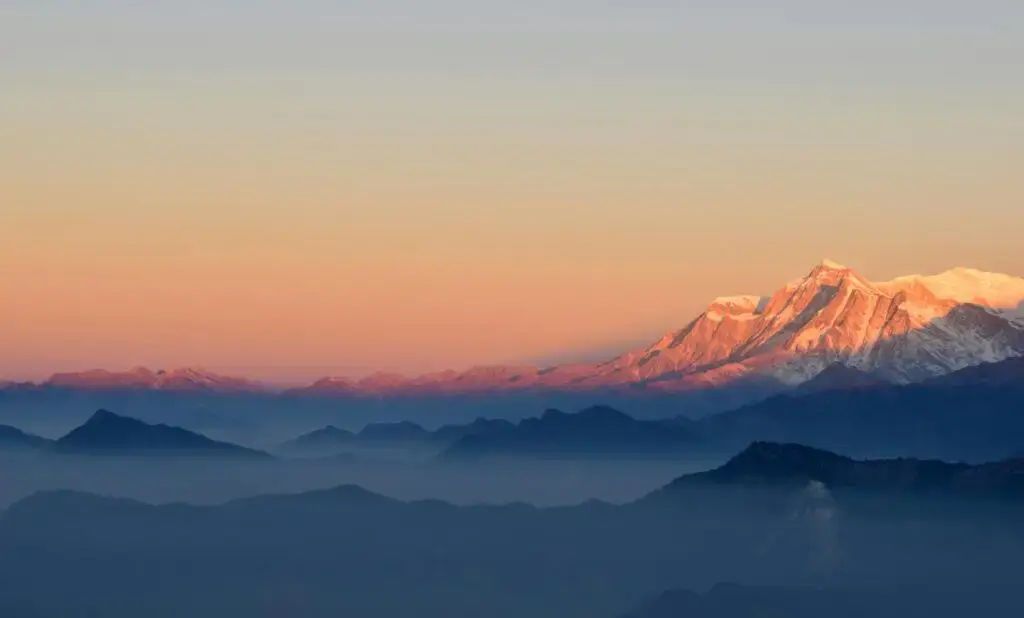
The geography of the Middle East is as diverse as its cultures. Stretching from the Mediterranean to the Himalayas, from the Red Sea to the Persian Gulf, the region holds a staggering collection of landscapes.
Deserts dominate much of the Arabian Peninsula — seas of sand shaped by wind into towering dunes glowing orange and gold at sunset. The Empty Quarter, or Rub’ al Khali, is one of the largest sand deserts in the world, a mysterious, silent world where Bedouin traditions remain alive.
Mountains rise dramatically in Iran, Lebanon, Oman, Turkey, Yemen, and Jordan. Snow falls in high ranges while warm breezes blow across valleys below. Omani peaks reveal deep wadis carved by rivers over centuries. Turkish landscapes shift from coastal forests to lunar-like volcanic plateaus.
The Middle East also embraces fertile plains and river valleys. Mesopotamia — between the Tigris and Euphrates — is known as the “Cradle of Civilization,” home to some of the earliest cities, writing systems, and empires.
Coastlines add even more diversity. The Mediterranean coast is dotted with ancient ports. The Red Sea glows turquoise with coral reefs and marine life. The Gulf waters shimmer under modern skylines. The Arabian Sea stretches toward the Indian Ocean, meeting rugged cliffs and quiet beaches.
Oases appear like miracles in the desert — green clusters of palm trees, freshwater pools, and villages sustained by underground springs. These landscapes shaped trade, migration, architecture, and daily life for thousands of years.
A Tapestry of Cultures, Languages & Traditions
Few regions on Earth hold as many layers of cultural identity as the Middle East. Its languages alone reflect a deep history — Arabic, Persian, Turkish, Kurdish, Hebrew, Armenian, Berber, and dozens of regional dialects and minority languages weave together across the region.
Islam plays a central role in cultural life across many Middle Eastern countries, shaping architecture, festivals, daily rhythms, clothing, and hospitality traditions. Yet the region is also home to Christian communities, Jewish communities, Druze traditions, Yazidi beliefs, Zoroastrian heritage, and countless local practices rooted in ancient times.
Hospitality is a foundational cultural value. Guests are treated with respect and warmth, offered tea or coffee, sweets, fruit, and often full meals regardless of time or circumstance. Gathering with family remains essential to social life. Traditional music, dance, and poetry express themes of love, faith, nature, longing, and pride.
Markets, known as souks or bazaars, are the beating heart of many Middle Eastern cities. They are filled with colorful textiles, carpets, ceramics, perfumes, gold, spices, and handmade crafts. Narrow alleys reveal old-world charm and cultural depth, offering travelers a glimpse into everyday life that has changed little through the centuries.
Cities of the Middle East — Ancient, Spiritual & Futuristic
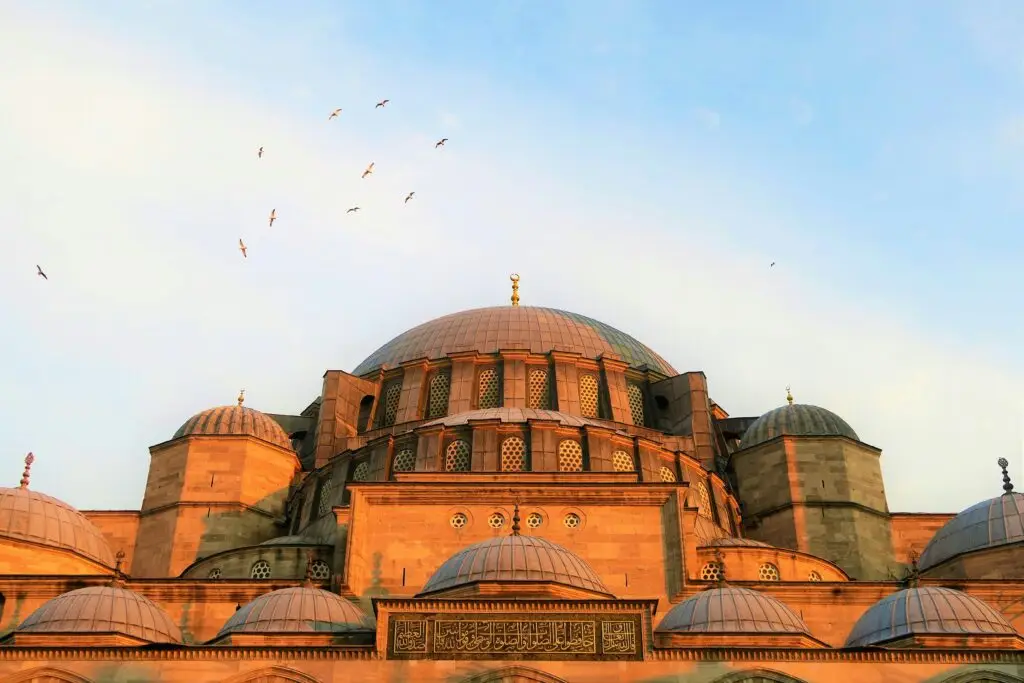
The cities of the Middle East are endlessly diverse and deeply compelling.
Jerusalem is one of the world’s most sacred cities, layered with history, conflict, faith, and devotion. Pilgrims from all over the world walk its ancient streets, where sacred sites stand as landmarks of human spirituality.
Istanbul is a city of empires — Byzantine churches, Ottoman mosques, palaces overlooking the Bosphorus, and vibrant neighborhoods where Asia meets Europe. The city feels like a living bridge between worlds.
Cairo is loud, energetic, timeless, and historic. The Pyramids of Giza rise from the desert just beyond the city limits, creating one of the most iconic landscapes in human history. The Nile flows calmly through the heart of the city, connecting ancient temples and modern neighborhoods.
Dubai is the opposite extreme — a futuristic city rising from the desert, filled with skyscrapers, artificial islands, luxury resorts, malls, fine dining, and ambitious architectural projects. The Burj Khalifa towers above everything, symbolizing innovation and modern vision.
Abu Dhabi blends cultural elegance with futuristic ambition: the Sheikh Zayed Grand Mosque, Louvre Abu Dhabi, and peaceful mangrove parks create a refined, artistic identity.
Riyadh reflects the rising power of Saudi Arabia — a modern capital undergoing rapid transformation, where traditional souks coexist with hyper-modern districts, museums, and cultural megaprojects.
Doha shines with contemporary architecture, waterfront promenades, museums of Islamic art, and a growing cultural presence shaped by global events.
Tehran, Beirut, Muscat, Amman, Manama, Kuwait City, and Sana’a each offer their own unique blend of history, culture, and modern life — from mountain villages to coastal corniches, from ancient citadels to peaceful mosques.
The cities of the Middle East are not only places to see; they are places to feel.
Ancient Civilizations & Archaeological Marvels
The Middle East is the world’s greatest open-air museum of human history. Its archaeological sites reveal stories of early kingdoms, prophets, philosophers, and powerful empires.
Egypt holds the Pyramids of Giza, Luxor’s temples, Karnak, the Valley of the Kings, Abu Simbel, and ancient cities along the Nile that have survived thousands of years.
Iraq once held Babylon, Nineveh, Ur, and other cradles of civilization. Iran preserves Persepolis, Pasargadae, and the grand legacy of the Persian Empire. Jordan’s Petra is a breathtaking city carved into rose-red cliffs, glowing softly in the morning light. Turkey’s ancient sites — Ephesus, Göbekli Tepe, Troy, and Cappadocia — span history from the earliest religious monuments to the Roman world.
Lebanon’s Baalbek reveals Roman temples of astonishing scale. Oman’s forts guard trade routes from centuries ago. Yemen’s mud-brick skyscrapers in Shibam showcase early urban engineering. Saudi Arabia’s AlUla — with its Nabatean tombs and ancient kingdoms — has emerged as one of the region’s most exciting archaeological destinations.
These sites are more than tourist attractions; they are sacred windows into human history.
Desert Life & Bedouin Traditions
The desert is the spiritual heart of the Middle East. It shaped the lives of nomadic tribes, inspired poetry, influenced architecture, and nurtured traditions of hospitality, survival, and freedom.
Bedouin culture remains alive in Jordan, Saudi Arabia, Oman, Qatar, and the UAE. Traditional tents called bayt al-sha’ar are woven from goat hair. Camels remain important symbols of heritage. Songs and poetry echo across gatherings. Coffee rituals, storytelling, and music preserve ancient identity.
The desert at night reveals a sky so full of stars that it feels infinite. Silence becomes soothing and powerful. Sand dunes glow under moonlight. The Middle East’s desert landscapes — Wadi Rum, the Empty Quarter, Wahiba Sands, Sinai, and others — offer profound beauty and emotional depth.
Nature, Mountains & Seas
Beyond deserts and cities, the Middle East holds stunning natural beauty.
Lebanon’s mountains offer snow, cedar forests, and Mediterranean views. Oman’s wadis contain emerald pools, waterfalls, and dramatic canyon walls. Iran has volcanoes, forests, high-altitude lakes, and ski resorts. Jordan’s Dead Sea — the lowest point on Earth — offers floating experiences and mineral-rich waters. Saudi Arabia’s Red Sea coast has coral reefs as pristine as any in the world. The Gulf region holds mangroves, islands, and calm blue waters ideal for kayaking and island-hopping.
The Middle East’s nature is often overlooked, yet it holds some of the most diverse landscapes on Earth.
Middle Eastern Cuisine — Flavor, Warmth & Tradition
Food in the Middle East is a celebration of flavor, hospitality, and heritage. Meals are shared, generous, and deeply connected to family life.
Traditional dishes include hummus, falafel, shawarma, tabbouleh, biryani, kebabs, fattoush, kanafeh, manakish, mutabbaq, harira, machboos, mandi, and countless regional specialties.
Bread — from Persian flatbread to Arabic khubz — is essential. Spices like cumin, saffron, sumac, cardamom, cinnamon, and coriander fill kitchens with rich aromas. Dates, olives, honey, and tea are part of daily rituals.
Food tells stories in the Middle East — of tradition, migration, agriculture, and community.
Why the Middle East Captivates the Soul
The Middle East is a region of warmth, faith, resilience, beauty, creativity, and history. It is a place where ancient and modern worlds coexist, where landscapes inspire awe, where cultures are preserved with pride, and where hospitality comes from the heart.
Travelers leave the Middle East with lasting memories — desert sunsets, old cities glowing at dusk, the call to prayer drifting through the air, the taste of rich spices, the sound of lively markets, and the quiet beauty of sacred moments.
This 6000-word guide serves as your gateway into the Middle East — a region overflowing with wonder, identity, and unforgettable experiences.
 Related Articles
- Kakslauttanen Arctic Resort
- Top 10 Most Unique Places to Stay in Europe
- 10 Incredible Castles Around the World